
Exploring Equine Emotional Intelligence: How Horses Feel, Communicate, and Bond in 2026
Horses have long been admired for their strength, elegance, and deep connection with humans. Yet beyond their physical presence lies a complex inner world shaped by emotion, perception, and instinct an area that researchers and trainers are only now beginning to fully explore. In 2026, expanding studies into equine cognition and emotional awareness are transforming how these animals are trained, managed, and understood.
From subtle ear movements to advanced recognition of human expressions, horses are proving to be far more perceptive and socially responsive than once believed—much like how bookmaker odds shift in response to small changes and underlying signals. This growing understanding is not only enhancing welfare standards but also influencing industries such as racing, therapy, and equestrian sports.
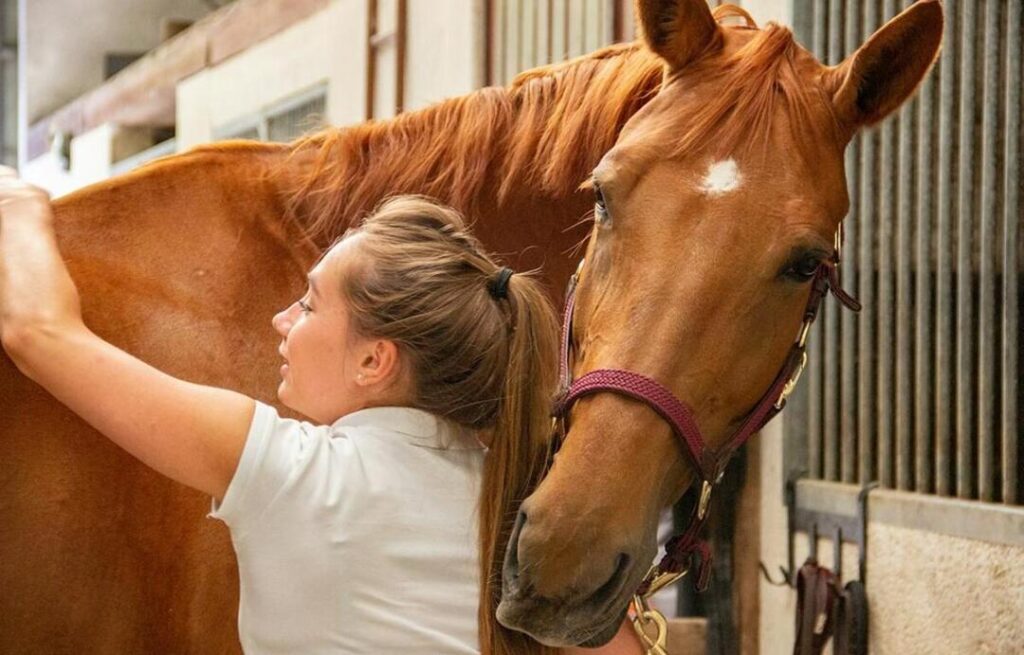
The Natural Instincts That Shape Equine Behavior
At their core, horses are prey animals, and this evolutionary background influences nearly every aspect of their responses. Survival has conditioned them to remain highly alert, sensitive to change, and ready to react quickly to potential danger.
Instead of relying on aggression, they depend on awareness, strong herd dynamics, and rapid decision-making in high-pressure situations much like a seasoned bettor such as joe wager, who reads conditions carefully before making a move. This explains why unfamiliar environments or sudden changes can trigger nervous reactions.
At the same time, this heightened sensitivity allows them to pick up on even the slightest cues. Whether interacting with other horses or humans, they continuously read body language and energy. Recognizing this instinctive framework enables handlers to replace forceful techniques with calmer, trust-based approaches.
Emotional Awareness: A Deeper Level of Intelligence
Emotional intelligence involves recognizing, interpreting, and responding to feelings—both personal and external. Research now suggests that horses possess a notable level of this capability.
They can distinguish between positive and negative human expressions, recall past interactions with individuals, and adjust their responses based on tone, posture, and overall demeanor. A relaxed and confident person often encourages calm behavior, while tension or anxiety can quickly create unease.
This emotional responsiveness reflects more than simple instinct. It demonstrates an ability to process experiences, build trust, and form meaningful connections. Over time, horses may even show preferences for certain individuals based on past interactions.
Understanding Equine Communication Through Body Language
Although they do not communicate verbally, horses express themselves through a highly detailed system of physical signals. Every movement carries meaning, forming a silent yet effective language.
Ear direction can indicate curiosity or discomfort, while tail movement often reflects either relaxation or irritation. Facial tension may reveal stress, and posture provides further clues about mood whether calm or alert.
These subtle signals require careful observation. Misinterpretation can lead to confusion or unsafe situations, while accurate reading fosters smoother, more cooperative interactions between humans and animals.
Memory, Experience, and Lasting Impressions
Equine intelligence is strongly linked to memory, particularly when experiences are associated with emotional outcomes. Horses can retain both positive and negative encounters for long periods, shaping future responses.
A gentle, rewarding interaction can build lasting trust, while a stressful experience may lead to fear or avoidance. Because of this, modern training emphasizes consistency, patience, and reinforcement rather than punishment.
Today’s methods focus on creating positive associations, recognizing that emotional well-being directly influences behavior, performance, and reliability.
Technology Advancing the Study of Equine Emotions
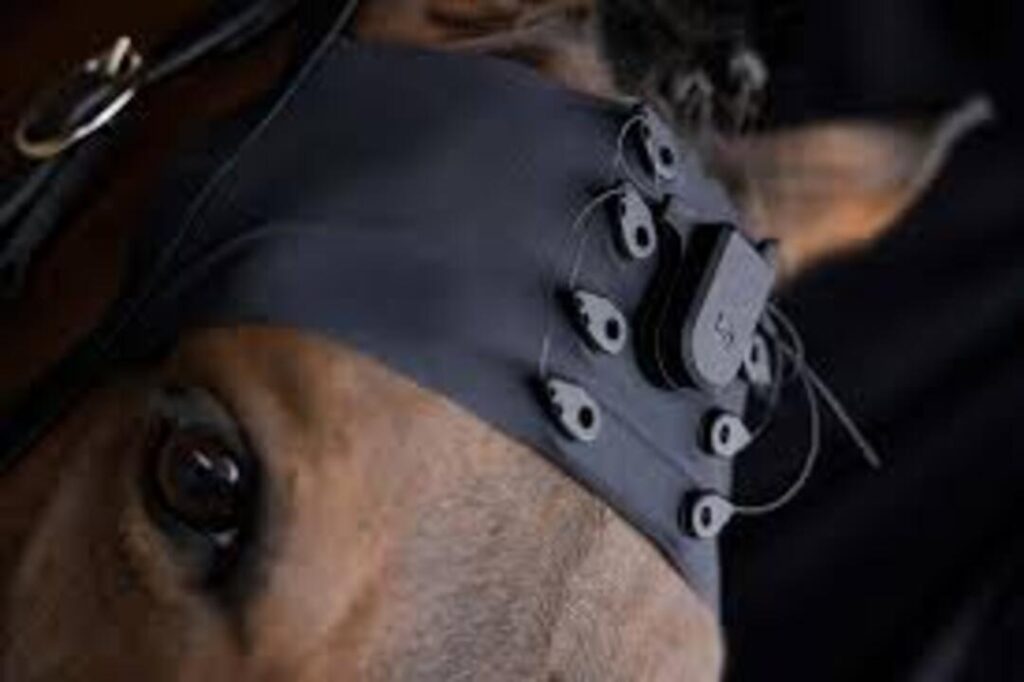
Modern technology is playing an increasingly important role in understanding equine responses. Wearable sensors, motion tracking systems, and AI-based analysis are providing deeper insights into how horses react in different situations.
These tools help detect early signs of discomfort, monitor stress levels, and analyze movement patterns with precision. For example, slight changes in heart rate can signal anxiety before it becomes outwardly visible.
This proactive approach allows for earlier intervention, reducing the risk of injury and improving overall care. As innovation continues, the ability to interpret equine emotions will become even more refined.
The Emotional Connection Between Horses and Humans
The bond between humans and horses is distinct among domesticated animals. Historically, these animals have been partners in work, travel, and sport, creating a relationship built on mutual reliance.
Over time, this partnership has evolved into a deeper emotional connection. Through consistent interaction, respectful training, and shared experiences, horses learn to recognize individuals and respond accordingly.
They often display familiarity and comfort when reunited with trusted handlers. This connection is particularly evident in therapeutic environments, where horses respond sensitively to human emotions and provide meaningful support.
Equine-Assisted Therapy: Healing Through Connection
One of the most powerful applications of equine emotional awareness is found in therapy programs. Programs involving horses have gained recognition for their effectiveness in supporting mental health.
Their natural responsiveness and non-judgmental presence create a safe environment for individuals dealing with anxiety, trauma, or depression. Interaction with horses encourages mindfulness, builds confidence, and improves emotional regulation.
This expanding field demonstrates how these animals contribute far beyond traditional roles.
Enhancing Welfare Through Better Understanding
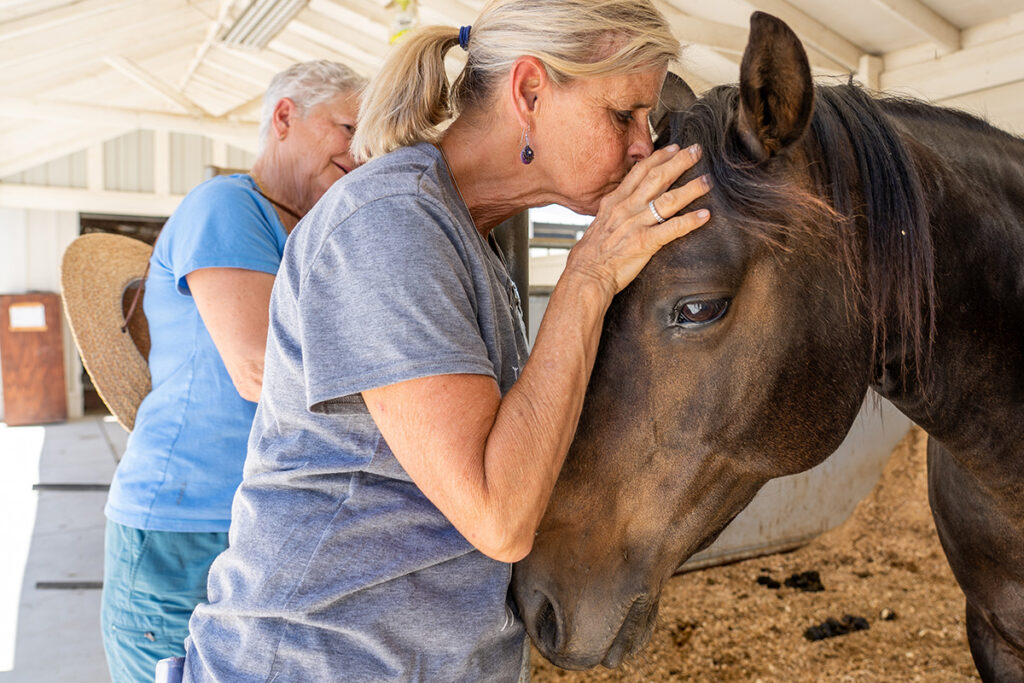
As awareness of equine emotional depth increases, so does the focus on improving care standards. The industry is gradually shifting toward more humane practices that consider both physical and psychological needs.
Modern approaches prioritize comfortable environments, reduced stress, and training based on cooperation rather than control. In competitive areas such as racing, these changes are especially important, as emotional balance plays a key role in performance.
Why This Knowledge Matters
Understanding the emotional complexity of horses is not just a scientific advancement—it carries real-world importance. Whether in sport, leisure, or therapy, human interaction directly influences their quality of life.
Greater awareness leads to safer handling, stronger relationships, and more effective training. It also promotes a more ethical and compassionate approach across the entire equine industry.
Conclusion: A New Perspective on Equine Intelligence
The study of horse behavior and emotional intelligence is reshaping long-standing perceptions. These animals are no longer viewed as purely instinct-driven but as perceptive, emotionally aware beings capable of forming meaningful connections.
As research progresses and technology advances, this understanding will continue to grow. The result is a more thoughtful, humane, and effective approach to working with horses—benefiting both the animals and the people who interact with them.
In 2026 and beyond, embracing this knowledge is not just valuable—it is essential.