
Experts Warn Urgent Action Is Needed to Protect Horse and Human Health

In recent years, I’ve noticed a growing concern among veterinarians, public health officials, and equine industry leaders: the fragile connection between horse and human health. Horses have long been companions, athletes, working partners, and therapeutic animals. Yet the same close relationship that makes horses so valuable also creates shared risks when health issues emerge.
Across racing tracks, farms, and equestrian facilities worldwide, experts are warning that urgent action is needed to protect horse and human health. From infectious diseases to environmental pressures and welfare concerns, the challenges affecting horses today increasingly overlap with risks to the people who work with them.
Understanding these connections—and acting before problems escalate—has become a priority for veterinarians, public health researchers, and equestrian organizations alike.
The Growing Connection Between Horse and Human Health
The concept linking animal and human health is often referred to as One Health. It emphasizes that the wellbeing of humans, animals, and the environment are deeply interconnected.
Horses provide a clear example of this relationship. They live closely with humans in farms, racing stables, therapeutic programs, and recreational riding facilities. This proximity means that diseases affecting horses can sometimes pose risks to people as well.
For example, zoonotic diseases—illnesses that can spread between animals and humans—have become a growing focus in equine medicine. Although many equine diseases are not transmissible to humans, several notable ones can be.
These include:
- Hendra virus
- West Nile virus
- Certain bacterial infections such as Salmonella
According to the Centers for Disease Control and Prevention, monitoring animal health is a critical step in preventing outbreaks that could affect human populations.
This is why veterinarians and epidemiologists increasingly advocate for integrated surveillance systems that track both animal and human health trends simultaneously.
Infectious Diseases That Threaten Horses and Humans
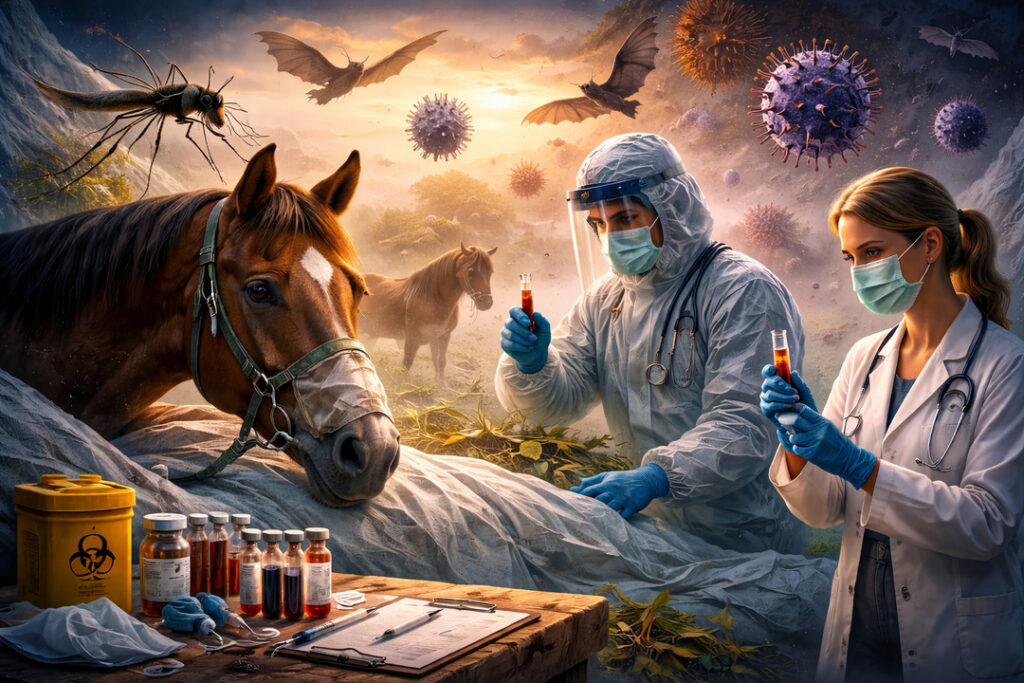
One of the most pressing concerns surrounding horse and human health involves emerging infectious diseases. While most horse illnesses remain confined to equine populations, several pathogens can cross species barriers.
Hendra virus, for example, has caused significant concern in Australia over the past few decades. The virus spreads from bats to horses and, in rare cases, to humans through close contact with infected animals. Though human cases remain uncommon, the disease can be extremely severe.
Similarly, West Nile virus—a mosquito-borne illness—affects both horses and people. Horses often act as early indicators of the virus’s presence in a region. When veterinarians detect infections in equine populations, public health officials can respond quickly to reduce mosquito exposure and protect human communities.
Monitoring equine health therefore serves as an early warning system for potential public health threats.
This is why organizations involved in veterinary research stress the importance of coordinated disease surveillance and vaccination programs for horses.
Environmental Changes Increasing Health Risks
Another issue affecting horse and human health is the changing environment. Climate shifts, habitat disruption, and global travel patterns are altering how diseases spread.
Warmer temperatures in some regions have expanded the range of insects such as mosquitoes and ticks—two of the primary carriers of equine and human diseases. As these vectors move into new areas, horses and humans alike may face unfamiliar health threats.
Equine veterinarians are increasingly concerned about diseases that were once geographically limited but are now appearing in new territories.
In addition to infectious risks, environmental changes can affect air quality, pasture health, and water availability—factors that influence both animal and human wellbeing.
When horses suffer from respiratory issues due to poor stable ventilation or dusty environments, the humans caring for them may face similar respiratory risks.
Protecting stable environments and improving management practices can therefore benefit both species simultaneously.
Equine Welfare and Its Impact on Human Safety
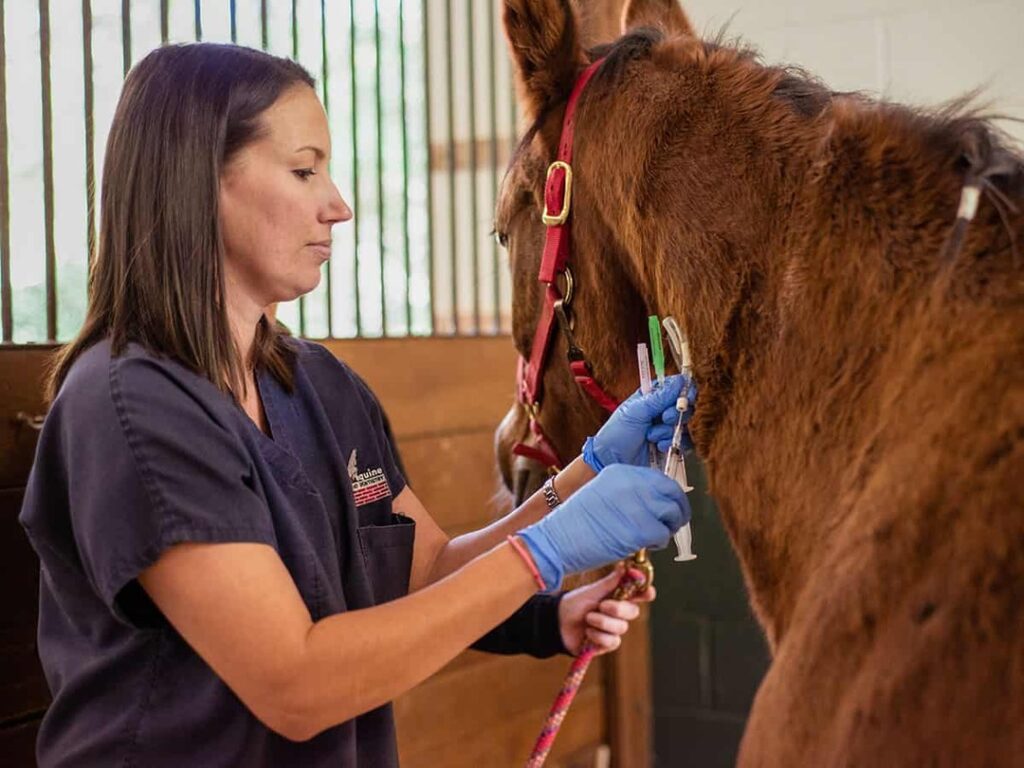
Health concerns are not limited to infectious diseases alone. Equine welfare plays a significant role in protecting both horses and people.
When horses experience chronic stress, poor nutrition, or inadequate veterinary care, they become more susceptible to illness and injury. A stressed or unhealthy horse may also behave unpredictably, increasing the risk of accidents for riders, trainers, and caretakers.
In high-performance environments such as racing and competitive sports, maintaining strong welfare standards becomes even more critical.
Experts emphasize several key priorities for improving equine welfare:
- Proper nutrition and hydration
- Regular veterinary checkups
- Adequate rest and recovery periods
- Safe and humane training practices
Improving these areas doesn’t just benefit the animals—it also reduces injuries among the humans working with them.
Why Early Prevention Is Critical
One of the strongest messages coming from veterinarians and public health experts is that prevention is far more effective than reaction when it comes to protecting horse and human health.
Routine vaccinations, proper hygiene protocols, and early disease detection programs are among the most effective strategies.
Stable managers and horse owners can also play an important role by maintaining clean facilities, isolating sick animals, and reporting unusual symptoms promptly.
Education is equally essential. Riders, trainers, and farm workers who understand disease risks are more likely to follow protective measures such as wearing gloves when handling sick horses or minimizing mosquito exposure in endemic regions.
In many ways, equine health programs function as a frontline defense against wider public health threats.
Global Cooperation Across the Equine Industry
Because the equine industry is highly international—spanning racing circuits, breeding operations, and equestrian competitions—health risks can easily cross borders.
Veterinary organizations, government agencies, and equestrian federations are increasingly working together to improve monitoring and response systems.
These collaborative efforts include shared research, improved diagnostic tools, and coordinated disease reporting networks. The goal is simple but crucial: detect problems early and stop them from spreading.
The equine community has already demonstrated how cooperation can make a difference. Vaccination campaigns and improved biosecurity measures have successfully reduced the impact of several equine diseases in recent years.
However, experts emphasize that continued vigilance is essential.
Protecting the Future of Horse and Human Health
The relationship between horses and people has existed for thousands of years, shaping agriculture, transportation, sport, and culture. Today, that partnership remains as strong as ever—but it also comes with shared responsibilities.
Experts are increasingly clear that urgent action is needed to protect horse and human health. Infectious diseases, environmental pressures, and welfare challenges are all interconnected risks that require coordinated responses.
By strengthening veterinary care, improving disease monitoring, and prioritizing humane management practices, the equine industry can safeguard both horses and the people who depend on them.
The message from researchers and veterinarians is unmistakable: protecting horses ultimately means protecting ourselves as well.