
Grand National 2026 Breakdown: Four Horses to Watch Including I Am Maximus
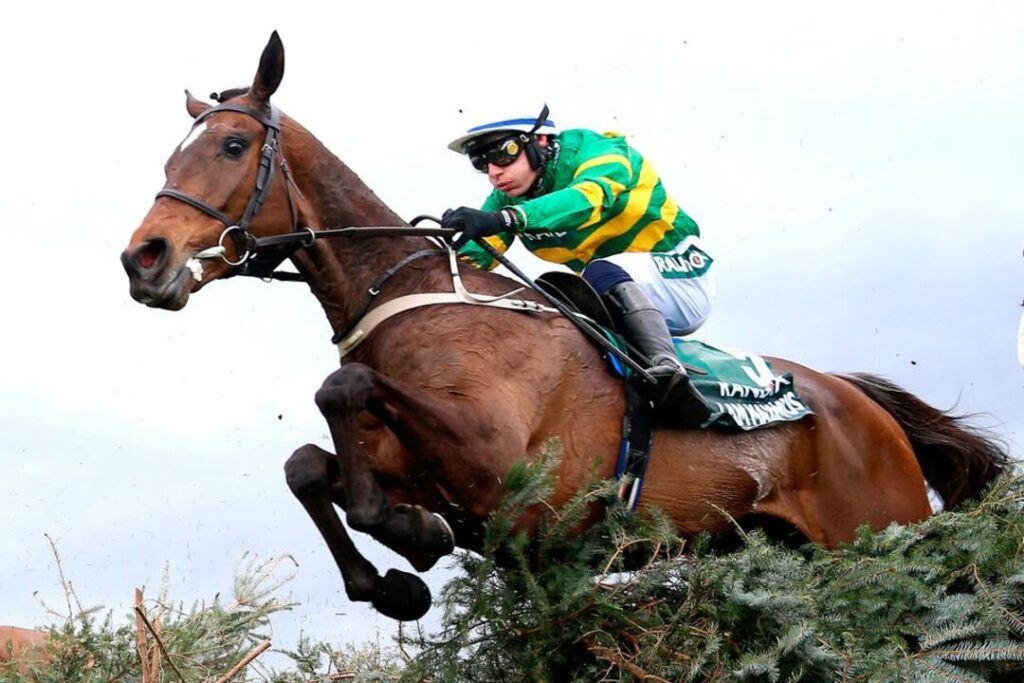
The Grand National isn’t just a race—it’s a test of survival. Nearly 40 horses, 30 fences, and four miles of chaos. And here’s the truth I’ve learned over the years: form matters… until it doesn’t.
As we approach 2026, the field is already shaping up to be one of the most unpredictable in recent memory. Yet among the uncertainty, a handful of names keep rising to the surface. These are the Grand National 2026 contenders that demand attention—not just for their talent, but for how they fit the unique demands of Aintree.
Why the Grand National Is Unlike Any Other Race
Held annually at Aintree Racecourse, the Grand National is less about raw speed and more about endurance, intelligence, and timing.
Unlike standard steeplechases, Aintree’s fences—like Becher’s Brook and The Chair—are unforgiving. Horses must not only be physically prepared but mentally sharp. That’s why proven stamina and jumping ability often outweigh flashy recent wins.
Historically, even favorites struggle. According to the British Horseracing Authority, completion rates and unpredictability make the race one of the most statistically volatile in the sport. You can explore official race insights and safety data through their work on Grand National 2026 contenders and racing standards.
The Horse Everyone Is Talking About
If there’s one name dominating early discussions, it’s I Am Maximus. Trained by the legendary Willie Mullins, this horse has quickly become a standout among the Grand National 2026 contenders.
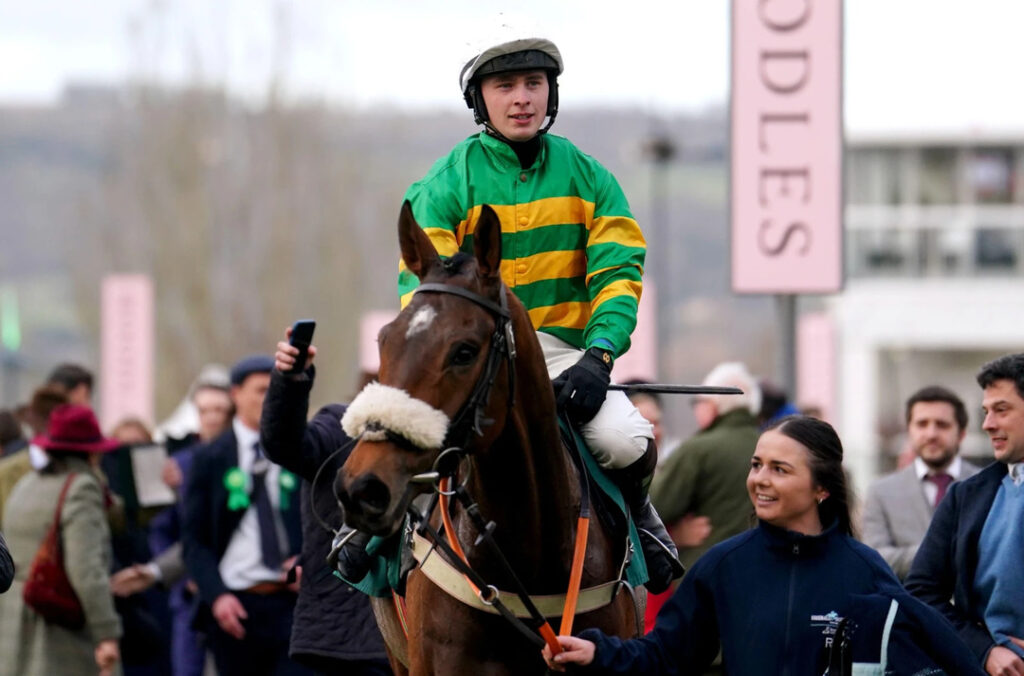
What makes him special isn’t just his form—it’s his adaptability. He’s shown the ability to handle long distances, maintain composure under pressure, and most importantly, finish strong when others fade.
From my perspective, he checks nearly every box:
- Proven stamina
- Strong jumping record
- Elite training pedigree
But here’s the catch: the Grand National has a habit of humbling even the most complete horses.
The Rising Challenger
Another name gaining serious traction is Grangeclare West. Also emerging from top-tier Irish training circuits, this horse represents the new wave of contenders pushing into elite territory.
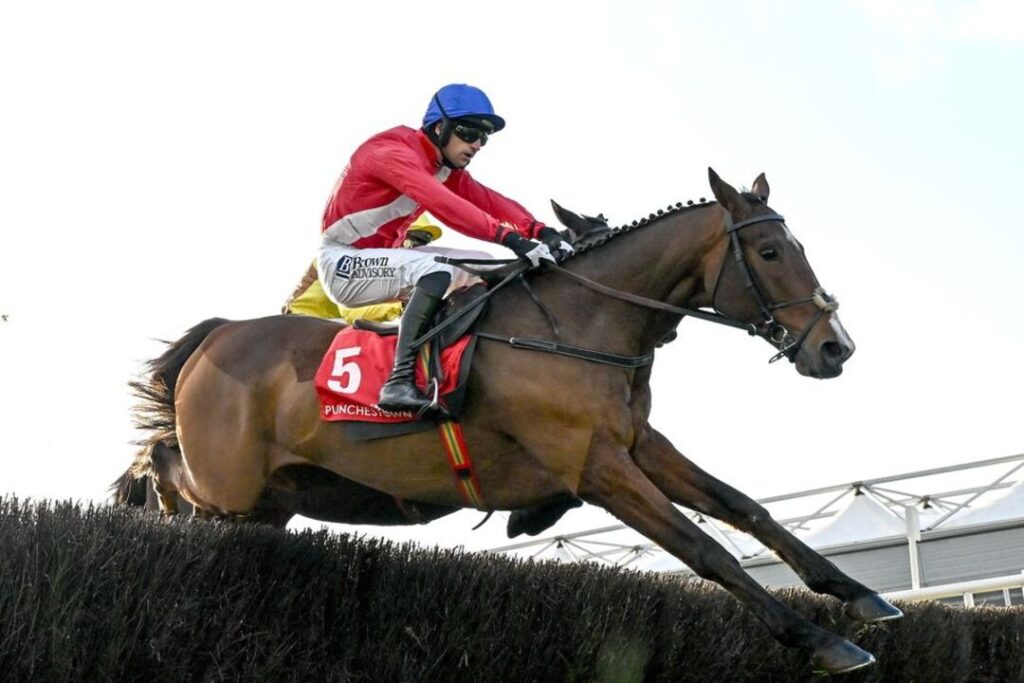
What stands out to me is his progression curve. He hasn’t just improved—he’s evolved. Each run shows greater confidence over fences and better race management.
In a race where positioning and patience are everything, that kind of maturity can be the difference between contention and collapse.
The Smart Bet for Value Seekers
If you’re looking beyond the obvious, Iroko is a fascinating option. Not always the headline grabber, but consistently delivering performances that suggest he’s built for a race like this.
What I like most about Iroko is his efficiency. He doesn’t waste energy early, and that matters over four grueling miles. Horses that conserve just enough tend to surge late—often when it matters most.
Among the Grand National 2026 contenders, he may not be the flashiest, but he could be one of the smartest bets.
Experience That Can’t Be Ignored
Then there’s Corach Rambler, a name already etched into Grand National history. Experience in this race isn’t just helpful—it’s invaluable.
Having proven he can handle Aintree’s unique demands, Corach Rambler brings something others don’t: certainty in chaos.
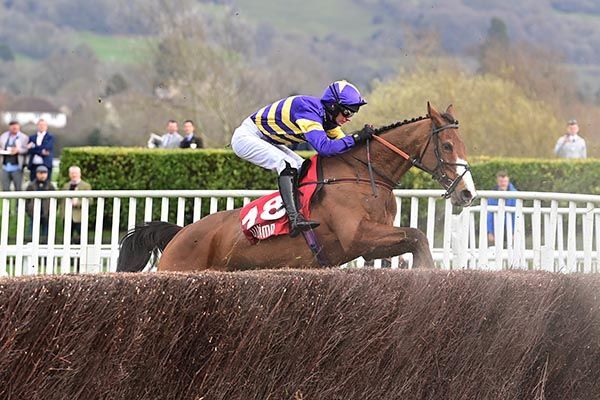
From a journalist’s lens, I’ve seen how repeat performers often outperform expectations. They understand the rhythm, the pace, and the psychological demands of the race.
And in a field full of uncertainty, that familiarity can be a powerful advantage.
What Separates Winners From Contenders
Speaking with analysts and following trends over the years, one thing becomes clear: there’s no single formula for winning the Grand National.
However, certain patterns emerge:
- Horses aged 8–11 tend to perform best
- Prior experience in long-distance chases is critical
- Clean jumping is often more important than outright speed
The Grand National 2026 contenders highlighted here each bring a different strength. The real question is which combination of traits will hold up under pressure.
Why This Year Feels Different
There’s something about the 2026 field that feels unusually balanced. No overwhelming favorite. No clear outsider narrative. Just a group of highly capable horses, each with a legitimate claim.
From my vantage point, this creates a rare scenario: the race could be decided by execution, not expectation.
That means:
- Strategy will matter more than ever
- Jockey decisions could define outcomes
- Small mistakes will carry massive consequences
In short, this is shaping up to be a race where margins—not reputations—determine the winner.
A New Era of Competitive Racing
Looking beyond 2026, the depth of talent suggests we’re entering a new era for the Grand National. Training methods are improving, data is playing a bigger role, and horses are being prepared with greater precision. This raises the bar for everyone involved.
The Grand National 2026 contenders are not just competing for a title—they’re setting the standard for what modern steeplechasing looks like.
Four Horses, One Unpredictable Outcome
If there’s one lesson I’ve learned from covering races like this, it’s simple: the Grand National never goes according to plan.
I Am Maximus may lead the headlines. Grangeclare West brings momentum. Iroko offers tactical value. Corach Rambler carries experience. But once the gates open, none of that guarantees anything. And that’s exactly why this race continues to captivate the world.