
15 California Horses Test Positive for Equine Infectious Anemia (EIA)
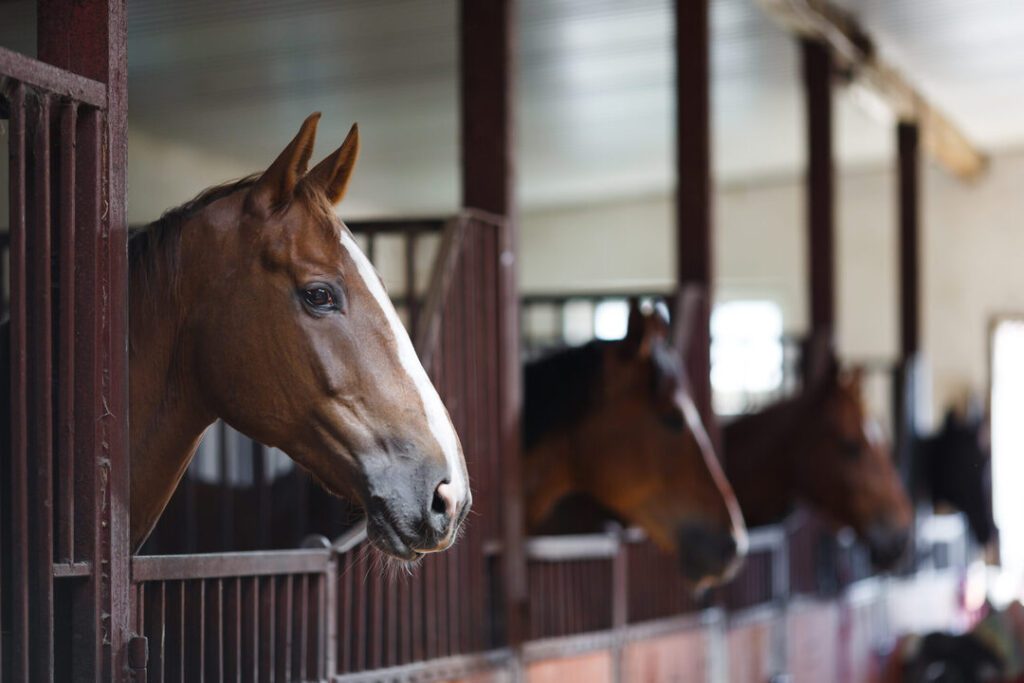
The discovery of fifteen horses testing positive for Equine Infectious Anemia across multiple California counties has sent a ripple of concern through the West Coast equine industry. This viral outbreak serves as a stark reminder that even in an era of advanced veterinary medicine, a disease with no cure and no vaccine remains a potent threat to the safety of our stables. Understanding the mechanics of this transmission is no longer just a matter of clinical curiosity; it is a fundamental requirement for any owner dedicated to the long-term health of their herd.
The Nature of the Viral Threat
Equine Infectious Anemia (EIA) is a blood-borne viral disease that primarily affects horses, ponies, and mules. Often referred to as “swamp fever,” the virus belongs to the same family as HIV in humans, meaning it persists in the infected animal’s bloodstream for life. The current situation in California highlights the insidious nature of the virus, as many infected animals can appear asymptomatic for long periods. These silent carriers act as a reservoir for the disease, unknowingly posing a risk to every other horse in their vicinity.
The virus typically manifests in three stages: acute, chronic, and inapparent. During the acute phase, a horse may suffer from high fever, depression, and a lack of appetite. If the animal survives this stage, it may transition into a chronic phase characterized by recurring bouts of fever, weight loss, and edema. However, the most dangerous state for the wider population is the inapparent stage, where the horse looks and acts perfectly healthy despite carrying a high enough viral load to infect others through a single insect bite.
Mechanics of Transmission and Vector Control
Transmission of the virus occurs through the transfer of infected blood. In natural settings, this is almost exclusively facilitated by large biting insects, specifically horse flies and deer flies. These vectors act as mechanical syringes; they bite an infected horse, pick up the virus on their mouthparts, and then transfer it to the next horse they feed upon. Because the virus does not live long on the insect itself, transmission usually occurs between horses kept in close proximity, typically within a distance of 200 yards.
Human intervention, however, can inadvertently accelerate the spread. The use of contaminated needles, syringes, or surgical equipment is a primary driver of modern outbreaks. In a performance or racing environment where treatments are frequent, the failure to adhere to strict biosecurity protocols can lead to rapid, localized clusters of infection. This human element is often where the most preventable tragedies occur, as a lack of caution can bypass the natural limitations of insect-driven spread.
Diagnostic Necessity and the Coggins Test
Because there is no clinical treatment that can eliminate the virus from an infected horse, the industry relies entirely on rigorous testing and movement control to manage the disease. The gold standard for detection is the Coggins test, an agar gel immunodiffusion (AGID) test developed in the 1970s. This test identifies the specific antibodies the horse’s immune system produces in response to the virus.
Most states and organized equine events require a negative Coggins certificate within a specific timeframe—usually six to twelve months—to allow a horse to cross state lines or enter showgrounds. In the wake of the California positive cases, the importance of maintaining current paperwork cannot be overstated. A negative test is more than a bureaucratic hurdle; it is a collective defense mechanism that protects the economic and emotional investments of the entire equine community.
| Stage of Infection | Primary Symptoms | Risk Level to Others |
| Acute | High fever, lethargy, sudden weakness | Very High (Active viral shedding) |
| Chronic | Weight loss, anemia, recurring fever | High (Fluctuating viral load) |
| Inapparent | No visible symptoms, normal performance | Moderate (Constant reservoir) |
Implementation of Stringent Biosecurity Measures
When a horse tests positive for Equine Infectious Anemia, the options for the owner are devastating. Under state and federal regulations, the animal must either be permanently quarantined in a screened enclosure located at least 200 yards away from any other horses or, more commonly, humanely euthanized. There is no middle ground, as the risk of the virus jumping to a healthy population is considered too high by agricultural authorities.
To prevent reaching such a dire crossroads, biosecurity must become a daily habit rather than a reaction to an outbreak. Beyond the mandatory testing, owners should focus on aggressive fly control programs. Utilizing automated misting systems, high-quality fly sheets, and eliminating standing water where insects breed can significantly lower the natural transmission risk. Furthermore, the sharing of grooming tools that could cause skin abrasions, such as twitching equipment or dental rasps, should be strictly prohibited unless they are thoroughly sterilized between uses.
The Path Forward for California Owners
The confirmation of fifteen cases is a significant event that necessitates a heightened state of vigilance across the region. Local veterinary officials are working to trace the movements of the infected horses to identify any further exposures, but the responsibility ultimately rests with individual caretakers. This involves not only testing resident horses but also demanding proof of a negative Coggins test for any new horse entering a boarding facility or training stable.
If a horse shows unexplained weight loss or intermittent fevers, a veterinarian should be consulted immediately for a blood draw. Early detection is the only way to prevent a handful of cases from turning into a statewide crisis. While the news is sobering, it serves as an opportunity to reinforce the protocols that keep the industry viable.
The current situation in California matters right now because it exposes the vulnerabilities in our shared biosecurity net. As horses begin to move more frequently for the spring and summer competition seasons, the risk of cross-contamination increases exponentially. By adhering to rigorous testing standards and maintaining an uncompromising stance on hygiene, the equine community can contain this threat and ensure that the legacy of these fifteen horses is one of improved safety for all others related to Equine Infectious Anemia.