
Kentucky Derby Betting Guide: Smarter Plays on the Run for the Roses
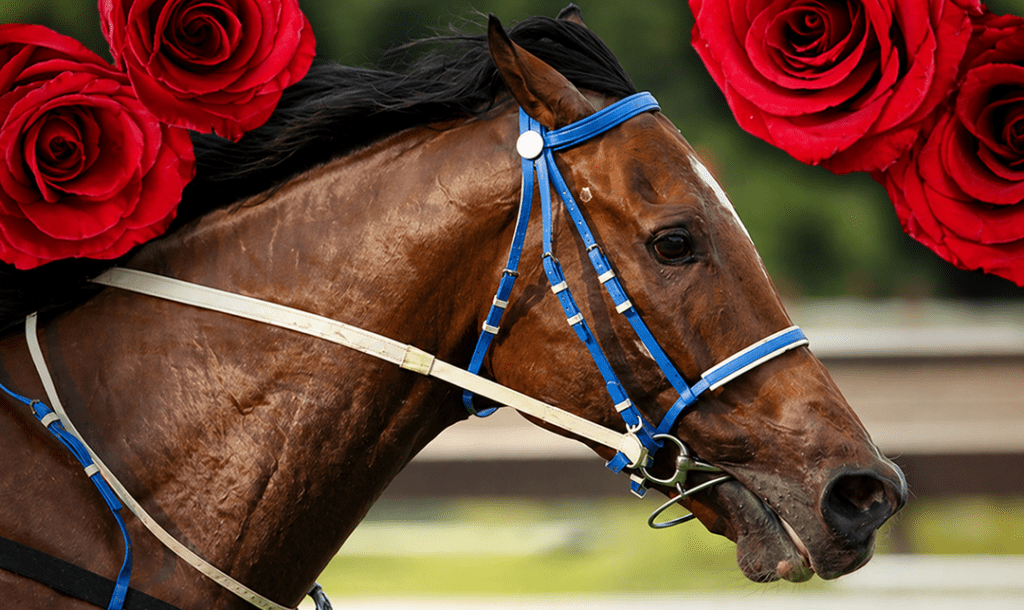
The Kentucky Derby is more than a historic sporting event—it’s a high-volume betting market shaped by unique dynamics that differ significantly from traditional sports wagering. For both newcomers and experienced bettors, understanding these fundamentals is essential to making informed, disciplined decisions on race day.
Understanding the Pari-Mutuel Betting System
Unlike fixed-odds sports betting, the Kentucky Derby operates under a pari-mutuel wagering system, where all bets of a particular type are pooled together. After the track deducts its commission—commonly referred to as the “takeout”—the remaining pool is distributed among winning bettors.
This structure introduces two key variables. First, odds are not fixed at the time of your wager. Instead, they fluctuate continuously based on betting volume. Second, value is determined by market behavior rather than bookmaker pricing, meaning inefficiencies can emerge—especially in a race with heavy public participation.
Core Bet Types Every Bettor Should Know
The Kentucky Derby offers a wide spectrum of betting options, but most wagers fall into two primary categories: straight bets and exotic bets. Understanding the mechanics and risk profile of each is critical.
Straight Bets: Simplicity and Lower Variance
Straight wagers are the most accessible and commonly used betting types. They include:
| Bet Type | Objective | Difficulty | Typical Payout Profile |
|---|---|---|---|
| Win | Horse finishes 1st | Moderate | Moderate |
| Place | Horse finishes 1st or 2nd | Lower | Lower |
| Show | Horse finishes top 3 | Lowest | Lowest |
These bets are often used as risk-controlled entries into the market. While payouts are smaller, they provide more predictable outcomes compared to exotic wagers.
Exotic Bets: Higher Risk, Higher Reward
Exotic wagers involve predicting multiple finishing positions in exact order or combination. These include:
| Bet Type | Objective | Complexity | Payout Potential |
|---|---|---|---|
| Exacta | Pick 1st and 2nd in order | Medium | High |
| Trifecta | Pick 1st, 2nd, 3rd in order | High | Very High |
| Superfecta | Pick top 4 in order | Very High | Extremely High |
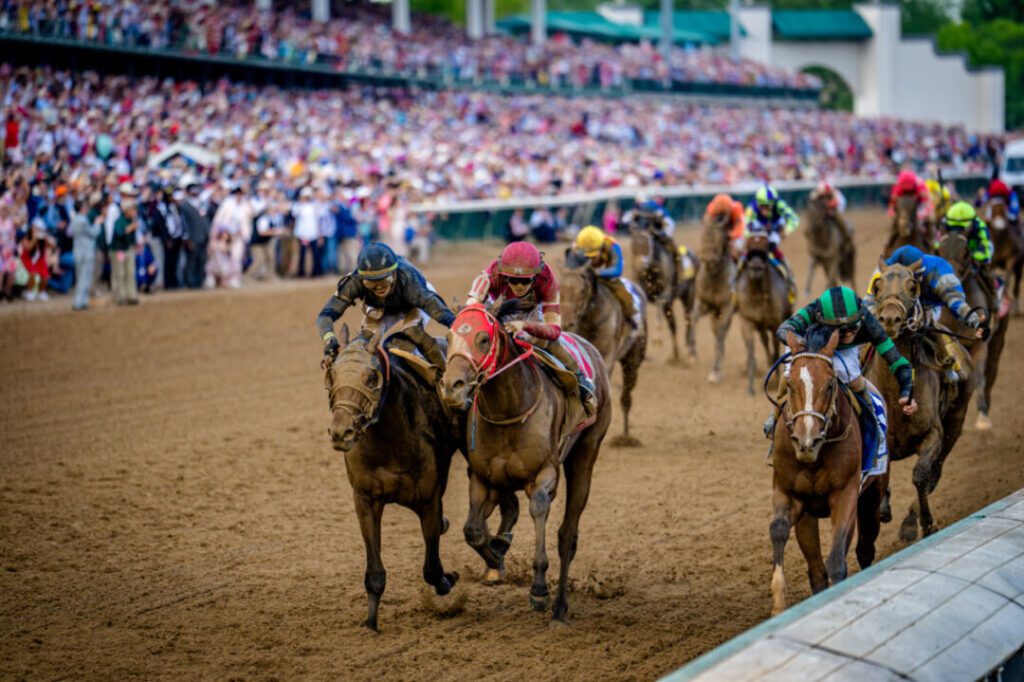
Because of the 20-horse field, exotic bets in the Derby can produce substantial payouts—but they also introduce significant combinatorial complexity. Structuring these bets efficiently is a core skill.
Market Behavior and Odds Volatility
One of the defining characteristics of Derby betting is late-stage odds movement. Public money tends to concentrate on highly visible contenders—often driven by media coverage, jockey reputation, and recent performance narratives.
This creates two strategic opportunities. First, overbet favorites can offer limited value relative to their implied probability. Second, less popular horses may present overlay opportunities, where the odds exceed their realistic chances of winning.
Monitoring the tote board in the final minutes before post time is essential. Sharp bettors often wait until late in the cycle to identify price inefficiencies before committing capital.
Bankroll Management and Risk Allocation
Even with strong handicapping, the Kentucky Derby remains a high-variance event. A disciplined bankroll strategy is therefore non-negotiable.
Rather than concentrating your entire stake on a single outcome, a more structured approach distributes risk across multiple bet types. For example:
- Allocate a portion to Win bets on value contenders
- Use smaller units for Exacta or Trifecta combinations
- Avoid overextending into complex wagers without coverage
This layered strategy helps balance capital preservation with upside exposure.
Building a Smarter Derby Betting Strategy
A successful Derby betting approach is not built on intuition alone—it requires synthesis of data, probability, and market awareness. Key variables include pace scenarios, post position, track conditions, and historical trends specific to three-year-old horses at this distance.
Incorporating these elements into a structured framework improves decision-making. For bettors looking to refine their approach further, exploring advanced concepts like pace analysis and value betting can provide a measurable edge.
Conclusion: Turning Knowledge Into Betting Discipline
The Kentucky Derby is as unpredictable as it is prestigious. With a full field of developing horses and intense public betting pressure, randomness plays a larger role than in most races. However, understanding the mechanics of pari-mutuel wagering, recognizing market inefficiencies, and applying disciplined bankroll management can significantly improve long-term outcomes.
Ultimately, betting the Derby is not about chasing a single winner—it’s about making calculated decisions within a volatile market environment.