
Wednesday Horse Racing Best Bets: Delaware Park And Horseshoe Indianapolis Value Plays
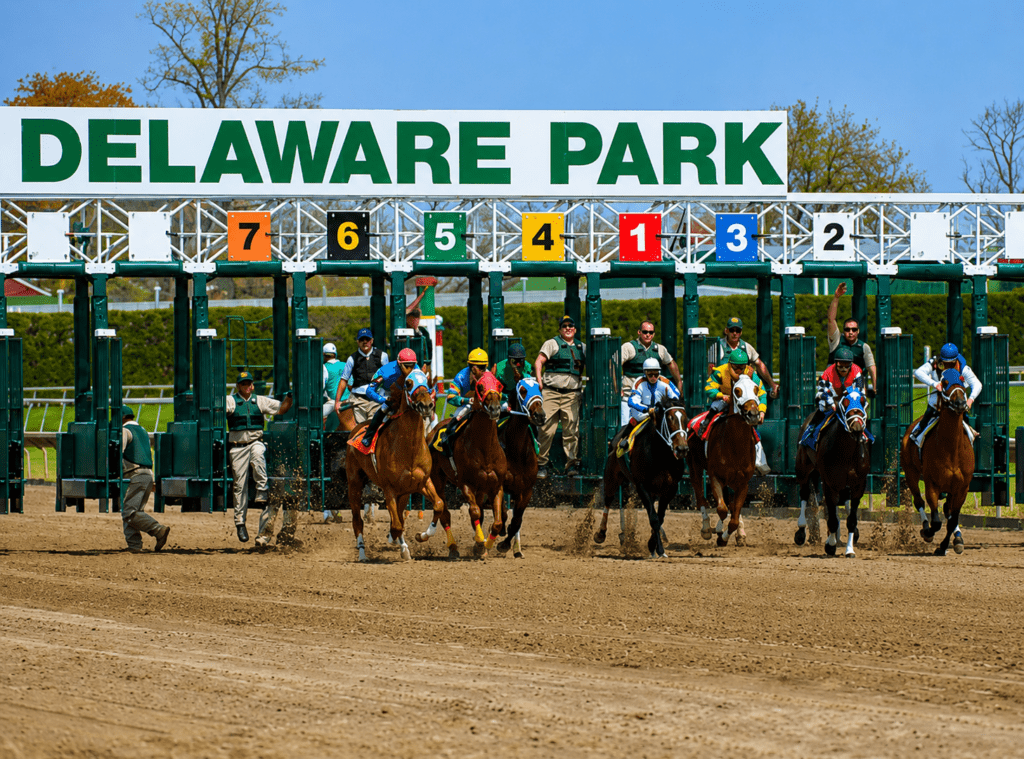
Wednesday Horse Racing Best Bets have a different feel when the card is not built around a national Grade 1 but around usable prices, specific race shapes, and midweek opportunities that can get overlooked. The May 13 slate gives U.S. bettors a clean handicapping lane through Delaware Park and Horseshoe Indianapolis, where a first-time starter, a local specialist, and a short-priced turf runner create three very different betting decisions.
Wednesday Horse Racing Best Bets Start With Market Discipline
The best midweek racing article is not a parade of picks. It should separate a playable opinion from a horse that simply looks interesting on paper. That difference matters because Wednesday cards draw less casual attention than weekend stakes programs, yet they can still produce real value when the conditions, trainer patterns, and race setup point in the same direction.
The phrase “best bet” can be dangerous when it sounds too absolute. I prefer to treat it as a confidence ranking, not a guarantee. A strong play has a price, a reason, and a wagering structure that matches the risk. A horse can be talented and still be a poor bet if the public has crushed the odds; another can be imperfect and still offer upside if the market leaves room. This is why many sharp bettors turn to the best offshore sportsbooks, seeking not just the best odds but also a broader marketplace where market inefficiencies and value opportunities are easier to identify.
That is why this Delaware Park and Horseshoe Indianapolis card is useful. It gives bettors three examples: a debut filly with pedigree appeal, a 6-1 mare with a deep local record, and a likely favorite whose class drop makes her logical but not especially generous. Those are not the same bet. They require different judgment and different strategy.
For readers building a same-day card, the current Wednesday Horse Racing Best Bets board is a natural planning point because it frames the action around Delaware Park Race 6 and Horseshoe Indianapolis Races 9 and 10. The better question is how to turn that information into a betting plan.
Why Delaware Park And Horseshoe Indianapolis Fit The Angle
Delaware Park and Horseshoe Indianapolis ask handicappers to care about details weekend bettors skip: shipping intent, local affinity, trainer-jockey combinations, class placement, and whether a horse is being spotted for confidence. Those details create edge when the public is casual.
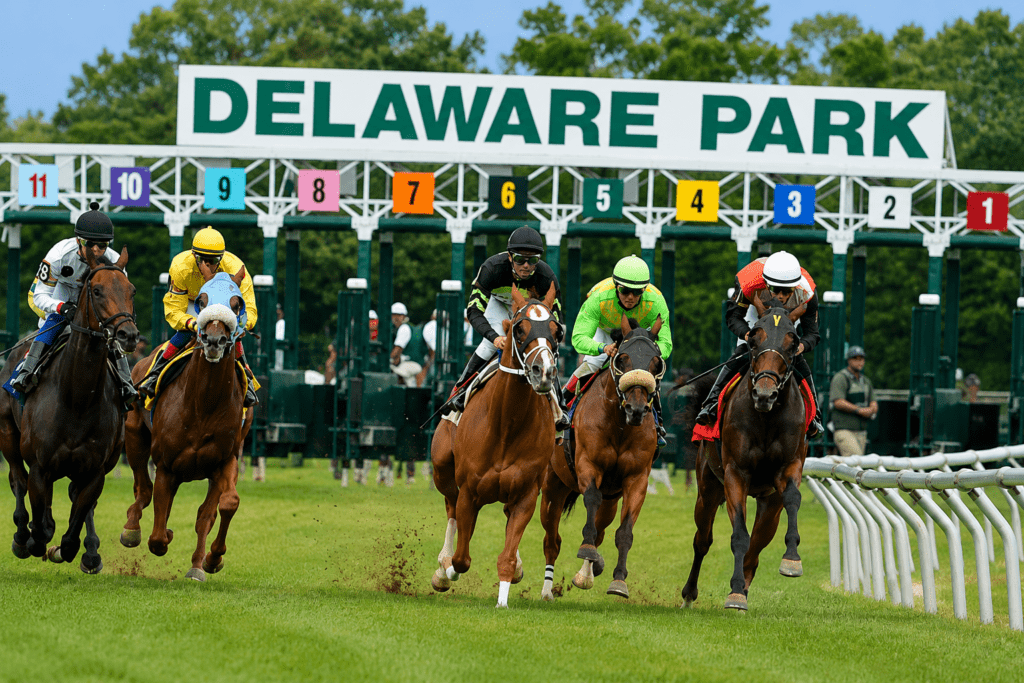
At Delaware Park, Race 6 is a six-furlong dirt maiden special weight for fillies. The central question is whether #4 Beauxbatons can win first time out at a 3-1 morning line. Debut runners demand caution because the public only has workouts, connections, pedigree, and placement to judge. The absence of race experience creates uncertainty, but it also creates opportunity when the signals are coherent.
At Horseshoe Indianapolis, Race 9 is the Corningstone Handicap at six furlongs on dirt. #3 Ekati Flatter is the eye-catching 6-1 option because she owns a long history of hitting the board over the local surface. That kind of course record does not make a horse automatic, but it does give the wager a foundation. Familiar surroundings can create confidence when other contenders are less proven under the exact conditions.
Race 10 then shifts to five furlongs on turf, where #7 Amani’s Music brings a different profile. She is not a longshot. She is the short-priced type who may be the most likely winner while still requiring smart ticket construction. I would rather use that kind of horse as a vertical key or multi-race anchor than pretend the win price alone is enough to excite sharp bettors. The issue is structure.
The Three Main Betting Decisions
| Race | Horse | Morning Line | Core Angle | Best Use |
| Delaware Park Race 6 | Beauxbatons | 3-1 | Debut filly with speed-oriented pedigree and useful works | Win bet if price holds |
| Horseshoe Indianapolis Race 9 | Ekati Flatter | 6-1 | Local specialist with strong course record | Win bet and double starter |
| Horseshoe Indianapolis Race 10 | Amani’s Music | 7-5 | Class relief after competitive Keeneland turf try | Exacta key or double closer |
The table helps clarify the card because each horse solves a different betting problem. Beauxbatons is about projecting ability before the public has hard race evidence. Ekati Flatter is about rewarding local proof at a price. Amani’s Music is about accepting a logical favorite without becoming lazy about payout discipline.
Many bettors lose money not because they identify the wrong horse, but because they use the right horse in the wrong way. A 7-5 favorite might deserve to win, yet a straight win bet can still be thin. A 6-1 mare might lose more often than she wins, yet she can be the more attractive proposition if the probability is being underestimated. That is bankroll thinking.
Beauxbatons Gives Delaware Park A Debut Angle
Beauxbatons is the most interesting Delaware Park play because she forces the handicapper to interpret intent. An unraced three-year-old filly shipping from Kentucky for a six-furlong maiden special weight is not automatically live, but the setup makes sense. The workout pattern gives the public enough to evaluate, and the pedigree suggests the kind of early speed that can matter at this distance.
Her sire line through Beau Liam and the Into Mischief connection on the dam’s side create a plausible sprint profile. Pedigree should never be treated as destiny, especially with a first-time starter, but it can help explain why a debut horse is placed in a sprint rather than stretched into a route. The family profile adds context to the trainer placement, while the recent Ted Noffey spotlight offers useful bloodline context around Into Mischief’s ongoing impact.
This is where I want restraint. A firster at 3-1 is not some hidden monster if the entire market can see the same clues. The price must hold. If she drifts upward, the bet becomes more appealing. If she gets hammered below fair value, the angle loses its edge. Talent and price are separate variables.
The smarter way to approach Beauxbatons is to build a win opinion around price tolerance. At 3-1, she is playable. Below that, I would become more demanding. I do not want to overpay for a story that has not yet been tested in the afternoon. That is where patience matters.
Ekati Flatter Is The Value Center Of The Card
Ekati Flatter is the reason this card has a stronger betting hook. A 6-1 morning line on a mare who has hit the trifecta in 17 of 25 starts at Horseshoe Indianapolis gives the handicapper something tangible. That is not vague back-class talk. It is local evidence, repeated over time, in the environment where she will compete again.
Her season-opening win in the Merrill C. Roberts Handicap also keeps the profile current. She defeated Hot Middles by a half-length, and Hot Middles returned to win an allowance next out. That form line matters because it gives the prior race some validation. A good-looking win is more useful when another runner exits it and confirms the race had substance.
The rider-trainer combination adds another layer. Fernando De La Cruz and Randy Klopp have been operating at a strong recent clip together, which supports the idea that this is not merely a nostalgic play on an old local favorite. Connections matter most when they reinforce other factors. Here, they reinforce form, surface preference, and placement. That creates a cleaner signal.
Still, a 6-1 price comes with trade-offs. Ekati Flatter is not priced like an obvious standout. She is priced like a horse with a legitimate path and enough questions to keep the market honest. If she breaks cleanly and sits close enough to avoid being pace-compromised, she can win without needing chaos. That makes her the best value proposition on the card.
How I Would Bet The Corningstone Handicap
The Corningstone Handicap is where the card becomes more than a basic picks column. Ekati Flatter can be played straight to win, but she also works as the opening leg of a small double into Amani’s Music in Race 10. That pairing makes sense because it joins value with probability: a 6-1 opinion first, then a logical shorter-priced horse in the next race. It gives the ticket shape.
I like that sequencing. Too many bettors build multi-race wagers by stacking obvious favorites and then wondering why the payout is poor. A better approach is to start with the horse that can create separation. Ekati Flatter offers that leverage. If she wins at or near her morning-line price, the double becomes more interesting because many casual tickets may not be built around her.
I would not get reckless with exotics, though. Werk It Wendy and Hot Middles both deserve respect in the same race, which makes a narrow all-or-nothing stance less appealing. The win bet is cleaner. The double is a controlled extension. Good wagering requires restraint and selectivity.
The key is resisting the emotional pull of the 6-1 number. A price is useful only when it attaches to a realistic win scenario. Ekati Flatter has one because she likes the track, enters with current form, and returns in a spot where her experience matters. That is the kind of midweek profile I want: practical and credible.
Amani’s Music Is Logical, But The Price Is The Problem
Amani’s Music may be the most likely winner among the three featured horses, yet she is also the most delicate betting proposition. Her 7-5 morning line reflects a filly who ran respectably in her turf debut at Keeneland, pressed an honest pace, and finished only two lengths behind in an 11-horse maiden special weight. Moving into a softer-looking Horseshoe Indianapolis race makes her obvious, which lowers the reward.
Brad Cox’s strength with second-time turf starters adds to the case. This is the kind of profile the public usually handles correctly. She has the class, the trainer, the recency, and the race shape to attract attention. If she wins, nobody should be surprised. The challenge is whether she creates enough return for the risk.
That is why I prefer using Amani’s Music as a key rather than making her the entire investment. A straight exacta with #3 La Puma underneath is one way to express the opinion without leaning solely on a short win price. She can also close the double that begins with Ekati Flatter. In both cases, the idea is to use her reliability to finish a wager that has already created value elsewhere. That gives the ticket better balance.
How To Handle Race-Day Updates
Same-day betting demands flexibility. Entries, scratches, track condition, weather, and tote movement can all change the value of a pick. A horse who looked playable at 6-1 in the morning can become unattractive at 3-1. A turf race can change complexion if conditions shift. A scratch can remove speed and hand another runner an easier trip. Live information creates pressure.
That is why I like checking the official Horseshoe Indianapolis race card before committing to a final ticket. It is not enough to read a morning opinion and walk away. Bettors need to confirm that the race they handicap is still the race being run. Small changes can have real impact.
For Delaware Park Race 6, I would pay close attention to tote action around Beauxbatons. First-time starters often reveal more through market behavior than casual players admit. For Horseshoe Indianapolis Race 9, I would watch whether Ekati Flatter holds near 6-1 or gets bet down aggressively. For Race 10, I would monitor whether Amani’s Music becomes too short to justify anything beyond multi-race use. Those checks protect capital.
The point is not to chase every late movement. The point is to define the acceptable range before the race. That prevents panic betting, one of the quiet killers of bankroll management. Decide the price you need, wait for the board, and accept that some good opinions become passes. Passing is not weakness. It is discipline.
The Best Betting Plan For The May 13 Card
My preferred card structure is straightforward. Beauxbatons is a win play if the price holds close to 3-1 or better. Ekati Flatter is the primary value play at 6-1 and the horse I would most want to be right about. Amani’s Music is a logical closer for a double and a key over La Puma in a small exacta, but I would avoid overcommitting at a short win price. That is basic protection.
The race with the most betting appeal is the Corningstone Handicap. Ekati Flatter’s local record, current form, and connections create the strongest blend of price and substance. That does not make her safe. It makes her playable. There is a difference, and that difference is where good handicapping lives. The right approach keeps confidence separate from certainty.
A useful plan might look like this: keep the Delaware Park win bet conditional on price, make Ekati Flatter the day’s main win opinion, and use Amani’s Music to complete targeted vertical or multi-race tickets. The structure is simple because the card does not need to be over-engineered. The goal is not action. The goal is execution.
Wednesday Horse Racing Best Bets matter today because they show how real wagering decisions are made away from the biggest stages. Delaware Park gives bettors a debut puzzle, Horseshoe Indianapolis offers a legitimate 6-1 local specialist, and the late-card favorite forces a price-versus-probability decision. If the prices cooperate, there is enough here to bet. If they do not, the best play may be the one you are disciplined enough to skip.