
York Dante Festival Betting: Why Today’s Card Looks Built For Value Hunters
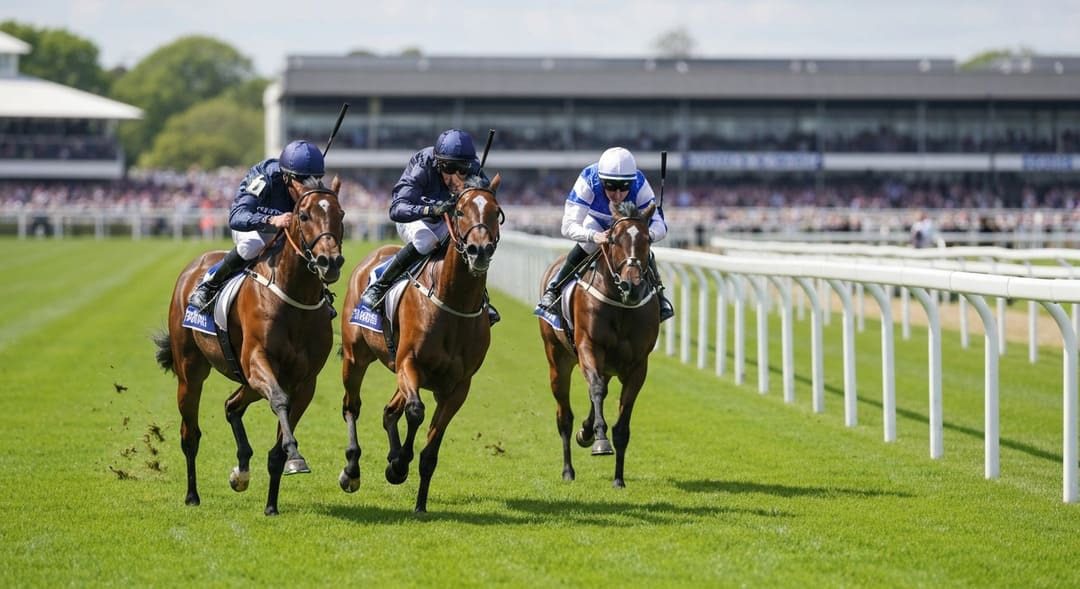
York Dante Festival Betting moved quickly today because this was not a quiet midweek card dressed up with a famous name; it was a proper Knavesmire test where price, draw, pace, and timing all mattered. Big Mojo pulled attention into the Group 2 Minster Stakes conversation, Elmonjed gave value hunters the stronger argument, and the Placepot added another layer of strategy for bettors who wanted more than a simple ticket.
Why York Dante Festival Betting Became Today’s Main Racing Angle
The opening day at York always has a different texture from ordinary weekday racing. The fields are deeper, the market is sharper, and the form lines are good enough to punish lazy opinions. That is why York Dante Festival Betting works as a proper editorial angle today. It is about reading a card where a proven sprinter, a course-loving price, and a major pool bet all pushed bettors toward judgment and patience.
The Minster Stakes gave the day its obvious center. Big Mojo had the profile casual bettors understand immediately: Group 1-level back form, name recognition, a first-time-out angle, and enough quality to make promotional markets attractive. Elmonjed brought the more interesting betting discussion. He had York form, a trainer in rhythm, and a setup that made his bigger price feel less speculative than it first looked. That difference is the entire value conversation—a distinction experienced bettors are quick to explore at the best offshore sportsbooks, where diverse markets and sharper odds allow for a more nuanced approach to finding true value beyond just surface credentials.
For bettors following same-day tip movement and race-by-race opinion, York Dante Festival Betting became a useful search lane because the card had several angles at once: each-way selections, Placepot combinations, course specialists, and a headline sprint that invited disagreement. A race day like this rewards discipline, not noise.
What Made Today’s York Card More Than A Tips Column
The mistake with a meeting like this is treating it as a list of isolated picks. York demands a wider view. The straight track can create positional questions, the ground can change the complexion of a sprint, and big-field handicaps can turn one apparent form edge into a tactical problem. A horse may be “the right horse” and still be the wrong bet if the price collapses or the race shape becomes less favorable.
That is why the opening day felt so useful for betting analysis. Big Mojo tested how much public confidence should be placed in recognizable class. Elmonjed tested whether local evidence and race setup could beat the more obvious market stories. The Placepot tested restraint.
Good betting content should help the reader separate opinion from action. A horse can be admired without being backed. A favorite can be respected without being forced into every ticket. A longshot can be interesting without becoming a reckless play. The York card mattered because it forced bettors to think about risk before they thought about return.
The Main York Betting Angles At A Glance
| Betting Angle | Why It Mattered Today | Smarter Betting Read |
| Big Mojo in the Minster Stakes | Proven class and public appeal made him a natural talking point | Better as a structured bet than a blind win play |
| Elmonjed at a bigger price | Strong York profile and suitable setup gave him genuine value appeal | The sharper win-and-each-way conversation |
| Placepot strategy | Deep fields made survival as important as finding winners | Spread where chaos was likely, narrow where confidence was real |
| Straight-track draw | Position and race grouping shaped how the sprint races developed | Watch early results before overcommitting |
| Musidora Stakes | Classic clues gave the card wider significance | Treat future-market moves carefully |
A table helps because today’s York card was a cluster of betting problems. The public-friendly runner, the value alternative, the pool-betting approach, and the draw question all required different thinking. That is the kind of card where clarity and structure matter.
Big Mojo Was The Public-Friendly Puzzle
Big Mojo made sense as the horse many bettors wanted to discuss. He had already shown high-level ability, and a Group 2 sprint at York gave him a stage that matched his profile. A horse like that naturally attracts attention because bettors can see the class, remember the reputation, and imagine the upside if he returns in sharp condition.
But that is exactly where the market can become tricky. Recognizable class is not the same thing as betting value. Big Mojo’s appeal was easy to understand, which meant the price was always vulnerable to attention. Once a horse becomes a promotional focus or a popular talking point, bettors have to ask whether they are buying ability or paying for familiarity.
York Dante Festival Betting, race also showed why finishing-position markets and win bets are different products. A horse can be logical for a top-five style angle and still be less attractive as a win proposition. That distinction matters because modern racing betting is not just win, place, and each-way anymore. Props, boosts, multiples, and pool bets all require separate pricing logic and clear limits.
The more experienced view was to respect Big Mojo without letting him dominate the card. He was a legitimate player, but not the only story. When the focus becomes too narrow, bettors miss the better angle sitting nearby. That is where Elmonjed entered the discussion with more substance and appeal than casual readers may have expected.
Elmonjed Gave Value Hunters The Cleaner Argument
Elmonjed was the more compelling betting lesson because his case was built on factors sharper bettors tend to respect: course affinity, stable intent, rider quality, and a race setup that gave him a path to deliver. He was not hidden, but he was not being discussed with the same promotional simplicity as Big Mojo. That difference created opportunity.
A bigger price only matters if there is a credible reason the market may be underrating the horse. Elmonjed had that. York form is not cosmetic at a meeting like this. Some horses handle the Knavesmire’s rhythm, long straight, and pace demands better than others. When a runner has already suggested comfort at the track, that deserves context.
The result reinforced the point. Elmonjed won the Minster Stakes at 8-1, beating Kind Of Blue, while Big Mojo could not turn his profile into a winning challenge. The best betting angle is often the one where price and suitability meet before the result confirms it. The winner had signal behind him.
For anyone following live updates, going changes, and late market movement, York Dante Festival market movers became especially important because the day was not static. Rain, withdrawals, draw clues, and shifting confidence all affected the way each race should be read. That fluidity is part of the challenge and edge.
Why Placepot Strategy Deserved Real Attention
The Placepot angle mattered because York’s opening day was built for more than straight win bets. Pool betting changes the handicapper’s job. Instead of simply asking which horse is most likely to win, the bettor asks where survival is more realistic than victory. That sounds similar, but it creates a different mindset.
A good Placepot approach is not about covering every danger. That becomes expensive and usually inefficient. The trick is knowing where to trust a strong opinion and where to accept the race is messy enough to demand insurance. On a card like York, big fields and competitive sprints make that balance harder. The wrong wide leg can drain the bankroll.
This is where Big Mojo and Elmonjed created a useful contrast. A public-friendly horse may help tickets survive if used correctly, but a value horse can create separation if others underuse him. The Placepot bettor has to think not only about probability but also about crowd behavior. Where is the best chance to gain leverage?
Pool betting rewards anticipation. If the first few races show that one side of the track is advantaged, or that the ground is riding slower than expected, the bettor who adapts has an edge over the bettor who treats morning opinions as permanent. That adaptation matters. That is why Placepot strategy belongs in the center of this card. It is a practical test of execution.
Draw, Ground And Pace Were Not Small Details
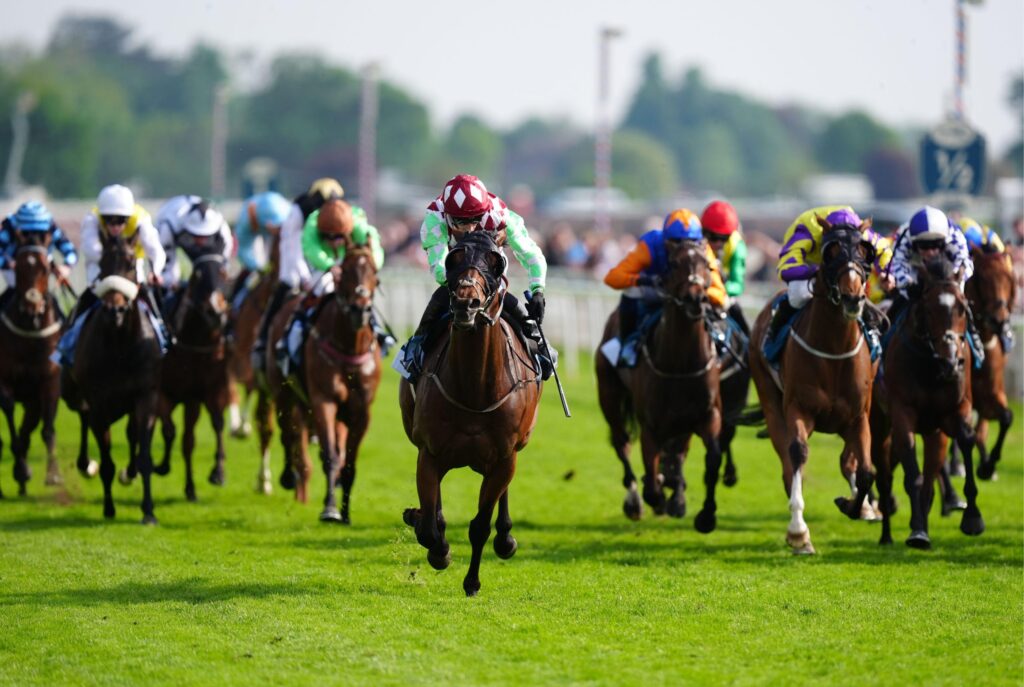
York’s straight-track races can look simple on paper and complicated in motion. When horses split into groups, the race may not unfold as one clean contest. A runner can be traveling well in the wrong part of the track. Another can inherit an advantage by being near the stronger pace or better ground. That creates tension between form analysis and race-day observation.
Today’s early evidence made that point clear. The far-side rail appeared influential in parts of the card, and the rain gave bettors another variable to consider. That does not mean every race should be reduced to draw bias. Bias talk can become lazy if repeated without judgment. But ignoring visible race-day patterns is just as dangerous. The bettor’s job is to balance evidence with caution.
Pace mattered too. In six-furlong races, a horse’s ability to hold position without burning too much energy can define the outcome. Prominent racers may get first run. Closers may need the leaders to come back. A horse drawn near the right pace cluster can look better than a horse with superior overall form stuck in a less helpful part of the race.
This is why York is such a strong betting venue for thoughtful players. It gives you enough information to work with, but not so much certainty that the market becomes easy. Every clue has to be weighed. The goal is not to be dramatic. The goal is to find balance and truth.
How Bettors Should Treat Same-Day Racing Content
Same-day racing coverage is valuable, but only when readers understand what it is for. A tip is not a command. A market move is not a guarantee. A popular horse is not automatically overbet, and a bigger price is not automatically smart. The bettor still has to apply judgment.
The best use of racing content is to build a shortlist, then test each idea against price and conditions. Did the ground change? Are there non-runners? Has the draw shown a pattern? Has the market moved so far that the original value is gone? Those questions turn content into process rather than passive consumption.
For readers who want broader racing context beyond one card, independent racing coverage can help keep major betting conversations connected to horse welfare, industry culture, and the sport’s wider ecosystem. That wider lens matters because serious racing analysis should never be reduced to odds alone. The best bettors understand context.
A responsible betting approach also means knowing when to stop. A card can be attractive without demanding action in every race. The York opening day had enough depth to tempt aggressive staking, but selectivity remains the better long-term habit. Good bettors are comfortable passing. They know that patience protects capital.
The Value-Hunter’s Lesson From Today
The lesson from York is straightforward: the most obvious horse is not always the best betting horse. Big Mojo had the profile, but Elmonjed had the cleaner value argument. That does not mean every bigger price should be chased. It means the bettor should look for the place where price, conditions, and race shape create a stronger combined case than popularity.
Elmonjed’s win gave today’s card a neat storyline, but the bigger lesson is not result worship. One winning value play does not validate every outsider, just as one beaten popular horse does not invalidate all class horses. The useful takeaway is more durable: a serious bettor must keep separating profile from price, reputation from suitability, and confidence from certainty.
That approach applies beyond the Minster Stakes. The Musidora Stakes added future-market relevance, the handicaps exposed draw and pace questions, and the Placepot forced bettors to think about survival rather than simply picking winners. York’s opening day gave the kind of layered card that makes racing intellectually appealing and financially dangerous at the same time. That combination requires restraint.
What Bettors Should Think About Next
The Dante Festival still has more to offer, and today’s lessons should carry into the rest of the meeting. Watch how the track plays. Watch whether the market overreacts to early draw clues. Watch whether familiar names become too short because bettors want comfort rather than value. The opportunity is not in having more opinions. It is in having better filters.
For tomorrow and the remaining festival races, the sharpest bettors will not simply chase whatever won today. They will ask which clues are transferable. Did the ground make a lasting difference? Was the far-side strength race-specific or broader? Did certain stables signal strong form? Did the market miss a course specialist because another horse had a cleaner headline? Those questions build confidence.
York Dante Festival Betting matters today because it showed why the best racing cards are never just about picking the most famous horse. Big Mojo gave the market its public hook, Elmonjed gave value hunters their payoff, and the Placepot reminded bettors that structure can matter as much as selection. The forward-looking lesson is clear: at York, the smartest play is not always the loudest one, and the best edge often begins where the obvious story ends.