
Trainer Stephen Meyer dies after being kicked by his horse in Scone race day tragedy
Stephen Meyer died after being kicked by Danza In The Dark during the Scone racing carnival in New South Wales. The incident occurred before the gelding’s race, turning what should have been a competitive country racing moment into a story of grief, shock, and reflection. Meyer was treated after the incident but later died from his injuries. The public facts are limited, but they are enough to show why the loss has landed so deeply across the sport.
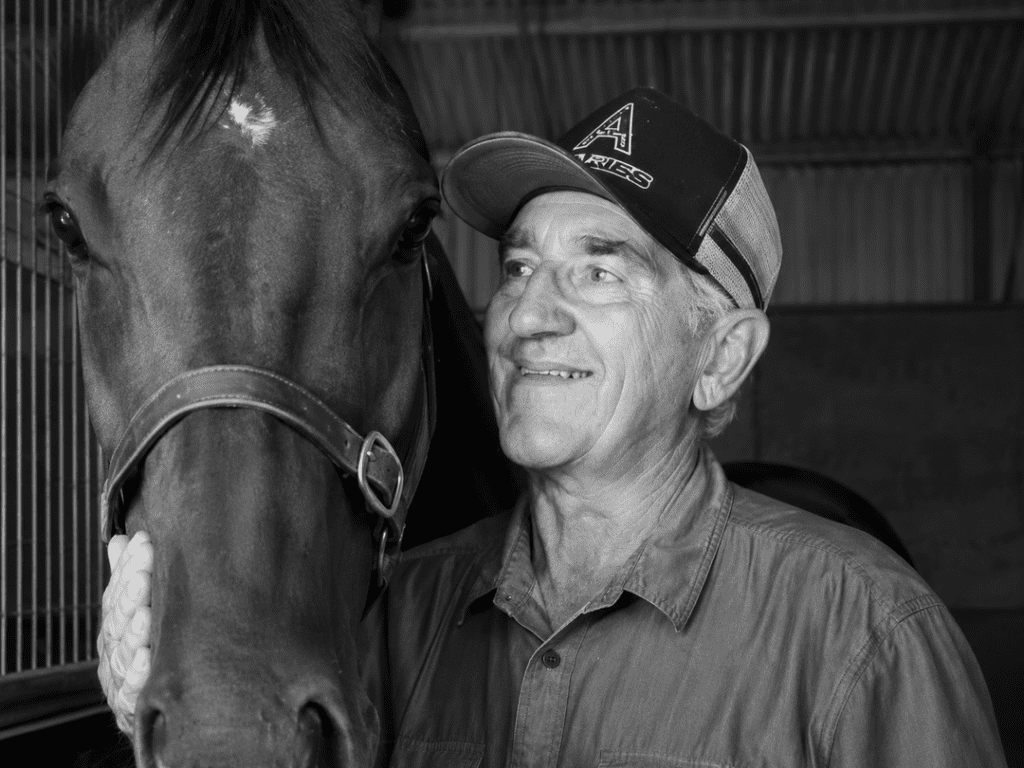
Meyer was not a large-scale commercial trainer chasing national attention every weekend. He was a country horseman whose racing identity was closely tied to one runner. That is part of what gives the Stephen Meyer Scone tragedy such weight. It is a story about devotion as much as danger.
Racing often sells itself through spectacle: the field, the market, the finish, the winner. Yet behind every race is a working world of trainers, handlers, strappers, farriers, veterinarians, officials, and stable staff managing powerful animals under pressure. The public sees the final performance. The people inside the sport know the risk begins long before the barriers open.
Why Meyer’s Story Resonates Beyond One Racecourse
The sadness around Meyer’s death comes partly from scale. In racing, small operations often carry the most personal stories. A trainer with one central horse does not experience the sport as a business portfolio. The horse is a daily responsibility, a financial commitment, a source of hope, and often a companion through long stretches of quiet work.
Danza In The Dark was more than a name in Meyer’s stable. Public racing records show the gelding gave Meyer his notable wins, including the 2024 Walcha Cup and Quirindi Cup. Those victories mattered because they showed how a modest country operation could still create genuine racing meaning.
That is why the tragedy feels personal even to people who never knew Meyer. Racing people understand the relationship between a small trainer and a stable horse. They understand the early mornings, the transport, the setbacks, the expenses, the waiting, and the pride that comes when a horse rewards years of care. That bond creates loyalty.
Horses, Jockeys, And Meyer’s Key Racing Wins
The available public record connects Meyer’s training career closely with Danza In The Dark. The table below gives readers a clearer view of the horse, the rider connections, and the wins most relevant to Meyer’s story.
| Horse | Trainer | Jockey / Rider | Wins Or Key Result | Why It Matters |
|---|---|---|---|---|
| Danza In The Dark | Stephen Meyer | Cobi Vitler | 2024 Walcha Cup winner | One of Meyer’s most notable country racing victories. |
| Danza In The Dark | Stephen Meyer | Cobi Vitler | 2024 Quirindi Cup winner | Completed a memorable country cup double for Meyer and his stable star. |
| Danza In The Dark | Stephen Meyer | Jarrod Woodhouse | Tamworth Benchmark 66 winner, Dec. 24, 2023 | Helped build the gelding’s strong country-racing profile. |
| Danza In The Dark | Stephen Meyer | Various jockeys | Six career wins for Meyer, all with Danza In The Dark | Shows how closely Meyer’s training record was tied to one horse. |
| Danza In The Dark | Stephen Meyer | Rory Hutchings | Scone runner on the day of the tragedy | Adds race-day context without overstating the incident. |
The table is important because it prevents Meyer’s story from being reduced only to the accident. His racing life had shape, rhythm, and achievement. He trained a horse who won meaningful country races and gave a small stable a reason to keep believing in the next start. That context gives the loss more depth.
The Demands Of Working Around Thoroughbreds
Thoroughbreds are magnificent athletes, but they are also large, reactive animals. Their speed, strength, sensitivity, and alertness make racing possible. Those same qualities create danger for the people who handle them every day. Good horsemanship reduces exposure, but it cannot remove every hazard.
A race-fit horse can cause catastrophic injury with a sudden kick. That does not make the animal malicious. Horses react through instinct, pressure, fear, discomfort, surprise, or confusion. The industry’s challenge is to manage those reactions through space, skill, handling protocols, communication, and constant awareness.
The Scone incident also highlights a difficult truth: danger is not limited to dramatic race falls or high-speed collisions. It can appear during saddling, walking, tying up, washing down, floating, or preparing a horse before a race. These are routine tasks, which is exactly why they require discipline.
Race day intensifies everything. Horses are transported into busy environments. Noise, other runners, unfamiliar movement, equipment adjustments, and pre-race tension can all affect behavior. Experienced horse people read those signs constantly, but even experienced judgment has limits. That reality should produce humility, not blame.
What The Tragedy Says About Country Racing
Country racing depends on people like Meyer. The biggest headlines usually belong to elite trainers, metropolitan winners, expensive yearlings, and major carnivals. But the emotional fabric of the sport is held together by smaller operators who keep regional racing alive.
These trainers often work with fewer resources and less staff support than major stables. They may know their horses intimately, but they also carry more of the day-to-day burden themselves. That creates admirable independence, but it can also expose the limits of small-scale racing’s support systems. The issue is not just personal toughness. It is structure.
When something goes wrong at a race meeting, the question should never be only whether one person acted correctly. The broader questions are just as important. Were the spaces safe enough? Was there enough support? Were emergency procedures clear? Was the working environment crowded, rushed, or difficult? Those questions require clarity.
Readers who follow form, markets, and race-day angles should remember that every horse in a field is backed by a human network. A broader view of practical racing analysis becomes more complete when it includes the people behind the runner, not just the price beside the name.
Safety Must Stay Bigger Than The Schedule
Race meetings run on timing. Horses need to parade, jockeys need to mount, officials need to manage the program, broadcasters need continuity, and punters expect markets to move. That timing pressure is part of the sport. But safety must always sit above the schedule as the central priority.
A fatal accident does not automatically prove a system failed. Racing involves animals, and animals carry unpredictability. Still, every serious incident deserves sober review. The goal should not be public blame. The goal should be learning, prevention, and practical accountability.
Emergency response matters, but prevention matters too. Racecourses need clear horse movement zones, practical handling support, accessible medical response, and communication systems that work under stress. Small trainers should not feel isolated when they arrive with a horse at a major meeting. The system should recognize where extra support may be needed before a moment becomes critical.
There is also a human aftercare issue. Witnesses, staff, jockeys, officials, and family members can carry trauma long after the race meeting ends. A serious safety culture does not treat an incident as finished once the program resumes. It considers the emotional aftermath as part of racing’s responsibility.
Remembering Meyer Without Simplifying The Loss
The hardest part of writing about a tragedy like this is avoiding easy conclusions. It would be too simple to say racing is dangerous and stop there. It would also be too simple to frame the story only as an unfortunate accident. The truth is more complicated. Racing is built on love for horses, but it also asks people to work close to danger every day.
Meyer’s connection with Danza In The Dark shows that complexity clearly. The same horse who gave him memorable wins was involved in the accident that ended his life. That fact is painful, but it should be handled with care. The horse should not be turned into a villain, and Meyer should not be remembered only through the manner of his death.
A fuller view recognizes a trainer who built a meaningful racing story around one gelding. It recognizes country racing’s dependence on people who work without glamour. It recognizes the risk behind the routine. It also recognizes that grief in racing is often shared by people who understand the job without needing every detail explained.
Public race records for the Danza In The Darkracehorse profile help frame the sporting side of the story, but numbers alone cannot capture what the horse meant to Meyer. Wins, starts, and form lines tell only part of the truth. The rest lives in the daily work that never appears in a result chart.
What Racing Should Take From The Stephen Meyer Scone Tragedy
The Stephen Meyer Scone tragedy should leave racing with more than sympathy. It should encourage a renewed look at how the sport protects the people who make every race possible. That does not mean pretending risk can be removed from working with thoroughbreds. It means taking practical safety, emergency planning, and small-stable support seriously.
The future of racing depends on public confidence, but it also depends on internal trust. Trainers, stable staff, and handlers need to know their work is valued, their safety is treated seriously, and their losses are not quickly absorbed into the next race card. That is the standard a mature sport should set for itself.
Meyer’s death matters now because it reminds racing that the human cost behind the spectacle is real. The best tribute is not only silence, sadness, or kind words. It is resolve to see the workers more clearly, review the systems more honestly, and treat every ordinary race day as something that demands respect. The Stephen Meyer Scone tragedy will remain painful, but it can also become a moment of reflection the industry should not waste.