
Epsom Derby 2026 Betting Odds Create New Pressure Around The Favorite
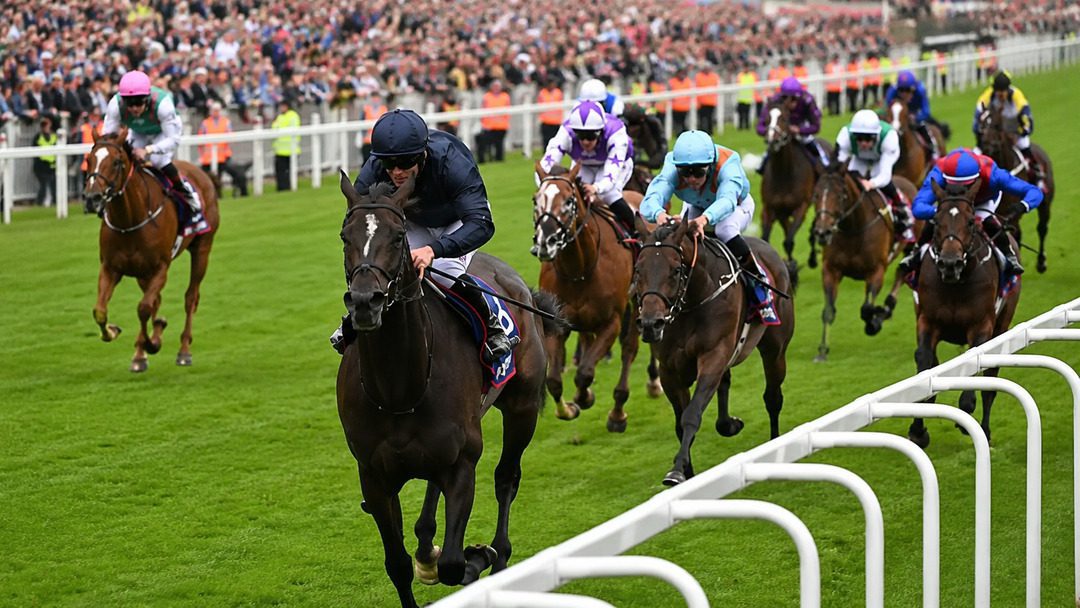
Epsom Derby 2026 odds have made the favorite impossible to ignore, but that does not make the race simple. When one horse becomes the center of the market this early and this loudly, the real story is not just who leads the betting — it is how much pressure that price creates for everyone reading it.
The Derby is never an ordinary favorite’s race. Epsom asks young horses to handle balance, stamina, traffic, noise, and a famously unusual track profile, all while the betting public tries to convert promise into certainty. The official Derby Festival schedule gives the event its formal shape, but the market creates a second contest before the gates open: who can separate true confidence from crowd momentum?
That is why this year’s favorite deserves a more cautious reading. The same kind of nervous market pattern has already appeared around major staying races, including the Derby Festival schedule and Royal Ascot betting pressure. A short price can reflect genuine class, but it can also compress doubt until bettors stop seeing it clearly.
Epsom Derby 2026 Odds Are Testing More Than Form
The appeal of a Derby favorite usually begins with a clean story. A highly regarded three-year-old arrives with reputation, pedigree, trial form, trainer confidence, or a visually persuasive performance that seems to separate him from the field. Bettors like clean stories because they reduce a complicated race into something easier to believe.
Epsom rarely rewards that kind of simplicity. A horse can look brilliant on a more conventional track and still find the Derby uncomfortable. The camber, descent, turn into the straight, and final climb all ask questions that do not always appear in prep races. That is why favorite risk becomes more important here than in many other elite Flat races.
The market pressure around the favorite is not necessarily a warning that the horse is weak. It is a warning that the price may be asking bettors to accept very little margin for error. In a race where three-year-olds are still developing, that margin matters.
The Favorite’s Price Can Become Its Own Problem
A short-priced Derby favorite changes the behavior of the entire betting market. Casual bettors often treat the leading horse as the safest answer. More experienced players start looking for where the favorite may be vulnerable. Bookmakers then adjust around that tension, and the race becomes less about pure form and more about interpretation.
That is where market pressure becomes visible. If a favorite keeps shortening despite genuine questions about trip, track, draw, ground, or race shape, the odds may be reflecting demand as much as certainty. A popular horse can become a crowded trade, especially when the story around him is easy to sell.
For bettors, the question is not simply, “Can the favorite win?” A better question is, “Does the price still pay fairly for the risks being accepted?” Those are very different calculations. A horse can be the most likely winner and still be poor value if the market has already removed the reward.
Where The Derby Can Expose A Short Price
The Derby is especially dangerous for overconfident betting because it combines prestige with uncertainty. Major races attract money from people who may not follow the full season closely. That extra attention can push recognizable names and obvious narratives into stronger market positions than their true chance deserves.
The favorite still has to prove the same things as every other runner. Can he relax early? Can he handle pressure before the turn? Can he quicken after conserving enough energy? Can he respond when another horse makes a move before the race has fully unfolded?
Here is a practical way to read the main market signals without treating the odds board as a prediction machine:
| Market Signal | What It May Mean | Betting Interpretation |
|---|---|---|
| Favorite shortens sharply | Public and bookmaker confidence is building | Check whether the price still reflects the actual risk |
| Rival holds firm in betting | Opposition is respected despite less attention | Could indicate a stronger alternative than headlines suggest |
| Late drift on the favorite | Confidence is softening close to the race | Look for track, ground, or paddock-related concerns |
| Each-way money spreads | Bettors see depth behind the leader | The race may be more competitive than the top price implies |
| Outsiders shorten late | Hidden confidence or changing conditions | Useful signal, but not proof of superiority |
The key is not to overreact to one movement. The smarter reading comes from connecting the move to the race conditions. A price change without a clear racing reason is noise. A price change that matches ground, draw, pace, or stable confidence deserves more attention.
Pace, Position, And Epsom’s Track Can Rewrite The Market
Derby betting often focuses on talent, but the race itself can turn on pace and position. A horse with the best engine still needs the right rhythm. If the early tempo becomes messy, if a runner pulls too hard, or if the field bunches at the wrong time, the favorite may be forced into a race he was not priced to run.
That is especially relevant at Epsom because the course does not give inexperienced horses much time to recover from small mistakes. Losing balance, meeting traffic, or being asked to quicken from an awkward position can turn a strong contender into a vulnerable one within seconds.
This is where bettors should resist the temptation to think only in rankings. The Derby is not a spreadsheet race. It is a live athletic test under pressure, and the best bet is not always the horse with the most obvious profile. Sometimes the better play is the runner whose style fits the likely shape of the race.
Bettors Should Separate Confidence From Discipline
A favorite-led market can encourage emotional betting. The more attention one horse receives, the more it feels like missing out becomes the risk. That is a poor foundation for any wager.
The better approach is price discipline. Bettors should decide what they believe a horse’s fair chance is before reacting to the public market. If the available price is shorter than that fair assessment, passing can be the strongest decision. If the price still leaves room for uncertainty, then the bet has a stronger case.
That discipline also includes bankroll control. Derby Day can create the feeling that one race deserves a bigger stake because it is prestigious. It does not. Anyone betting should understand the basics of safer play through the Gambling Commission’s safer gambling guidance, especially when high-profile events increase attention and emotion.
The Derby should be approached as a high-quality race, not a guaranteed opportunity. The more famous the event, the easier it is for bettors to confuse excitement with edge.
Late Signals May Matter More Than Early Hype
The final market before the race may reveal more than the early favorite narrative. Ground conditions, paddock behavior, jockey intent, and rival support can all reshape the meaning of the odds. A favorite who remains solid under late scrutiny is different from one who looks strong only because the public settled on him early.
That does not mean late movement is always smarter. Markets can overcorrect. But late market confidence often reflects sharper attention to the specific conditions of the day. Bettors who ignore those final signals may be relying on an old version of the race.
The most important development to monitor is whether the favorite’s price remains strong for racing reasons or simply because the name has become too dominant to oppose. If credible rivals continue to attract support, the story becomes less about one outstanding horse and more about whether the market has underestimated the field.
Epsom Derby 2026 odds have created a clear focal point, but the favorite’s pressure is also the bettor’s pressure. The winner may still be the obvious horse, but the smartest read of this Derby begins with doubt: not doubt for its own sake, but the kind that keeps a market honest when excitement tries to turn probability into certainty.