
Woodbine Greenwood Stakes Tests Racing Fan Growth
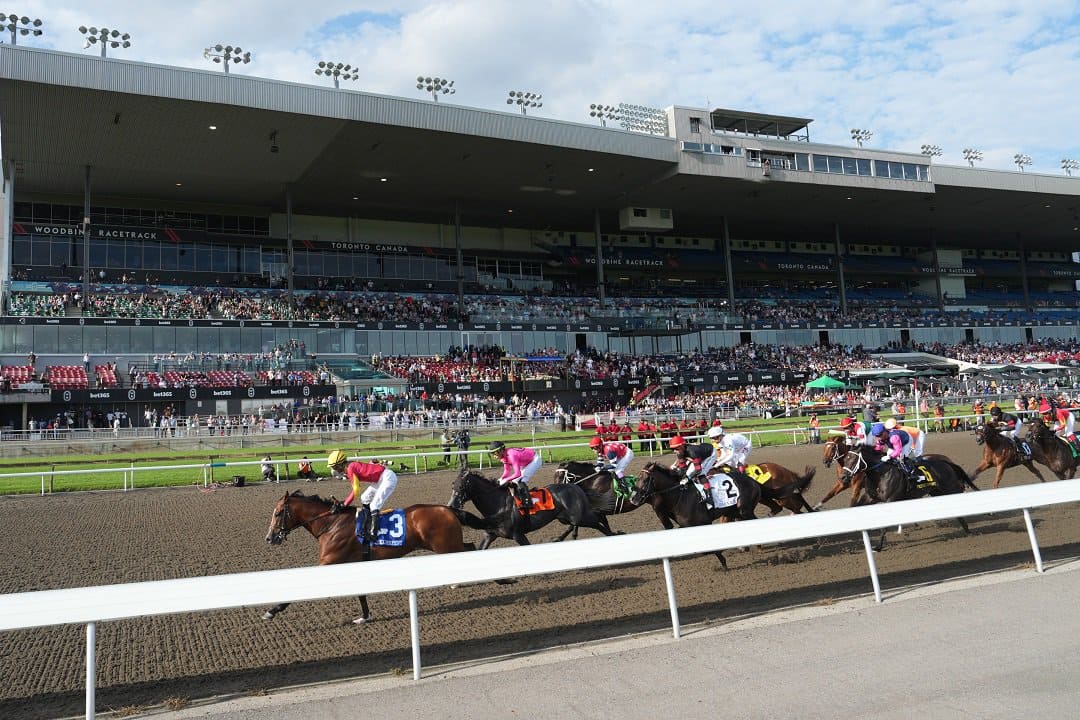
The Woodbine Greenwood Stakes event arrives Saturday with a lesson racing can no longer ignore: a good card is not always enough to pull casual fans through the gates. Modern tracks are not just selling races anymore; they are selling a full afternoon that gives newcomers a reason to stay, spend, post, bet, and maybe come back.
That is what makes Woodbine’s July 11 event more than a Toronto social date. Live racing still has to be the center of the day, but the industry’s bigger growth problem sits around it: how does racing turn atmosphere into attachment? The same challenge appears in betting-focused windows like Derby prep markets, where the sport has to make the action understandable before it can make it irresistible.
Woodbine Greenwood Stakes Is A Fan Conversion Test
Woodbine’s event runs Saturday, July 11, 2026, from noon to 7:30 p.m. at Woodbine Racetrack in Toronto, with tickets required and live racing built into a day of fashion, food, music, DJs, and live entertainment. The official event details also list free parking, which matters more than it sounds when a track is trying to reduce friction for first-time visitors.
The sharper point is not that Woodbine is hosting a stylish race-day party. Tracks have been blending racing and social spectacle for generations.
The sharper point is that this blend is now part of racing’s business model. A casual fan may not arrive because they understand pace pressure, trainer patterns, or turf form. They may arrive because the day looks fun. If the track does its job, the racing then becomes more than background scenery.
That is the conversion challenge.
Racing Has To Sell The Room Before It Sells The Bet
The old racing customer often entered through handicapping. The new casual customer may enter through atmosphere.
That does not cheapen the sport. It recognizes reality.
A newcomer walking into Woodbine for a fashion-forward Saturday event is not necessarily ready to decode a past-performance page. They may not know the difference between Tapeta, turf, sprint pace, or a closing trip. But they can understand a crowd. They can understand a big screen, a post parade, a live call, and the sudden collective noise when horses turn for home.
That first emotional hit is valuable.
Racing’s problem has never been that the live product lacks drama. The problem is that too many potential fans never get close enough to feel it. A social event can bridge that gap if the racing is presented as part of the fun rather than as a complicated exam.
That is where event-day energy becomes a serious industry asset.
Saturday’s Format Shows The Modern Track Playbook
The Greenwood setup is built around a broad experience, not a narrow racing-only pitch. The event’s own promotion highlights music, fashion, art, cocktails, games of chance, and racing, with gates listed at noon and first post at 1:10 p.m. on the Saturday race-day program.
That structure gives the day more entry points. Some guests will come for the fashion. Some will come for the food. Some will come for the party. Some will come because they already like horse racing. The track’s job is to let those groups overlap naturally.
That is harder than it sounds.
If the racing feels disconnected from the rest of the event, the track gets a crowd but not necessarily new fans. If the entertainment overwhelms the races, the sport becomes décor. If the wagering experience feels intimidating, beginners may watch without participating.
The best version is more balanced: the event makes people comfortable, then the races give them a reason to care.
| Event-Day Signal | What It Offers Casual Fans | Industry Value |
|---|---|---|
| Live racing | Immediate action and shared suspense | Turns attendance into sport engagement |
| Fashion focus | Social identity and visual appeal | Makes the day feel like an occasion |
| Food and cocktails | Longer dwell time | Increases on-site spending potential |
| Music and DJs | Energy between races | Keeps non-handicappers engaged |
| Tickets required | Planned attendance behavior | Helps tracks package the experience |
| Beginner-friendly atmosphere | Lower intimidation barrier | Creates a path toward repeat visits |
The table shows why this kind of day matters. It is not just about adding entertainment around racing. It is about building enough reasons for different types of fans to enter the same space.
The Betting Product Still Has To Be Easy To Approach
There is a risk in event-style racing days. A track can draw a crowd and still fail to create racing customers.
That usually happens when the day looks good but the betting product feels closed off. If newcomers do not understand how to read odds, where to place a wager, what a win bet means, or why post time creates urgency, the sport loses a major opportunity.
Woodbine has a natural advantage because the races are live and immediate. A beginner does not need to understand every wagering option to enjoy picking one horse and watching the race unfold. The industry should lean into that simplicity.
Not every new fan needs to become a serious horseplayer on day one. The first goal is confidence.
A visitor who leaves thinking, “I understood enough to enjoy that,” is far more valuable than a visitor who leaves impressed by the party but untouched by the racing. The first person might return. The second person may just wait for the next social event.
That distinction is the real test.
Tracks Need Repeat Fans, Not Just Big Saturdays
A successful Greenwood day can create noise, photos, and attendance. Those are useful. But the deeper question comes after Saturday.
Did casual visitors learn anything about the horses? Did they follow a jockey, trainer, or betting angle? Did they find the races easy enough to engage with? Did they leave with a reason to come back for a normal card?
That is where racing has to be honest with itself. Big event days can create impressive snapshots, but the sport needs repeat behavior.
The strongest tracks understand that major event days are gateways. They use them to collect attention, then direct that attention toward racing calendars, beginner betting education, dining experiences, ownership curiosity, and future stakes days.
Woodbine’s broader position helps here. As Canada’s largest horse racing operator, with Thoroughbred racing at Woodbine Racetrack and Standardbred racing at Woodbine Mohawk Park, the company has more than one way to keep a new fan inside the racing ecosystem. That broader footprint is visible in its racing operator profile.
The question is whether Saturday’s audience feels invited into that ecosystem or merely entertained by it.
The Next Signal Comes After The Crowd Leaves
The Woodbine Greenwood Stakes event should be judged on more than attendance. The better signals are engagement, wagering comfort, return interest, social reach, and whether the live races feel central to the day.
That is the industry lesson. Racing does not need to apologize for making the day stylish, social, and accessible. It needs more of that, not less. But the entertainment has to serve the racing product rather than cover for it.
A strong Saturday can remind casual fans that horse racing is not just an old sport with old rituals. It can be immediate, visual, communal, and surprisingly easy to enjoy when the setting removes the intimidation.
The Woodbine Greenwood Stakes event matters because it shows where the sport’s growth fight is moving. Tracks still need good horses, fair betting, and serious racing. But they also need days that make newcomers feel like the sport has room for them before asking them to become loyal fans.