
Delaware Park’s Heat Cancellation Shows Summer Racing Cannot Treat Weather As Routine
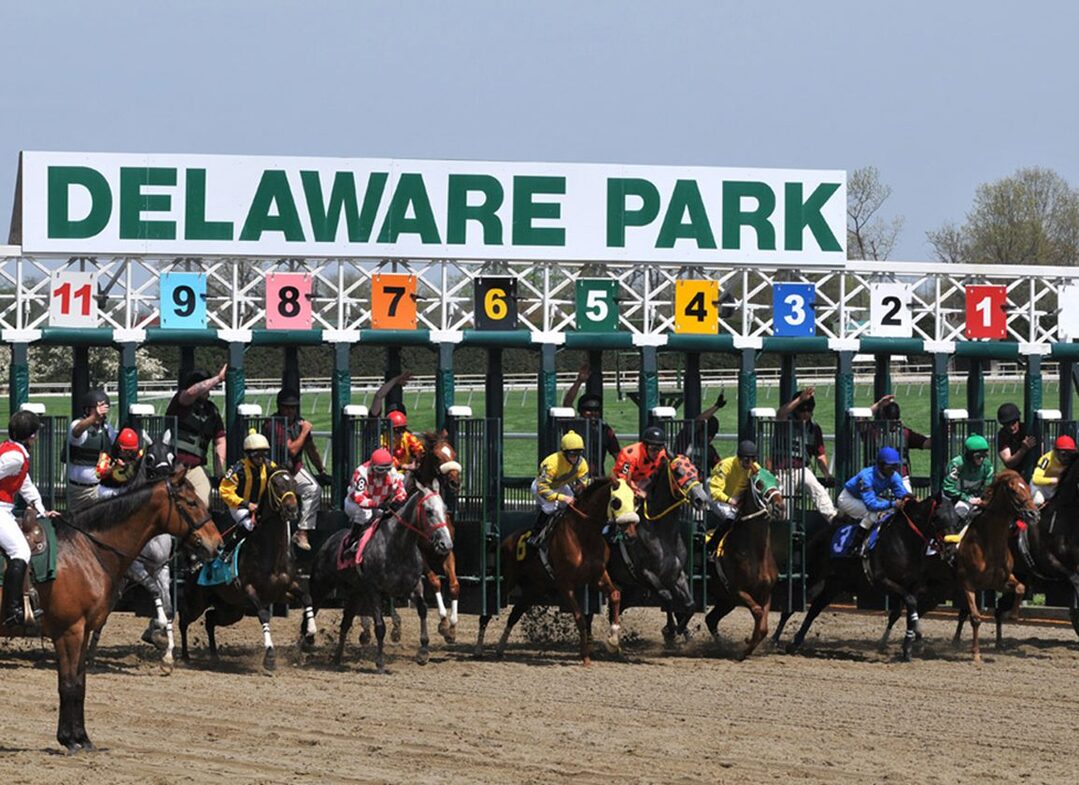
Horse racing heat cancellations are no longer rare interruptions buried in the racing calendar. Delaware Park cancelling its Wednesday, July 15 live racing card because of an extreme heat watch shows how summer weather has become a direct test of horse welfare, scheduling discipline, and public trust.
The decision matters because it came before the race day unfolded, not after horses, jockeys, staff, and bettors were already locked into a dangerous afternoon. That welfare-first timing connects naturally to broader horse welfare advocacy, where the sport’s credibility depends on listening to risk before it becomes visible damage.
Horse Racing Heat Cancellations Are Becoming A Bigger Signal
Delaware Park’s latest cancellation is not just another weather notice. The track cancelled the July 15 card, with live racing scheduled to resume Thursday, July 16, while four weather-related cancellations this live season have been moved to September 16, September 23, September 30, and October 7.
That makes the story bigger than one date. A single cancellation can be dismissed as bad luck. Four weather-related cancellations in one live season point to a pattern racing cannot ignore.
The latest July 15 cancellation details show how much schedule management now depends on heat planning. This is no longer a question of whether tracks prefer to race. It is a question of whether conditions allow racing to be conducted responsibly.
Weather is now operational pressure, not background noise.
Delaware Park Made The Safer Decision Early
The most important part of Delaware Park’s move is timing. Racing cancellations are always disruptive. They affect horsemen, owners, riders, track employees, bettors, vendors, and fans. They also create future fixture pressure because races must be replaced, redrawn, or absorbed into a later schedule.
Still, early cancellation can be the more responsible choice.
Waiting until horses have shipped, barns are staffed, bettors are already invested, and the paddock is filling can make the decision harder. It can also create a dangerous emotional momentum: everyone is already there, so the temptation is to keep going.
That is where racing’s modern safety culture is being tested. A track that cancels before the worst conditions arrive is not overreacting. It is acknowledging that heat risk should be managed before it becomes an emergency.
Earlier decisions protect everyone because they reduce confusion and avoid forcing last-minute judgments under pressure.
Heat Is Not Just A Comfort Problem
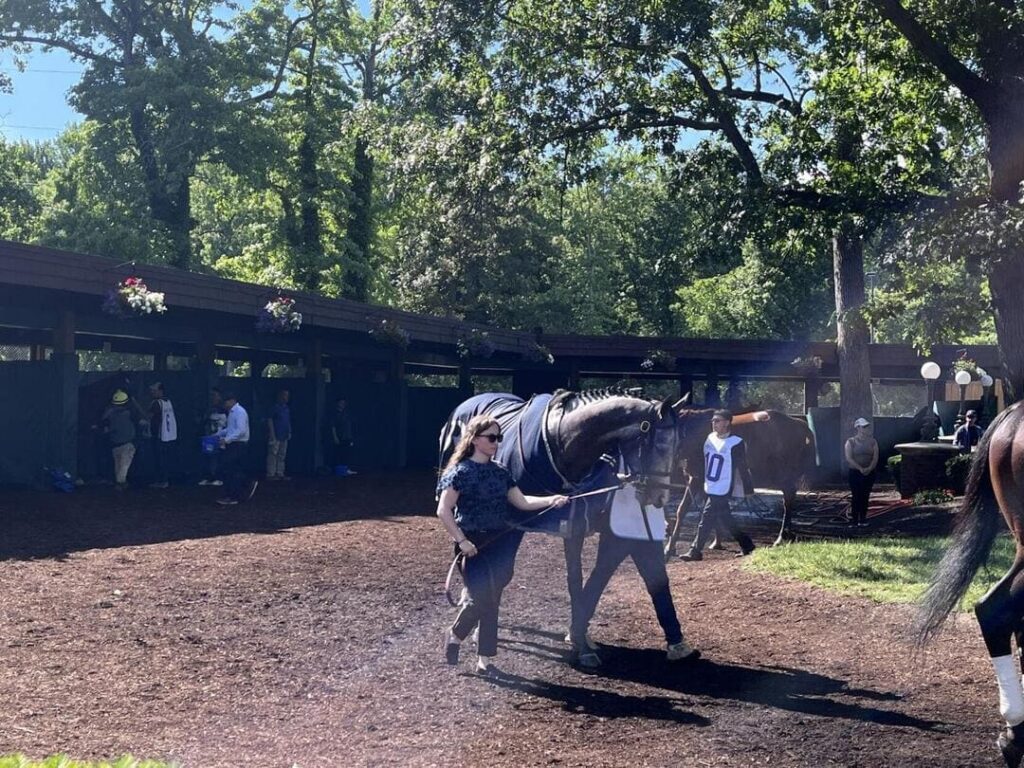
Extreme heat creates a layered welfare concern. Horses generate significant body heat during exertion, and high humidity can make cooling more difficult. Jockeys, exercise riders, gate crews, outriders, trainers, grooms, veterinarians, and racing officials also work in the same conditions.
That means heat management cannot be reduced to whether a race can technically be run. The better question is whether the day allows horses to compete, recover, hydrate, cool down, and return safely.
That standard matters even beyond New York. It gives the wider industry a useful benchmark: heat should be judged as a welfare condition, not a public-relations inconvenience.
The Schedule Pressure Is Real, But Secondary
Delaware Park’s make-up dates show the other side of the problem. Racing is not a casual activity that can be paused without consequences. Each cancelled card affects planned starts, training schedules, claiming opportunities, purse distribution, staffing, and betting turnover.
That is why heat cancellations often create tension. The calendar needs races. Horses need appropriate spots. Tracks need handle. Bettors want action. Horsemen do not want months of planning undone by weather.
But those pressures cannot outrank safety.
The season’s rescheduled dates tell a clear story:
| Signal | Delaware Park Detail | Wider Racing Meaning |
|---|---|---|
| Latest cancellation | July 15 live card called off | Extreme heat is changing race-day decisions |
| Planned restart | Racing scheduled to resume July 16 | Tracks are trying to pause, not abandon, the calendar |
| Four weather cancellations | Make-up dates added in September and October | Weather disruption is becoming cumulative |
| Earlier decision-making | Cancellation announced before race day | Safety planning is moving upstream |
| Public trust factor | Welfare concerns shape the announcement | Racing must show caution before criticism arrives |
The table shows the core tension. Racing is trying to preserve the calendar while admitting that not every summer date can be treated as safe by default.
The Bigger Risk Is Losing Public Confidence
Racing’s public contract is built on trust. Fans and bettors need to believe the sport is making responsible decisions for horses and riders, especially when risk is obvious to anyone standing outside.
Extreme heat is one of those risks. A racing surface can be technical. Veterinary diagnostics can be complicated. But heat is easy for the public to understand. If people can feel dangerous conditions themselves, they will question why horses are being asked to perform in them.
That makes the optics of cancellation different from the optics of pushing through. A cancellation may frustrate fans. Running under dangerous conditions could damage confidence much more severely.
New York regulators have already put this kind of thinking into clearer terms. Their heat management protocol says high ambient temperatures and humidity make it harder for horses to avoid overheating, and it advises racing officials to consider cancellation when local conditions are dangerous for horses and riders.
Public trust is fragile when welfare questions are visible, measurable, and preventable.
The smart racing operator recognizes that a lost card is not the same as a lost reputation. One can be rescheduled. The other is harder to rebuild.
What Tracks Should Learn From This Heat Pattern
Delaware Park’s cancellation should push the industry toward a more structured summer model. Heat waves are not going to stop arriving because the racing calendar is crowded.
The practical next steps are not mysterious:
- Build earlier weather triggers into race-day planning.
- Communicate cancellation risks before fans and horsemen are committed.
- Move post times when morning conditions offer safer windows.
- Strengthen cooling, shade, water, and recovery procedures.
- Protect staff and horses together, not as separate concerns.
None of those ideas eliminate disruption. They make disruption more manageable.
The key is to treat heat preparation as part of racing operations, not as an emergency response after the forecast worsens. That shift would give tracks more credibility when they do race and more clarity when they do not.
Summer Racing Needs A New Safety Standard
The final pressure point is consistency. If one track cancels early, another moves post times, and another races through similar conditions without clear explanation, the public will struggle to understand the standard.
Racing does not need every jurisdiction to make identical decisions because weather conditions vary by location. But it does need a clearer shared principle: horses and riders should not be exposed to dangerous heat simply because the calendar says a card exists.
Delaware Park’s cancellation is a reminder that the sport’s summer problem is not only heat itself. It is whether the industry can make safety decisions early enough, explain them clearly enough, and adjust the calendar without making welfare sound negotiable.
The latest horse racing heat cancellations matter because they reveal a future racing cannot avoid. Summer schedules will need more flexibility, more transparent thresholds, and more courage to stop before risk becomes crisis. Delaware Park’s July 15 decision may have removed one card from the week, but it also gave racing a clearer example of the standard it will increasingly be expected to meet.