
The Galway Plate Turns Ballybrit Into Racing’s Toughest Positioning Test
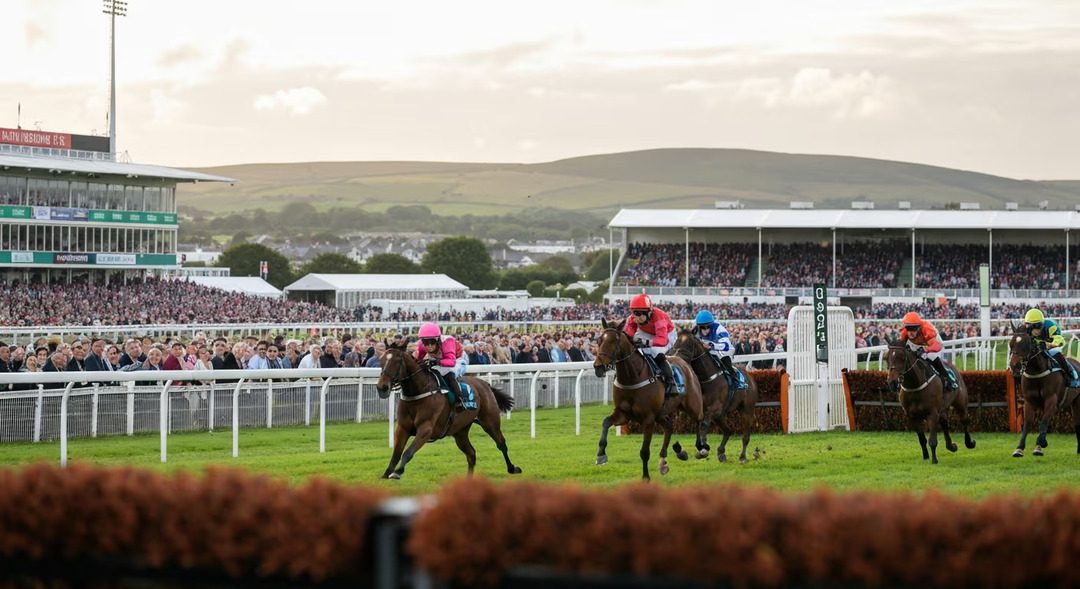
The Galway Plate betting odds can make Wednesday’s feature look like a conventional contest between a favorite and several plausible alternatives. Nothing about the Galway Plate is conventional once 22 chasers begin negotiating Ballybrit’s turns, undulations, 14 fences, and constant fight for usable racing room.
Funiculi Funicula may bring the most obvious combination of progressive form and powerful connections, but this race has never rewarded form reading alone. Bettors must decide which horse can preserve jumping rhythm while carrying its weight, avoiding traffic, and remaining close enough to strike when the field begins to stretch.
That distinction is central to interpreting betting-market signals and to the wider horse racing coverage surrounding races where conditions can overwhelm raw ability.
Ballybrit Makes Position a Form Factor
The Galway Plate is scheduled for 6:40 p.m. local time on Wednesday, July 29, over approximately two miles, six furlongs and 111 yards. The Grade 3 handicap chase carries a €270,000 purse and sits at the center of the official Galway Plate Day program.
Those details explain the race’s status. They do not capture its difficulty.
Ballybrit places a premium on balance. Horses are repeatedly asked to jump, turn, reorganize, and hold position without consuming the energy they need for the final stages. A runner that loses ground at the wrong moment may spend several fences trying to recover it.
That is why the best horse on ratings can fail to become the best betting proposition. Track position becomes performance, especially when a large field begins compressing around the same tactical spaces.
The Favorite Must Survive the Crowd
Funiculi Funicula enters as a compelling market leader after establishing himself as a progressive chaser. His profile encourages bettors to imagine another smooth step forward, particularly with Willie Mullins and Paul Townend attached.
The risk is assuming that progression produces a clean journey.
A favorite in a large-field handicap chase must cope with rivals moving around him, slower jumpers interrupting his rhythm, and tactical decisions arriving earlier than expected. A horse held too far back may encounter tiring runners. One used aggressively could lose the finishing power that made him attractive.
Shorter odds do not buy space. They merely reduce the financial reward for accepting the same traffic risk every other runner faces.
That does not make Funiculi Funicula an automatic opposition horse. It means his price must account for a race in which even a well-executed plan can be compromised.
Weight and Jumping Rhythm Must Be Read Together
Handicap weights are often discussed as isolated numbers. At Galway, weight becomes more meaningful when connected to how efficiently a horse travels and jumps.
A fluent jumper can conserve momentum. A horse that reaches, lands awkwardly, or needs repeated encouragement may pay for those errors late, particularly under a demanding weight. The energy cost accumulates even when no single mistake looks decisive.
Senecia and Three Card Brag sit near the top of the handicap. Their class gives them a legitimate chance, but the weight asks them to maintain efficiency while lower-weighted rivals receive a measurable advantage.
The confirmed Galway Plate race conditions show a 22-runner field on ground listed as good. That may increase the premium on clean jumping because quicker conditions can make lost momentum harder to recover.
Course Experience Can Outrank a Better Rating
Galway experience is not magic, but it reduces uncertainty. Horses familiar with the circuit have already answered questions about turning, balance, atmosphere, and where their jockey can ask for effort.
Course form must still be interpreted carefully. A horse can handle Galway in a smaller or weaker race without being equipped for Plate pressure. Yet a runner with demonstrated comfort at Ballybrit may hold an advantage over a more highly rated rival encountering the layout for the first time.
The most useful comparison is not simply “course winner” against “non-course winner.” Bettors should ask:
- Did the horse travel comfortably around the turns?
- Did it jump accurately when crowded?
- Could it hold position without being driven?
- Did it finish as though the layout helped or hindered?
- Has its current handicap mark changed the equation?
Experience reduces hidden risk, which matters in a race already carrying more variables than an ordinary chase.
Galway Plate Decision Factors
The strongest Galway Plate bets should combine several qualities rather than rely on one standout statistic.
| Decision Factor | Positive Signal | Warning Sign |
|---|---|---|
| Tactical position | Can race prominently without fighting the rider | Regularly becomes trapped behind slower horses |
| Jumping rhythm | Maintains speed through fences | Loses momentum after minor errors |
| Handicap weight | Well treated relative to recent form | Career-best performance required under top weight |
| Course suitability | Proven balance around Galway | First exposure to Ballybrit’s unusual layout |
| Stamina | Finishes strongly near three miles | Best form built at shorter distances |
| Market price | Odds compensate for traffic risk | Reputation shortens price below fair value |
No runner will satisfy every category perfectly. The goal is to find the horse whose weaknesses are honestly reflected in the price.
The First Circuit May Decide the Bet
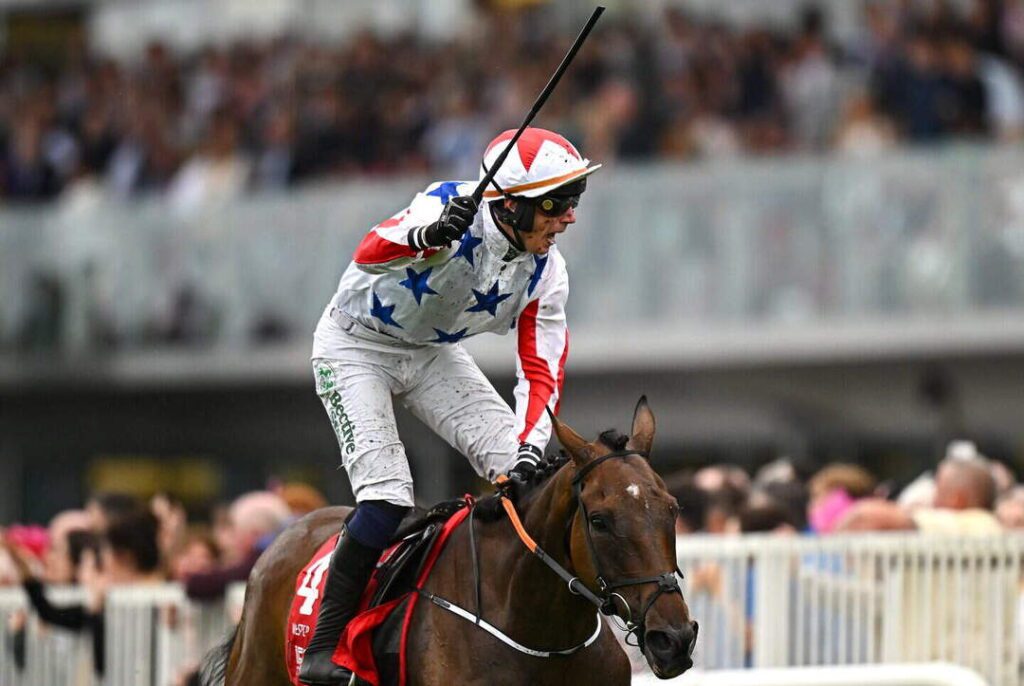
The decisive signals will appear long before the final fence. Bettors should watch which horses establish rhythm without using excessive energy and which jockeys secure room before the field tightens.
A favorite forced wide may still be traveling strongly while covering costly ground. A closer buried behind the pack may look comfortable but possess no clear route forward. A prominent runner may gain the perfect position or become trapped in a pace battle.
These distinctions are why a post-race verdict should go beyond whether the market found the winner. A well-backed horse can lose because its tactical vulnerabilities were exposed, while a bigger-priced runner may reveal that course craft was undervalued.
The Galway Plate betting odds provide a starting point, not a complete handicap. Wednesday’s winner will need class, stamina, accurate jumping, and luck, but the strongest advantage may be simpler: occupying the right place before everyone else realizes how valuable it is.