
The Amsterdam Stakes Could Expose Saratoga’s Next Major Sprint Star
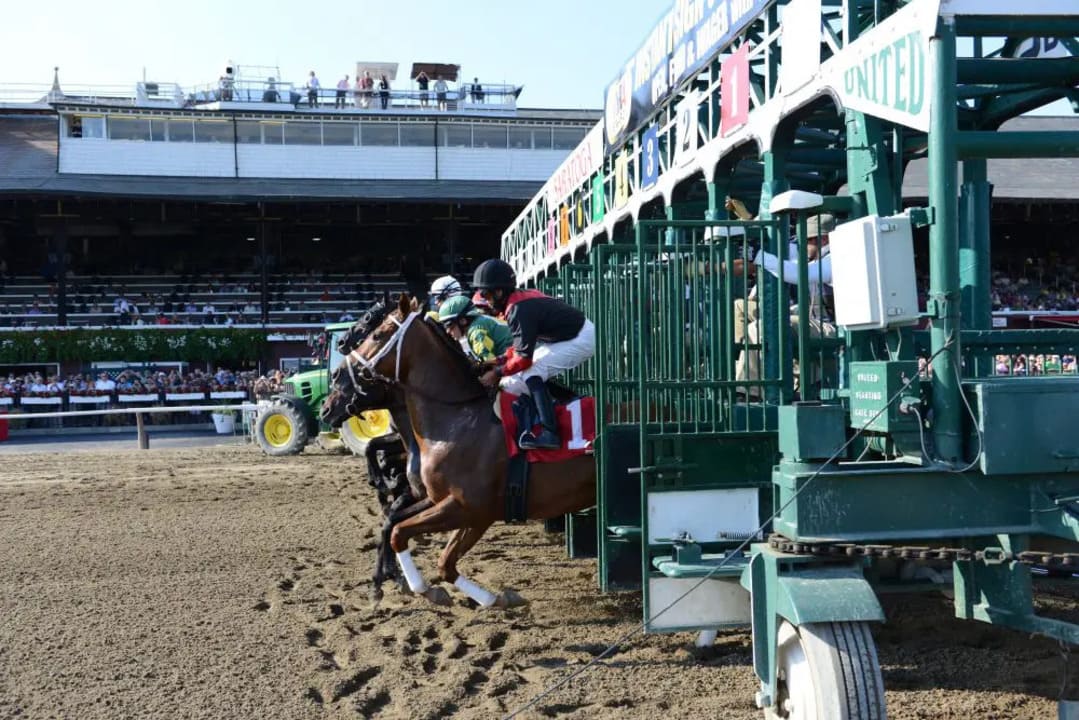
The Amsterdam Stakes 2026 is not a contest to discover which horse can run fastest for a few seconds. Friday’s Grade 2 at Saratoga will identify which three-year-old sprinter can manage speed across 6½ furlongs without spending the winning move before the field reaches the stretch.
Obliteration is the 7-5 morning-line favorite and the most accomplished runner in the eight-horse field. His task is deceptively difficult: use enough speed to remain connected, avoid being drawn into the wrong pace battle, and still finish after carrying top weight.
That tension echoes the difference between headline form and deeper betting-performance analysis found throughout the site’s horse racing section.
Obliteration Has Earned the Favorite’s Burden
Obliteration already owns three stakes victories, including the 2025 Sanford at Saratoga, the Renaissance at Oaklawn, and the Chick Lang at Laurel. He also finished second in the Saudi Derby before placing third in the Grade 1 Woody Stephens.
That résumé explains the market’s confidence. It also means he carries 124 pounds, giving two to four pounds to the rest of the field under the race conditions.
The Woody Stephens showed both his quality and his current limitation. Obliteration stayed inside before angling out but could not match Englishman, who produced a track-record-equalling performance. He was still only a nose away from second.
The official Amsterdam Stakes advance presents him as a runner expected to rebound. Bettors must decide whether that expectation is already fully reflected at 7-5.
Accomplishment creates expectation, and expectation can eliminate value.
Six and a Half Furlongs Punishes Impatience
The Amsterdam sits between a pure six-furlong dash and a seven-furlong test. That half-furlong sounds minor until a horse spends the opening quarter fighting for position.
A runner can look comfortable while traveling too fast. The cost may not appear until the final sixteenth, when a rival that relaxed behind the pace begins sustaining its stride.
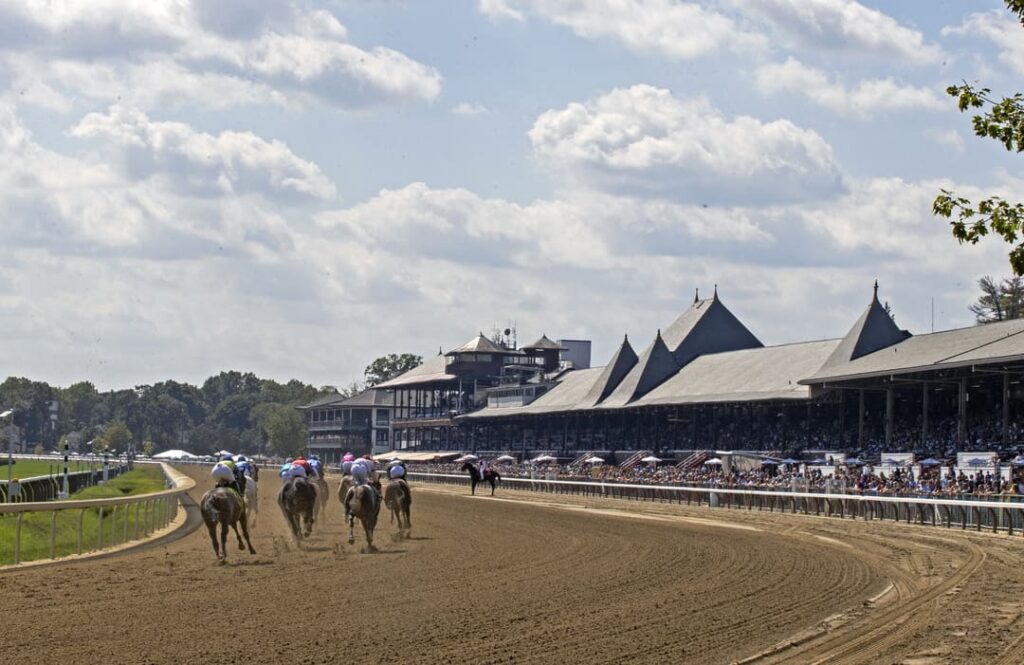
Saratoga’s main track adds another layer. Surface speed, kickback, rail behavior, and weather can change how difficult it is to close. Riders must interpret the track before the field reaches the gate, not after the pace has committed them.
Raw speed needs restraint to remain useful for 6½ furlongs.
Obliteration has shown he can rate, but the horses around him will determine how much patience Jose Ortiz can afford.
The Middle of the Market Has Real Leverage
Solitude Dude is listed at 4-1 for Irad Ortiz Jr. and Saffie Joseph Jr., giving him the rider most likely to attract tactical money. Gilded Bandit, at 9-2, represents Bill Mott and Junior Alvarado, a pairing capable of exploiting a pace collapse.
Local Knowledge is 5-1 for Todd Pletcher and John Velazquez. His inside post could become an advantage if he breaks cleanly or a problem if quicker rivals cross before he establishes room.
American Man opens at 6-1 from the rail. Flavien Prat must decide quickly whether to protect position or concede ground and search for a late route.
The full official Amsterdam field also includes White Smoke Rising at 12-1, Lincoln’s Law at 15-1, and Rockies Balboa at 30-1.
This is not a favorite-versus-one-rival structure. It is a field where several horses can influence the favorite without being good enough to beat him themselves.
Pace Pressure Can Come From Unlikely Sources
Longshots are often evaluated only by their chance of winning. In sprint handicapping, their ability to alter the race may be more important.
White Smoke Rising or Lincoln’s Law could force early pressure even if neither sustains it. An aggressive move from the inside could make American Man commit. Solitude Dude may take up the ideal stalking position if the front group becomes crowded.
Obliteration’s outside draw in post seven gives Ortiz options. He can watch the inside horses before deciding how closely to engage. The drawback is that staying clear may require covering additional ground.
A short-priced favorite does not need to lose a head-to-head battle with another contender. He can lose because a 12-1 runner forced him to operate outside his preferred rhythm.
Amsterdam Stakes Key Takeaways
Friday’s most important factors extend beyond the morning-line ranking.
| Key Takeaway | Betting Meaning |
| Obliteration owns the strongest stakes résumé | He deserves favoritism but may offer limited price value |
| The distance rewards controlled pace | Early leaders must save energy for the final furlong |
| Several runners cluster between 4-1 and 6-1 | The market sees credible alternatives rather than one clear challenger |
| Post seven gives the favorite tactical options | A wide trip remains possible if he cannot clear |
| Lower-weighted rivals receive an advantage | Four pounds can matter after a demanding pace |
| Track behavior may change the closing equation | Earlier races should shape final wagering decisions |
The strongest wager may not be identified until Saratoga’s surface reveals whether speed is carrying or tiring.
The Late-Season Sprint Picture Starts Here
The Saratoga stakes schedule positions the Amsterdam as a meaningful three-year-old sprint checkpoint rather than an isolated summer prize.
A decisive Obliteration victory would restore momentum after the Woody Stephens and confirm that 6½ furlongs suits his balance of speed and finishing strength. A narrow win could leave the Grade 1 question open, especially if he receives an ideal trip.
An upset would produce a new divisional contender while forcing handicappers to reconsider whether Obliteration’s résumé made him look more dominant than his current form justified.
The beaten horses will also matter. One may run well after pressing an unsustainable pace. Another could finish strongly after losing position. Those performances can become more valuable than the final placing when the division moves toward later summer and autumn targets.
Amsterdam Stakes 2026 is a reality check because every horse has speed. Friday will show who can control it, carry it, and reproduce it when Saratoga turns a brief burst into a full 6½-furlong examination.