
The Jim Dandy Can Rewrite the Three-Year-Old Division Without Settling It
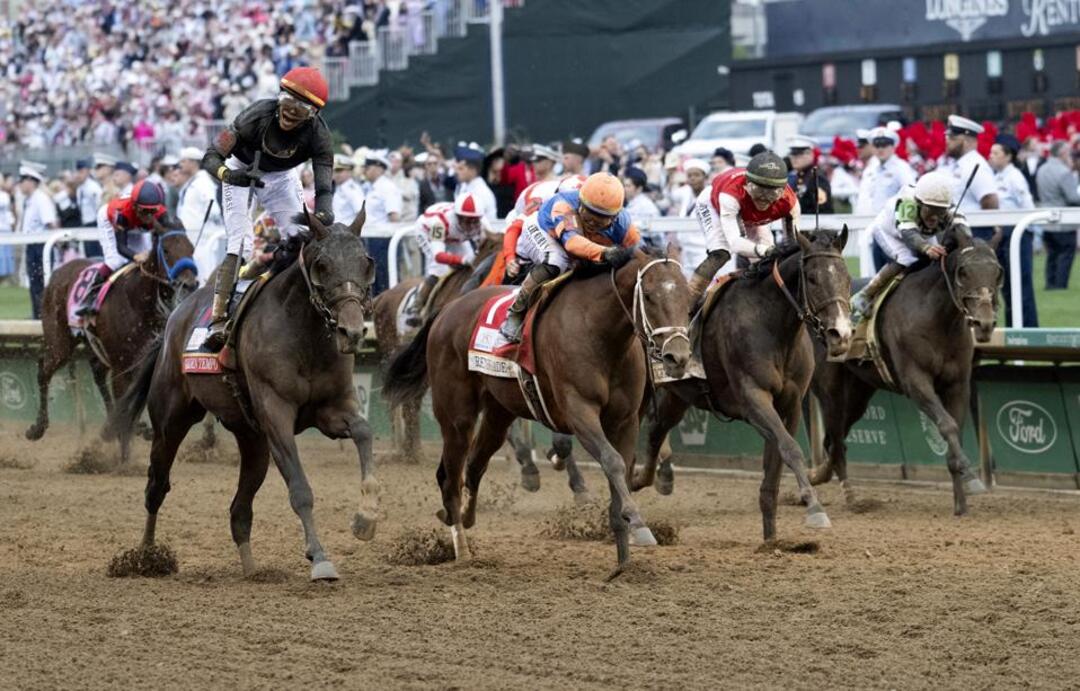
The Jim Dandy Stakes 2026 will produce a winner on Saturday, but it may not identify the horse best prepared to win the Travers four weeks later. That difference is the reason Saratoga’s Grade 2 should be evaluated as a test of preparation, not a smaller version of the summer’s main event.
Renegade and Commandment arrive with established Triple Crown form. Chip Honcho enters from an Ohio Derby victory, Silent Tactic returns after an extended break, and Asked and Answered takes an ambitious leap while still a maiden.
The race extends a Saratoga tradition reflected in the site’s historical Jim Dandy and Travers coverage and its more recent examination of how prep races reshape markets.
Winning Saturday and Peaking Later Are Different Goals
The Jim Dandy is run over 1⅛ miles, one furlong shorter than the Travers. Its $500,000 purse and Grade 2 status make it important in its own right, yet every major connection must consider what the effort takes out of the horse.
One trainer may arrive seeking a peak performance because the colt needs graded credentials or divisional momentum. Another may accept a demanding second-place finish if it improves fitness without emptying the horse.
That distinction makes post-race analysis complicated. A comfortable winner may have received the easiest tactical setup. A beaten horse may gain more development from racing under pressure.
Preparation is not passivity. Connections still want to win, but the best route to August 29 may not require using every reserve on August 1.
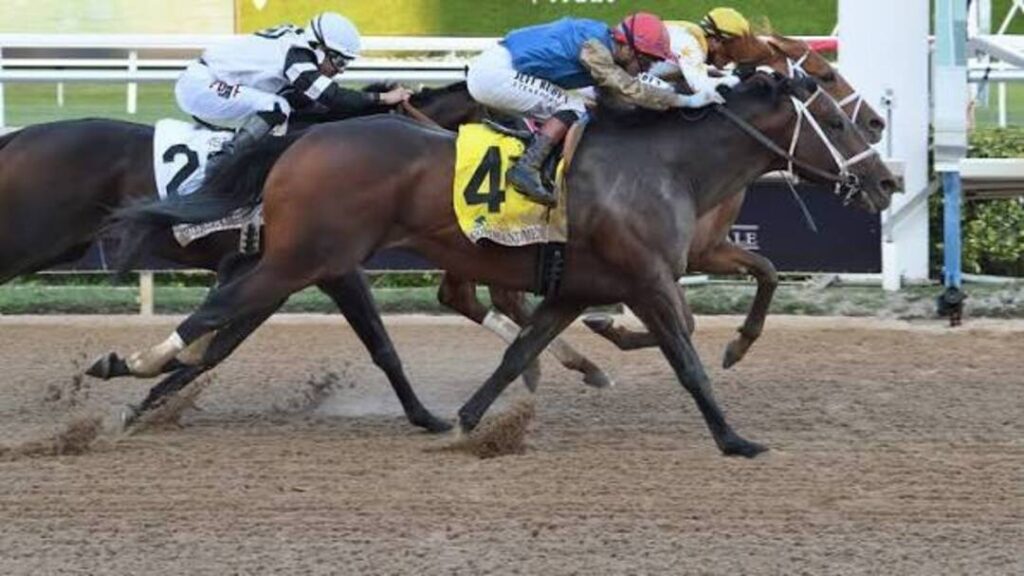
Renegade Needs More Than Another Good Performance
Renegade has never finished outside the first three in seven starts. His second in the Kentucky Derby and third in the Belmont place him at the top of Saturday’s field, even though Golden Tempo won both races and currently controls the three-year-old division.
Todd Pletcher has made the competitive reality clear: Renegade needs to begin winning major races if he is going to challenge the division leader.
That creates pressure. A respectable Jim Dandy placing would preserve his consistency but do little to change the championship discussion. A victory would give him a direct route to a Travers confrontation with Golden Tempo.
The risk is asking Renegade for too much before that larger meeting. Irad Ortiz Jr. must place him where he can win without turning the race into an exhausting test earlier than necessary.
Consistency now needs conversion into a meaningful graded victory.
Commandment Has a Cleaner Improvement Path
Commandment finished seventh in the Kentucky Derby before running second to Golden Tempo in the Belmont. The Derby is the obvious blemish, but his Belmont performance suggests the longer race and more controlled field allowed his real ability to appear.
Brad Cox has indicated satisfaction with Commandment’s preparation since the Belmont. That matters because the Jim Dandy may be his only race between the Triple Crown and Travers.
From post five, Flavien Prat can watch the field develop rather than make an immediate inside decision. The smaller field should also reduce the traffic that complicated the Derby.
Commandment’s challenge is tactical. If the pace is slow, he may need to move earlier than ideal. Waiting for a stamina test that never develops could leave him chasing a horse with a quicker turn of foot.
Chip Honcho and Silent Tactic Complicate the Prep Narrative
Chip Honcho won the Ohio Derby after finishing third in the Preakness. That gives him current form and a closing style capable of becoming dangerous if the leaders apply pressure too early.
He may also be the runner most interested in winning Saturday rather than treating the race primarily as Travers preparation. Another graded victory would strengthen his standing and confirm that the Ohio result was not simply a favorable setup.
Silent Tactic presents the opposite profile. He has not raced since finishing second in the Arkansas Derby in March, but he has never finished worse than second in six starts.
The layoff makes his fitness difficult to price. He could return fresh and improved, or need the race before producing his best. Mark Casse and Luis Saez must balance competitiveness against the reality that a demanding comeback can expose any shortage of race conditioning.
Jim Dandy Risk Map
Each runner carries a different preparation risk into Saturday’s five-horse field.
| Horse | Primary Strength | Preparation Risk |
| Renegade | Triple Crown consistency | May need a major win without being overextended |
| Commandment | Strong Belmont performance | Slow pace could neutralize stamina |
| Chip Honcho | Current graded-winning form | Ohio Derby improvement must transfer to Saratoga |
| Silent Tactic | Unexposed upside and consistency | Returns from a four-month absence |
| Asked and Answered | Opportunity to improve sharply | Still a maiden facing proven graded runners |
The field is small, but the horses are arriving from five different developmental positions. That makes the race more complex than its size suggests.
Saratoga’s Next Signals Will Arrive After the Finish
The official Jim Dandy field is scheduled as Race 10 at 5:44 p.m. Eastern over 1⅛ miles. The broader Jim Dandy Week program also includes the Saratoga Special and Lake George on Saturday’s card.
The first post-race signal will be recovery. How the horses cool out, eat, move, and return to training will matter more for the Travers than a dramatic winner’s-circle interpretation.
The second signal will be trainer intent. A quick Travers confirmation suggests the race achieved its purpose. Hesitation may indicate that the effort was more demanding than expected.
The third is market reaction. Bettors often shorten a Jim Dandy winner automatically for the Travers, even when the larger race adds a furlong, stronger competition, and a different pace shape.
The Jim Dandy Stakes 2026 can rewrite the three-year-old discussion, particularly if Renegade or Commandment wins convincingly. It cannot finish that discussion. Saturday’s smartest performance may belong to the horse who competes hard, learns something useful, and leaves enough in reserve to be better when the Travers asks the question that truly matters.