
The Breeders’ Cup Contenders emerging from 2026 prep races present a useful but incomplete map toward Keeneland on October 30-31, 2026. As of September 21, 2026, the clearest evidence comes from horses who have already won Challenge Series or major prep events, including Magnitude in the Stephen Foster Stakes, Nitrogen in the Ogden Phipps Stakes, and Embroidery in the Victoria Mile. TwinSpires lists the 2026 Breeders’ Cup prep schedule and qualifying structure, including several “Win and You’re In” races tied to specific divisions at Keeneland Breeders’ Cup prep races.
That evidence should be read with restraint. A prep win can secure a position or strengthen a divisional profile, but it does not settle the question of how form from Churchill Downs, Saratoga, Tokyo, York, Monmouth Park, Gulfstream Park, or Saudi Arabia will transfer into the conditions of a championship race. The sporting task is to separate what has been verified from what remains a projection. For insightful commentary on the racing scene, RacebookReview.com discusses the racing ecosystem comprehensively; however, this analysis remains focused on race performance, calendar position, and divisional fit.
Breeders’ Cup Contenders From Recent Preps
How Breeders’ Cup Contenders Earned Places
The first dividing line is between horses who earned automatic berths and horses whose recent victories place them firmly in the discussion without necessarily closing every question. Magnitude’s Grade I Stephen Foster Stakes victory at Churchill Downs on June 27, 2026, is one of the most direct examples. The race is identified as a “Win and You’re In” qualifier for the Breeders’ Cup Classic, which means Magnitude secured a guaranteed spot in that division at Keeneland.
Nitrogen’s Grade I Ogden Phipps Stakes win at Saratoga on June 5, 2026, carries similar clarity for the Distaff. The research record identifies the Ogden Phipps as part of the Breeders’ Cup Challenge, with Nitrogen’s victory earning a guaranteed slot in the 2026 Breeders’ Cup Distaff. Fully Subscribed added another Distaff marker by winning the Grade I Personal Ensign Stakes on August 29, 2026, a prep that qualified her for the same championship division.
For Breeders’ Cup Contenders, the automatic element matters because it clarifies access, not superiority. These wins establish that the horses handled Grade I or major prep pressure on a given date. They do not, by themselves, prove which runner will bring the strongest form into late October.
Documented Prep Winners By Division
- Magnitude: Grade I Stephen Foster Stakes, June 27, 2026, Churchill Downs; Classic berth.
- Skippylongstocking: Pegasus World Cup Invitational Stakes, January 24, 2026; Classic prep winner.
- Forever Young (JPN): Saudi Cup, February 14, 2026; Classic-linked “Win and You’re In” event.
- Sovereignty: Grade I Whitney Stakes, August 8, 2026; major Classic prep winner.
- Baby Vino: Haskell Stakes, July 18, 2026; significant Classic prep winner.
- Nitrogen: Grade I Ogden Phipps Stakes, June 5, 2026, Saratoga; Distaff berth.
- Fully Subscribed: Grade I Personal Ensign Stakes, August 29, 2026; Distaff qualifier.
- Embroidery: Grade I Victoria Mile, May 17, 2026, Tokyo; Filly & Mare Turf berth.
- Item: Juddmonte International Stakes, August 19, 2026, United Kingdom; international turf profile.
- Kalpana (GB): Yorkshire Oaks, August 20, 2026; major filly-and-mare turf marker.
Classic Division Winners Set The Early Reference Points
Magnitude And The Stephen Foster Signal
Magnitude’s Stephen Foster win is significant because it gave the Classic division one of its clearest domestic qualifying results before midsummer. The June 27 timing also matters from a preparation standpoint. It left a measurable gap before the Breeders’ Cup at Keeneland, allowing connections time to decide whether to use another start or train forward from the Churchill Downs performance. The research confirms the result and the berth, but does not supply margin, pace details, or post-race comments; any deeper claim about the quality of the win would need chart evidence beyond the present record.
That caution is not a weakness in the case; it is the proper limit of the evidence. Magnitude has the concrete achievement of winning a Grade I Classic qualifier. The remaining evaluation turns on how that June form compares with horses who won later summer or international preps.
Multiple Classic Paths, Different Dates
The Classic group includes prep winners from a broad part of the racing calendar. Skippylongstocking won the Pegasus World Cup Invitational Stakes on January 24, 2026. Forever Young (JPN) captured the Saudi Cup on February 14, 2026. Baby Vino won the Haskell Stakes on July 18, 2026. Sovereignty secured the Grade I Whitney Stakes on August 8, 2026.
Those dates create an analytical challenge. A January or February victory can establish elite form early, but the championship is scheduled for the end of October. A July or August victory sits closer to the target, but it still requires that the horse maintain condition through the closing weeks of the campaign. The records supplied here do not rank those races by speed, margin, or field strength, so the fairest interpretation is that the Classic division has several verified winners with different timing profiles rather than a single settled leader.
This is where recent related analysis of Breeders’ Cup prep tests remains relevant: a prep race can reveal stamina, composure, and class, but it can also reflect a particular race setup that may not repeat at Keeneland.
Distaff And Filly-Mare Turf Lines Have Clear Markers
Nitrogen And Fully Subscribed Share A Distaff Thread
The Distaff line is unusually direct in the available research. Nitrogen won the Grade I Ogden Phipps at Saratoga on June 5, 2026, earning a guaranteed slot in the 2026 Breeders’ Cup Distaff. Fully Subscribed followed with a Grade I Personal Ensign Stakes victory on August 29, 2026, another prep tied to the same division.
Those two results give the Distaff picture a useful sequence: an early June Grade I marker and a late August Grade I marker. Without margins, running styles, or official charts in the research supplied, it would be unsound to claim which performance was stronger. What can be said is that both horses reached the championship conversation through victories in Grade I races identified with the Distaff route.
Embroidery Brings Tokyo Form Into The Discussion
Embroidery’s Grade I Victoria Mile win at Tokyo Racecourse on May 17, 2026, is the central international fact in the Filly & Mare Turf group. The Paulick Report recorded that the victory earned her an automatic fees-paid berth into the 2026 Breeders’ Cup Filly & Mare Turf through the Breeders’ Cup Challenge Series Embroidery’s Victoria Mile win.
That makes her case different from a horse merely being discussed as a possible traveler. The berth was earned on the racecourse in a Grade I event. The remaining question is comparative rather than administrative: how will that Tokyo form match fillies and mares arriving from North American and European routes?
International Turf Form Adds A Different Test
Item And Kalpana Extend The Grass Picture
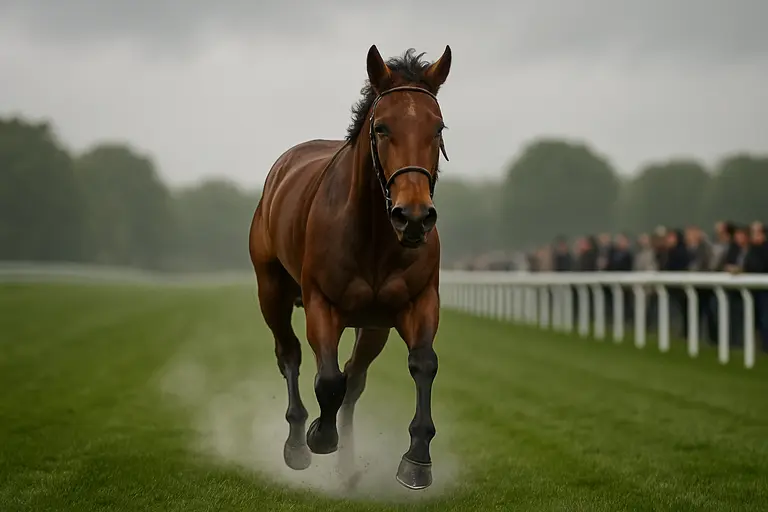
Item’s Juddmonte International Stakes victory in the United Kingdom on August 19, 2026, gives the turf division another high-profile winner from outside North America. The research describes the race as a turf prep oriented mainly toward international grass contenders who might point toward the Breeders’ Cup Turf or Turf Mile divisions. That wording is properly cautious. It identifies the relevance of the race without declaring a final target.
Kalpana (GB) won the Yorkshire Oaks on August 20, 2026. The research identifies that race as a top-level Group 1 turf event for fillies and mares and a common stepping stone toward the Filly & Mare Turf. As with Item, the key value is not certainty about destination but evidence of high-level grass form close to the championship window.
Why Turf Comparisons Require Restraint
International turf form can be difficult to compare using only race names and dates. Different courses, race tempo, field composition, and seasonal targets can shape the result. The present record confirms that Item and Kalpana won major turf races in August 2026. It does not confirm their final Breeders’ Cup divisions, travel plans, or how their races were run. Those details would require official entries, charts, and connection statements closer to Keeneland.
Even so, the timing is meaningful. August victories leave less of a gap to bridge than winter or spring wins, but they still require sustained condition into October 30-31, 2026. That is especially true for horses whose campaigns may involve international travel and a shift into the Keeneland championship environment.
Breeders’ Cup Contenders Need More Than Prep Wins
What The Verified Record Supports
The verified record supports a disciplined reading. Magnitude, Nitrogen, Fully Subscribed, and Embroidery have the clearest berth-related evidence from the supplied research. Skippylongstocking, Forever Young, Sovereignty, Baby Vino, Item, and Kalpana have major prep victories that define their sporting relevance, though the available notes do not provide enough detail to rank them definitively across divisions.
The present list of Breeders’ Cup Contenders is best treated as a framework rather than a forecast. Prep wins identify horses who have already answered significant questions under pressure. They do not remove the need to assess race conditions, recovery time, final entries, and the specific demands of Keeneland once the championship fields are drawn.
That distinction is central to sound racing history and race analysis. The prep season records achievement first and expectation second. As of September 21, 2026, the achievements are clear: several major winners have earned or strengthened Breeders’ Cup positions. The expectation remains open until those horses meet under championship conditions on October 30-31, 2026.