
The Colonial Downs Record Season was not a single-day spike or a promotional headline after the fact. It was a completed 2026 racing program, ending on September 7, 2026, that set new marks for scale at the New Kent track and gave Virginia racing a stronger sporting base to assess before the next calendar cycle.
That distinction matters. A longer meet can help a regional circuit only if the racing product holds together: enough horses to fill races, enough purse strength to keep stables engaged, and enough fan interest to make major days feel connected to the wider racing calendar. Colonial Downs cleared several of those tests in 2026, but durability is a separate question. Expansion creates opportunity, and it also exposes pressure points.
Colonial Downs Record Season By The Numbers
Colonial Downs Record Season Set The Baseline
Colonial Downs staged 48 live race days in 2026, the longest season in track history and an increase from the 44-day meet held in 2025. The completed season included 428 races and 3,350 horses in competition, both all-time highs for the track. Colonial Downs also awarded $29 million in prize money during the 2026 season, according to Churchill Downs Incorporated’s recap of the historic 2026 season.
Those figures give the sporting analysis a firmer starting point than broad claims about momentum. Race days measure calendar footprint. Race count measures how much live competition the track actually delivered. Horse participation measures whether the program had enough supply from stables to support that expansion. Prize money measures the incentive structure that helps persuade owners and trainers to ship, stay, or plan around a meet.
The comparison with 2025 is useful because the prior season had already raised expectations. In 2025, Colonial Downs featured 31 stakes races with $27.4 million in total purse money, while the 2026 approval pushed the track toward its longest meet at that point, as reported by Daily Racing Form. The 2026 results therefore did not come from a low base. They extended a trend that had already begun to alter how Virginia fits into the Mid-Atlantic and national racing schedule.
Attendance Gave The Virginia Derby Day Added Weight
The flagship Virginia Derby day on March 14, 2026, drew nearly 10,000 fans, making it one of the largest single-day live racing crowds in Virginia. That attendance figure matters for reasons beyond atmosphere. Major race days need public presence to sustain their identity, especially when a track wants a stakes event to serve as more than an isolated feature on a calendar.
The Virginia Derby’s position as a Kentucky Derby qualifier also changes the way the day is judged. A prep race needs to do more than distribute points or prize money. It must offer a credible competitive test, draw horses whose connections see value in the timing and conditions, and produce performances that can be evaluated against the rest of the three-year-old division. In that sense, the attendance number and the race’s calendar role worked together: the day had public scale and sporting relevance.
How The Racing Product Expanded
More Race Days Required More Than A Longer Calendar
A 48-day meet is not meaningful by itself if the added dates dilute race quality. Colonial Downs’ 2026 figures suggest the track did more than stretch the same product across more afternoons. The 428 races and 3,350 horses in competition point to a program that expanded in volume while retaining enough participation to support the larger schedule.
That is where the future question begins. A larger season can help horsemen create more predictable plans. Trainers can map campaigns around turf opportunities, dirt races, stakes targets, and allowance conditions without treating Colonial as a brief stop. Owners can see a clearer path for horses that fit the program. Jockeys and agents can make stronger commitments when there is enough continuity to justify travel and stable relationships.
The 2026 stakes schedule also carried significance. Colonial Downs offered 35 stakes races and handicaps totaling more than $6.5 million in purses. That gave the meet a stronger upper tier and helped separate it from a calendar built only on overnight races. Stakes depth is not just about headline events; it gives developing horses intermediate goals and gives established runners reasons to appear more than once.
Purses Can Shape Horse Supply
The $29 million in prize money awarded in 2026 is central to any reading of the Colonial Downs Record Season. Purses influence where stables point horses, especially in a competitive summer period when tracks compete for the same barns, riders, and divisions. Strong prize money can help a track attract better fields, but it can also help retain local and regional participation by making the meet practical rather than aspirational.
For Virginia, that matters across the sporting chain. A stronger race program can support breeders by giving state-connected horses more chances to run in a visible setting. It can help trainers build seasonal patterns around a home-state or regional meet. It can also give fans a more coherent racing product, because horses can return, rivalries can develop, and form becomes easier to follow across weeks rather than scattered dates.
The caution is that purse strength must be sustained. If future prize money falls back sharply, some of the participation gains may prove temporary. If the schedule grows faster than horse supply, field depth can suffer. The 2026 season provided evidence of capacity, not a guarantee that every future season will match it.
Why Horsemen Should Treat The Signal Carefully
Expansion Creates Sporting Pressure
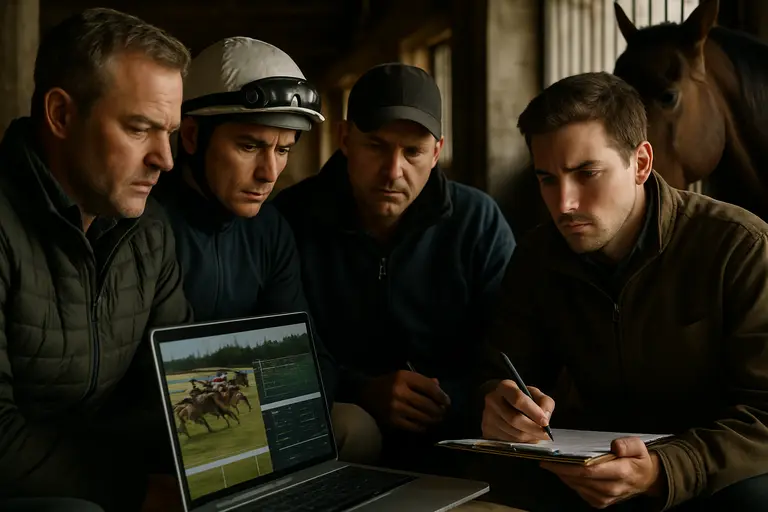
The most encouraging sign from 2026 was balance: more days, more races, more horses, and a major crowd on Virginia Derby day. Still, each positive indicator carries a related operational demand. More race days require track maintenance, staffing, veterinary oversight, racing office work, and stable-area coordination. Larger fields and a broader stakes schedule ask more of horsemen and officials alike.
That pressure is not a negative by itself. Serious racing jurisdictions are built through repeated delivery. The issue is whether Colonial Downs can keep the racing product consistent while protecting horse welfare and competitive integrity. A record season should raise the standard, not create an expectation that every metric must climb every year regardless of conditions.
Weather is another sporting variable. A turf-centered meet can be shaped by rain, heat, and course condition decisions. Colonial Downs’ future strength will depend partly on how well the track manages surface use and preserves field quality when conditions change. Those are ordinary racing challenges, but they become more visible when a meet has a larger profile.
The Calendar Fit Still Needs Testing
The completed 2026 summer meet ran from June 25 through September 7, with racing days concentrated from Thursday through Sunday and a special Labor Day program on Monday, September 7. That structure made sense for access and for building stronger race-week rhythm, but its long-term effect will need to be judged over multiple seasons.
A Thursday-through-Sunday pattern can help create a clearer weekly identity. It can also place Colonial Downs into direct comparison with other active summer venues. For trainers, the decision is practical: surface preference, condition-book fit, purse level, travel distance, and timing all matter. For riders, the question is whether enough mounts and stakes opportunities justify sustained presence. For fans, repeated weekend racing can build habits if the fields and feature races hold interest.
Readers interested in following the industry can explore further insights at Racebook Review, providing a comprehensive look at racing-related topics. The sporting lesson from Colonial is already evident: calendar growth works best when race quality and horse supply grow with it.
What Colonial Downs Record Season Means For Virginia
The Colonial Downs Record Season gave Virginia racing a stronger platform than it had one year earlier. The track did not merely add days; it completed its longest meet, produced record race and horse-participation totals, awarded major prize money, and hosted a Virginia Derby day crowd that showed the sport can still draw meaningful live attendance in the state.
The next test is not whether 2026 can be praised. It can. The more useful question is what the season proved and what it did not prove. It proved that Colonial Downs could stage a larger meet with significant participation. It proved that major race days, especially the Virginia Derby, can carry public and competitive weight. It proved that purse levels can help position Virginia as a serious stop for horsemen.
It did not prove that growth will be automatic from spring 2027 onward. Racing programs are sensitive to horse population, scheduling conflicts, weather, purse consistency, and the willingness of leading stables to return. A record year can become a foundation, but only if the conditions that produced it remain in place.
For now, the most evidence-based reading is cautious optimism. Colonial Downs strengthened Virginia’s racing profile in 2026, and it did so through measurable sporting gains rather than vague momentum. The task after a record season is not to chase size for its own sake. It is to protect the quality that made the expansion credible.