
The Adirondack Stakes Will Test Saratoga’s First Juvenile-Filly Hype
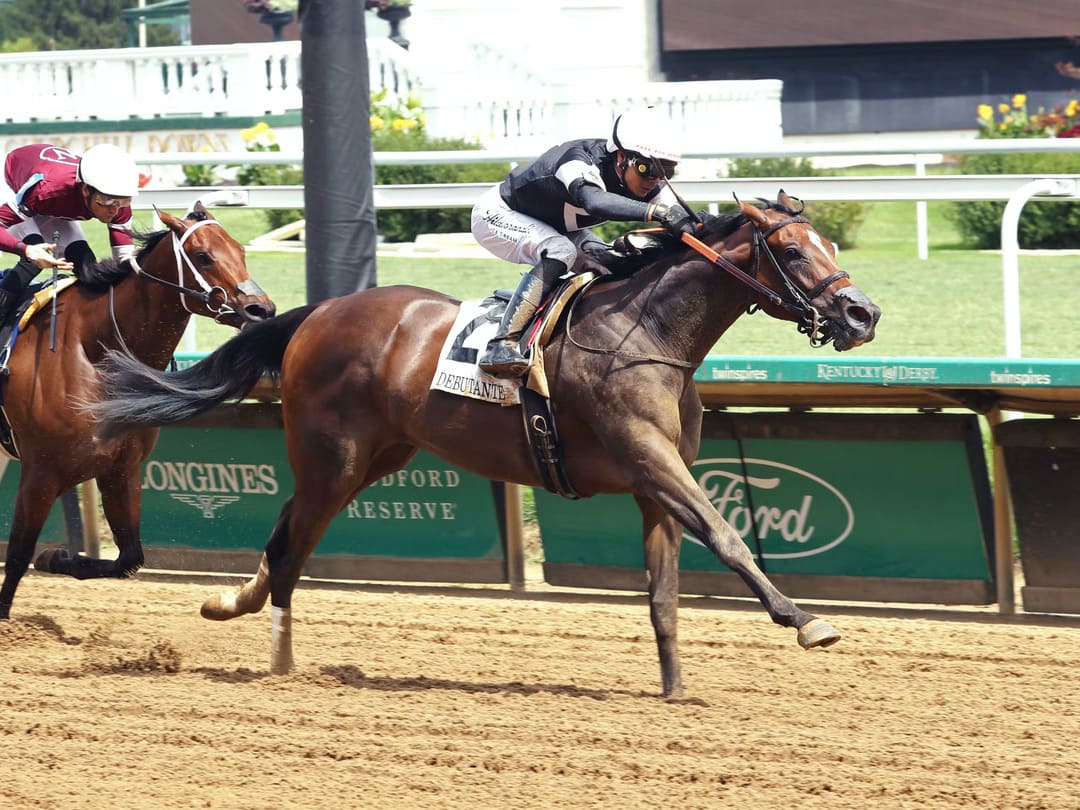
The Adirondack Stakes 2026 will invite bettors to turn lightly raced fillies into finished products. One sharp debut, a fashionable pedigree, or an impressive workout can make a two-year-old look like Saratoga’s next star before she has faced traffic, kickback, pace pressure, or the final furlong of a 6½-furlong stakes race.
Sunday’s Grade 3 is valuable precisely because it exposes those assumptions. The winner may become an important divisional prospect, but the race is better treated as a development test than a championship verdict.
That cautious approach matches the site’s long view of emerging juvenile talent and the perspective found throughout its horse racing archive, where early brilliance rarely tells the entire career story.
Juvenile Form Is Powerful but Incomplete
Two-year-old races produce some of racing’s most dramatic visual performances. A talented filly can overwhelm inexperienced rivals simply by breaking cleanly, understanding kickback, or changing leads on time.
That margin can be misleading.
A 10-length maiden winner may have defeated rivals that were unprepared, badly drawn, or still learning. A narrower winner may have absorbed pressure, changed tactics, and gained more useful experience.
The Adirondack therefore asks bettors to examine how a performance happened rather than only how it looked in the result.
Winning margin needs context. Ease, opposition quality, pace, and professionalism must be separated before one debut becomes evidence of stakes superiority.
Six and a Half Furlongs Creates a New Question
The official Saratoga stakes schedule lists the Adirondack as a $225,000 Grade 3 for two-year-old fillies over 6½ furlongs on dirt.
Many entrants will be stretching beyond the distance of their debut or previous victory. That additional ground changes how early speed must be used.
A filly who controlled five or 5½ furlongs may not receive the same freedom Sunday. Rivals can challenge sooner, and a longer stretch run gives stalkers more time to build momentum.
The distance also tests breathing rhythm, balance, and willingness to relax. A juvenile that fights her rider through the opening stages can spend enough energy to make pedigree-based stamina irrelevant.
Speed must become sustainable before it can become graded-stakes quality.
Gate Behavior Is More Than a Minor Detail
Professionalism begins before the race starts. Juvenile fillies can react to the crowd, loading process, neighboring horses, and the confined space of the gate.
A slow break changes the entire assignment. A speed filly may be forced to chase through kickback. A closer can lose contact before settling. An inexperienced runner may rush forward after missing the start, converting one mistake into an unsustainable first quarter.
Past performances record whether a horse broke slowly or encountered trouble, but replay study reveals more. Bettors should watch how she stood in the gate, whether she anticipated the break, and how quickly she responded to the rider.
A filly who remained composed after a poor start may be more appealing than one whose easy debut never tested her temperament.
Pedigree Should Explain Possibility, Not Guarantee It
Pedigree becomes especially influential when the runners have made only one or two starts. Sire and dam lines can indicate early speed, maturity, surface preference, and the likelihood of handling additional distance.
Those clues are useful. They are not proof.
Full siblings can develop differently. A filly bred to route may still possess enough speed for the Adirondack, while another with sprint-heavy breeding may relax better than expected and finish strongly.
The better approach is to use pedigree to interpret what the horse has already shown. A long, efficient stride paired with route-oriented breeding supports the case for improvement at 6½ furlongs. Pedigree alone cannot rescue a filly that has repeatedly failed to settle or change leads.
Saratoga’s broader juvenile-racing outlook has already identified several young prospects developing toward the meet’s graded races. Sunday will begin sorting potential from demonstrated readiness.
Adirondack Decision Factors
The strongest juvenile assessment combines physical talent with evidence that the filly can manage a more complicated race.
| Decision Factor | Strong Signal | Reason for Caution |
| Debut performance | Won while overcoming pressure or traffic | Controlled weak rivals without being challenged |
| Gate behavior | Loaded calmly and broke in rhythm | Missed the break or became unsettled |
| Pace response | Relaxed behind speed and finished | Needed an uncontested lead |
| Pedigree | Supports dirt and the longer sprint | Reputation exceeds demonstrated ability |
| Lead changes | Switched smoothly and maintained balance | Drifted, weakened, or remained on one lead |
| Race experience | Learned from adversity | Has faced only ideal conditions |
A filly does not need a perfect record in every category. Bettors need enough positive evidence to justify the price they are being asked to accept.
The Result Should Open the Conversation
The Adirondack’s place on Sunday, August 2, gives the winner a natural route toward Saratoga’s later juvenile-filly program. The race is the 110th edition, reinforcing how long the meet has used this contest to identify promising young horses.
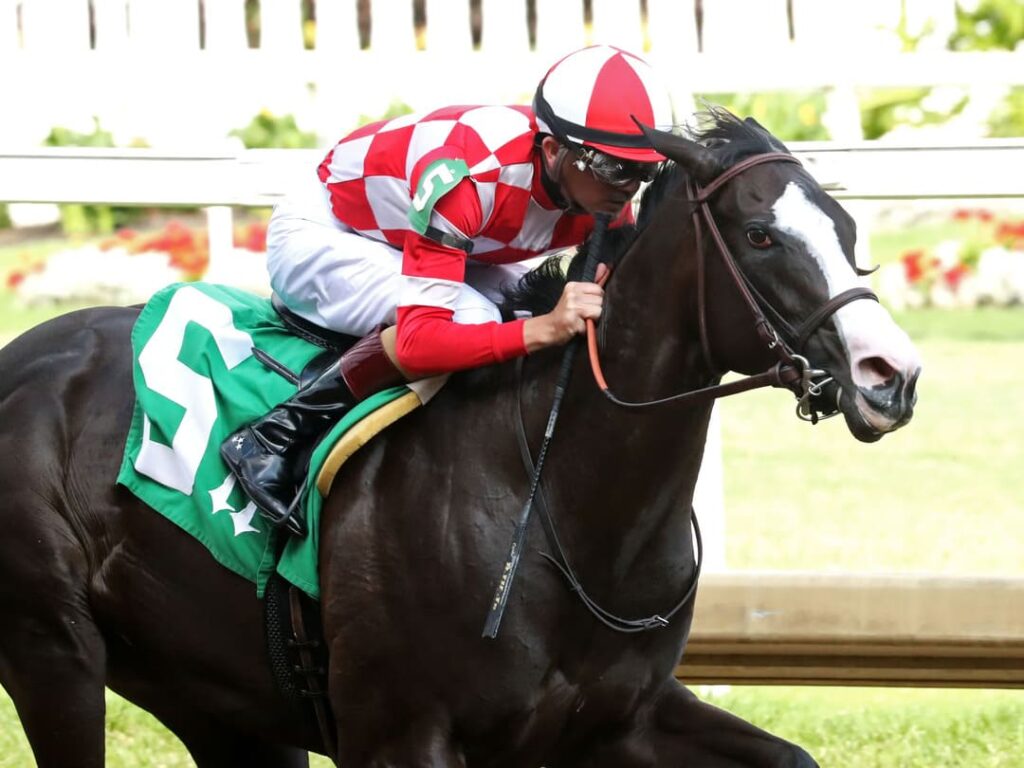
Yet development rarely follows a straight line. The winner may improve again, regress after a demanding effort, or discover that longer races expose a limitation. A beaten filly may become the more important prospect if she closes strongly after a poor break or races wide while learning.
The most useful post-race questions will be:
- Which filly handled pressure without losing composure?
- Who finished with energy rather than merely maintaining position?
- Did the pace favor the winner?
- Which runner appears capable of stretching farther?
- Did any horse endure an effort that warrants extra recovery time?
The Adirondack Stakes 2026 should produce excitement, but excitement is not the same as certainty. Saratoga has introduced generations of exceptional juveniles, along with many brilliant debut winners who never fulfilled the first projection placed upon them.
Sunday’s winner will earn graded recognition. Becoming a genuine divisional star will require something harder: carrying that professionalism, soundness, and adaptability into the next race after the hype has already arrived.