
All You Need to Know About the 2026 Scottish Grand National
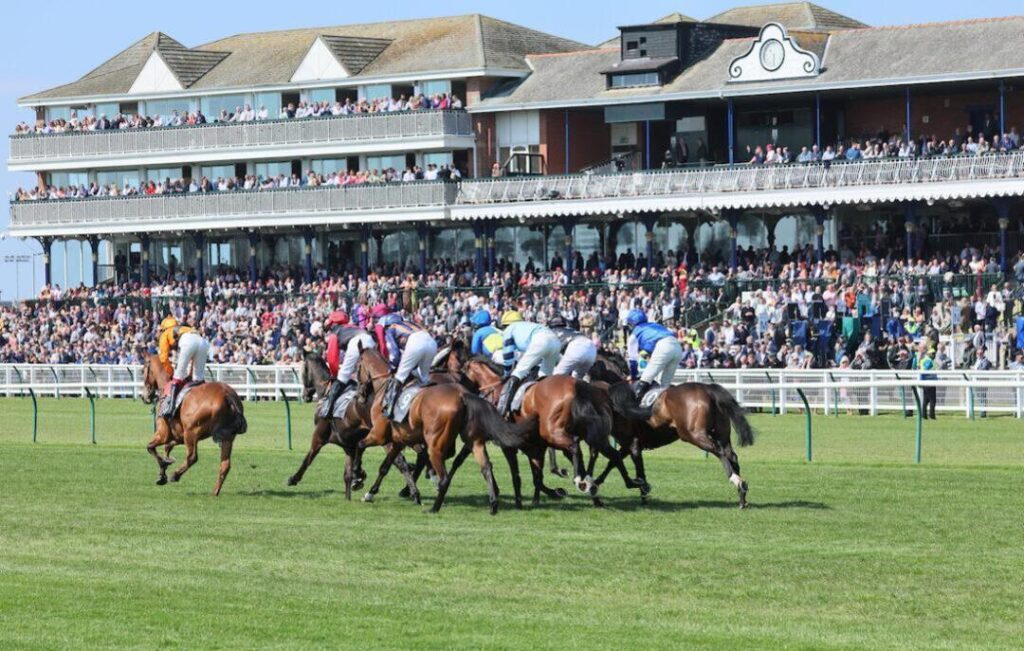
The Scottish Grand National stands as one of the most demanding and strategically complex races in British jump racing. Run annually at Ayr Racecourse, it serves as Scotland’s premier long-distance steeplechase and a critical fixture in the National Hunt calendar. Unlike shorter Grade 1 contests that emphasize speed and class, this race is defined by endurance, rhythm, and tactical discipline over an extended distance.
The 2026 edition continues that tradition, with horses required to cover approximately four miles and jump 27 fences, placing sustained pressure on both equine stamina and jockey decision-making.
2026 Race Overview And Key Facts
| Race Attribute | 2026 Scottish Grand National Details |
|---|---|
| Event Name | Coral Scottish Grand National |
| Location | Ayr Racecourse, Scotland |
| Date | April 17–18, 2026 |
| Main Race Day | Saturday, April 18, 2026 |
| Race Type | Premier Handicap Chase |
| Distance | ~4 miles (3m 7f 176y) |
| Total Fences | 27 fences |
| Prize Fund | ~£200,000 main race |
| Festival Prize Pool | Up to £500,000 raceday total |
| Field Size | Typically 20–25 runners |
| Surface | Turf |
| Eligibility | Horses aged 5+ |
The table highlights the structural complexity of the race. The combination of long distance, numerous fences, and handicap conditions creates a scenario where race dynamics evolve continuously, often producing late-stage leaders and dramatic finishes.
Race Structure And Tactical Demands
The Scottish Grand National is not simply a test of endurance it is a multi-phase tactical contest. The early stages are typically run at a controlled tempo, as jockeys attempt to conserve energy while maintaining position within a large and tightly packed field. Because the race extends beyond conventional staying distances, even minor inefficiencies in pacing can have significant consequences in the closing stages.
The middle phase of the race is often where the contest begins to fragment. Horses that lack sufficient stamina begin to drop away, while those with efficient jumping mechanics gradually improve their position. The ability to maintain a consistent stride pattern over fences becomes critical, as repeated jumping errors compound fatigue and reduce forward momentum.
In the final mile, the race transitions into a pure stamina test. The long run-in at Ayr, combined with accumulated fatigue, places extreme stress on both horse and rider. It is in this phase that well-handicapped runners carrying lighter weights frequently outperform higher-rated rivals, reinforcing the strategic importance of weight allocation in handicap races.
Position In The National Hunt Calendar

The timing of the Scottish Grand National is a defining factor in its competitive profile. Scheduled in mid-April, it follows closely after both the Cheltenham Festival and the Aintree Grand National. This positioning creates a unique convergence of race-ready horses at peak fitness levels.
Connections often target this race for horses that either bypassed Aintree or emerged from earlier spring festivals without excessive exertion. As a result, the field typically includes a mix of seasoned stayers and progressive chasers stepping up in distance. This blend contributes to the race’s unpredictable and highly competitive nature, distinguishing it from more form-driven contests earlier in the season.
Ayr Racecourse Is a True Stamina Test
Ayr Racecourse presents a deceptively challenging environment. While the track is relatively flat compared to other British venues, this characteristic actually intensifies the stamina requirement. Without natural undulations to break the rhythm, horses must sustain a continuous galloping effort over an extended period.
The layout consists of a wide, left-handed circuit with long straights that encourage a steady pace. However, the absence of sharp turns means that positioning errors are more difficult to correct. Horses caught too far back early may struggle to recover ground, particularly in large fields where traffic becomes a factor.
Ground conditions also play a pivotal role. April weather in Scotland can produce anything from good ground to heavy, testing surfaces. Softer conditions amplify the physical demands of the race, favoring horses with proven ability in attritional environments.
Historical Trends And Winning Profile
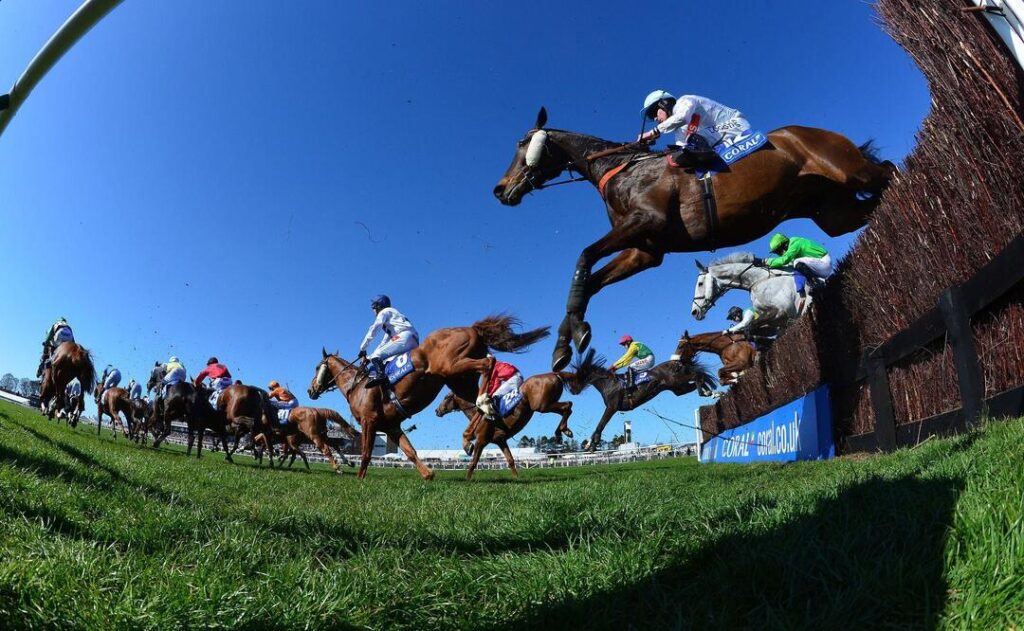
The Scottish Grand National has developed a consistent profile of winning characteristics over time. Horses that succeed in this race typically demonstrate a combination of proven stamina, efficient jumping technique, and favorable handicap positioning.
Age trends indicate that horses between six and nine years old often perform best, as they combine maturity with sufficient physical resilience. Experience over long distances is another critical factor, with many winners having previously competed in races exceeding three miles.
Trainer patterns also offer insight. Leading National Hunt trainers frequently target this race with carefully prepared runners, recognizing its importance as both a standalone prize and a platform for future staying campaigns.
Betting Dynamics And Analytical Approach
From a wagering perspective, the Scottish Grand National is widely regarded as one of the most complex races to analyze. The handicap structure compresses the field, reducing the predictive value of raw ratings and increasing the importance of contextual factors.
Analysts typically focus on variables such as recent form, distance suitability, ground preference, and weight carried. Horses that show progressive improvement late in the season are often strong candidates, particularly if they enter the race with a relatively low handicap mark.
For a deeper breakdown of race structure and historical context, the Scottish Grand National overview provides a detailed foundation for understanding long-term trends.
Atmosphere And Cultural Significance

The Scottish Grand National is not only a sporting event but also a major cultural occasion. The two-day festival attracts thousands of spectators, combining high-level racing with fashion, hospitality, and entertainment.
Attendance figures regularly reach capacity, with sell-out crowds highlighting the event’s popularity and significance within the Scottish sporting calendar.
The atmosphere on race day is characterized by a blend of anticipation and spectacle, as spectators gather to witness one of the most demanding contests in the sport.
Why The 2026 Edition Matters
The 2026 Scottish Grand National represents a continuation of one of jump racing’s most enduring and strategically complex contests, combining elite competition with a race structure that consistently challenges conventional analysis.
Final Analysis
The Scottish Grand National remains a defining event in the National Hunt season, distinguished by its extreme distance, competitive handicap format, and strategic depth. The 2026 edition is expected to deliver another highly unpredictable and physically demanding contest, reinforcing its status as one of the most compelling races in British horse racing.
Its importance extends beyond prize money and prestige. The race serves as a benchmark for staying chasers, a proving ground for emerging talent, and a focal point for bettors seeking value in a volatile market.