
Christmas Day Delivers Aidan O’Brien’s 12th Epsom Derby Glory
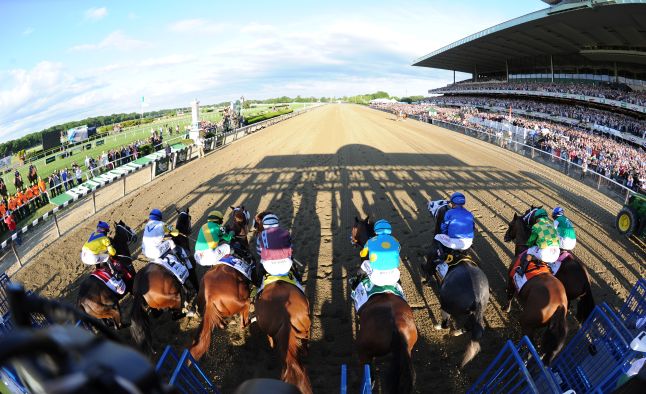
The Christmas Day Derby win gave Aidan O’Brien another Epsom milestone, but the result was not just another line in a record book. It came in a Derby shaped by soft ground, market uncertainty, and starting-gate drama, making the victory feel less like routine dominance and more like a reminder that Epsom still punishes assumptions.
For a sport that often builds narratives around favorites before the gates open, Christmas Day’s success landed with sharper meaning. The colt delivered O’Brien’s 12th Derby victory, extended Ballydoyle’s modern grip on the race, and forced bettors to reconsider how deeply they should trust pre-race confidence in a Classic where one bad moment can rewrite everything.
Christmas Day Derby Win Was A Test Of Nerve And Stamina
The Derby is not designed to flatter immature horses. Epsom asks for balance, patience, tactical speed, and stamina across a demanding mile and a half, and soft ground can turn that test into something even more severe.
Christmas Day handled the conditions with the composure expected from a serious Classic winner. Ridden by Ronan Whelan, he moved into contention when the race began to stretch, then stayed on strongly enough to settle the result with authority. The official Derby result confirmed the scale of the achievement: Christmas Day won the 2026 Betfred Derby at Epsom, with Maltese Cross second and James J Braddock third.
That matters because Derby winners are rarely judged by the winning post alone. They are judged by the pressure around the race, the conditions they overcame, and the questions their performance answers. Christmas Day did not merely benefit from chaos. He still had to run the right race when the Derby became messy.
O’Brien’s 12th Derby Victory Says Something About Depth
Aidan O’Brien’s Derby record is now so large that another victory can almost sound expected. That is the danger of sustained excellence. It can make extraordinary achievement feel normal.
This win should not be treated that way.
O’Brien’s 12th Derby success showed the depth of Ballydoyle’s operation more than the dominance of a single headline horse. Christmas Day was not the only major talking point in the stable’s Derby picture. Pre-race attention also surrounded Benvenuto Cellini and Pierre Bonnard, leaving the market with several Ballydoyle angles to process.
That kind of depth creates pressure for rivals and confusion for bettors. A stable can arrive with more than one legitimate chance, but the market still has to decide which horse deserves the strongest trust. Christmas Day’s win showed why that judgment is dangerous when a major trainer brings multiple horses with different profiles into a race as unusual as the Derby.
For readers following how early confidence can build around a Derby favorite, the previous Epsom Derby betting odds conversation now feels even more relevant.
The Derby Result At A Glance
| Category | Detail |
|---|---|
| Race | 2026 Betfred Derby |
| Venue | Epsom Downs |
| Winner | Christmas Day |
| Trainer | Aidan O’Brien |
| Jockey | Ronan Whelan |
| Runner-Up | Maltese Cross |
| Third Place | James J Braddock |
| Starting Price | 7-1 |
| Major Milestone | O’Brien’s 12th Derby win |
| Race Context | Soft ground and favorite declared non-runner |
The table helps explain why the result carries more weight than a simple winner’s headline. Christmas Day won a Derby that combined performance, betting tension, and historical significance in one afternoon.
The 7-1 starting price also matters. He was respected, but not treated as an unbeatable certainty. That space between expectation and execution is where Derby stories often become interesting.
The Favorite’s Exit Changed The Betting Conversation
Benvenuto Cellini’s race never developed in the way many bettors expected. The favorite was declared a non-runner after a starting-stall incident, and that immediately changed the emotional and financial reading of the Derby.
That does not weaken Christmas Day’s claim. A winner can only beat the race in front of him, and Christmas Day did that with conviction. But the favorite’s exit does add a serious betting-market layer to the result.
Derby markets are built on fine margins. Pedigree, trial form, stable confidence, ground preference, and jockey booking all influence prices. Yet one incident before the field fully settles into the race can turn a carefully priced market into something unstable. A major race recap captured the wider drama around Christmas Day’s win and Benvenuto Cellini’s non-runner status.
For bettors, the lesson is blunt: Derby risk does not begin at the three-furlong pole. It begins in the preliminaries, the stalls, the weather, the track, and every small uncertainty that can become decisive at Epsom.
Soft Ground Gave The Race A Different Shape
Soft ground did more than slow the clock. It changed the nature of the Derby.
On quicker ground, a Derby can become a test of acceleration and efficiency. On testing ground, it can expose horses that travel well but do not quite sustain their effort under pressure. Christmas Day’s performance suggested that he had the stamina and attitude to keep finding when the race became more demanding.
That is an important distinction for the rest of the season. A Derby winner who handles soft ground has proven toughness, but analysts still need to ask how the form translates under different conditions. Would Christmas Day look as effective on faster ground? Would the same rivals close the gap with a cleaner trip? Would a different pace scenario make the race less comfortable?
Those questions do not reduce the quality of the victory. They define the next phase of the conversation. A Derby win creates authority, but it also invites examination.
The Next Pressure Point Is Confirmation
Christmas Day now moves from contender to measuring stick. That is the real consequence of winning at Epsom.
Every future start will be viewed through the Derby lens. If he progresses again, the Epsom result becomes the foundation for a stronger middle-distance profile. If the form is challenged, the discussion shifts toward whether the ground, race shape, or favorite’s misfortune made the Derby look more settled than it really was.
For O’Brien, this is familiar territory. His Derby winners often become part of a wider campaign, not just a single-day celebration. The placement will matter. The ground will matter. The strength of the opposition will matter. So will how Christmas Day handles the different kind of pressure that comes with being the horse everyone now has to judge.
The Christmas Day Derby win mattered because it combined a historic training milestone with a race that exposed the fragility of betting certainty. O’Brien’s 12th Epsom victory strengthened one of racing’s most impressive modern records, but Christmas Day earned his own place in the story by answering the questions the race actually asked. The next test is whether he can make Epsom look like the start of something larger, not just the day when chaos, class, and Ballydoyle depth met at exactly the right moment.