
Could the lowest-rated runner steal the Cheltenham Gold Cup?

The Cheltenham Gold Cup stands as the pinnacle of National Hunt racing—a race synonymous with prestige, drama, and the crowning of legends. While the limelight often shines brightest on festival favorites and proven Grade 1 contenders, history reminds us that the unexpected is always lurking at Cheltenham. Every year, a handful of runners arrive as outsiders, written off by most analysts and bookmakers due to their modest ratings. Yet the allure of a potential upset, where the lowest-rated horse could emerge victorious, remains an enduring narrative in the build-up to this iconic steeplechase.
Understanding Ratings and Odds in the Gold Cup
Every entry in the Cheltenham Gold Cup receives an official rating, reflecting its previous performances, competition, and overall ability relative to the field. These ratings, together with public betting trends, influence the odds set by bookmakers. Generally, horses with higher official ratings and Grade 1 victories are the favorites, attracting the bulk of media attention and wagering interest. Conversely, those with the lowest ratings are labeled long shots, often given odds of 100/1 or greater.
Yet, as racing fans know, a rating is only part of the story. The Gold Cup’s testing three miles and two-and-a-half furlongs, coupled with Cheltenham’s undulating finish and often soft ground, create a searching examination that can expose favorites—and offer a lifeline to outsiders fit for the challenge.
Famous Cheltenham Gold Cup Surprises
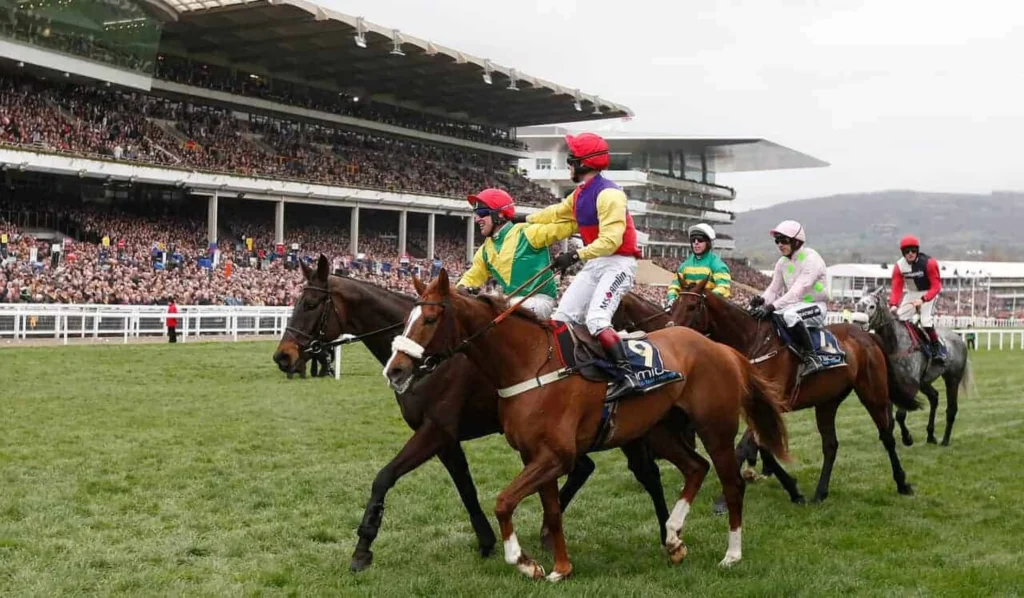
While true shocks in the Gold Cup are rare, history offers compelling tales of outsiders overcoming the odds. Perhaps the most memorable came in 1990, when Norton’s Coin, priced at 100/1, delivered an astonishing victory against illustrious rivals. The shock result demonstrated that, at Cheltenham, determination and conditions sometimes trump reputation.
Other notable upsets include Lord Windermere’s 2014 success at 20/1 and Synchronised’s 2012 win when few gave him a serious chance. Each instance was a testament to the power of resilience, tenacious riding, and adaptability in the face of festival pressures.
What Would It Take for the Lowest-Rated Runner to Win?
Race Conditions: The Leveler
Cheltenham in March can be unpredictable. Heavy rain, biting wind, or even rare spring sunshine play roles in how the Gold Cup unfolds. Deep ground, in particular, can blunt the finishing kick of classier horses and play to the strengths of proven stayers, even if they’re lower rated. If the race becomes a slog, stamina-rich outsiders could be thrust into the mix.
Tactics and Luck
Successful jockeyship is about more than pure strength; it’s about patience, cool decision-making, and the ability to react as tactics evolve mid-race. The lowest-rated entrant, if wisely ridden—perhaps dropped in at the back and delivered late—could take advantage of a strong early pace or a tactical blunder by the leaders.
The Champion’s Burden
Pressure does strange things at Cheltenham. Favorite horses often attract more scrutiny and occasionally, riders can be outfoxed by less-fancied rivals operating with nothing to lose. The lowest-rated horse benefits from low expectations, making a bold run that might otherwise go uncontested until it’s too late for favorites to respond.
Recent Trends: Is the Field Closing the Gap?
The last decade has generally supported the notion that Gold Cup winners are drawn from the top tier of the betting market. Only rarely does an outsider break into the frame, and most years, those with the lowest official ratings struggle to keep pace once the tempo quickens in the final circuit.
However, it’s also true that wider field sizes and the emergence of ‘improver’ types—horses that find a new level of form at the festival—have increased the plausibility of shocks. Trainers known for peaking their charges for one big day, unconventional prep runs, and previously untested stamina reserves are all potential ingredients for an upset.
The Human Factor: Jockeys, Trainers, and Blind Faith
It’s been said a horse will only run as far and as hard as its heart allows. In the Gold Cup, trainer planning and jockey belief can make all the difference. Yard optimism—sometimes based on a single promising schooling session or a workout missed by the wider public—can bring a lowest-rated runner to the boil just in time.
Owners dream of festival glory, and even an underdog has their day of destiny at Cheltenham. These human elements infuse lesser-fancied contenders with the confidence to seize opportunity should something extraordinary happen in the race.
How Bettors Approach the Outsider Challenge
For punters, backing the lowest-rated runner in the Gold Cup is rarely about logic; it’s about romance, faith, and a calculated risk. The lure of a life-changing payout turns a modest investment into the sporting thrill of the year. For some, covering outsiders as each-way bets softens the blow while retaining the magic of a shock win.
Expert tipsters sometimes highlight strong working reports or unusual market moves on apparent no-hopers as a reason to take a chance. Festival week is full of whispers, and every so often, they prove to be the warning to heed.
Dreaming Beyond the Numbers
While tradition and probability favor the highest-rated contenders in the Cheltenham Gold Cup, the race’s storied history is precisely why racing fans can’t discount the lowest-rated runner entirely. Conditions, tactics, and that indefinable Cheltenham magic have produced shock results before—and could do so again.
For those attending or following from afar, the hope that any horse, no matter their perceived ability, has their day in the sun is what keeps the Gold Cup timeless. Whether it’s another chapter like Norton’s Coin or another favorite adding their name to a storied list, the thrill lies in the possibility that this year, the lowest-rated runner might just rewrite festival folklore.