
First Foals Arrive for Auguste Rodin and City Of Troy
The first arrivals of foals from champion racehorses always spark excitement and anticipation among breeders, industry insiders, and racing enthusiasts alike. This year, the excitement is twofold as the first foals by superstar stallions Auguste Rodin and City Of Troy have made their long-awaited debuts. These young horses represent the future of thoroughbred racing, carrying the hopes of continuing two stellar bloodlines while cementing the legacies of their celebrated sires.
A New Chapter for Auguste Rodin
Auguste Rodin, a multiple Group 1-winning stallion renowned for his stamina and versatility, retired to stud amid high expectations. His performances on the track delighted fans and investors, and the chance to breed to a stallion of his caliber attracted leading breeders from across the globe.

Now, with the arrival of his first foals, Auguste Rodin’s impact on the sport is set to enter a new era. Early reports from breeding farms praise the quality and substance of his offspring. Several foals have drawn attention for their athletic physiques and correct conformation, key attributes for future racing success.
Industry observers believe that these youngsters have already inherited some of their sire’s most impressive traits, with breeders expressing optimism about their potential to shine on the track. The enthusiasm surrounding Auguste Rodin’s progeny highlights how quickly a top-class racehorse can shape the direction of thoroughbred breeding once he transitions to stud duties.
City Of Troy: Continuing the Legacy
Equally exciting is the arrival of the first foals by City Of Troy, another recent addition to the stallion ranks whose racing brilliance has translated into strong demand at stud. City Of Troy established himself as one of the most eye-catching performers of his generation, combining speed, balance, and determination on the racecourse.
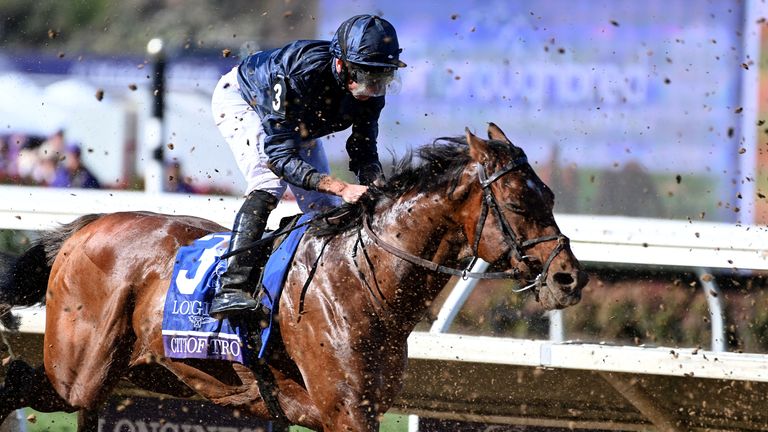
Breeders have been keen to tap into his distinctive pedigree, which blends the best of international bloodlines. The first foals on the ground have not disappointed; early photos and reports indicate they possess the strong hindquarters, elegant movement, and presence that defined their sire.
Many in the industry expect City Of Troy’s offspring to attract high prices at future sales and to feature prominently among the top racing prospects in upcoming seasons. The enthusiasm for these foals demonstrates the enduring appeal of champion lines in the world of thoroughbred racing.
The Importance of First Foal Crops
The arrival of a stallion’s first foals is a pivotal moment for any breeding operation. These young horses serve as a showcase of what the sire can pass on to his progeny, offering a first glimpse at how his genetics combine with varied broodmare lines. Early impressions from breeders and bloodstock agents often influence future breeding decisions and the commercial popularity of a stallion.
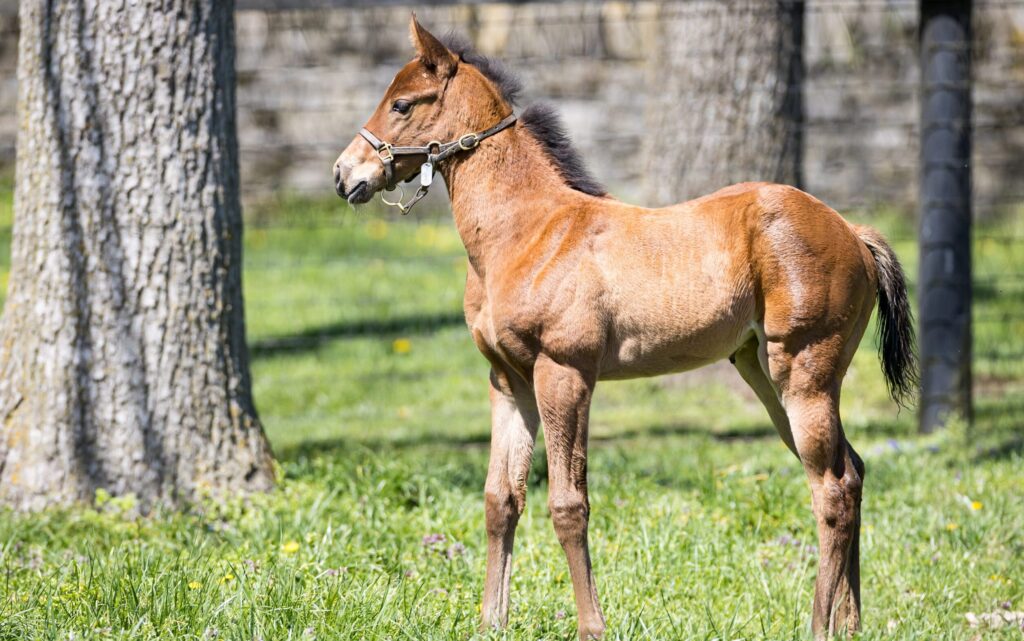
Initial foal crops also provide a foundation for future auction sales, where conformation, athleticism, and overall quality play significant roles in market valuations. With both Auguste Rodin and City Of Troy commanding significant attention, how their offspring develop in the coming years will not only affect their own reputations, but could shape the next generation of racing champions.
What Top Breeders Are Saying
Breeders who have welcomed foals by both stallions are already full of praise. Many cite the foals’ strong bone structure and balanced proportions. Some leading farms have noted that the foals from Auguste Rodin are especially forward and confident, while those by City Of Troy look likely to develop into powerful juveniles.
Both stallions have acquired solid support from major owner-breeders as well as respected commercial operations, ensuring a wide range of high-quality mares. This diversity is expected to broaden the impact of their progeny at track and sales ring alike.
The Future of Racing Bloodlines
With such promising starts, the first foals by Auguste Rodin and City Of Troy will be eagerly watched as they grow and begin training. Breeding is a long game, requiring patience and vision; but the early signs point to a bright future for both stallions as leading lights in the breeding shed.
As these youngsters mature, they’ll become the focus of pre-training assessments, yearling sales, and, eventually, their own careers on the racetrack. The story of their sires is far from over—if anything, it’s just expanding onto new ground. Racing fans around the world have much to look forward to as this chapter unfolds.