
Grand National Winner Euthanized After Suffering Broken Back in Race

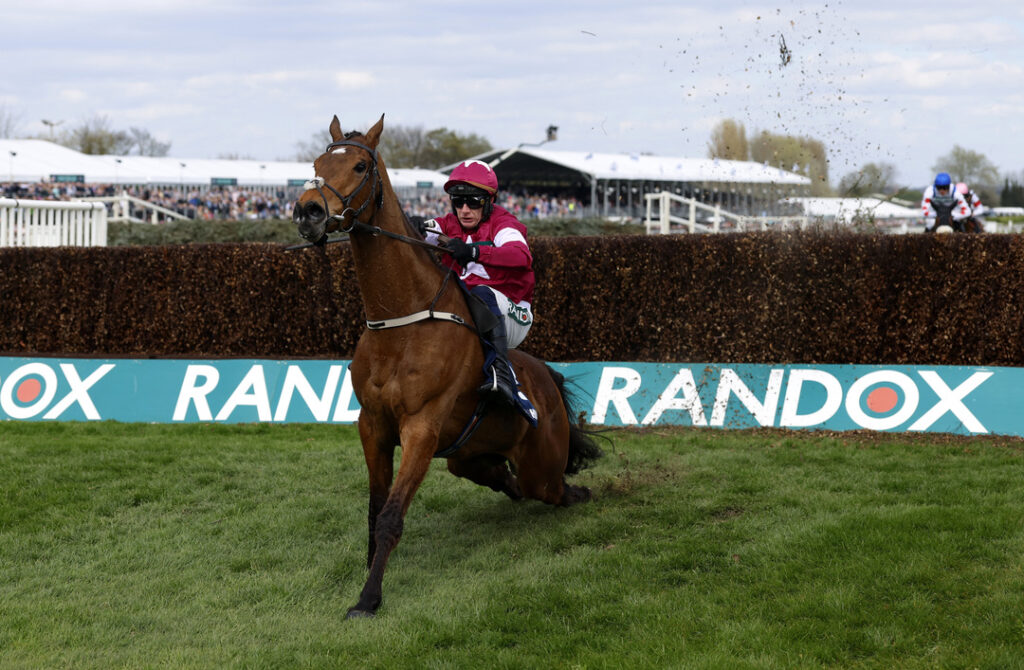
A Grand National victory turned tragic as a seven-year-old horse was put down after a devastating injury. The incident follows the deaths of four horses at the Cheltenham Festival in March, including one after the Gold Cup, raising ongoing horse racing safety concerns. Gold Dancer was competing in the Mildmay Novices’ Chase on Ladies Day at Aintree’s Grand National Festival, winning by around four lengths ahead of Regent’s Stroll.
According to Aintree Racecourse, the Grand National race winner was pulled up after the finish and immediately treated by veterinary staff but could not be saved. Jockey Paul Townend dismounted shortly after crossing the line as screens were put in place while emergency treatment was carried out.
The Nature of the Injury
Spinal injuries in racehorses are rare but often catastrophic. In this case, the horse reportedly sustained a severe back injury—an event that typically leaves no viable treatment options. Veterinary teams on-site acted swiftly, but the severity of the damage necessitated euthanasia on welfare grounds.
Unlike more common limb injuries, spinal trauma presents immediate and irreversible complications. The decision to euthanize is based on preventing further suffering, aligning with established welfare protocols in elite racing environments.
Such incidents highlight the fragility of equine athletes, even at the peak of performance, and the narrow margin between success and tragedy in high-intensity races.
The Demands of the Grand National Course
The Grand National is widely regarded as one of the toughest races in the world. Covering over four miles and featuring 30 challenging fences, it tests not only speed but also stamina, jumping ability, and resilience.
| Race Element | Impact on Horse |
|---|---|
| Distance (4+ miles) | Extreme endurance demand |
| 30 fences | High technical difficulty |
| Varied terrain | Increased fatigue risk |
| Large field size | Greater collision potential |
These conditions contribute to the race’s prestige—but also to its risk profile. Even with ongoing safety improvements, the physical toll remains significant.
Renewed Scrutiny on Racing Safety
Incidents like this inevitably lead to renewed scrutiny of racing safety standards. Regulatory bodies, including the British Horseracing Authority, have implemented numerous changes over the years, from fence redesigns to stricter veterinary checks.
However, critics argue that the fundamental structure of steeplechase racing continues to pose unavoidable dangers. Advocates within the industry, on the other hand, emphasize the progress made in reducing fatalities and improving horse welfare.
For a broader perspective on equine welfare standards and safety initiatives, resources such as the equine welfare guidelines provide insight into how care protocols are evolving both within and beyond racing.
The Emotional and Industry Impact
The loss of a racehorse under such circumstances resonates deeply across the sport. Trainers, jockeys, and stable staff invest significant time and emotional energy into these animals, making such incidents profoundly personal.
At the same time, public reaction often extends beyond the racing community. High-profile events like the Grand National draw global attention, meaning tragedies are witnessed by a broad audience, amplifying calls for reform.
This dual impact—internal and external—continues to shape how the industry communicates about risk, responsibility, and welfare.
Balancing Tradition and Responsibility
The Grand National remains a cornerstone of horse racing tradition, but events like this force a reassessment of its future. The challenge lies in balancing the sport’s heritage with evolving expectations around animal welfare.
There is increasing emphasis on data-driven safety measures, including improved course design, stricter qualification criteria, and enhanced veterinary oversight. Yet the question persists: can the risks ever be fully mitigated in such a demanding format?
To explore how modern innovations are reshaping horse racing, our race safety analysis highlights the latest advancements improving safety standards across the sport.
A Sobering Reminder of Racing’s Realities

This tragic incident serves as a stark reminder that behind every race lies a complex balance of performance and risk. While victories are celebrated, they exist within a sport where outcomes can change in an instant.
The death of a winning horse following such a historic race reinforces the need for continued vigilance, innovation, and accountability. It is a moment that challenges the industry to reflect—not only on how races are run, but on how the welfare of its most important participants is protected.
In the end, the story is not just about a race won, but about the responsibility that comes with it.