
Hawthorne Race Course Sale Puts Racing On Deadline
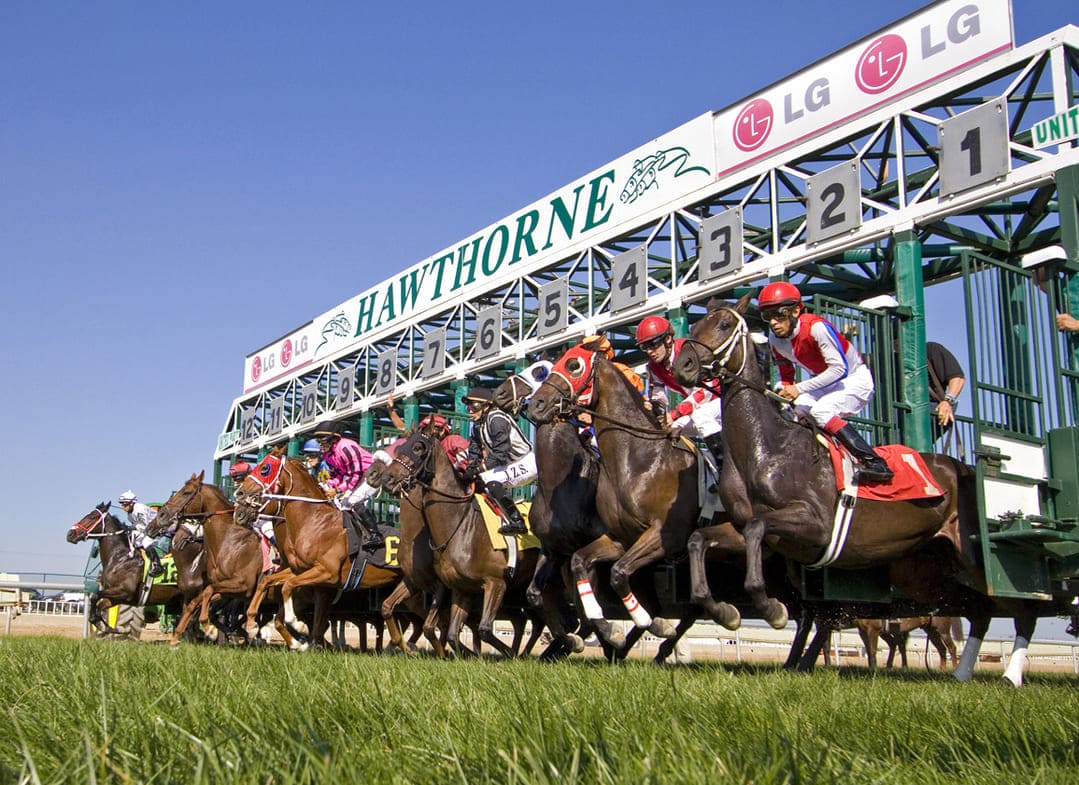
The Hawthorne Race Course sale is not just a bankruptcy story with a Chicago address. It is a live test of whether an old racing property can still be valued as a racing business when debt, land value, casino delays, and weaker regional economics are all pressing at once.
That makes the next stretch feel unusually consequential for Illinois horse racing. The lesson also reaches beyond Hawthorne, because Derby betting markets rely on a broader racing ecosystem that still needs local circuits, horse supply, owner confidence, and regular fan engagement to keep the sport healthy.
Hawthorne Race Course Sale Is Bigger Than One Track
Hawthorne has carried a weight that few regional tracks could absorb easily. After Arlington International Racecourse closed, Chicago-area racing lost a major pillar. That left Hawthorne as the central name tied to whether the market could still support a serious racing future.
The deeper question is whether the winning buyer wants racing to continue.
A racing-oriented buyer could preserve the track’s role and keep alive the idea of a future racino. A buyer focused mainly on the land could look at the same property and see a very different opportunity. That tension is why this sale feels like more than a balance-sheet cleanup.
The Deadline Is Now The Real Story
Bankruptcy creates process, but it also creates urgency. The updated court timetable gives potential bidders until July 10, sets a July 14 auction if needed, and schedules a July 20 sale hearing under the updated court timetable.
That sequence matters because racing cannot operate on vague hope for long. Trainers, owners, breeders, employees, vendors, and horseplayers all read uncertainty differently, but they all react to it.
A barn deciding where to send horses wants clarity. An owner deciding whether to stay in a local program wants a reason to believe there will be opportunity. A bettor looking at regional cards wants fields that feel competitive enough to justify attention.
When a track’s future depends on a court-supervised sale, the court clock becomes part of the racing calendar.
Why A Stalking-Horse Bid Changes The Pressure
A stalking-horse bid is not the final word. It is the opening structure that gives a bankruptcy sale a floor and forces other interested parties to decide whether they are serious.
That can be useful. It prevents a distressed asset from drifting without a number attached. It also creates pressure. Once a floor bid exists, every other possible buyer must decide whether the property is worth more to them and, just as important, what they would do with it.
For Hawthorne, that distinction is everything.
A bidder interested in racing would likely evaluate the track through operating potential, gaming opportunity, horsemen relations, and long-term industry positioning. A bidder interested in redevelopment may view racing as an obstacle, a temporary use, or a feature that does not maximize the land.
The sale process may produce a higher number. It may also reveal whether racing use is still competitive against non-racing economics.
Real Estate Is Racing’s Hardest Rival
The hardest opponent for a historic track is not always another racetrack. Sometimes it is the land underneath the grandstand.
That is especially true near a major metropolitan market. A racing property can hold cultural meaning, employment value, agricultural connection, and betting history. But when the land itself becomes more valuable than the racing operation, sentiment has to compete with development math.
That is the uncomfortable reality behind Hawthorne.
Illinois racing needs facilities, dates, purse support, horse population, and betting interest. Real estate buyers need a price and a plan. Those are not equal burdens. Racing asks a buyer to preserve a complicated business. Redevelopment can sometimes offer a cleaner investment story.
That is why the Hawthorne process has become a real estate math problem as much as a horse racing problem.
The strongest racing outcome would likely require a buyer who sees the track not as a relic, but as an underused platform. That means racing, wagering, entertainment, gaming, and community value would need to work together rather than compete for the same shrinking attention.
Key Signals That Will Reveal The Industry Pressure
The sale should not be judged only by the winning bid. The more useful read is what the buyer’s plan says about racing’s place in the property’s future.
| Signal | Why It Matters | Industry Meaning |
|---|---|---|
| Racing-focused buyer emerges | Shows confidence in the track as an operating business | Illinois keeps a clearer pathway forward |
| Real-estate-led buyer wins | Suggests land value outweighs racing value | Chicago racing loses leverage |
| Higher competing bids appear | Tests whether the $90 million floor was too low | More bidders may change the outcome |
| Racino plan remains possible | Gives racing a stronger revenue argument | Long-term viability improves |
| Racing commitment stays vague | Creates uncertainty for horsemen and bettors | The local circuit remains fragile |
The table shows why the next step is not just legal procedure. It is a market signal.
The current bankruptcy sale puts that question in a sharper frame. A $90 million stalking-horse bid from ALLIMAC 2023 has set the current floor in the minimum auction price, but the key issue is not only how high the final number climbs.
If the buyer commits to racing, the industry gains time and a possible rebuilding path. If the buyer avoids that commitment, the sale could become another example of a historic track losing to forces outside the sport.
The Industry Lesson Is Bigger Than Chicago
Hawthorne’s situation sits inside a larger national problem. Regional racing is being asked to survive in a market where sports betting has become mainstream, casino competition is mature, operating costs are high, and horse supply is not unlimited.
The old model depended heavily on local loyalty, regular attendance, and a reliable circuit structure. The newer model demands stronger wagering products, better facilities, alternative revenue, and a clearer reason for owners to keep investing.
That is a difficult transition even for tracks without bankruptcy pressure. For Hawthorne, the transition is compressed into a sale process.
The threat is not simply that one venue changes hands. The threat is that Illinois loses more of the regional racing supply needed to support barns, horsemen, fans, and future bettors. Once a circuit thins out, rebuilding it becomes much harder than preserving it.
That is why the Hawthorne Race Course sale deserves attention beyond Chicago. It will show whether a historic racing property can still attract a buyer willing to carry the sport forward, or whether another major market is about to learn that tradition alone cannot beat the economics of land.