
Haydock’s Track Repair Delay Shows Racing Safety Can No Longer Be Assumed
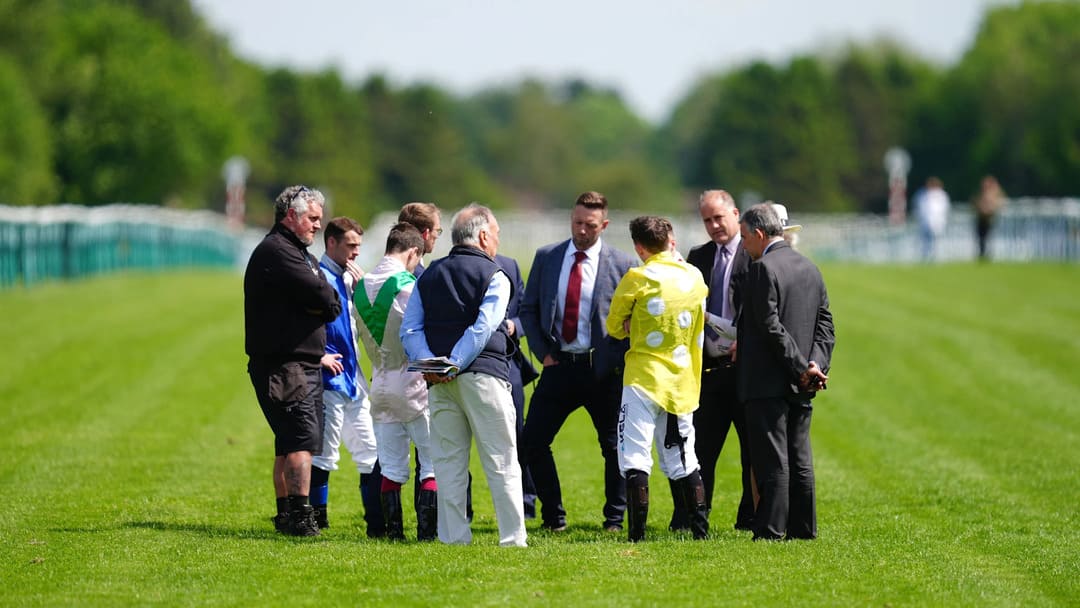
Haydock track safety has become the story because the issue is no longer just about lost fixtures. When a hole appears in a racing surface and repairs push a major course toward an August return, the sport has to prove that horse welfare, rider safety and public trust are stronger than the pressure to keep the calendar moving.
Haydock Park plans to resume racing on Friday, August 7, after further July cancellations tied to repair work on the Flat outer course. The issue fits directly into the wider horse racing archive, because surface safety is not a technical footnote; it is one of the clearest tests of whether racing’s welfare language survives operational pressure.
Haydock Track Safety Has Become The Main Question
Haydock’s situation began with a hole that appeared during racing in May, forcing the course into a longer investigation and repair process than a routine surface issue would require. The latest August return plan says fixtures scheduled for July 17 and July 18 have been cancelled so repairs to the outer course can be completed.
That timeline matters. Racing can absorb fixture disruption, but confidence is harder to rebuild when the racing surface itself becomes uncertain.
The key issue is not whether Haydock can stage racing again. The issue is whether the course can show participants that the repair process has been deep enough, careful enough and transparent enough to justify that return.
Surface trust is fragile because horses and riders depend on ground they cannot fully examine at speed.
The Hole Was A Warning About Hidden Risk
A visible hole is alarming, but the larger concern is what it represents beneath the turf. Haydock’s investigation has narrowed the cause to a fissure linked to historic mining activity in the area, with a previous repair having deteriorated and created instability below the surface.
That is the kind of detail that changes the tone of the story. This was not simply a patch of bad ground after weather. It involved a hidden structural weakness, one serious enough to require independent experts, structural engineers and a more durable repair using modern materials and layered repair techniques.
Racecourses are built on land with histories. Drainage, previous works, local geology and older infrastructure can all sit below a surface that looks race-ready from above.
That is why the Haydock case is important beyond Merseyside. It reminds the sport that racing surfaces are not static assets. They need surveillance, mapping, maintenance and humility.
Fixture Disruption Is Secondary To Welfare
The cancellations are significant. The July 18 fixture is now scheduled to take place at Nottingham, while the July 17 meeting still needs rescheduling. Earlier changes had already moved other Haydock programmes, including the July 4 Old Newton Cup card to Newmarket, with BHA fixture changes also creating an additional Chepstow meeting after Haydock disruption affected the programme.
Still, fixture disruption cannot be the dominant complaint when safety is involved.
The sport’s first responsibility is not to preserve convenience. It is to avoid placing horses and jockeys on a surface that has not been adequately investigated. Caution is not weakness when the alternative is racing over uncertainty.
Key Takeaways From Haydock’s Delay
The Haydock repair process offers a useful snapshot of what racecourse accountability now has to look like. The most important points are not only about dates; they are about how racing manages risk when a surface problem becomes structural.
| Key Takeaway | What It Means | Why It Matters |
|---|---|---|
| August 7 is the planned return | Haydock is targeting a controlled restart | The course is prioritizing repair time over rushing back |
| July 17 and 18 are cancelled | More fixtures are affected before racing resumes | The schedule remains secondary to surface certainty |
| Historic mining is part of the issue | The problem appears linked to deeper ground conditions | Racecourse safety can involve hidden land history |
| Ground radar has been used | The course has mapped wider anomalies | Safety checks are expanding beyond the original hole |
| Inner course racing is planned first | The outer course needs recovery after repair | Return-to-racing may be phased rather than complete |
That table shows why this cannot be treated as a one-line cancellation story. The delay is also a case study in how a racecourse manages risk once the public knows the ground has failed.
Bettors Also Depend On A Safe Surface
Track safety is usually discussed through horse and jockey welfare, and that is right. But bettors also depend on the surface being reliable.
A horse race is already full of uncertainty: pace, trip, tactics, fitness, draw, temperament and competition. The one thing racing must not add is avoidable doubt about whether the ground beneath the runners is safe or structurally sound.
If a course has a known issue, the betting product changes. Handicapping becomes secondary to confidence. Form analysis matters less if the venue itself is under suspicion.
That does not mean bettors should panic when a course experiences a problem. It means the industry must understand that confidence supports the market. Trust in the surface supports trust in the race.
Haydock’s decision to delay further, investigate fully and explain the repair process is therefore not only a welfare measure. It is also a credibility measure.
The Next Test Is Transparency After Repairs
The pressure will not end when Haydock reopens. The next stage is how the racecourse communicates confidence once racing resumes.
Participants will want to know what has been repaired, what areas have been surveyed, how the inner course has been prepared, and how the outer course will be monitored as it recovers. The public does not need engineering diagrams, but racing does need clear language that explains why the surface is fit for purpose.
That clarity matters because modern racing operates under constant welfare scrutiny. When a course problem becomes public, silence can look like defensiveness even if good work is happening behind the scenes. The replacement fixture detail shows how quickly one course problem can ripple across the national schedule. Trainers lose planned targets. Owners lose local opportunities. Racecourses inherit replacement responsibilities. Bettors and racegoers must adjust.
Haydock has already signaled that enhanced maintenance will follow the ground radar work. That is the right direction. The sport should be willing to say that a safety incident changed the inspection map and improved the maintenance system.
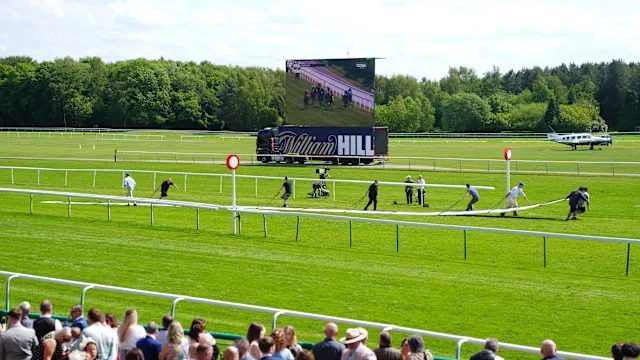
Racecourse Safety Is Now Part Of Racing’s Public Contract
Every racecourse asks horses, jockeys, trainers, owners and bettors to trust the surface. That trust has to be earned repeatedly, not assumed because racing has always taken place there.
Haydock’s delay is frustrating for the fixture list, but frustration is not the strongest emotion here. The stronger point is accountability. When a track has a hidden structural problem, racing must slow down, investigate and return only when the surface has earned back confidence.
That is the standard the sport needs, especially as weather, infrastructure, drainage, land history and fixture pressure all place new demands on racecourses.
The Haydock track safety story matters now because it shows that racecourse operations are no longer background machinery. They are part of the welfare argument, the betting product and the public’s confidence in racing. Haydock’s return in August will not simply be a resumption; it will be a test of whether the sport can turn a surface failure into a stronger safety culture.