
The Heat Decision That Shows Racing’s Welfare Line Has Finally Become Non-Negotiable
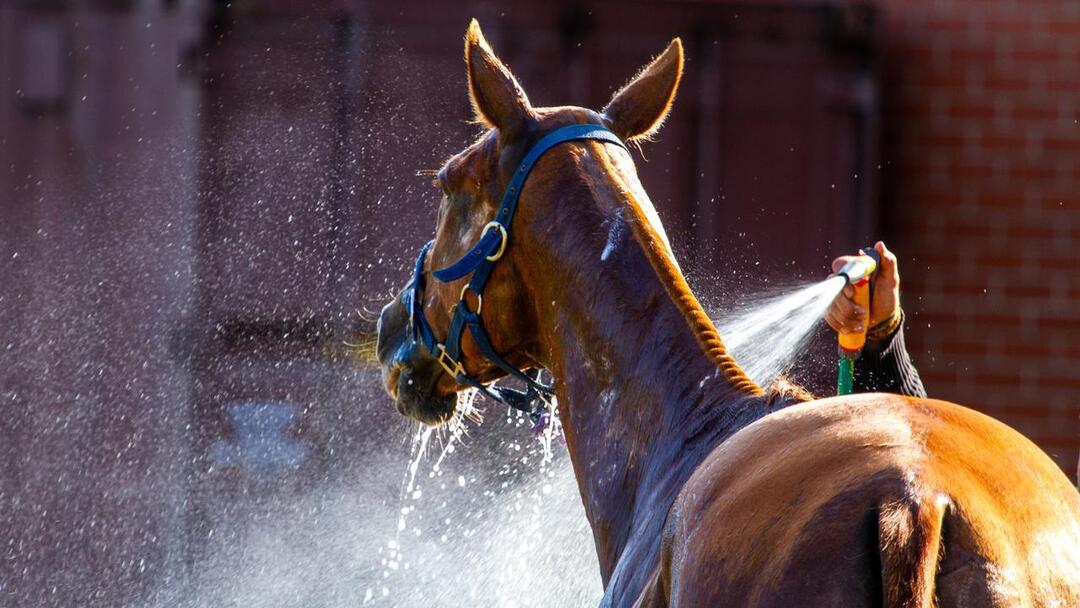
The latest horse racing heat abandonments in Britain are not just a fixture-list inconvenience. They are a clear signal that racing’s welfare decisions are being forced into sharper public view as extreme weather becomes harder to manage around transport, track conditions and horse safety.
The British Horseracing Authority confirmed that Wednesday’s fixtures at Kempton Park, Salisbury, Worcester and Ffos Las were abandoned because of forecast high temperatures and a red extreme heat warning affecting parts of England and Wales. For a sport already under constant welfare scrutiny, Alex Brown Racing’s wider horse racing archive gives this decision a natural place inside a bigger conversation about responsibility, risk and public trust.
Horse Racing Heat Abandonments Are A Welfare Test
A race meeting can be rescheduled. A horse pushed through dangerous heat cannot be managed with the same casual flexibility.
That is the central point behind the BHA’s decision. The official BHA abandonment announcement made clear that the affected fixtures were called off after the Met Office issued a red extreme heat warning from Wednesday morning to Thursday evening. The decision also covered transport risk, not just conditions at the racecourse.
That detail matters. Horses do not simply appear in racecourse stables. They travel, unload, wait, cool down and recover. In dangerous heat, the journey itself becomes part of the welfare equation.
The fixture list cannot be the first priority when the weather creates risk before a horse even reaches the track.
The Transport Question Makes This Bigger Than The Racecourse
It is easy to think of abandonment as a local racecourse issue. Is the ground safe? Are water and cooling facilities available? Can staff work safely? Those questions matter, but the heat decision reaches further.
The BHA noted that horses should not be moved from or through red warning areas. That changes the frame from event management to industry logistics.
A course outside the most severe zone may still become impractical if horses must travel through high-risk areas. Ffos Las illustrated that wider issue because its location was affected by routes connected to the warning area.
That is the kind of operational detail the public may not always see. Racing’s welfare standard is not only judged by what happens in the paddock or on the track. It is judged by whether the sport recognizes risk across the full chain of preparation.
Extreme Weather Is No Longer A Rare Disruption
British racing has always dealt with weather. Heavy rain, frost, waterlogging and firm ground have long shaped the calendar. Heat is different because it affects horses, staff, transport, spectators and emergency planning at once.
The wider heatwave context was significant. Thoroughbred Daily News reported that four meetings were abandoned as Britain faced forecast temperatures potentially reaching the high 30s Celsius. That turns the decision into more than a one-day cancellation.
Racing cannot treat summer heat as an occasional scheduling annoyance. Hot-weather protocols now sit inside a larger climate and welfare discussion.
That does not mean every warm day should lead to cancellation. It means racing needs clear thresholds, transparent decisions and enough flexibility to act before welfare concerns become visible problems.
The Real Pressure Is On Planning
The abandonments were the immediate decision. The longer-term question is whether the racing calendar, race times, transport rules and course infrastructure are adapting quickly enough.
| Pressure Point | Why It Matters | Practical Question |
|---|---|---|
| Red heat warnings | Signal severe risk to people and animals | Should racing pause automatically in affected zones? |
| Horse transport | Risk begins before arrival at the track | Can routes be safely managed in extreme heat? |
| Staff safety | Stable teams work in exposed, physical conditions | Are working hours and facilities adequate? |
| Race timings | Earlier starts may reduce peak-heat exposure | Should summer fixtures become more flexible? |
| Public trust | Welfare decisions shape racing’s reputation | Does the sport act early enough? |
A fixture can be moved, but confidence is harder to restore if racing appears slow to protect horses. That is why these decisions matter beyond the lost races.
Public trust is part of welfare policy now. A sport that depends on horses must be seen to put horses first before pressure forces its hand.
Abandonment Is Not Failure If The Risk Is Real
Some will always view abandonments through frustration. Owners lose opportunities. Trainers adjust plans. Racecourses lose revenue. Bettors and racegoers lose a day they expected to follow.
Those frustrations are real. They still do not outweigh the welfare argument.
Abandoning a fixture because the risk is too high is not a failure of racing. It is evidence that welfare protocols have weight. The bigger failure would be pretending that a dangerous forecast can be managed simply because a card has already been scheduled.
Racing’s challenge is to make these decisions predictable enough that stakeholders understand them. Clear communication helps reduce confusion and resentment, especially when the risk involves both racecourse conditions and transport.
The strongest welfare systems are not built on last-minute panic. They are built on rules that can be applied even when cancellation is unpopular.
The Next Pressure Point Is Summer Racing’s Shape
This week’s abandonments should not be viewed as a standalone story. They should push a deeper review of how racing handles hotter summers.
Earlier start times, flexible rescheduling, more robust cooling infrastructure, transport restrictions and clearer public messaging may all become more important. The sport may also need to accept that some summer fixture patterns will come under greater pressure as heat warnings become more disruptive.
That does not weaken racing. It strengthens it.
A sport that adapts around horse welfare is better positioned than one that waits for criticism. The most serious question is not whether four fixtures were lost. It is whether racing uses the moment to make future decisions faster, clearer and safer.
The horse racing heat abandonments show that welfare cannot be treated as a slogan when conditions become dangerous. If racing wants public confidence, it must keep proving that the horse comes before the timetable, the market and the pressure to run.
FAQ’s
Why were the British horse racing fixtures abandoned?
The fixtures were abandoned because forecast high temperatures and a red extreme heat warning created welfare and safety concerns. The decision also considered horse transport through affected areas, not only conditions at racecourses.
Does heat affect racehorses during travel?
Yes. Travel can add stress before a horse reaches the course, especially during extreme heat. Loading, standing, unloading and recovery all become more difficult when temperatures and humidity rise sharply.
Will heat abandonments become more common?
They may become more frequent if extreme heat warnings affect racecourses or transport routes. Racing authorities will likely need more flexible scheduling, cooling plans and clear welfare thresholds.