
Monmouth’s Heat Cancellation Shows Summer Racing’s Welfare Test Is Spreading
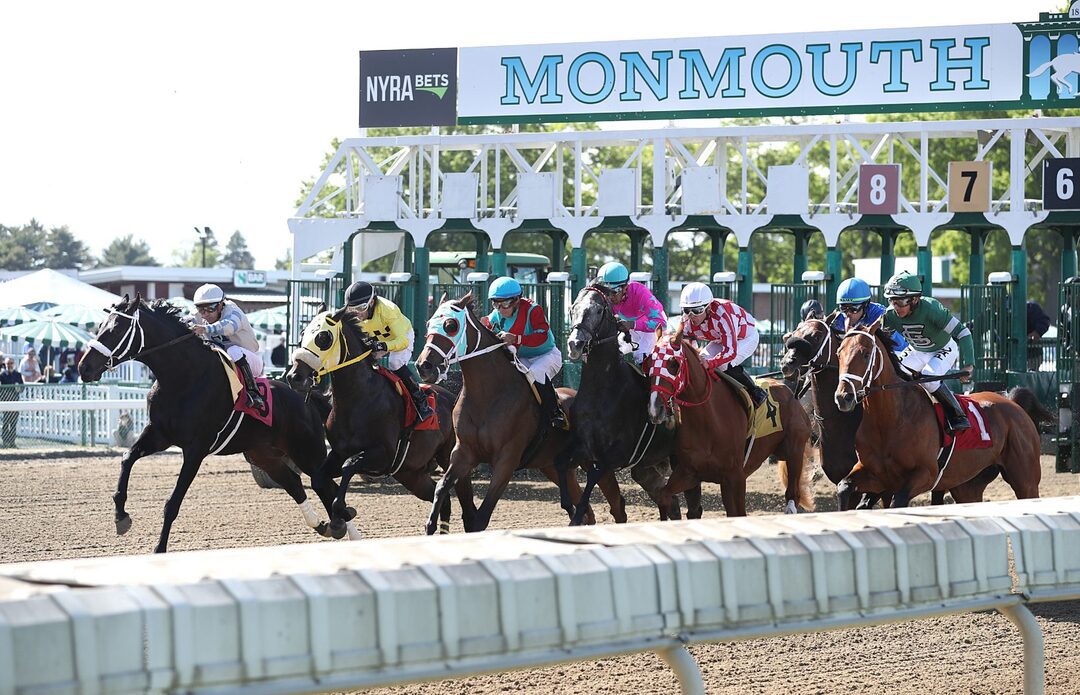
Horse racing heat cancellations are no longer isolated summer interruptions. Monmouth Park’s decision to cancel its Friday, July 3 card because of forecast extreme heat shows how quickly weather can turn from a scheduling inconvenience into a welfare test for horses, jockeys, staff, bettors, and racetrack operators.
The sharper issue is not whether one holiday-weekend card had to move. It is whether racing is willing to treat heat as a front-line safety concern before horses are asked to perform, a standard that fits naturally with the sport’s wider horse welfare work rather than sitting outside it.
Horse Racing Heat Cancellations Are Becoming A Summer Pattern
Monmouth Park’s official update confirmed that live racing for Friday, July 3 was cancelled due to forecasts calling for extreme heat, with the six scheduled races to be used as extras for Sunday. The track remained open for simulcasting, but the live racing product was pulled back because conditions were expected to cross a safety line.
That distinction matters. A racetrack can keep parts of its business open while still deciding that live competition is not appropriate. That is not a contradiction. It is exactly the kind of separation racing may need more often in extreme weather.
The wider week has shown similar pressure across the U.S. racing calendar. A cluster of heat-related disruptions has affected multiple tracks, with Colonial Downs rescheduling its Friday card and several other venues facing cancellation or adjustment during the same stretch. The pattern gives Monmouth’s decision more meaning than a one-track weather note.
Heat is now operational risk, not just discomfort.
Monmouth’s Decision Was About More Than One Card
The Monmouth cancellation came at an awkward time. July 4 weekend is not a throwaway slot for American racing. It brings families, casual fans, holiday traffic, simulcast interest, and promotional planning that tracks would rather not interrupt.
That is precisely why the decision carries weight. It would have been easier, commercially and emotionally, to hope conditions were manageable and push through. Instead, Monmouth’s Friday cancellation notice made clear that the live card would not proceed.
For horsemen, that changes race placement. For bettors, it changes weekend handicapping. For the track, it disrupts operations. For horses, though, the question is simpler: should they be asked to run in conditions that officials already believe may be unsafe?
The answer has to come before the first race, not after heat stress becomes visible.
The Welfare Calculation Is Harder Than Temperature Alone
A hot day is not measured only by the number on a thermometer. Humidity, direct sun, wind, recovery time, transport, paddock conditions, surface temperature, shade, water access, cooling facilities, and race spacing all influence the actual risk.
That is why heat management cannot be reduced to a casual “it is summer” argument. Racehorses generate enormous body heat during competition. They then need to cool efficiently after exertion. When humidity is high, that recovery process becomes harder.
New York’s heat protocol language makes the danger clear. If the NOAA heat index reaches 105, the track veterinarian is expected to alert racing officials and management, with cancellation advised when local conditions are dangerous for horses and riders. That heat management protocol gives racing a more serious framework than instinct or tradition.
The threshold is welfare, not convenience.
Key Signals Behind The Latest Heat Disruptions
The latest cancellations should be read as signals about how summer racing is changing. The table below shows the practical pressure points that now matter whenever heat begins to shape the race calendar.
| Signal | What Happened | Why It Matters |
|---|---|---|
| Forecast heat | Monmouth cancelled Friday live racing | Decisions are being made before horses are exposed |
| Race redistribution | Monmouth’s six races move as extras to Sunday | Tracks are preserving opportunities without forcing unsafe timing |
| Regional disruption | Multiple tracks adjusted or cancelled cards | Heat risk is spreading across the calendar, not staying local |
| Protocol reminders | Regulators are emphasizing heat monitoring | Racing is being pushed toward clearer safety triggers |
| Holiday timing | July 4 weekend cards carry commercial pressure | Welfare decisions must survive business pressure |
The key takeaway is that cancellations are not the failure. The failure would be treating dangerous heat as a normal inconvenience until something goes wrong.
Bettors Should Read Heat As A Race-Day Variable
Heat affects the betting conversation too, but not in the shallow way some markets treat weather. This is not simply about finding a horse that “likes firm ground” or guessing which trainer handles summer best.
Heat can change scratches, card structure, post times, race tempo, paddock behavior, warm-up routines, and recovery. A horse may be fit and well-meant but still face a more difficult physiological test if conditions are oppressive. A track that moves races, adds extras, or compresses cards can also change how bettors assess preparation and race flow.
That does not mean every hot-weather card should be avoided. It means the handicap has to include conditions honestly.
Weather changes the product because the race is not taking place in a vacuum. Every horse is competing inside a wider environment, and that environment can become the dominant factor.
The Industry Pressure Is Moving Toward Earlier Decisions
The next pressure point for racing is timing. Heat decisions are always harder when they are made close to post time, after horses have shipped, staff have arrived, bettors have wagered, and racegoers are already on-site.
Earlier decisions may frustrate people, but they are often kinder and clearer. Trainers can adjust. Tracks can communicate. Bettors can avoid confusion. Horses do not have to ship into conditions that later become unacceptable.
This is where racing’s future summer calendar may need more flexibility. Earlier post times, rescheduled cards, extra races on cooler days, improved cooling stations, stronger veterinary monitoring, and clearer public thresholds may all become part of the normal operating model.
The sport cannot control heat waves. It can control how seriously it plans for them.
Summer Racing Has To Earn Public Trust
Racing already faces intense scrutiny around horse welfare. Extreme heat raises that scrutiny because the risk is visible to everyone. Fans feel it. Staff feel it. Horses show it. The public does not need deep racing knowledge to understand that hard exertion in dangerous heat deserves caution.
That makes the current wave of horse racing heat cancellations a test of credibility. If tracks cancel early and explain why, they may lose a card but gain trust. If they push too hard, the reputational cost could be far greater than one afternoon’s handle.
Monmouth’s cancellation should be read as part of a broader shift. Summer racing is not disappearing, but the conditions under which it operates are changing. Heat now belongs in the same conversation as surface safety, transport welfare, veterinary oversight, and responsible scheduling.
The horse racing heat cancellations happening now matter because they show the sport being forced to choose what it values when weather and business collide. The opportunity is to make those choices before crisis arrives, proving that racing can adapt its calendar without compromising the horses at the center of it.