
The Turnout Mistake That Quietly Undermines Good Horse Care
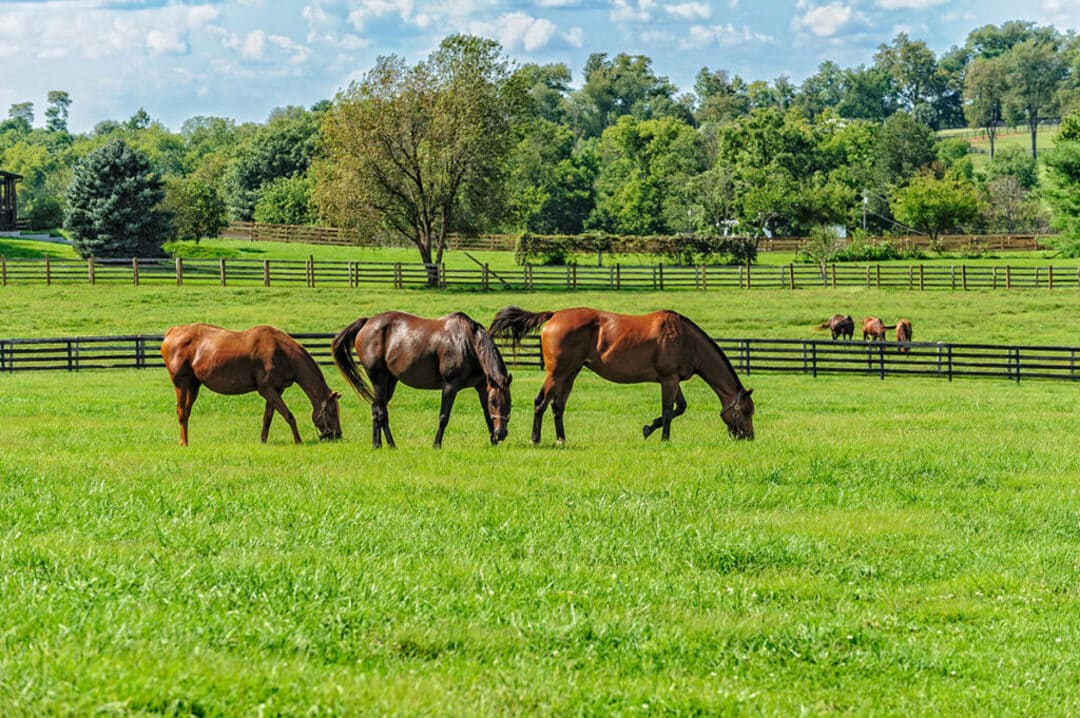
Horse turnout basics begin with a simple truth that too many stable routines still underestimate: movement is not an optional bonus for a horse. It is part of how horses regulate comfort, behavior, digestion, soundness and stress, which means turnout should be treated as a core welfare decision rather than a spare-hour convenience.
That does not mean every horse needs the same schedule, the same field or the same herd arrangement. Good turnout is practical, safe and adjusted to the individual horse, but it should still reflect the larger point behind responsible horse welfare work: horses are not built to spend most of their lives standing still.
Horse Turnout Basics Start With Movement As Care
Turnout is sometimes described as “free time,” but that phrase can make it sound less serious than it is. For a horse, turnout gives the body a chance to move naturally, shift weight, graze, observe, roll, rest and interact with the environment.
A stabled horse can be managed carefully and still miss important parts of normal daily movement. Hand-walking, riding and lunging can help, but they are structured human-directed activities. Turnout allows a different kind of movement: slow, frequent, self-regulated and connected to grazing and social behavior.
That distinction matters because movement is welfare, not just exercise. A horse that can move around a paddock may take hundreds of small steps that no training session can replicate. Those steps support circulation, joint mobility, mental engagement and general comfort.
The best turnout plans begin by asking what the horse needs, not what is easiest for the schedule.
The Stable Can Protect A Horse And Still Create Pressure
Stabling has a legitimate place in horse care. It can protect horses during extreme weather, injury recovery, feeding management, medical care, travel preparation or competition routines. A clean, well-ventilated stall with appropriate bedding is far better than an unsafe field.
The mistake is treating the stall as the default answer for every management problem.
Too much confinement can create pressure in quiet ways. Some horses become tense, dull, reactive or difficult to handle. Others cope outwardly but show subtle signs of frustration: pawing, weaving, door-watching, aggression at feeding time or a general lack of relaxation.
A horse that is calm in a stall may still benefit from more turnout. Calm does not always mean fulfilled. It can simply mean the horse has adapted to a limited routine.
That is why turnout planning should not be framed as stable versus field. The better question is how to balance shelter, safety, movement and social contact without letting convenience replace care.
Safe Turnout Depends On More Than Opening A Gate
Good turnout is not just releasing a horse into the nearest field. A poorly managed paddock can create its own risks, from bad fencing to mud, toxic plants, overcrowding, poor footing or incompatible herd groups.
The RSPCA horse environment guidance emphasizes practical basics such as shelter from sun, wind and extreme temperatures, along with dry areas where horses can stand and lie down. Those details matter because turnout should reduce stress, not exchange one welfare problem for another.
Owners should think about turnout as a managed system. Fencing must be visible and secure. Gates should open and close safely. Water must be clean and available. Shelter should match the climate. Ground conditions should be monitored after rain, drought, frost or heavy traffic.
The field also needs regular observation. A paddock that was safe in spring may become overgrazed in summer, slippery in winter or churned near gates after repeated use.
| Turnout Factor | Why It Matters | What Owners Should Check |
|---|---|---|
| Fencing | Prevents escape and injury | Broken rails, loose wire, sharp edges |
| Water | Supports hydration during turnout | Clean troughs, refilling, freezing or algae |
| Shelter | Protects from weather and insects | Shade, windbreaks, dry standing areas |
| Footing | Reduces slips, strain and hoof problems | Mud, holes, ice, deep ruts |
| Herd match | Lowers stress and bullying risk | Chasing, guarding resources, injuries |
| Grazing level | Affects diet and pasture health | Overgrazing, lush grass, bare patches |
Social Contact Is Often The Missing Piece
A horse turned out alone may still gain movement, fresh air and grazing time, but turnout becomes more complete when social needs are considered. Horses are social animals, and many benefit from seeing, touching or sharing space with compatible companions.
That does not mean every horse should be placed immediately into a large group. Some horses need gradual introductions. Older horses, young horses, injured horses, dominant individuals and anxious horses may all require careful pairing.
The goal is not chaos in the name of nature. The goal is managed social contact that lets horses feel secure without exposing them to unnecessary injury risk.
Owners should watch the herd, not just count the horses. A field with three companions may look ideal, but if one horse is constantly driven away from water or shelter, the arrangement is not working. A smaller turnout pair may be better than a bigger group if it creates calmer behavior and fair access to resources.
Good turnout is judged by the horse’s condition, behavior and safety, not by the number of horses in the field.
Pasture Management Turns Turnout Into A Long-Term System
Turnout also affects the land. Horses can be hard on pasture because they graze selectively, create worn paths, gather around gates and water, and damage ground when conditions are wet. Good turnout requires care for the paddock as well as the horse.
The British Horse Society stresses the value of pasture management whether a horse lives out full-time or is turned out for only part of the day. That point is easy to miss: even limited turnout depends on a field that remains safe, useful and well managed.
Rotating fields, resting grass, removing manure, checking for poisonous plants and controlling mud all make turnout more sustainable. Without that work, owners may end up reducing turnout because the field has become unsafe or unusable.
Diet also needs attention. Lush grass may be unsuitable for some horses, especially those prone to weight gain or metabolic concerns. Sparse pasture may require hay support. Turnout is healthiest when movement, grazing and nutrition are managed together.
The Warning Signs That A Turnout Plan Needs Rethinking
A turnout plan should never be fixed forever. Horses change with age, workload, weather, injury history and temperament. A routine that worked last year may need adjustment this season.
Warning signs can be physical or behavioral. Repeated minor injuries, stress at catching time, weight changes, poor hoof condition, resource guarding, fence-walking, boredom in the stall or anxiety during turnout all deserve attention.
Owners should also watch transitions. A horse moving from limited turnout to longer turnout may need gradual adjustment. Sudden changes in grazing, herd placement or field size can create avoidable stress.
The best turnout systems are reviewed often. The field tells a story through footing, grass cover, manure patterns and worn areas. The horse tells another story through posture, appetite, coat condition, social behavior and soundness.
Horse turnout basics are not about chasing a perfect schedule. They are about understanding that daily movement, safe space and thoughtful management shape the horse’s whole life. When turnout is planned carefully, it becomes more than time outside; it becomes one of the clearest measures of whether horse care is built around the animal’s real needs.
FAQ’s
How much turnout does a horse need each day?
There is no single turnout schedule for every horse. Many horses benefit from daily turnout, but age, health, weather, pasture quality, workload and veterinary advice should guide the exact routine.
Is turnout better than stabling?
Turnout and stabling serve different purposes. A stall can provide protection and control, while turnout supports movement and natural behavior. Good horse care often uses both in a balanced, horse-specific way.
Can a horse be turned out alone?
Some horses tolerate individual turnout, especially with nearby companions. Many do better with safe social contact. Owners should watch behavior closely and choose arrangements that reduce stress and injury risk.