
Scientists Explain How Horses Neigh and Produce Unique Sounds
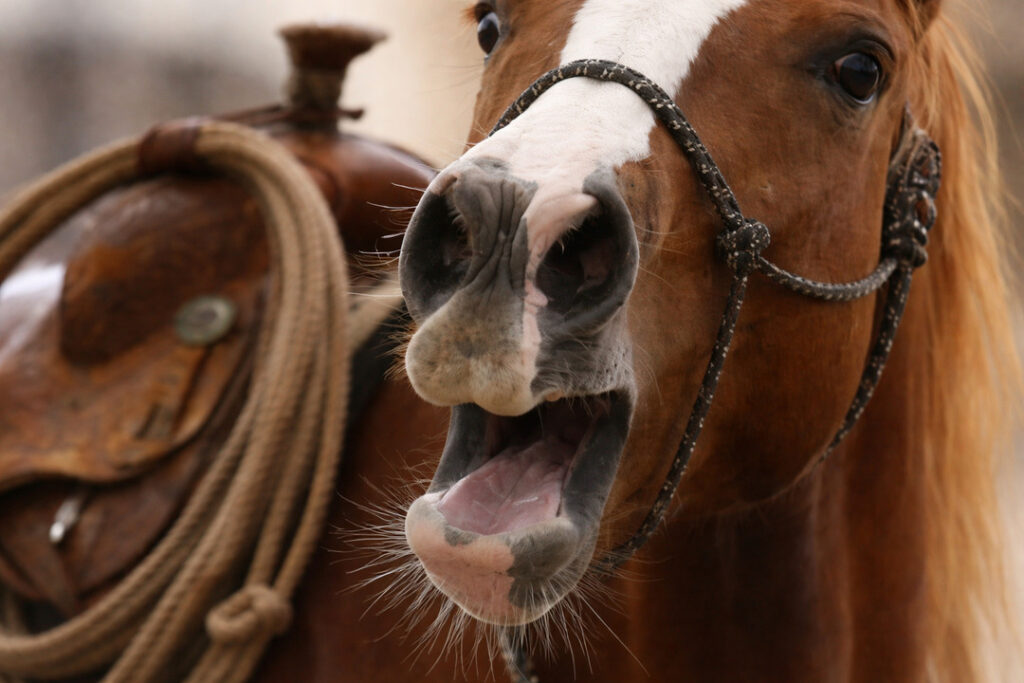
I’ve always found it fascinating that a horse’s neigh can feel both powerful and deeply personal. It’s not just noise—it’s communication layered with biology, emotion, and identity. Recent research into equine vocalization is finally giving us a clearer understanding of how horses neigh, and the findings reveal a complex system that rivals many other social animals.
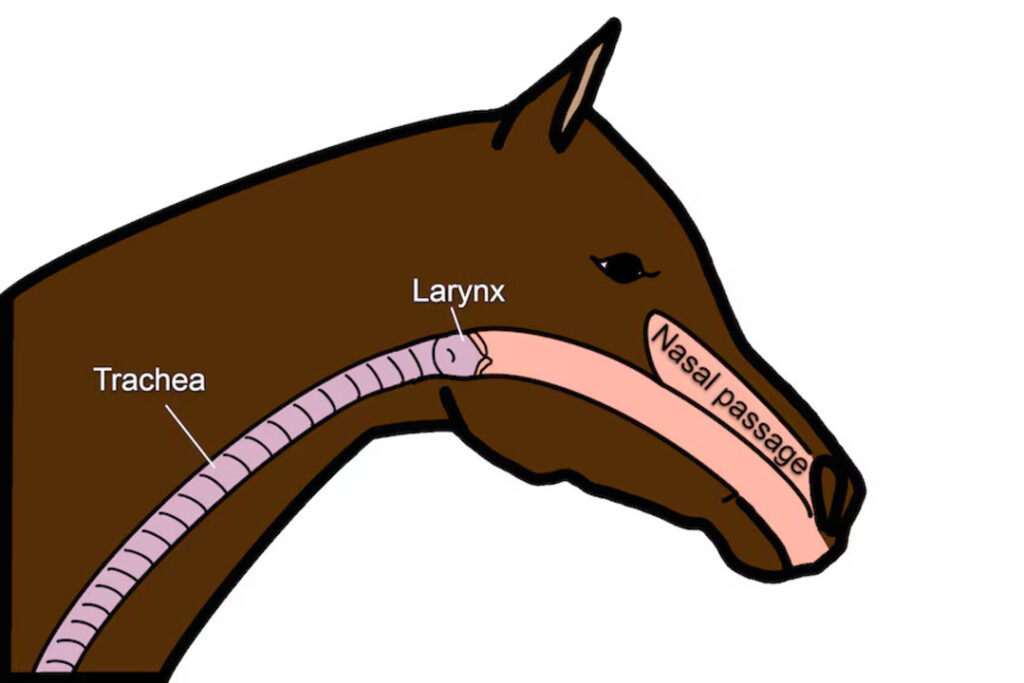
At its core, a neigh is produced in the larynx, where vocal cords vibrate as air passes through from the lungs. This is similar to how humans produce sound, but horses add their own anatomical twist. Their long vocal tract and large chest cavity allow them to generate deeper, more resonant tones, which is why a neigh can carry across large distances.
What makes this even more interesting is that horses don’t just produce a single type of sound. A neigh is often a combination of frequencies—high-pitched components layered over low, rumbling tones. This dual-frequency structure allows horses to communicate both urgency and identity at the same time.
Anatomy of a Horse’s Voice
Understanding how horses neigh requires a closer look at their physical structure. The equine vocal system is built for both power and nuance.
Key Components of Sound Production
| Component | Function |
|---|---|
| Lungs | Provide airflow and pressure |
| Larynx (voice box) | Vibrates to create sound |
| Vocal cords | Control pitch and tone |
| Nasal passages | Amplify and shape sound |
| Oral cavity | Adds resonance and variation |
The size and shape of these structures vary between horses, which explains why no two neighs sound exactly alike. Larger horses tend to produce deeper tones, while smaller breeds may have sharper, higher-pitched calls.
This variation is not random—it plays a role in recognition. Just as humans recognize voices, horses can identify each other through subtle differences in sound.
Why Every Horse Sounds Unique
One of the most compelling discoveries in equine science is that a horse’s neigh functions almost like a vocal fingerprint. Studies show that horses can distinguish between individuals based solely on sound, even when they are out of sight.
This uniqueness comes from several factors:
- Vocal cord tension and length
- Shape of the nasal and oral cavities
- Emotional state at the time of vocalization
A relaxed horse produces a very different neigh compared to one experiencing stress or excitement. This emotional layer adds depth to the sound, making it not just identifiable—but meaningful.
This ties closely into broader insights about equine cognition and bonding, as explored in this equine emotional intelligence research, which highlights how horses interpret and respond to each other’s vocal cues.
The Role of Emotion in Horse Vocalization
Horses are highly social animals, and their vocalizations reflect that. A neigh is rarely neutral—it almost always carries emotional context.
Researchers have identified that:
- High-pitched, rapid neighs often signal excitement or separation anxiety
- Lower, prolonged sounds may indicate calmness or reassurance
- Repeated calls can signal distress or a search for companions
This emotional signaling is essential in herd dynamics. In the wild, horses rely on vocal communication to maintain cohesion, especially when visibility is limited.
From my perspective, this is where science meets something more intuitive. Anyone who has spent time around horses knows that their sounds feel expressive. Now we understand that this isn’t just perception—it’s backed by measurable acoustic patterns.
How Far Can a Neigh Travel?
One of the most practical aspects of how horses neigh is their ability to project sound over long distances. A neigh can travel up to a mile or more under the right conditions.
This range is made possible by:
- The horse’s powerful lung capacity
- The resonance created by their large body
- The frequency layering within the sound
Low-frequency components travel farther, while high-frequency elements provide clarity. Together, they create a signal that is both audible and recognizable, even across open landscapes.
This capability has evolutionary advantages. In natural environments, it allows separated herd members to reconnect quickly, reducing vulnerability to predators.
Scientific Insights Into Horse Communication
Modern research has gone beyond basic observation, using acoustic analysis to break down horse vocalizations into measurable components. Scientists now examine:
- Frequency ranges
- Duration of calls
- Harmonic structures
Research on horse communication studies, horses adjust their vocalizations depending on social context, suggesting a level of intentional communication that was previously underestimated.
This aligns with broader trends in animal behavior research, where many species are being reevaluated for their cognitive and communicative abilities. Horses, it turns out, are far more sophisticated communicators than we once believed.
What This Means for Riders and Trainers

Understanding how horses neigh isn’t just an academic exercise—it has real-world implications for anyone working with them.
Recognizing the emotional cues in a horse’s vocalization can help:
- Identify stress or discomfort early
- Improve training responsiveness
- Strengthen human-horse relationships
For trainers, this means paying closer attention not just to body language, but to sound. A horse’s voice can provide immediate feedback about its mental state, often before physical signs become obvious.
In many ways, learning to interpret these sounds is like learning a new language—one that deepens trust and communication.
Conclusion: More Than Just a Sound
The more I explore the science behind how horses neigh, the clearer it becomes that these sounds are far more than simple calls. They are a blend of anatomy, emotion, and identity—each neigh carrying information that other horses can instantly decode.
From the mechanics of the larynx to the emotional signals embedded in tone and frequency, horse vocalization represents a sophisticated communication system that science is only beginning to fully understand.
What stands out most is how this knowledge reshapes our relationship with horses. By recognizing the meaning behind their sounds, we move from passive observers to active listeners—better equipped to understand, respect, and connect with these remarkable animals.