
No One Saw Golden Tempo Coming—Then Jose Ortiz Made Derby History
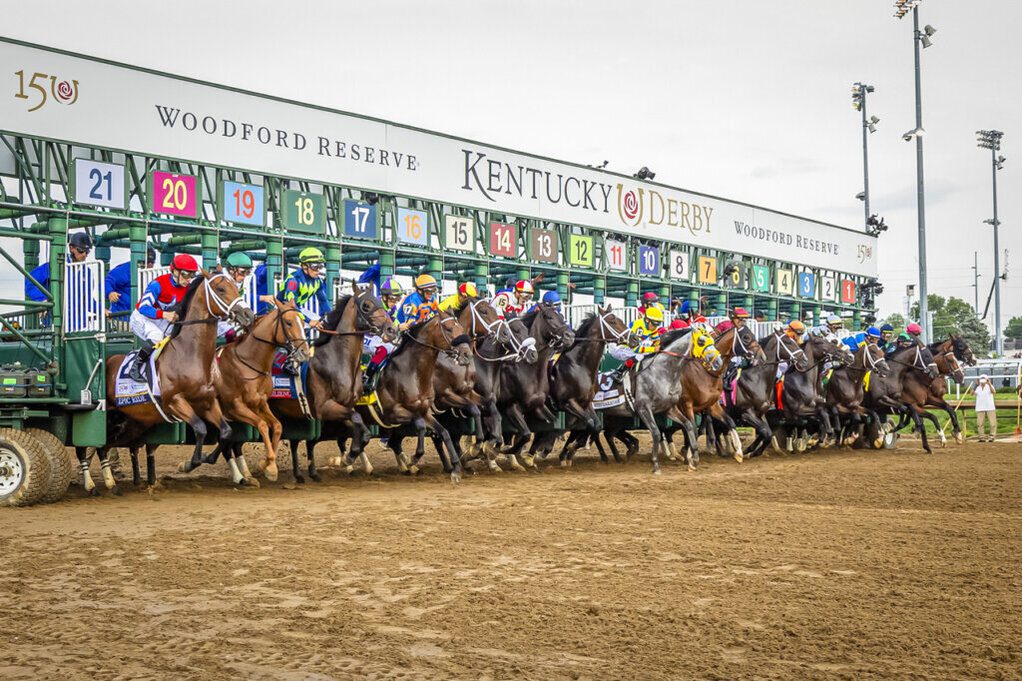
Golden Tempo did more than win the Kentucky Derby; he forced racing to reconsider how it reads form, pressure, and late-running courage. Jose Ortiz Derby history now matters because it was built from a position that looked almost impossible, then turned into one of the most revealing finishes Churchill Downs has produced in years.
The Derby Upset That Reframed The Race
The Kentucky Derby is supposed to reward talent, but it also punishes certainty. Every spring, the race absorbs confident opinions about pace, pedigree, post position, and public momentum, then tests them against twenty moving parts and one relentless stretch. Golden Tempo’s victory belonged to that familiar Derby chaos, yet it felt larger than a routine upset because it changed several careers and assumptions at once.
This was not merely a longshot finding lucky room. It was a colt trained by Cherie DeVaux, ridden by Jose Ortiz, and dismissed by much of the market until the last part of the race exposed what had been overlooked. Golden Tempo had enough quality to belong, enough stamina to keep responding, and enough resilience to make his strongest move after others had already reached for their best.
I read the result less as a shock from nowhere and more as a correction. The public saw odds. Ortiz felt rhythm. DeVaux trusted preparation. The difference between those perspectives became visible when Golden Tempo began to advance through the kind of Derby traffic that usually swallows closers before they can become threats.
Why Jose Ortiz Derby History Was Built On Patience
The official record of Jose_Ortiz Derby history will preserve the winner, the margin, the rider, and the trainer. What it cannot fully preserve is the discipline required to stay calm when the race appears_
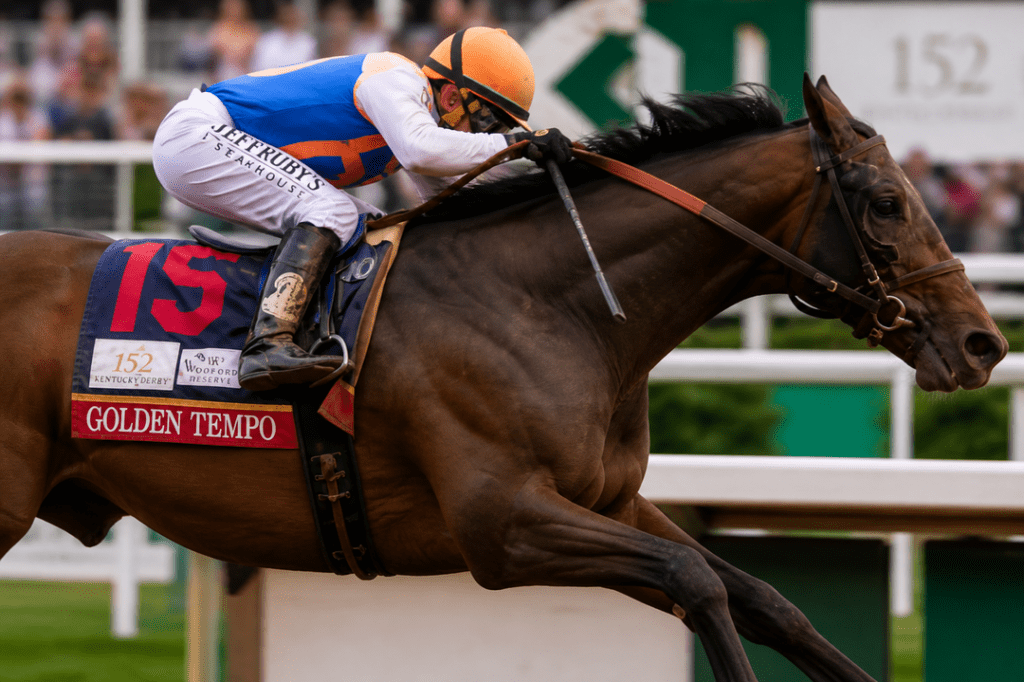
Ortiz’s ride worked because he understood a critical Derby distinction: being behind is not the same as being beaten. Golden Tempo was not controlling the race early, but he was still alive within it. That difference is easy to miss from the grandstand and even easier to miss on a betting screen. A rider with judgment can feel whether a horse is empty or merely waiting.
The move itself felt prepared rather than improvised. Ortiz did not yank Golden Tempo into a desperate run. He managed the colt into position, preserved energy, and asked for everything only when the race began to open. That is why the finish looked dramatic without feeling reckless. The drama came from the margin; the ride came from control.
For Ortiz, the win also closed a personal gap. A jockey can build an elite reputation across major tracks and still be judged differently until the Derby line appears on the résumé. The race is not always fair in that way, but it is powerful. Now his career has a defining Derby chapter, and it came through the qualities that made horsemen trust him in the first place.
Golden Tempo Was Mispriced, Not Meaningless
Long odds can distort a horse’s identity. Once a runner becomes a price, casual observers often treat him as decoration in someone else’s story. Golden Tempo’s Derby proved how dangerous that habit can be. He was not the obvious horse, but he was not meaningless. He had a running style, a foundation, and a trainer who believed there was more beneath the surface than the public conversation suggested.
The Derby creates unusual analytical pressure because the field is full of young horses still becoming themselves. Some need perfect trips. Some need early control. Some need the pace to collapse. Others simply need enough time for their strength to matter. Golden Tempo belonged in that final category, and the race finally gave him the environment to show it.
What made his performance convincing was not just the late charge. It was the way he stayed engaged after a difficult early position. Many horses can flash speed when everything goes right. Fewer can absorb inconvenience, stay mentally present, and still produce a decisive run. That kind of adaptation is hard to measure before the Derby and impossible to ignore afterward.
The market saw risk, and there was risk. No serious analysis should pretend otherwise. Yet risk is not the same as absence of talent. Golden Tempo’s price reflected uncertainty, public doubt, and the appeal of more familiar contenders. His finish revealed value that had been hiding behind a less fashionable profile.
Cherie DeVaux Turned A Milestone Into Proof
Cherie DeVaux’s achievement as the first woman to train a Kentucky Derby winner gave the result a historic force that extended beyond the race itself. But the most important part of the story is that she did not become historic through symbolism. She became historic by winning. That distinction matters because racing respects performance before it accepts narrative.
A trainer’s work is often quiet by design. The public sees the horse on race day, but the outcome is shaped by countless earlier choices: conditioning, equipment, feed, schooling, health management, and the decision to trust a horse’s natural style rather than force a more convenient one. DeVaux’s work showed up in Golden Tempo’s ability to stay composed, keep fighting, and answer Ortiz late.
Her win also reframed a conversation racing has needed for a long time. The sport loves tradition, but tradition should not become a gate that keeps achievement from being recognized quickly and fully. DeVaux did not ask to be placed at the center of history; she trained a colt who put her there. That gives the milestone authority.
The breakthrough will matter for young horsewomen watching the sport from barns, backside jobs, college programs, and small stables. Representation is strongest when it is paired with excellence. DeVaux gave them more than inspiration. She gave them evidence that the highest level is not reserved for one kind of résumé or one familiar path.

What The Finish Revealed About Pressure
Golden Tempo’s closing run was dramatic because it was late, but it was compelling because it was earned. The Derby stretch does not forgive hesitation. By that point, the crowd is roaring, the dirt has taken its toll, and every contender is trying to turn final reserves into history. A horse can look close to glory and still lose because another runner has saved one better answer.
Renegade’s presence made the finish even sharper. He did not vanish from the race. He fought well enough to make defeat painful and victory meaningful. The brother-against-brother layer, with Jose Ortiz beating a rival ridden by Irad Ortiz Jr., added emotional texture without needing exaggeration. Racing families understand that kind of tension better than anyone.
What impressed me most was Golden Tempo’s response once Ortiz committed. The colt did not simply drift past tired horses. He accelerated with purpose, carried the move, and reached the wire with the authority of a horse who still had something left to say. That is the difference between a lucky closer and a legitimate Derby winner.
The finish also exposed a common mistake in Derby thinking. Many observers overvalue the horse who appears safest on paper. Safety is attractive, but the Derby is rarely safe. The race rewards courage, tractability, and the ability to make one decisive move amid disorder. Golden Tempo had that combination when it mattered.
The Strategic Lessons Behind The Surprise
Golden Tempo’s win offers practical lessons for anyone who studies racing beyond the headline. The first is that pace context must be treated as a living variable, not a pre-race script. A Derby pace can pressure favorites, invite traffic, and create openings that only patient riders can exploit. Ortiz’s restraint turned potential disadvantage into leverage.
The second lesson is that public attention is not the same as probability. Popular contenders often dominate coverage because their stories are easier to explain. That does not mean they are false, only that they can crowd out subtler cases. Golden Tempo was a reminder that quiet contenders can carry real substance.
The third lesson concerns trainer intent. When a barn brings a horse to the Derby with conviction, observers should ask why. Trainers do not need public approval to understand their own horses. DeVaux’s confidence did not guarantee victory, but it signaled that Golden Tempo had been prepared for more than participation. That signal deserved respect.
| Factor | Why It Mattered |
|---|---|
| Patient Ride | Ortiz preserved energy instead of forcing an early move. |
| Late Stamina | Golden Tempo kept responding when the race became demanding. |
| Trainer Preparation | DeVaux had the colt ready for distance, traffic, and pressure. |
| Market Doubt | Long odds reflected public uncertainty, not proven inability. |
| Derby Chaos | The race rewarded adaptability over perfect early position. |
The broader lesson is not that every longshot should be believed. That would be careless. The lesson is that a price should invite more analysis, not less. Golden Tempo rewarded anyone willing to look past the obvious and weigh context with discipline.
Why This Win Matters For The Sport
Golden Tempo’s Derby belongs to racing history, but its meaning will continue to develop. For Ortiz, it supplies the Derby victory that changes how a career is introduced to casual fans. For DeVaux, it creates a historic first that should be celebrated without reducing her to a symbol. For Golden Tempo, it establishes a champion’s identity built on grit rather than hype.
The sport needed a moment like this because it showed racing at its best: tactical, emotional, unpredictable, and layered. A longshot won, but the win was not empty chaos. A woman trainer made history, but the achievement was grounded in horsemanship. A top jockey reached a career landmark, but he did it with patience rather than force.
That combination gives the result unusual depth. The Derby can sometimes become a spectacle that overwhelms the actual craft of racing. This finish pulled the craft back into focus. It asked viewers to consider not only who won, but how the winning was made possible.
Readers looking for deeper race context can review Golden Tempo’s Derby breakthrough as part of the broader conversation around how this result reshaped the 2026 Triple Crown picture.
The Triple Crown Question Is Not Simple
The Derby winner always creates the next question immediately. Should Golden Tempo run in the Preakness? The answer should sound simple, but it rarely is. The Triple Crown trail offers prestige, money, and national attention. It also compresses recovery, changes distance dynamics, and asks a young horse to return quickly after the most intense race of his life.
Golden Tempo has earned the spotlight, but that does not mean the spotlight should dictate the plan. DeVaux’s next decision will reveal whether the colt exits Churchill Downs with the right condition, attitude, and readiness. The best horsemen read the horse before they read the calendar.
The Preakness would offer a tempting chance to extend the story. It could also expose the danger of assuming that Derby momentum travels automatically. A horse who wins from deep at Churchill may face a different pace, a smaller field, or a tactical setup that changes the entire challenge. Ambition must be balanced with care.
That is where this story becomes more than a celebration. It becomes a test of management. Racing loves pursuit, but horses are not storylines to be pushed forward for convenience. Golden Tempo’s future should be shaped by soundness, recovery, and honest assessment. That kind of stewardship is part of championship horsemanship.
The Human Drama Behind The Professional Finish
The best sports moments hold more than one truth at a time. This Derby did. It was a betting upset, a rider’s breakthrough, a trainer’s historic first, and a horse’s athletic revelation. None of those meanings cancels the others. Together, they explain why the race already feels larger than a single result.
Ortiz’s victory resonated because elite professionals still carry unfinished ambitions. A jockey can win prestigious races, earn deep respect, and still feel the absence of the Derby. When Golden Tempo crossed the wire, that absence became closure.
DeVaux’s victory resonated because she turned possibility into fact. All the questions around her place in Derby history disappeared the moment her horse reached the finish first. The achievement was no longer something people could frame as hypothetical. It became reality.
Golden Tempo’s role should not be lost beneath the human storyline. The horse supplied the proof. Without his late run, the narrative stays suspended. With it, everything aligns: the ride, the training, the market mistake, and the historic meaning.
What Readers Should Take Forward
The easy lesson is that the Derby is unpredictable. The more useful lesson is that unpredictability does not erase judgment. Golden Tempo’s victory rewards a more serious way of watching races, one that respects favorites but refuses to be trapped by them. Public confidence can be informative, but it can also create blind spots.
For bettors, the race is a warning against lazy dismissal. For horsemen, it is a reminder that preparation can survive noise. For fans, it is proof that the most powerful stories are not always the ones promoted before the gate opens. The broader Golden Tempo Kentucky Derby win gave the sport a rare mainstream moment that did not need embellishment.
I would not call Golden Tempo’s win a miracle. Miracles imply mystery without structure. This was better than that. It was a race where preparation, patience, and opportunity met at the exact point where racing becomes brutally honest.
Jose Ortiz Derby history now belongs to a finish that rewarded restraint over panic and belief over public certainty. Golden Tempo matters because he reminded the sport that overlooked horses can still carry promise, that historic trainers still have to win the race in front of them, and that the Derby remains most powerful when it surprises us without betraying the logic of the game.