
The Keeneland Track Records discussion at the 2026 Fall Meet needs restraint as much as enthusiasm. The meet opened on October 2, 2026 and runs through October 24, 2026, so the first major sprint test has already taken place as of October 6. Without an official result chart supplied for every race already run, the safest analysis is to identify where the record threats were most logical, which horses were named in primary entry material, and what conditions would have been required for a legitimate clocking challenge.
Keeneland’s modern dirt records are best read within the post-2014 surface context cited in the research notes. That matters because a fast clocking from an earlier configuration or a different surface does not provide a clean comparison. The realistic candidates are not simply the most talented horses on a card. They are horses drawn into races at the right distance, with enough early speed, a favorable pace environment, and a track condition that allows speed to carry without exaggerating the meaning of the final time.
Keeneland Track Records And Modern Dirt Benchmarks
Keeneland Track Records Reset The Comparison
The modern dirt standard creates a narrower and more useful frame. The research notes list Drafted at 0:50.45 for 4½ furlongs on April 27, 2016; Amelia’s Wild Ride at 1:02.97 for 5½ furlongs on October 3, 2015; Nashville at 1:07.89 for 6 furlongs on November 7, 2020; Highly Motivated at 1:14.99 for 6½ furlongs on November 6, 2020; and Gamine at 1:20.20 for 7 furlongs on November 7, 2020. Each mark belongs to a specific distance profile rather than a general claim about raw brilliance.
Those Keeneland Track Records also show why sprint records are so hard to anticipate before a race is run. A horse can look fast enough on paper yet lose time through a hesitant break, a duel through the opening quarter, a wide trip, or a surface that is playing honestly rather than quickly. Conversely, a record threat can emerge when a genuine specialist clears off early and keeps running through the final furlong without being softened by pace pressure.
| Distance | Record Holder | Record Time | Race Context In Research | Fall Meet Relevance |
|---|---|---|---|---|
| 4½ furlongs | Drafted | 0:50.45 | Maiden race, April 27, 2016 | Best suited to precocious juveniles with clean breaks |
| 5½ furlongs | Amelia’s Wild Ride | 1:02.97 | Woodford Stakes, October 3, 2015 | Requires stakes-class sprint speed and sustained pace |
| 6 furlongs | Nashville | 1:07.89 | Perryville Stakes, November 7, 2020 | The Phoenix Stakes profile makes this the clearest target |
| 6½ furlongs | Highly Motivated | 1:14.99 | Nyquist Stakes, November 6, 2020 | Demanding middle sprint mark for developing horses |
| 7 furlongs | Gamine | 1:20.20 | Breeders’ Cup Filly & Mare Sprint, November 7, 2020 | Relevant to seven-furlong filly and mare sprint targets |
Why Older Marks Do Not Control This Review
Track-record analysis can become misleading when eras are blended. The research notes specify that the dirt surface was installed before the 2014 Fall Meet, so this review treats the post-2014 dirt records as the proper sporting standard. That does not diminish older performances. It simply avoids comparing unlike conditions.
The same caution applies to surface condition. Amelia’s Wild Ride set the 5½-furlong record under muddy conditions according to the research notes, while several other cited dirt records came on fast tracks. A wet or sealed surface can either help speed carry or create a tiring race, depending on preparation and weather. The official chart, not the visual impression alone, has to settle the question.
Phoenix Stakes Pace Was The First Test
Booth And Mad House Supplied Named Speed
The 2026 Fall Meet was always likely to test Keeneland Track Records first through the Phoenix Stakes, a Grade 2 race at six furlongs on dirt run on October 2, 2026. The supplied Equibase entry material listed Booth and Mad House among the entrants, with both drawn from inside posts for that six-furlong race Equibase entries. That made the race a logical place to measure any challenge to Nashville’s 1:07.89 standard.
Because October 2 has already passed, it would be inaccurate to frame the Phoenix as an upcoming record attempt. It should now be treated retrospectively. The research supplied here confirms entries, date, distance, grade, and the relevant six-furlong record, but it does not provide the official result chart from the Phoenix. Without that chart, no claim should be made that the record was broken, threatened by a specific margin, or missed because of a particular trip.
A Record Requires More Than Early Speed
Inside speed can help, especially in a short dirt sprint, but it does not guarantee a record. A sprinter drawn inside must leave cleanly, establish position without being used too hard, and keep enough energy for the final furlong. If two or three horses insist on the same forward position, the early fractions may look exciting while the final time suffers.
Nashville’s 1:07.89 remains the relevant six-furlong measuring point from the research notes. To approach that figure, a Phoenix-type winner would need both class and efficiency. A pressured half-mile followed by a laboring finish is not enough. The best record attempts tend to look smooth before they look spectacular: break, position, rhythm, separation, finish.
Juvenile Sprints And Seven-Furlong Targets
Short Juvenile Races Need Clean Starts
Drafted’s 4½-furlong mark of 0:50.45 is a different kind of target. It is not simply a question of a horse being talented; it is a question of precocity and immediate speed. At that distance, a slow first jump can end any record possibility before the field reaches full stride. Young horses may have the raw speed to threaten the clock, but they are also more likely to lose time through greenness.
The supplied research points to two-year-old dirt sprinters and maiden races as possible sources of a record challenge. That is plausible in sporting terms, particularly when a juvenile draws well and faces limited pace pressure. Still, the standard is stern because 4½ furlongs leaves little room for recovery. A horse cannot overcome an awkward start, drift, and still expect to reach Drafted’s time.
Gamine’s Seven-Furlong Mark Is The Steepest Class Test
Gamine’s 1:20.20 at seven furlongs is arguably the most demanding benchmark in this group because it came in a Grade 1 championship context, according to the research notes. A race such as the Raven Run can create a theoretical opportunity at the distance, but the right profile would be rare: a high-class filly with enough speed to control position and enough stamina to keep the clock moving through the final eighth.
Seven furlongs also punishes a one-dimensional pace type. A sprinter stretching from six furlongs may look dangerous early but weaken late. A closer may finish strongly but lose too much time before launching. The rare record threat is the horse who can travel fast without appearing rushed. That is why any comparison to Gamine’s time should be made only after reviewing the official splits and chart.
How Record Claims Should Be Verified
Charts, Replays, And Conditions Must Agree
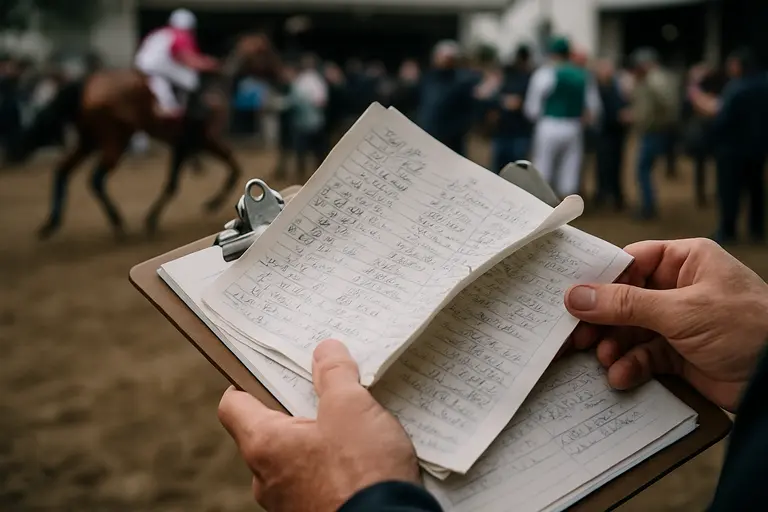
Official timing must sit at the center of any serious record claim. The supplied Keeneland-Equibase archive link shows the type of primary material that should be used to validate race timing and conditions through an official race replay or chart source Keeneland replay archive. Visual impressions can be useful, but they cannot replace the charted time, distance, surface condition, and race classification.
For sporting analysis, the most useful record review asks three questions. Was the race run at the exact record distance? Was it conducted on the comparable modern dirt surface? Did the official clock confirm the time? If one answer is missing, the claim should remain provisional. The same caution applies when fast stakes performances are used to shape championship talk, a theme also relevant to Breeders’ Cup contenders after stakes wins.
Readers who follow racing coverage across our network may also see related material at Racebook Review, which is another platform where detailed analysis of horse racing events is shared. This assessment is limited to the sporting record: horses, distance, surface, pace, and verified performance evidence.
Keeneland Track Records Require Verified Charts
Any claim about Keeneland Track Records at the 2026 Fall Meet should be treated as a chart-first matter. Booth and Mad House were logical names to discuss before and after the October 2 Phoenix because they were verified entrants in a six-furlong graded dirt sprint. Juvenile dirt sprinters remain plausible threats to the shortest marks if they break sharply and meet a quick surface. Seven-furlong fillies face the most demanding comparison because Gamine’s standard combines speed, class, and stamina.
The safest reading is not that records are likely to fall, but that specific race types create credible pressure points. Six furlongs through the Phoenix profile, 4½ furlongs through precocious juveniles, and seven furlongs through high-class female sprinters are the distances that deserve the closest scrutiny. Until official charts confirm otherwise, Nashville, Drafted, Amelia’s Wild Ride, Highly Motivated, and Gamine remain the modern dirt benchmarks that every Fall Meet speed performance must answer to.