
Kentucky Derby: An Investor’s Dream That Few Live
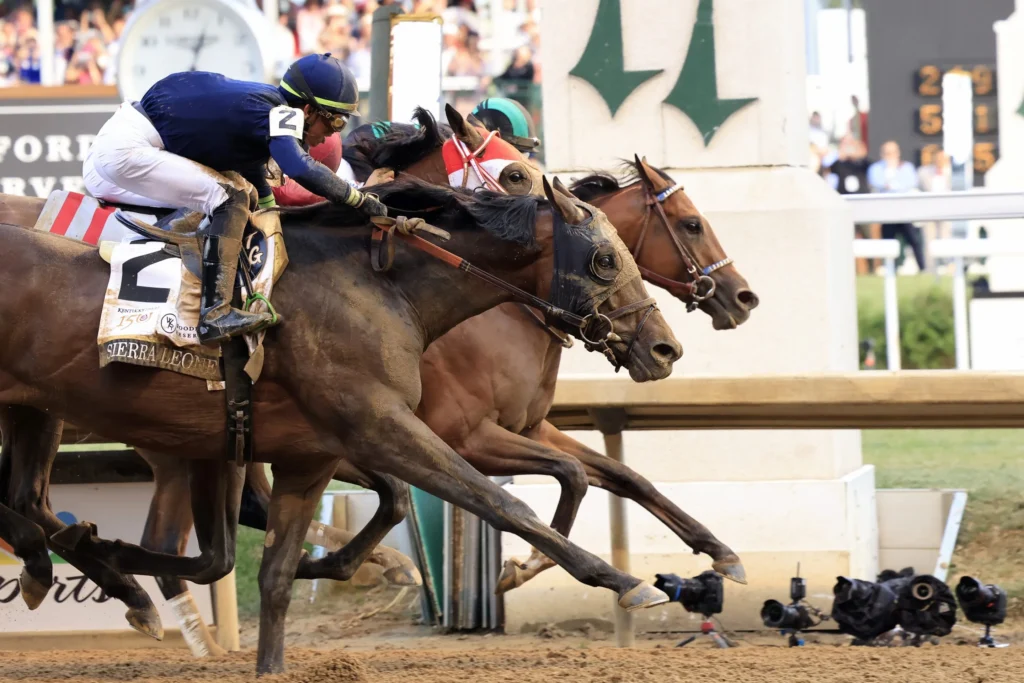
The Kentucky Derby, known as “The Most Exciting Two Minutes in Sports,” is a spectacle of pageantry, tradition, and high-stakes racing held annually at Churchill Downs in Louisville, Kentucky. While millions tune in for the thrill, fashion, and mint juleps, behind the scenes, the Derby presents remarkable opportunities — and challenges — for savvy investors. Yet, for all its glitz and potential, the Kentucky Derby remains an investor’s dream that few actually see realized. From thoroughbred ownership to entrepreneurship and real estate, let’s explore how the Derby holds out the tantalizing promise of riches and why only a select few ever seize it.
The Business Behind the Kentucky Derby
The Kentucky Derby is more than a horse race; it is a powerful economic engine generating hundreds of millions in annual revenue. This revenue stems not only from wagering but also from sponsorships, luxury hospitality, TV rights, and tourism surges in Louisville. According to the Louisville Tourism Board, the Derby injects well over $400 million into the local economy each year.
Key Revenue Streams of the Derby
- Betting and Wagering: Handles reach into the hundreds of millions, with both on-site and remote bettors worldwide.
- Sponsorships and Media Rights: Companies invest heavily for brand exposure.
- Hospitality and Luxury Suites: High-end experiences at Churchill Downs are in high demand.
- Fashion and Merchandising: Iconic hats and exclusive memorabilia are hot commodities.
- Real Estate: Derby season drives a spike in hotel bookings, vacation rentals, and short-term real estate leases.
Investing in Thoroughbreds: The Dream of Ownership
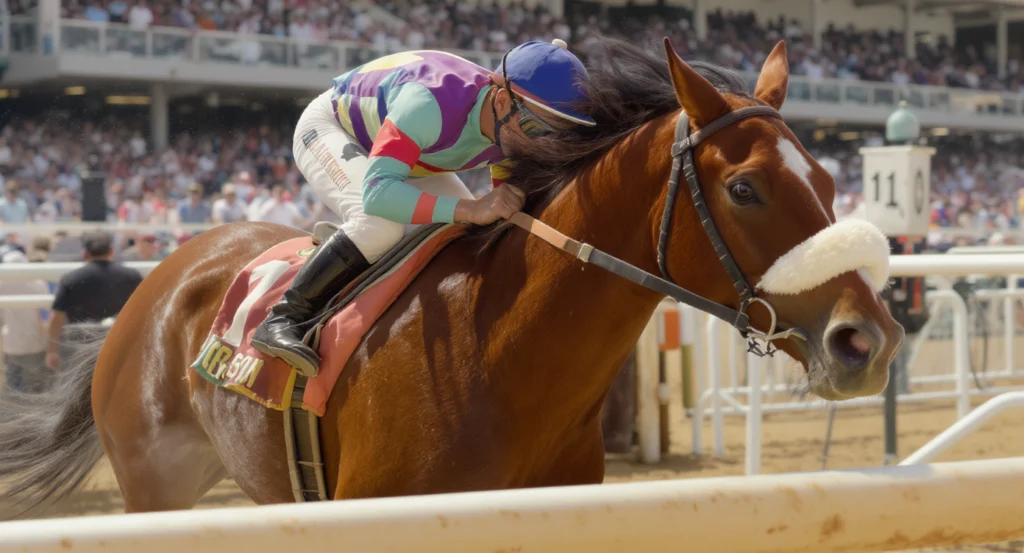
Owning a Kentucky Derby hopeful is a fantasy for many, but the reality of thoroughbred investment is complex, risky, and often reserved for the wealthy elite. The path from foal to Derby contender is steep; only 20 horses run in the Derby each year, culled from a pool of tens of thousands born annually.
What Does It Take to Invest in a Derby Horse?
- Initial Purchase: Yearlings with Derby potential are often auctioned for six or even seven figures.
- Training and Upkeep: Annual expenses per horse can exceed $60,000, covering training, care, and entry fees.
- High Risk, High Return?: Only a handful of owners ever see their horse start the Derby, let alone win the coveted roses.
Partnership & Syndicates
Recognizing the immense cost, many owners participate in syndicates, fractionalizing the expense (and the potential reward) across multiple investors. This democratizes the dream but also dilutes the payoff.
Beyond the Track: Entrepreneurship & Ancillary Investments
The Derby’s aura generates lucrative opportunities in ancillary industries. Louisville businesses—from hotels and luxury rentals to restaurants and fashion boutiques—see a boom during Derby week.
Derby Season: A Gold Mine for Local Business
- Short-Term Rentals: Homeowners often command premium rates, renting entire properties for the Derby, with some earning a year’s worth of rent in a single week.
- Hospitality & Catering: The appetite for private parties, galas, and curated culinary experiences is voracious.
- Event Planning & Transportation: Services like limousine rentals, VIP shuttles, and bespoke experiences thrive.
Hospitality Trends
With the rise of experience-driven travel, luxury packages (offering exclusive facility access, celebrity encounters, and gourmet dining) have become increasingly sought after, according to Forbes.
The Real Estate Angle: Riding the Louisville Boom
Kentucky Derby season can supercharge Louisville’s real estate market. Investors purchase properties strategically for Airbnb and vacation rentals, banking on high demand each spring.
Investment Facts
- Short Rental Yield: Properties near Churchill Downs see sky-high occupancy rates and premium nightly prices.
- Appreciation: Desirable neighborhoods experience long-term boosts thanks to the city’s global exposure.
- Regulatory Risks: Short-term rental laws and taxes can impact profitability.
The Harsh Reality: Barriers to Living the Dream
While the Derby presents these tantalizing opportunities, few individuals manage to turn the event into a sustained windfall.
Why Do Most Investors Miss Out?
- High Entry Costs: Thoroughbred ownership and prime real estate require major upfront investments.
- Unpredictable Returns: Horse racing, business, and event-driven real estate are fraught with risk.
- Market Saturation: As more people chase the Derby dollar, competition intensifies, reducing yields.
Luck and Timing
In Derby lore, luck plays as big a role as wisdom, whether finding that overlooked yearling-turned-champion or nabbing the perfect rental property before others catch on.
Case Study: The Long Shot That Paid Off
Consider the story of Mine That Bird, a $9,500 purchase who won the 2009 Derby against all odds, netting owner Mark Allen millions and rewriting race history. Yet, these rags-to-riches tales are the exception, not the rule—a rare intersection of instinct, timing, and good fortune.
Practical Tips for Potential Kentucky Derby Investors
If you still dream of cashing in on the Kentucky Derby, here’s how to position yourself:
For Prospective Thoroughbred Owners
- Start with reputable syndicates to reduce risk.
- Carefully vet trainers, bloodlines, and partnerships.
- Accept that complete loss of investment is possible—and frequent.
For Entrepreneurs and Local Investors
- Focus on unique experiences (e.g., bespoke tours, themed events) to differentiate your business.
- Monitor legal and tax environments for short-term rentals.
- Build relationships with Derby regulars and offer value-added services.
For Real Estate Investors
- Research property values and occupancy rates year-round, not just in Derby season.
- Invest in guest experience: security, luxury touches, and genuine hospitality boost ratings and repeat bookings.
The Kentucky Derby: A Bucket List, Not a Shortcut
While many view the Derby as a golden ticket, for most, it’s better enjoyed as a bucket-list experience than a quick path to riches. The best investments are often emotional—memories with friends and family, the thrill of race day, and immersion in timeless tradition.
So, whether you place a small bet, buy a stylish hat, or simply soak up the atmosphere, remember: The Kentucky Derby is an investor’s dream, but it’s a dream best enjoyed in the present, with your eyes wide open to both risks and rewards.