
Pentosan Polysulfate for Equine Osteoarthritis Treatment
Osteoarthritis (OA) in horses is a leading cause of lameness, especially in aging equine athletes. Characterized by inflammation and cartilage degeneration, OA can significantly impact a horse’s ability to move comfortably and perform. Effective management is essential, making advances like pentosan polysulfate therapy vital tools for veterinarians and horse owners.
What Is Pentosan Polysulfate?
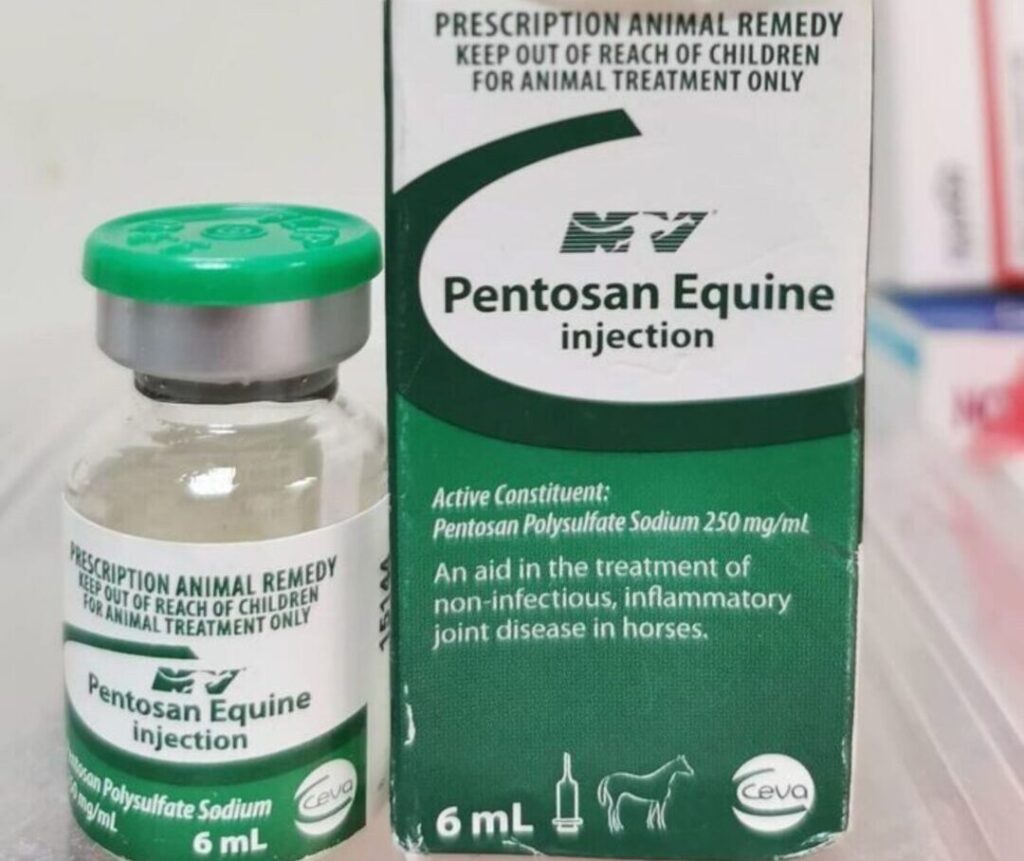
Pentosan polysulfate (PPS) is a disease-modifying osteoarthritis drug (DMOAD) that stands out for its ability to not only relieve pain but also target the underlying disease process. Approved by the FDA for use in horses, PPS supports the structure and function of joints, unlike treatments that only address symptoms. This unique quality has shifted attention to PPS in managing chronic equine joint conditions.
How Pentosan Polysulfate Works in Horses
Cartilage Protection and Repair
The main benefit of pentosan polysulfate for horses is its support of articular cartilage health. Cartilage in the horse’s joints depends heavily on proteoglycans, which provide strength and resilience. Research demonstrates that PPS stimulates proteoglycan synthesis, helping to preserve the cartilage matrix and slow joint degeneration. This makes pentosan polysulfate more than just a pain treatment—it plays a role in long-term joint preservation.
Joint Inflammation Modulation
Alongside protecting cartilage, pentosan polysulfate addresses joint inflammation by normalizing synoviocyte activity within the joint. This contributes to less swelling, reduced pain, and improved movement in horses with osteoarthritis. The anti-inflammatory action is crucial for maintaining comfort and joint function.

Improved Joint Microcirculation
Another unique aspect of pentosan polysulfate is its effect on joint microcirculation. PPS promotes the release of helpful substances like tissue plasminogen activator (tPA) and superoxide dismutase, improving blood flow inside the joint. As a result, joint repair and recovery processes are enhanced. Note that PPS is structurally similar to heparin and has mild anticoagulant properties; these effects typically resolve within 24 hours post-administration.
Veterinary Recommendations and Safety Considerations
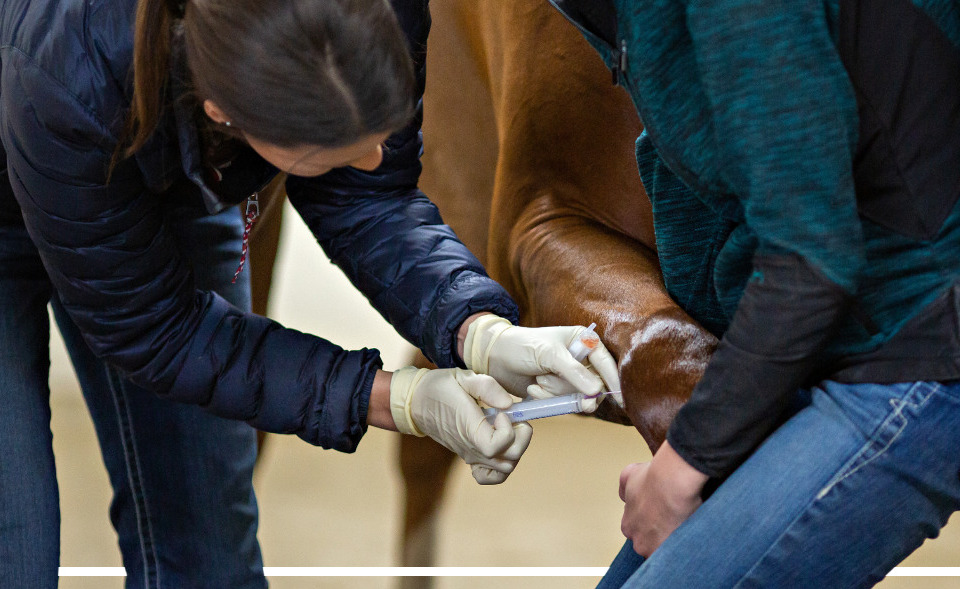
When considering pentosan polysulfate for horses, veterinarians emphasize careful timing and adherence to dosage. Because of its mild anticoagulant effect, PPS should not be given within 24 hours of surgery, acute injury, or periods of significant stress. Most horses tolerate PPS well, but side effects—such as transient bleeding or minor injection-site discomfort—may occur.
Research and Real-World Results
There is a growing body of research supporting pentosan polysulfate use in horses with osteoarthritis. Studies and real-world cases presented at major veterinary meetings underline improvement in horses’ comfort, mobility, and overall joint health. The Horse provides access to further details on the science and protocols behind PPS therapies, while the FDA’s animal drug database lists regulatory updates and product information.
A Promising Tool in Equine OA Management
Pentosan polysulfate offers a comprehensive approach to managing osteoarthritis in horses, targeting both the symptoms and the progression of the disease. As research advances and veterinarians gain more experience with PPS, its role in long-term equine joint health becomes increasingly significant. Open communication between owners and veterinarians ensures optimal OA management and helps keep horses comfortable and active for years to come.