
Belmont’s Five-Day Delay Turns A Grade 1 Prep Into A Horsemanship Test
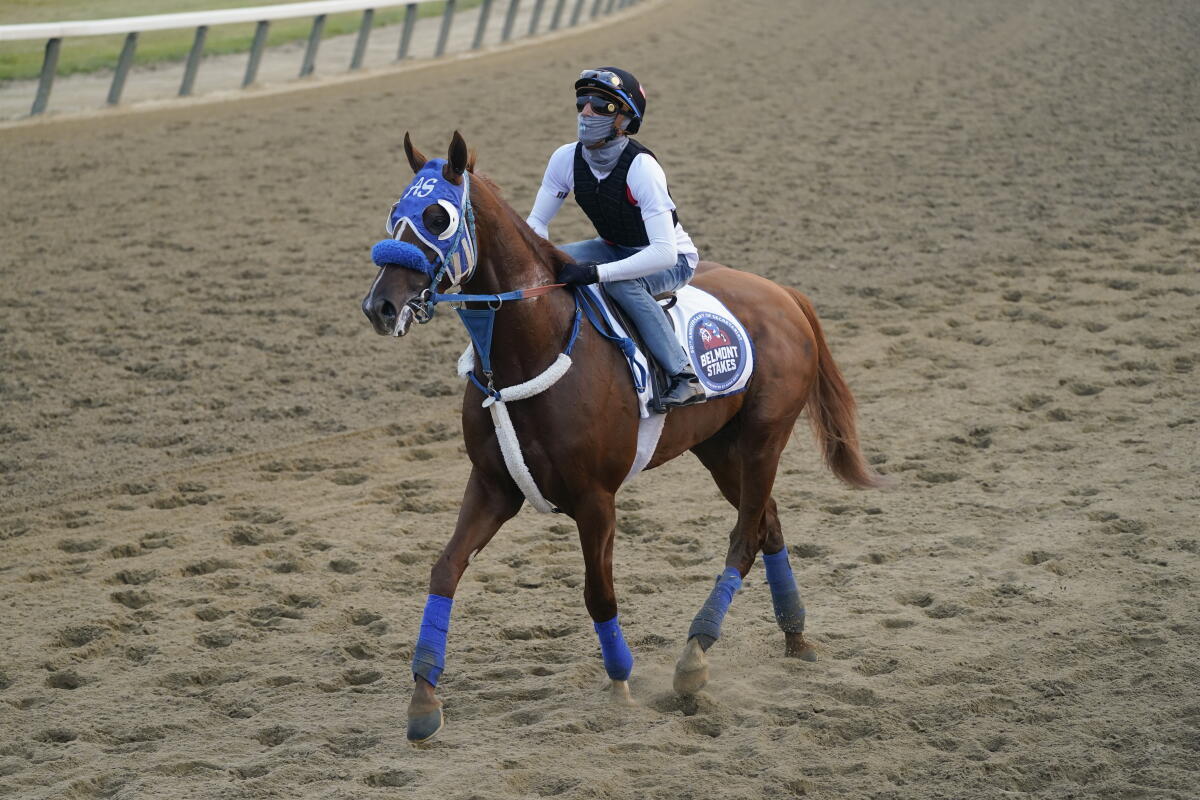
The phrase racehorse preparation after postponement sounds straightforward until a horse has already been brought to the edge of a major target. Belmont Park’s canceled September 26-27 weekend turned that problem into a live one: horses prepared for Saturday or Sunday now have to stay ready until Thursday, October 1.
Five days is not long enough to rebuild a campaign and not short enough to ignore. For trainers, veterinarians and grooms, the challenge is to protect fitness without creating extra work simply because the calendar moved. That welfare-first judgment parallels racing’s shift toward preventive horse welfare: the schedule matters, but it cannot outrank what the horse is showing.
Belmont’s Cancellation Changes More Than The Race Date
The New York Racing Association canceled both weekend cards because a nor’easter was forecast to bring heavy rain, sustained high winds and gusts above 50 mph to Long Island. Belmont Park was closed to the public for September 26-27, and the six graded stakes were moved to October 1.
The revised Belmont stakes plan includes the Grade 1 Joe Hirsch Turf Classic, Grade 2 Flower Bowl, Grade 3 Vosburgh, Grade 2 Gallant Bloom, Grade 3 Belmont Turf Sprint and Grade 3 Winter Memories. The card is worth a combined $1.9 million, while the Flower Bowl and Vosburgh retain Breeders’ Cup “Win and You’re In” implications.
For the horses, the key change is not purse money. It is a five-day interruption inserted after weeks of work had been aimed at a specific date.
Racehorse Preparation After Postponement Cannot Simply Pause
Thoroughbred conditioning is built through cycles of exercise and recovery. Trainers work backward from targets so a horse arrives fit without arriving tired.
When the race moves five days, there is no universal reset button.
One horse may stay close to its normal galloping routine. Another may need a short piece of stronger work to remain sharp. A horse that had already done enough may be better served by lighter exercise and observation. Temperament matters too: some horses thrive on routine, while others can become too fresh when a target changes.
The guiding principle is preserve rather than improve. The final days before a major race are usually a poor time to chase fitness that was not already there.
Five Extra Days Create Several Small Decisions
The most difficult adjustments are often ordinary ones. Feeding and hydration routines should remain familiar. Legs and feet still need checking. Exercise riders and grooms still need to notice whether a horse is moving, eating and behaving as expected.
The postponement also forces connections to reconsider timing. A planned easy day may now sit too far from the race. A horse that shipped in for the weekend may remain away from its home base longer than expected.
| Original Plan | After The Postponement | Main Management Question |
|---|---|---|
| Peak for Sept. 26 or 27 | Race on Oct. 1 | How to hold fitness without overtraining |
| Final light exercise | Routine may need adjustment | Whether more work adds value or fatigue |
| Familiar race-week rhythm | Five extra days | Maintaining appetite and mental freshness |
| Planned veterinary timing | New competition date | Rechecking readiness at the right time |
| Expected turf/dirt conditions | Weather and surfaces can change | Whether conditions alter suitability |
| Breeders’ Cup prep spacing | Five fewer days afterward | How quickly the horse can recover |
The horse has not changed, but almost every timetable around the horse has.
Canceling Can Be A Welfare Decision, Not A Lost Opportunity
Major-race weekends carry pressure. Owners have travel plans, bettors have opinions and trainers may have spent months placing a horse for one exact spot.
None of that makes extreme weather negotiable.
High winds, heavy rain and uncertain surface conditions can affect horses, riders, stable staff, transportation and track operations. Canceling early prevents those pressures from becoming an argument for trying to “get through” a card.
That is a welfare decision as much as an operational one.
Good horse care is often discussed as treatment after soreness or injury appears. The better standard is prevention. Sometimes that means scratching one horse. Sometimes it means an entire meeting does not happen on the planned day.
Medication And Veterinary Clocks Move With The Race
A postponement also changes regulatory timing.
For covered stakes horses, restrictions surrounding furosemide, or Lasix, are tied to the time of competition. HISA’s current framework continues to prohibit furosemide within 48 hours of a race for 2-year-olds and horses competing in stakes races, while permitting it within that window for other covered horses.
The current furosemide rule therefore matters when a stakes race moves from Saturday to Thursday: the relevant pre-race window moves with it.
The same logic applies to veterinary oversight. A horse suitable to race on the original date still has to remain suitable five days later. The extra time creates more opportunity for a small issue to emerge, but also more time to observe the horse before asking for a maximum effort.
That is why the regulatory clock cannot remain attached to the canceled date.
October 1 Creates A Different Breeders’ Cup Test
The rescheduled card still contains the same stakes names, distances and purses, but the context has changed.
The Flower Bowl and Vosburgh now sit five days closer to the Breeders’ Cup. Horses in the Joe Hirsch, Gallant Bloom and other rescheduled races also face a different recovery calendar if another fall target follows.
A Thoroughbred cannot be placed on hold while humans rewrite the schedule.
Racehorse preparation after postponement is an exercise in restraint, observation and individualized judgment. Fitness can usually be maintained across five extra days; the harder task is resisting the urge to do too much merely because there is more time available.
Belmont’s October 1 card will produce winners and losers. Before that happens, the most important work is quieter: keeping each horse healthy, settled and ready to compete on the new date without pretending the original preparation plan never changed.