
Saratoga’s Barn Fire Scare Shows Racing Cannot Wait for Another Tragedy
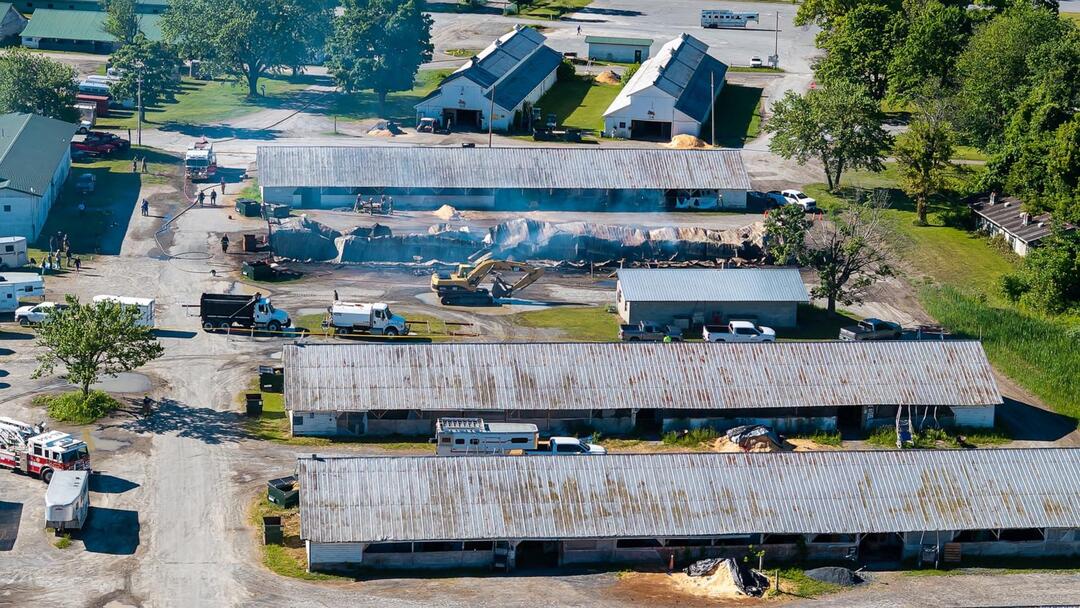
Saratoga barn fire safety worked when it mattered Tuesday evening. A small fire in hay stored inside Barn 72 near the Oklahoma training track was extinguished before it spread, leaving horses unharmed and the structure undamaged.
That successful response deserves recognition, but not complacency. The incident arrived barely five weeks after 17 horses died in a separate fire at the nearby Saratoga Casino Hotel harness track, placing prevention, detection, and emergency readiness back at the center of racing’s horse welfare responsibility.
A Small Fire Carried Enormous Context
The Barn 72 incident did not become a disaster. No horses required evacuation, firefighters found no continuing danger, and officials reported no structural damage.
A New York Racing Association fire marshal had already extinguished the fire before Saratoga Springs firefighters arrived. The blaze was contained to hay in a loft area, while state fire officials began examining the circumstances surrounding it.
Those details, documented in the Barn 72 incident report, show how quickly an emergency can move from ignition to containment when trained personnel and protective systems are available.
They also explain why the incident cannot be dismissed simply because the outcome was good. Hay is combustible, barns contain numerous ignition risks, and horses housed in stalls cannot make independent evacuation decisions.
A close call is evidence, not reassurance that existing precautions will always be enough.
Saratoga Barn Fire Safety Worked This Time
Saratoga Race Course was better prepared than many equine facilities. Its barns already had fire-detection equipment and sprinkler protection before New York regulators began demanding stronger safeguards across the state.
Early detection gave personnel time to respond while the fire remained manageable. That difference is crucial because barn fires can accelerate rapidly once flames reach dry hay, bedding, wooden partitions, dust, or roof spaces.
Staff response also mattered. Technology can trigger an alarm, but people must understand what it means, locate the source, contact emergency services, and determine whether evacuation is safe.
The successful containment therefore reflects several protections working together:
- Fire-detection equipment identifying danger early
- A trained fire marshal responding immediately
- Emergency services reaching the barn promptly
- Personnel keeping horses secure rather than creating a chaotic evacuation
- Firefighters confirming that the threat had been eliminated
Detection created decision time. In a barn emergency, those extra minutes may determine whether horses remain safely in their stalls or face smoke, flames, and a difficult evacuation.
The June Tragedy Changed New York’s Standard
The small Saratoga Race Course fire cannot be separated from the June 16 blaze at Saratoga Casino Hotel, even though the incidents occurred at different racing facilities.
That harness-track fire killed 17 horses and exposed a dangerous gap between meeting basic building codes and providing meaningful protection for animals housed overnight. New York’s response was immediate: racetracks were directed to install functioning smoke, fire, and heat alarms in every barn and maintain staffing capable of responding to activated systems.
The state’s racetrack fire-safety review covers barns at all 11 New York racetracks. Regulators are also examining fire-suppression infrastructure, emergency protocols, older buildings, and code provisions that may allow vulnerable structures to continue operating without modern protection.
That distinction matters. Legal compliance represents the minimum accepted condition. It does not guarantee that alarms will detect smoke early, that sprinklers will operate effectively, or that horses can be removed before a fire blocks the aisle.
Minimum compliance is insufficient when animals depend entirely on human preparation.
Hay Storage Keeps Fuel Close to Horses
The location of Tuesday’s fire deserves attention. Hay is essential to barn operations, but storing large amounts above or near occupied stalls places combustible material close to horses.
Hay can ignite through an outside heat source, electrical failure, careless activity, or internal heating when it is stored with excessive moisture. Once burning, tightly packed forage can smolder deeply and prove difficult to extinguish completely.
Established horse-stable fire guidance recommends storing hay and bedding in a separate building whenever possible. It also calls for protected electrical wiring, accessible extinguishers, multiple exits, posted evacuation plans, and regular drills.
Older racetrack barns may make complete separation difficult. That does not remove the responsibility to reduce exposure. Facilities can limit the amount of hay kept near stalls, monitor stored forage, keep lofts clean, inspect electrical systems, and maintain clear access for firefighters.
The question is not whether hay belongs at a racetrack. It is how much fuel should be positioned directly above horses that may have only seconds to escape.
An Alarm Is Only One Part of the Plan
New York’s alarm requirement is a necessary advance, but alarms alone cannot carry the entire safety burden.
Detection systems must be tested, cleaned, and suited to dusty barn environments. Electrical panels, outlets, extension cords, fans, heaters, and lighting need scheduled inspections rather than attention only after a problem appears.
Evacuation planning is equally important. Horses may resist leaving familiar stalls, become frightened by smoke and sirens, or attempt to return to a burning structure. Staff members must know which exits to use, where horses should be taken, and when entering the barn is too dangerous.
Useful equine emergency planning resources emphasize advance preparation rather than improvisation during a crisis. For racetracks, that preparation should include:
- Practiced evacuation routes for every barn
- Clearly marked utility and electrical shutoffs
- Updated horse-location and emergency-contact records
- Secure areas where evacuated horses can be contained
- Coordination drills with local fire departments
- Overnight staffing capable of immediate action
A plan that exists only in a binder is not an emergency system. It must be practiced under conditions close enough to reality that staff can act without waiting for instructions.
Racing Must Treat Prevention as Daily Work
Saratoga’s Barn 72 incident ended without equine loss. That outcome should be credited to early discovery and a fast response, not used to lower the urgency created by the June tragedy.
The ongoing investigation may establish how the hay ignited and whether any additional changes are necessary. Whatever the finding, every racing facility should use the incident to review storage, wiring, alarms, sprinklers, staffing, access routes, and evacuation readiness.
Saratoga barn fire safety cannot be measured only by whether Tuesday’s flames were extinguished. It must be measured by whether the next ignition is detected even sooner and whether every barn, not just those at racing’s best-funded venues, offers horses the same chance of survival.
Racing avoided another tragedy this time. The responsibility now is to ensure that success came from a repeatable safety system rather than a fortunate combination of timing and proximity.