
The Saratoga Barn Fire Review Should Shake Racing Far Beyond One Backstretch
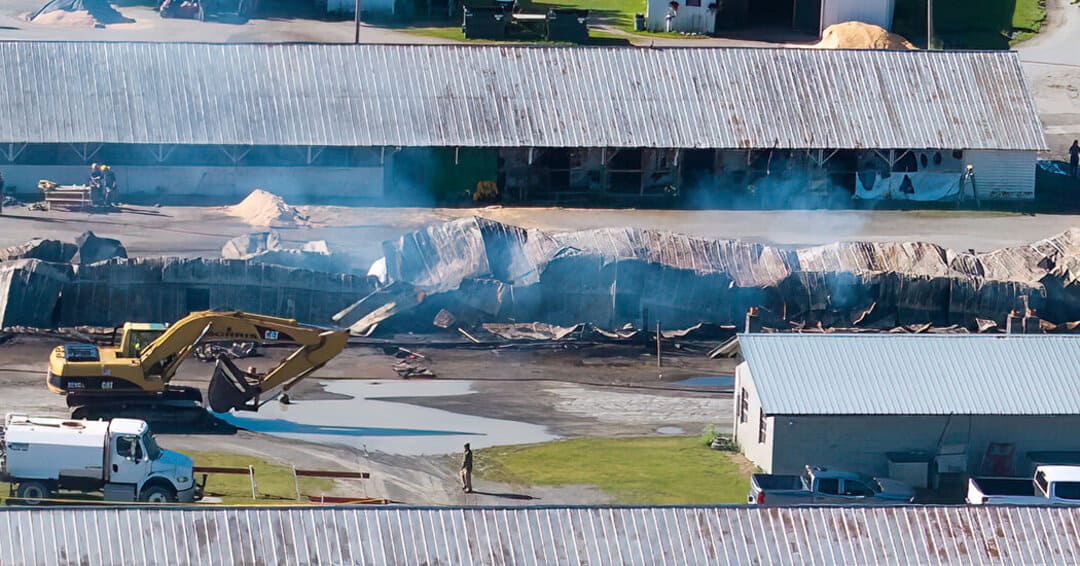
The Saratoga barn fire safety review is not only about one tragic night in New York. It is about whether racing’s duty of care extends strongly enough into the places where horses live, sleep and depend entirely on human systems for protection.
Seventeen standardbred horses died after a June 16 barn fire at the Saratoga Casino Hotel harness track, and the New York State Gaming Commission has since begun reviewing fire prevention and suppression infrastructure at racetrack horse barns across the state. For a site rooted in horse welfare writing, the lesson is painfully clear: safety cannot stop at the finish line.
Saratoga Barn Fire Safety Is Now A Regulatory Question
The New York State Gaming Commission said a panel is reviewing the circumstances of the Saratoga fire and fire prevention infrastructure at horse barns across New York’s 11 racetracks. The official NYSGC review announcement made the issue wider than one barn, one track or one emergency response.
That matters because regulation often changes only after a failure exposes a gap. A barn may comply with existing rules and still leave unanswered questions about whether those rules are strong enough.
Racing cannot afford to treat backstretch safety as a secondary concern. Horses spend far more time in barns than in races. If the stable environment is not protected, then welfare claims made on race day are incomplete.
The barn is part of the sport’s welfare standard.
The Fire Exposed The Limits Of Reaction
Emergency response matters, but barn fire safety cannot depend only on what happens after flames are already visible. Horses are vulnerable in fire because smoke, panic, confined spaces and fast-moving flames can leave very little time for rescue.
The Times Union’s Saratoga fire review report reported that the affected barn lacked sprinklers or fire suppression systems, while the regulatory review is now examining whether changes are needed. That detail should sit at the center of the discussion.
A fast response may still be too late if a barn has no effective early detection or suppression support. Fire safety is most powerful before the emergency becomes uncontrollable.
That is why prevention, detection and infrastructure deserve as much attention as response.
Stable Safety Must Be Treated Like Racecourse Safety
Racing is accustomed to debating track surfaces, veterinary checks, medication rules and race-day protocols. Those issues matter. But stable safety can be less visible because it sits behind the public-facing part of the sport.
That invisibility is dangerous.
A horse in a stall cannot choose an exit plan. It cannot read smoke, unlock doors, call for help or move safely through panic without human systems in place. That reality gives racetracks, regulators and horsemen a direct responsibility to reduce risks where horses are housed.
The Saratoga review should therefore ask more than whether existing rules were followed. It should ask whether the rules reflect the actual risk.
Compliance is not the same as protection if standards have failed to keep pace with what barns need.
The Questions Are Practical, Not Abstract
Stable fire prevention can sound like a broad policy issue, but many of the questions are concrete. They involve detection, suppression, spacing, electrical systems, storage practices, emergency access and staff training.
| Safety Area | Why It Matters | Question For Racetracks |
|---|---|---|
| Fire detection | Early warning can create rescue time | Are alarms installed and maintained? |
| Suppression systems | Sprinklers can slow fire spread | Should barns require modern suppression? |
| Electrical checks | Faults can create hidden risk | How often are systems inspected? |
| Storage rules | Hay, bedding and equipment affect fire load | Are combustible materials controlled? |
| Emergency access | Fire crews need quick entry and water | Can responders reach barns fast enough? |
| Staff training | Night emergencies require clear action | Does every barn have a practiced plan? |
These are not luxury questions. They are the foundation of risk management in spaces filled with animals, bedding, hay, equipment and electrical systems.
A safety plan that exists only on paper is not enough.
The Human Toll Also Matters
The loss of 17 horses is the center of the story, but the human toll should not be ignored. Trainers, grooms, owners and caretakers build daily bonds with horses. Barn fires destroy animals, livelihoods, routines and entire emotional communities.
That human impact matters because stable safety is not a distant regulatory exercise. It affects the people who feed, walk, cool out, bandage and watch over horses every day.
A stronger safety culture protects them as well. Staff members should not be left relying on luck, memory or improvisation during a night emergency. They need systems that make action possible when seconds matter.
Racing often speaks about the backstretch as the heart of the sport. That phrase has to mean investment, not sentiment.
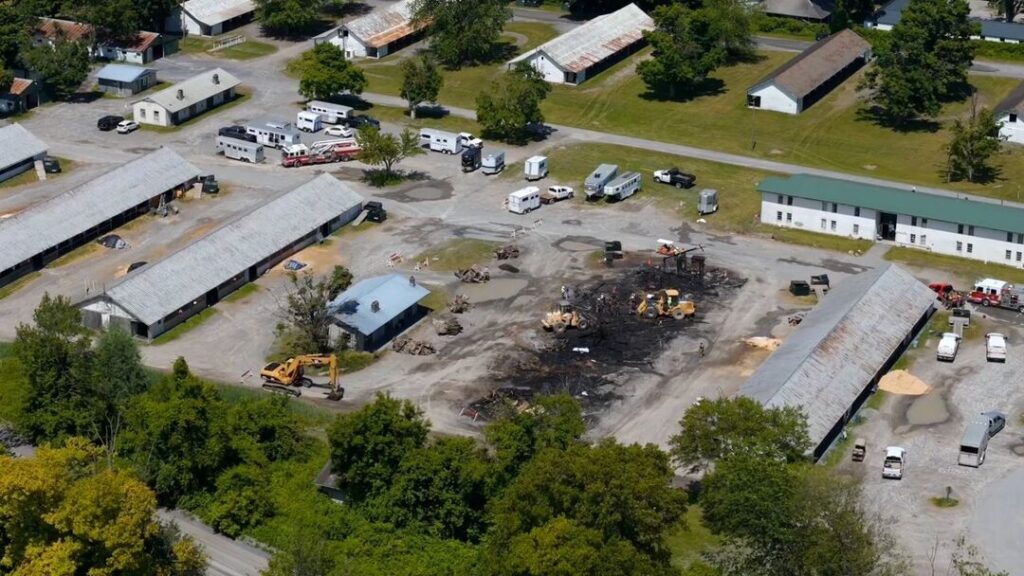
The Review Must Lead To Visible Standards
The next pressure point is whether the New York review produces clear, visible standards or simply another round of concern. Racing has seen enough tragedies to know that sympathy without reform fades quickly.
A serious review should identify which barns have detection systems, which have suppression systems, where emergency access is weak, and what changes regulators can require. It should also separate short-term steps from long-term infrastructure upgrades.
Not every facility can rebuild overnight. But every facility can be assessed, prioritized and required to improve within a realistic timeline.
That is where leadership matters. If regulators, racetracks and horsemen treat this as a shared responsibility, the review can become a turning point. If they treat it as an isolated tragedy, the same questions will return after the next fire.
The Saratoga barn fire safety issue now stands as a test of racing’s welfare credibility away from the grandstand. Horses deserve protection where they compete, where they travel and where they sleep. Anything less leaves the sport defending a standard that the public may no longer accept.
Saratoga Barn Fire FAQ’s
What happened in the Saratoga barn fire?
A June 16 fire at the Saratoga Casino Hotel harness track killed 17 standardbred horses. New York regulators are now reviewing racetrack barn fire prevention and suppression systems.
Why is the Saratoga fire review important?
The review matters because it moves the issue beyond one barn. It asks whether racetrack stable safety rules, infrastructure and emergency planning are strong enough to protect horses statewide.
What safety systems can reduce barn fire risk?
Fire detection, sprinklers or suppression systems, electrical inspections, safe storage practices, clear emergency access and trained staff can all reduce risk. No single measure replaces a complete prevention plan.