
Saratoga Closing Day Stakes Test Form And Value
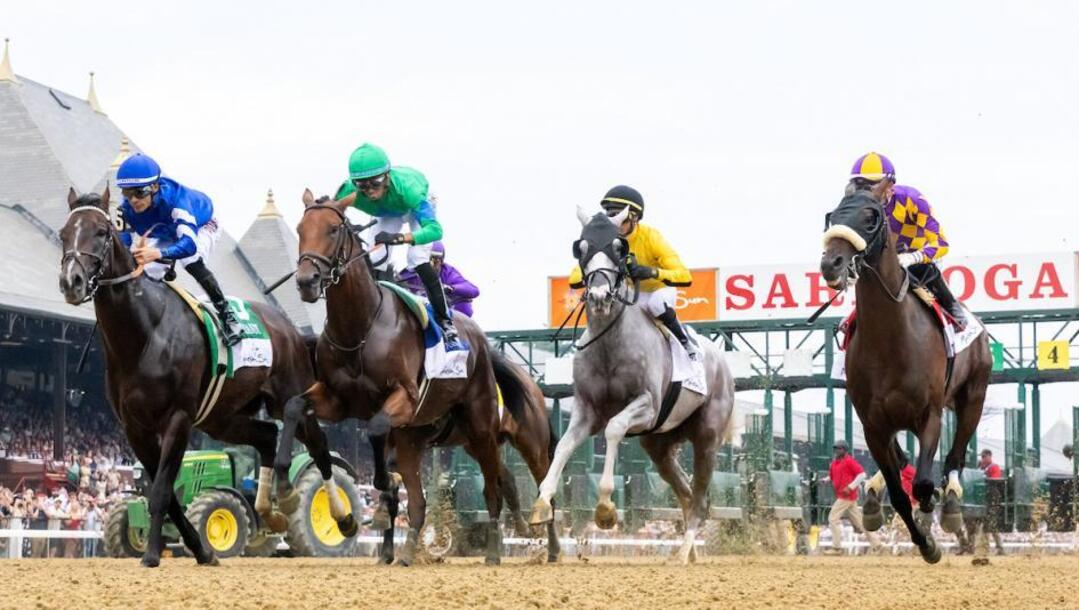
The Saratoga closing day stakes arrive with the kind of pressure that can distort a bettor’s judgment. Labor Day at the Spa is not just the final page of the meet; it is one last test of whether players can separate genuine form from the emotional pull of a closing card.
That is where Monday’s program becomes more than a farewell. The Funny Cide Stakes asks bettors to trust young New York-bred dirt horses before their form is fully settled, while the Gio Ponti Stakes shifts the conversation to 3-year-old turf runners dealing with pace, class, and trip pressure. It is exactly the kind of card where pace-map discipline matters because the market can get louder than the evidence.
Saratoga Closing Day Stakes Bring Two Different Tests
Saratoga’s summer meet closes Monday, September 7, with the $200,000 Funny Cide Stakes and the $200,000 Gio Ponti Stakes listed on the official stakes calendar. That pairing gives closing day a useful shape: one race built around juvenile dirt potential, the other around turf development.
The Funny Cide is a six-furlong dirt race for New York-bred 2-year-olds. That profile naturally attracts excitement because young horses can improve quickly, especially at Saratoga, where one sharp performance can turn into a winter reputation.
The Gio Ponti is a one-mile turf race for 3-year-olds. It asks a more patient question. Which runners have enough maturity to handle positioning, pace changes, and the tactical demands of a late-meet turf race?
Those two tests should not be handicapped the same way. One leans toward projection. The other leans toward reliability under race shape.
The Funny Cide Is About Believing Without Overpaying
Juvenile dirt races can make smart bettors look foolish because development is not linear. A young horse can move forward dramatically from one start to the next, or regress after a visually exciting effort that the public loved too much.
That is the central tension in the Funny Cide.
New York-bred 2-year-olds at six furlongs will draw attention from bettors looking for speed, precocity, and trainer confidence. The danger is that early brilliance can be overvalued when a horse has not yet faced adversity. A clean debut or a fast figure is useful, but it does not automatically prove how a colt or gelding responds to pressure, kickback, pace duels, or a rival leaning on him late.
This is where juvenile projection risk becomes the key phrase. The market often wants certainty from horses who have not had enough racing experience to offer it.
The best bettor does not reject young talent. The best bettor asks whether the price already assumes improvement that has not happened yet.
The Gio Ponti Turns Turf Form Into A Patience Game
The Gio Ponti brings a different kind of pressure. A one-mile turf race for 3-year-olds is not just about who owns the prettiest running line. It is about who gets the right trip and who has enough seasoning to produce when the pace does not unfold perfectly.
Turf races can punish overconfidence. A horse may look best on paper and still need racing room at the wrong time. A closer may need pace that never arrives. A front-runner may look dangerous until another rider refuses to let him relax.
That is why the Gio Ponti demands more than a quick glance at recent finishes.
The sharper read is whether a horse has shown enough tactical adaptability. Can he sit close if the pace is soft? Can he finish if the race turns into a sprint home? Has he beaten legitimate company, or has he merely looked good in races that suited him?
The Gio Ponti is less about raw excitement than turf-trip precision. At Saratoga, that distinction can decide the race.
Closing Day Can Create Bad Betting Habits
The final day of a major meet does strange things to bettors. There is a natural urge to press, chase, or force one last strong opinion before Saratoga disappears from the daily rhythm.
That urgency is dangerous.
Closing day can make a normal race feel more meaningful than it is. Bettors who stayed disciplined all meet can suddenly start playing races they would normally pass. A horse who was a mild opinion on Sunday night can become a must-bet by Monday afternoon because the calendar is doing half the selling.
Saratoga’s closing-week schedule gives the final day a proper sense of occasion. The meet deserves that. But bettors still have to remember that the tote board does not care about nostalgia.
A good closing-day wager is not the one that feels satisfying emotionally. It is the one where the price, race shape, and form case still line up.
| Race | Surface And Distance | Core Question | Betting Risk |
|---|---|---|---|
| Funny Cide Stakes | 6 furlongs on dirt | Which 2-year-old can turn early promise into pressure-tested form? | Paying too much for unproven upside |
| Gio Ponti Stakes | 1 mile on turf | Which 3-year-old owns the right blend of class, pace, and trip versatility? | Trusting paper form without a clean race shape |
| Closing Day Card | Full Labor Day program | Can bettors stay disciplined before the meet ends? | Chasing action because Saratoga is closing |
The comparison makes the card easier to understand. The Funny Cide is about upside with incomplete evidence. The Gio Ponti is about execution and maturity. The broader card is about whether bettors can resist the urge to treat every final-day race like a personal statement.
Manny Franco’s Momentum Adds Another Layer
Manny Franco gives closing day an additional storyline after a remarkable Sunday. The Good Life won the Grade 1 Hopeful under Franco, who also reached 70 wins at the meet and clinched his first Angel Cordero Jr. riding title, a milestone captured in the Hopeful Stakes recap.
That kind of momentum matters, but it should not be allowed to overwhelm the handicap.
Riders in form deserve respect. Franco’s meet has been too strong to dismiss as coincidence. Confidence, timing, and decision-making all matter at Saratoga, especially when races are decided by small margins.
Still, a hot jockey is not a shortcut. Bettors who blindly follow a rider on closing day risk turning a useful factor into a lazy answer. Franco’s momentum should sharpen attention, not replace analysis.
That is the difference between rider confidence and public overreaction.
The Final Signal Is Market Discipline
The best way to approach Monday is to treat Saratoga’s final card as a test of restraint. The meet is ending, but the same rules still apply.
The Funny Cide should reward players who can measure talent without overpaying for hype. The Gio Ponti should reward those who understand turf trips rather than simply trusting the most obvious résumé. The rest of the card should punish anyone who confuses one last bet with one smart bet.
That is why the Saratoga closing day stakes matter beyond the results. They close the meet by asking two different handicapping questions at once: how much faith should be placed in young dirt form, and how much trust should be given to 3-year-old turf horses still sorting out their ceiling?
The answer will not come from sentiment. It will come from price, pace, and pressure. Saratoga gets its final Monday, but bettors still have to earn their opinions.