
The Subsanador Del Mar work on August 6, 2026, was not a routine line in a workout tab. Richard Mandella sent Subsanador one mile between races at Del Mar, with Mike Smith aboard, as part of a direct preparation path into the Grade 1 Pacific Classic, which was run on August 22, 2026. Because the race had already taken place by August 27, 2026, this assessment treats the work retrospectively as a training signal rather than as a preview of an event still ahead.
That distinction matters. The available source record does not provide the Pacific Classic result in the supplied research, so the safest analysis stays with what can be verified about Subsanador’s preparation: the timing of the work, the fractions, the race-like setting, and Mandella’s decision to train him into the race without using the Grade 2 San Diego Handicap on July 18 as a prep. For a more comprehensive look at race coverage, this related site within the racing network can be used, while the analysis here stays strictly with racing performance and preparation.
Subsanador Del Mar Work Had Race-Day Intent
Why Subsanador Del Mar Conditions Mattered
Subsanador worked one mile on Thursday, August 6, 2026, in 1:37.25 at Del Mar, with published splits of :24.28, :48.38, 1:13.13, 1:25.46, and 1:37.25, according to the official Del Mar report on the one-mile drill. The notable detail was not just the final clocking. The work was staged between races rather than during a quieter morning training window.
That makes the Subsanador Del Mar work unusually useful from a sporting-analysis standpoint. A between-races drill exposes a horse to noise, movement, waiting time, and the rhythm of an active race day. Morning workouts can measure fitness, but they cannot always reproduce the sensory load of a graded stakes afternoon. Mandella’s choice suggested that the exercise was intended to test more than raw speed. It asked Subsanador to perform while surrounded by the kind of ambient pressure he would face in the Pacific Classic.
Fractions Pointed To Controlled Stamina
The fractions also deserve a careful reading. Subsanador went the opening quarter in :24.28 and the half in :48.38, then reached six furlongs in 1:13.13 before continuing through seven furlongs in 1:25.46 and the mile in 1:37.25. Those splits do not read like a short, sharp speed drill. They read more like a sustained stamina exercise with a continued finish through the lane.
For a horse preparing for 1 1/4 miles on dirt, that shape matters. The Pacific Classic distance does not merely reward early placement; it asks a runner to carry efficiency through the final quarter-mile after already doing meaningful work. A mile drill cannot replicate the full race distance, but it can reveal whether a horse is relaxing early enough to finish with purpose. In Subsanador’s case, the public splits show a progressive work that reached beyond six furlongs and continued to a mile under controlled conditions.
The Work Pattern After The Gold Cup
Why The Missed San Diego Prep Mattered
Mandella did not use the Grade 2 San Diego Handicap on July 18 as Subsanador’s stepping-stone into the Pacific Classic. The supplied Del Mar notes state that he felt he was behind in bringing the horse along, so he chose to train directly into the August 22 Grade 1 instead. That decision changed the evidence trail. Without an intermediate race, the workouts became the main public indicators of Subsanador’s readiness.
The context from the supplied research also includes a difficult Hollywood Gold Cup on May 25, 2026, where Subsanador finished last of five after a shoe issue was reported and he was eased in the stretch. Because the primary chart is not included in the provided source set, that race should be treated here only as background to the training pattern, not as a fully re-examined performance. The key sporting point is narrower: Mandella’s later work schedule had to rebuild confidence, stamina, and race-day sharpness after an unsatisfactory race.
Shorter Works Added Late Sharpness
The supplied research lists a sequence that included six furlongs in 1:11.80 on July 29, the August 6 mile in 1:37.25, a five-furlong bullet in :58.80 on August 13, and a sharp three-furlong blowout in :36.40 on August 19. The August 19 move came three days before the Pacific Classic and is described in the research as a sharpening work rather than a foundation drill.
The Subsanador Del Mar pattern therefore combined two different training signals. The longer works addressed base fitness and stamina. The shorter, quicker moves suggested a desire to restore acceleration without overtaxing the horse near race day. That mix is consistent with an older horse being brought toward a 10-furlong dirt race after a disrupted campaign, though the public record alone cannot prove how much condition was restored.
Pacific Classic Context At Ten Furlongs
Knightsbridge And A Mixed Field Set The Bar
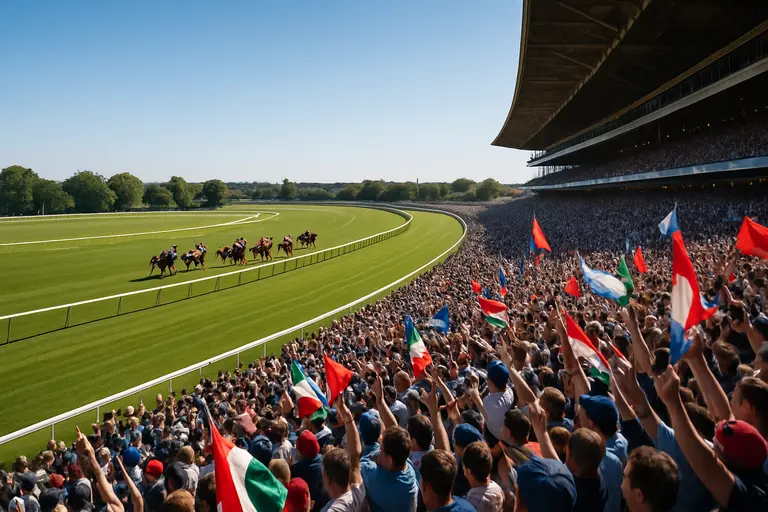
The Pacific Classic was a Grade 1 race at 1 1/4 miles on dirt at Del Mar, and the field was described before the race as being led by Knightsbridge in Daily Racing Form’s report on the Pacific Classic field. That context matters for Subsanador because 10 furlongs can expose any gap between appearance and substance in training. A sharp half-mile or three-furlong blowout can signal freshness, but the Pacific Classic distance demands that fitness hold under pressure.
For related form context around the same race, the site’s Knightsbridge form analysis helps frame why the field was not a simple fitness test for one returning horse. Subsanador had to bring his own race back to a Grade 1 level while meeting rivals with established claims at the distance and surface.
What The Mile Work Could And Could Not Prove
The August 6 mile work was the best public window into Mandella’s thinking, but it should not be overstated. A workout can show condition, willingness, and how a horse handles a chosen setting. It cannot guarantee performance once pace, kickback, traffic, and rival pressure enter the equation. The value of the Subsanador Del Mar drill lies in the specificity of the test: a sustained distance, a live racetrack setting, and a rider in Mike Smith who knew how to simulate graded-stakes rhythm without turning the exercise into a race.
The caution is that a work between races can look impressive because it is visually memorable. Analysts still need to separate theater from evidence. The evidence here is the timed mile, the published internal fractions, and the placement of the drill within a broader schedule. The staging adds interpretive value, but the clock and sequence carry the stronger weight.
Subsanador’s Pacific Classic Preparation
What Can Be Taken From The Evidence
Subsanador’s preparation for the Pacific Classic was built around controlled exposure rather than a conventional prep-race result. Mandella skipped the San Diego Handicap, used a public one-mile work under active race-day conditions on August 6, then followed with shorter sharpening moves closer to August 22. For a horse with the supplied research noting a long layoff after his September 2024 Grade 1 California Crown win and a difficult May 25 return in the Hollywood Gold Cup, that approach was understandable.
The most persuasive read is not that the workouts proved Subsanador had returned to peak Grade 1 form. The evidence does not go that far. The stronger, more cautious read is that the works showed a deliberate attempt to rebuild both stamina and composure. The mile in 1:37.25 gave him a sustained task. The between-races setting asked him to stay focused in a noisy environment. The shorter later works, as supplied in the research, pointed toward added speed without another full race before the Pacific Classic.
The value of Subsanador Del Mar preparation was therefore in its structure. It showed a trainer using distance, timing, and setting as separate tools. Whether that translated into the desired Grade 1 performance on August 22 requires official race-result analysis not included in the supplied source material. As a prep sequence, though, it offered a clear case study in how an experienced trainer can replace a missed prep race with targeted works that test more than fitness alone.