
Supporting OTTBs: Thoroughbred Community Donates $35,000 in Prize Money
The world of horse racing extends beyond the track. While the excitement of high-stakes races and championship titles often captures headlines, the welfare of racehorses after their competitive careers is increasingly a priority for the equestrian community. In a heartening display of support, thoroughbred stakeholders have donated $35,000 in prize money specifically aimed at supporting Off-The-Track Thoroughbreds (OTTBs). This donation represents more than a financial gesture; it underscores the racing community’s commitment to ensuring retired horses have opportunities for retraining, second careers, and a dignified post-racing life.
The Importance of Supporting OTTBs
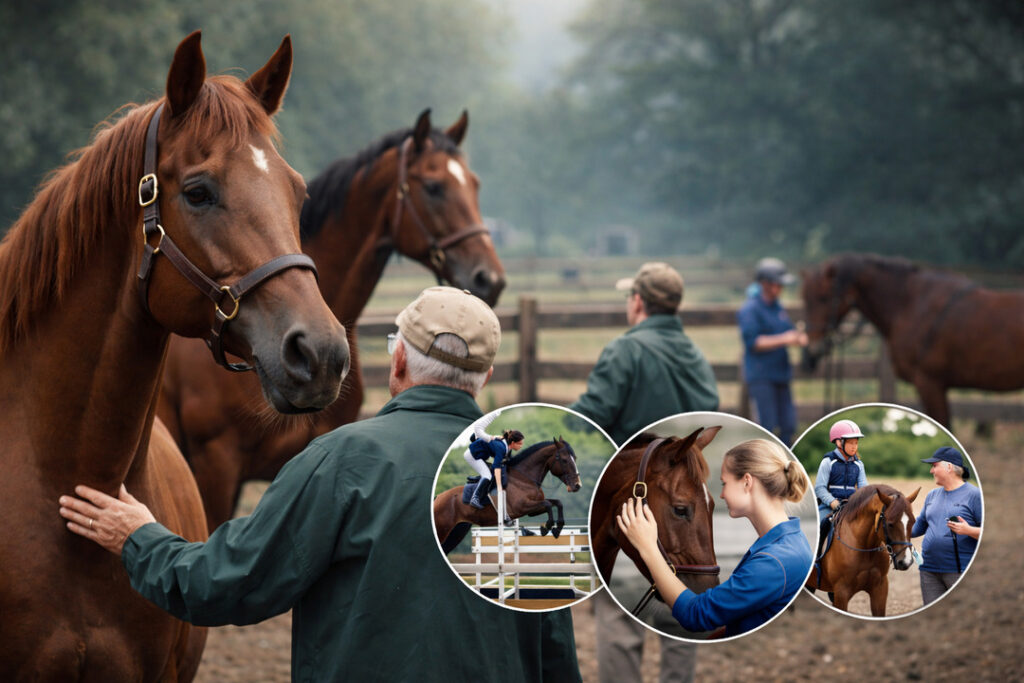
Off-The-Track Thoroughbreds are horses that have completed their careers on the racetrack. While many retire due to age, injury, or declining performance, the transition from racing to post-racing life can be challenging. Many OTTBs face uncertainty if there are no structured programs to guide their retraining or rehoming.
Supporting OTTBs is vital for several reasons:
- Welfare: Ensuring retired horses have a safe environment and proper care.
- Retraining: Teaching OTTBs new disciplines such as dressage, show jumping, or recreational riding.
- Sustainability of the Industry: Responsible rehoming enhances the public perception of horse racing, showing that the community cares about its equine athletes beyond their racing careers.
Consider a thoroughbred retiring at four or five years old—long before the average equine lifespan ends. Without a purposeful transition, these horses run the risk of neglect or even euthanasia once their racing days are over, making structured aftercare initiatives absolutely vital.
How the $35,000 Donation Will Be Used
The $35,000 prize money donated by thoroughbred stakeholders is earmarked for programs and initiatives that provide direct support to OTTBs. This includes funding retraining clinics, providing subsidies for boarding at specialized facilities, and supporting adoption programs that match retired racehorses with new owners.
This financial commitment highlights a growing trend within the racing community: to provide structured pathways for horses leaving the track. By investing in retraining and second-career opportunities, stakeholders ensure OTTBs can transition smoothly into new roles, whether in competitive equestrian disciplines, recreational riding, or therapeutic programs.
For example, retraining clinics funded by such donations expose horses to different riding styles and environments, helping them learn new cues. Subsidies for boarding often bridge the gap for owners or adopters who need support as the horse transitions and learns unfamiliar skills.
Retraining OTTBs: Challenges and Opportunities
Retraining OTTBs requires patience, skill, and a deep understanding of equine behavior. Many of these horses have spent years conditioned for racing, often focusing on speed, agility, and competitive instinct. Transitioning to new disciplines can be demanding:
- Behavioral Adjustment: Some horses need time to adapt from racing routines to new patterns of work.
- Physical Conditioning: Different equestrian disciplines place varying demands on muscles and joints, requiring careful retraining to prevent injury.
- Bonding with New Owners: Establishing trust with humans outside of race staff is critical for a successful transition.
Despite these challenges, OTTBs often excel in new careers due to their intelligence, athleticism, and resilience. Programs funded by stakeholder donations aim to capitalize on these strengths while addressing individual horses’ needs. Experienced trainers report that these horses, with the right preparation, can become stars in their own right in disciplines as varied as eventing or even therapeutic riding.
Community Involvement and Stakeholder Impact

The donation of $35,000 reflects a collaborative effort from breeders, trainers, owners, and racing organizations. By contributing prize money, stakeholders collectively acknowledge their responsibility for the lives of horses beyond racing.
Such initiatives have ripple effects:
- Encouraging Responsible Ownership: Incentivizing owners to consider post-racing opportunities when making career decisions.
- Promoting Awareness: Highlighting the importance of retraining and adoption programs helps educate the public about OTTB welfare.
- Strengthening the Industry’s Reputation: Demonstrating ethical treatment and long-term care improves the image of thoroughbred racing.
This broad support helps dispel negative perceptions and builds a more positive legacy for the sport.
Adoption Programs and Second Careers
Many OTTBs find success in second careers through adoption programs. These programs carefully evaluate both the horse and potential owners to ensure safe, compatible matches. Common paths include:
- Equestrian Sports: Dressage, show jumping, eventing, and endurance riding.
- Therapeutic Riding Programs: Using horses in physical therapy, mental health, or youth development programs.
- Leisure Riding: Recreational riding for hobbyists and enthusiasts.
Trained OTTBs have even been used in law enforcement, as trail and ranch horses, and as partners in youth horsemanship programs. By funding adoption and retraining initiatives, the $35,000 donation provides OTTBs with a higher chance of long-term success and well-being.
The Broader Impact on the Thoroughbred Industry

Support for OTTBs goes beyond individual horses; it reflects a cultural shift within the thoroughbred industry. Racing stakeholders increasingly recognize that ethical care, retraining, and rehoming initiatives are essential to the sport’s sustainability. Programs like this not only protect the horses but also enhance public perception, potentially attracting more fans, owners, and participants who value ethical treatment of animals.
With increased focus on aftercare, more prospective owners may feel comfortable entering the sport, knowing that the fate of racehorses post-career is taken seriously.
Future Directions and Sustainability
While the $35,000 donation is significant, ongoing support is crucial. Future initiatives may include:
- Expanding retraining clinics to more regions.
- Increasing financial assistance for adoption programs.
- Developing partnerships with equestrian organizations and therapeutic programs.
Sustainable programs ensure that retired racehorses continue to thrive long after their racing careers end, creating a model of responsibility that can inspire other equine industries worldwide.
Conclusion
The recent donation of $35,000 in prize money by thoroughbred stakeholders demonstrates the community’s commitment to the welfare of OTTBs. Supporting retired racehorses through retraining, adoption programs, and second-career opportunities reflects a growing awareness of the ethical responsibilities within the racing world.
By investing in the future of OTTBs, stakeholders not only improve the lives of individual horses but also strengthen the reputation and sustainability of the thoroughbred industry. These initiatives show that the care for horses extends well beyond the finish line, ensuring that every OTTB has a chance at a fulfilling life after racing.