
When to Breed an Older Mare and How to Help Her Succeed
Many horse owners consider pursuing a final foal from a senior broodmare. While this can be rewarding, advanced age brings unique challenges not seen in younger horses. Before moving forward, it’s essential to consult your veterinarian for a thorough evaluation of your mare’s overall and reproductive wellbeing. This assessment typically includes screening for uterine scarring, chronic infections, and monitoring ovarian activity all crucial for determining the prospect of a healthy conception and pregnancy.
Understanding the Challenges of Breeding Older Mares

The likelihood of successful conception begins to decline steadily after about age 15. By the time a mare reaches her golden years, the uterine environment may be less hospitable due to previous pregnancies, infections, or simply the passage of time. Even though many mares continue to ovulate well into their twenties, it is the quality of the uterus not just the eggs that most often determines whether a pregnancy will be sustained. For those attempting to foal for the first time later in life, there is a higher probability of having a smaller offspring and encountering additional complications.
Pre-Breeding Preparation and Mare Management
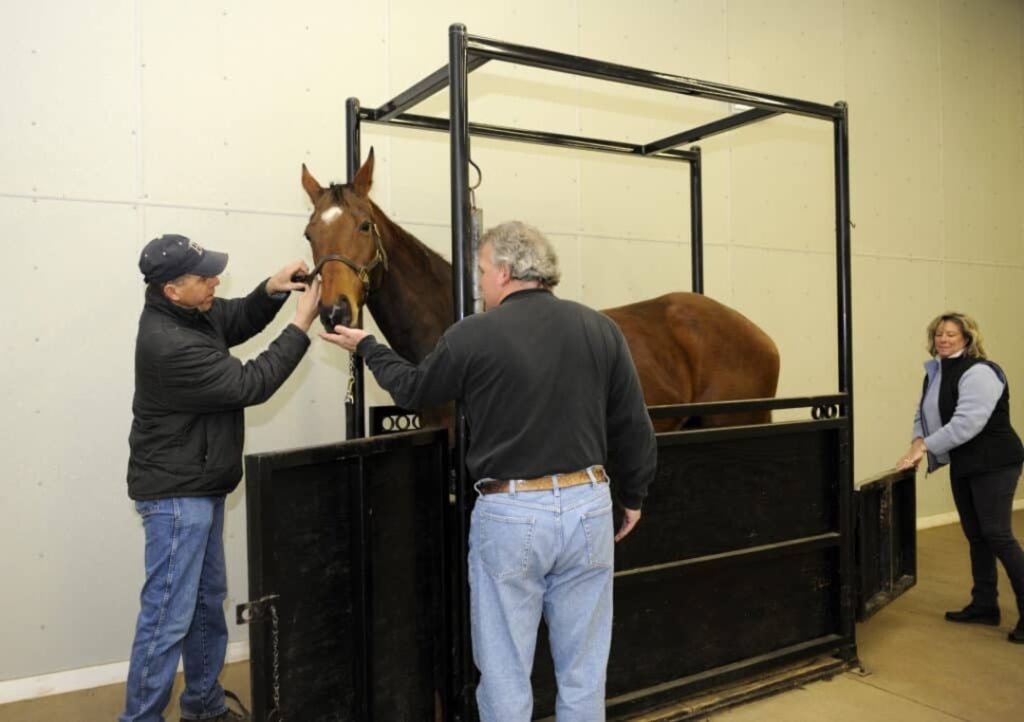
Optimal results require excellent pre-breeding management. This includes veterinary exams involving uterine biopsies and cultures to detect infection or inflammation. It’s important to maintain an ideal body condition score and manage metabolic concerns, such as Cushing’s disease, which can impact fertility and gestational success. Enhancing your mare’s diet with the right nutritional support and ensuring all vaccinations are current can also support successful outcomes.
Where possible, advanced methods, including assisted reproductive technology or synchronizing with the mare’s ideal estrus cycle, can further boost pregnancy rates. Learn more about essential pre-foaling care and equine reproduction at The Horse Reproduction.
Breeding and Monitoring: Supporting Success
When proceeding with reproduction in a mature mare, close supervision is essential. Strategies such as timed insemination, targeted hormone support, or post-breeding uterine lavages are often employed to optimize conditions for fertilization. Once gestation is confirmed, maintaining regular contact with your equine veterinarian for ultrasound monitoring, infection control, and prompt management of potential issues can make all the difference for a safe outcome.
Preparing for Safe Foaling
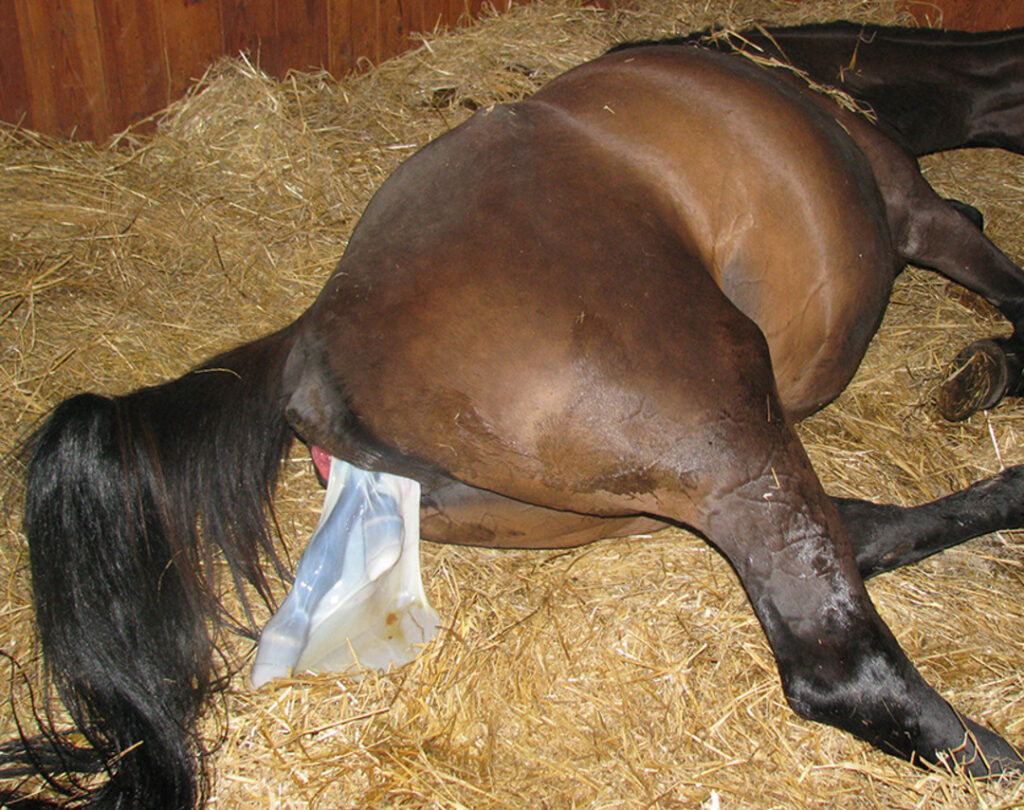
Older mares face increased risk for late-term challenges like placental problems and retained placenta, particularly during foaling. Advance preparation, vigilant observation, and enlisting experienced foaling attendants along with easy access to emergency veterinary care are vital steps in ensuring a healthy delivery for both mare and foal.
Conclusion: Setting Up Older Mares for Breeding Success
Choosing to pursue one more foal from a mature mare is both a personal and significant decision. Though the journey comes with added risks, thoughtful health evaluations, proactive mare management, and a collaborative approach with experienced veterinary professionals can significantly increase the chances of a healthy pregnancy and successful foaling. With diligent planning, older mares can often deliver robust, thriving foals, bringing years of joy and fulfillment to their owners.