
Why Horse Racing Remains One of the Oldest and Most Prestigious Sports
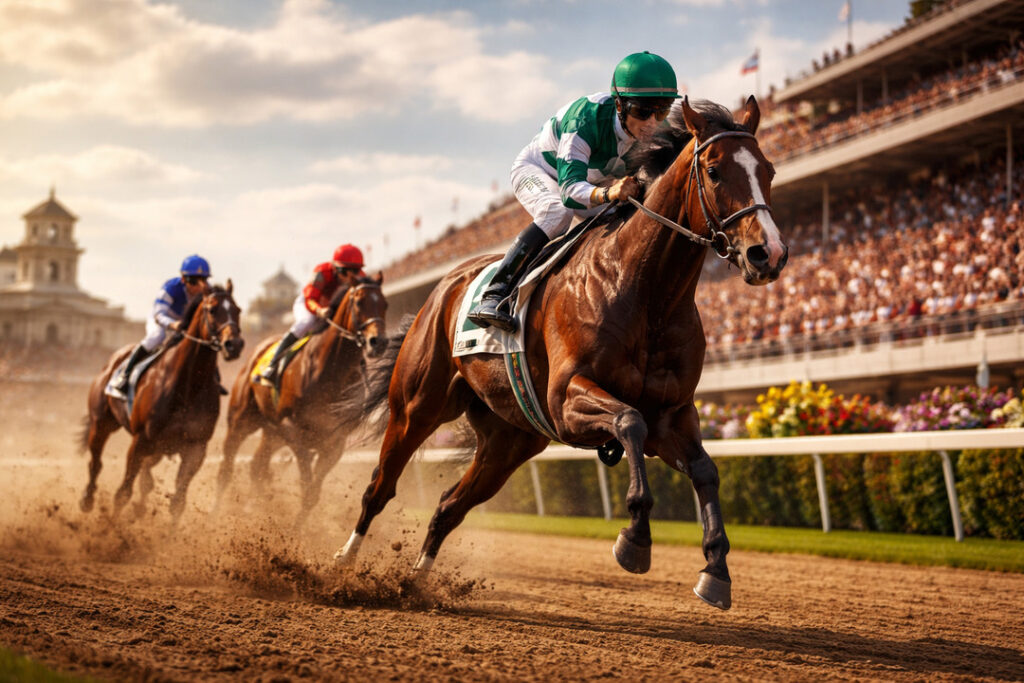
Horse racing is widely recognized as one of the oldest organized sports in human history. For centuries, people have gathered to watch thoroughbreds compete in contests of speed, endurance, and skill. From ancient civilizations to modern-day racing festivals, the sport has maintained a unique place in global culture.
Despite the rise of many modern athletic competitions, horse racing continues to attract fans, owners, breeders, and bettors from around the world. Its deep historical roots, traditions, and prestigious international events have helped it remain one of the most respected sports across generations.
Today, horse racing represents far more than a race around a track. It is a complex industry involving elite athletes—both equine and human—alongside breeding operations, global racing circuits, and historic venues that have become cultural landmarks.
The Ancient Origins of Horse Racing
The relationship between humans and horses dates back thousands of years, and it did not take long before people began testing the speed of these powerful animals. Historical records suggest that organized horse racing existed in ancient civilizations such as Greece, Rome, Babylon, and Egypt.
In ancient Greece, horse racing was already a celebrated competition. The sport became part of the Olympic Games in 648 BCE with the introduction of chariot races. These events drew massive crowds and were often associated with prestige and honor for the horse owners rather than the drivers themselves.
Similarly, the Roman Empire embraced horse racing as a major form of entertainment. Massive arenas like the Circus Maximus hosted thrilling chariot races attended by tens of thousands of spectators. These early competitions laid the foundation for the structured racing events that would evolve centuries later.
The Development of Modern Thoroughbred Racing
While horse racing existed for centuries, the modern version of the sport began to take shape in England during the 17th and 18th centuries. British aristocrats played a key role in refining breeding programs and formalizing racing regulations.
During this period, the Thoroughbred breed emerged as the dominant racing horse. The breed was developed by crossing native English mares with imported stallions from the Middle East, particularly Arabian and Turkish horses. These bloodlines produced horses known for exceptional speed, stamina, and agility.
As breeding improved, organized racing became more structured. Rules were established, race distances were standardized, and racecourses began to appear across Britain. Many of these tracks still operate today and are considered historic landmarks within the sport.
The popularity of racing soon spread beyond Britain. Countries including the United States, France, Australia, and Japan developed their own racing circuits, each contributing to the global expansion of the sport.
Legendary Races That Define the Sport
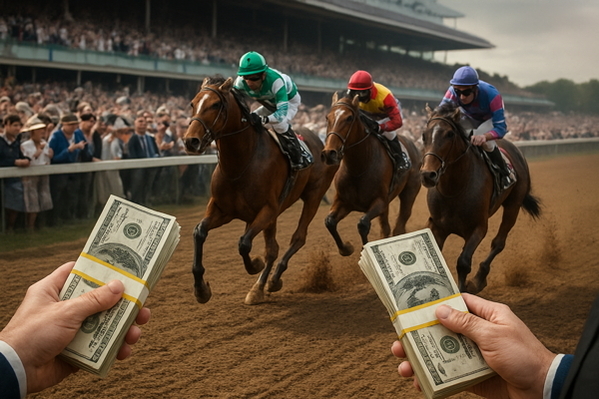
One reason horse racing maintains its prestige is the presence of historic races that have stood the test of time. These competitions attract elite horses and offer global recognition for both owners and jockeys.
Among the most famous events are the American Triple Crown races: the Kentucky Derby, Preakness Stakes, and Belmont Stakes. Winning all three races in a single season is considered one of the greatest achievements in sports.
In Europe, iconic races such as the Prix de l’Arc de Triomphe and the Epsom Derby draw international attention each year. These races often feature the best horses from multiple continents competing at the highest level.
Meanwhile, races in regions like Dubai, Hong Kong, and Japan have also grown into major international spectacles with enormous prize purses and global television audiences.
The prestige attached to these races contributes significantly to the enduring reputation of horse racing as a world-class sport.
The Unique Partnership Between Horse and Jockey
Unlike many other sports, horse racing relies on a close partnership between human and animal athletes. The success of a racehorse depends not only on its natural ability but also on the skill and strategy of the jockey.
Jockeys must develop a deep understanding of the horse they ride. Each horse has a unique temperament, running style, and preferred pace. A skilled rider knows when to conserve energy, when to position the horse strategically in the field, and when to push forward in the final stretch.
Training also plays a crucial role. Trainers design conditioning programs to build endurance, maintain peak performance, and prepare horses for specific race distances and track conditions.
This collaboration between horse, rider, and trainer adds a level of complexity that sets horse racing apart from many other competitive sports.
A Global Industry with Cultural Significance
Horse racing has evolved into a massive global industry involving breeding farms, training centers, racetracks, and international betting markets. The sport supports thousands of jobs worldwide, from stable workers and veterinarians to broadcasters and event organizers.
Major racing festivals also attract tourism and contribute to local economies. Events like the Kentucky Derby in the United States or Royal Ascot in the United Kingdom are as much social gatherings as they are sporting contests.
Fashion, tradition, and pageantry are often associated with these events. Spectators attend in formal attire, and the races are accompanied by celebrations that highlight the cultural heritage of the sport.
These traditions help preserve the historical identity of horse racing while keeping it relevant to modern audiences.
Advances in Training, Technology, and Horse Care

While horse racing is steeped in tradition, the sport has also evolved with advances in science and technology. Modern training techniques now incorporate data analysis, veterinary science, and performance monitoring to improve horse health and athletic output.
Specialized nutrition programs ensure horses receive balanced diets designed for peak performance. Veterinary teams monitor the well-being of racehorses using advanced imaging technology and medical treatments.
Track surfaces have also improved over time. Many racetracks now use engineered surfaces designed to enhance safety and reduce stress on horses’ legs.
These advancements have helped extend racing careers and improve the welfare of the horses involved in the sport.
Why Horse Racing Continues to Capture Global Attention
Despite the emergence of new sports and entertainment options, horse racing continues to captivate audiences worldwide. Part of its appeal lies in the unpredictability of each race. Even the most favored horse can be challenged by changing track conditions, race tactics, or unexpected competition.
The sport also benefits from storytelling. Fans often follow specific horses, jockeys, and trainers throughout the season, creating narratives that build excitement around major races.
Additionally, the breeding aspect of the sport adds another layer of intrigue. Successful racehorses often become valuable breeding stallions or broodmares, shaping future generations of champions.
This ongoing cycle of competition and breeding helps sustain interest across decades.
The Enduring Legacy of Horse Racing
Horse racing’s long history, cultural traditions, and international competitions have ensured its lasting place in the world of sports. Few athletic pursuits can claim such deep historical roots while still maintaining modern relevance.
From ancient chariot races to modern Thoroughbred championships, the sport has continuously evolved while preserving its core identity. Its blend of athletic excellence, tradition, and spectacle continues to draw fans from every corner of the globe.
As new generations of horses and riders emerge, horse racing remains a powerful symbol of endurance, heritage, and elite competition—qualities that have defined the sport for centuries and will likely sustain it well into the future.