
Horse racing-Dubai World Cup gallops on amid Middle East conflict
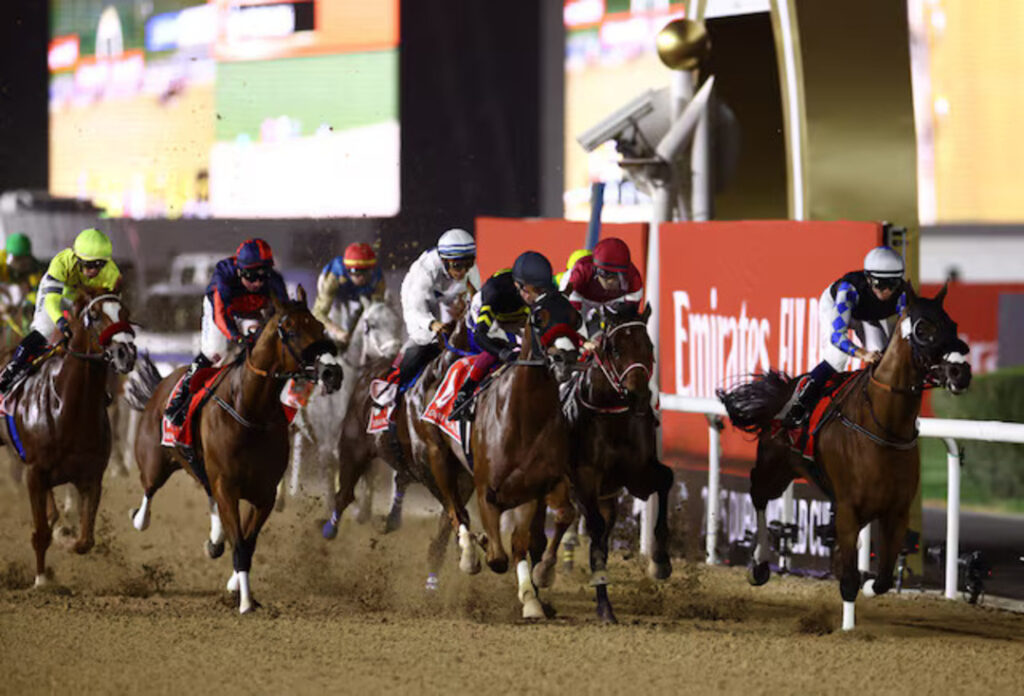
At a time when geopolitical tensions are dominating global headlines, the decision to proceed with the Dubai World Cup sends a powerful message. The Dubai World Cup Middle East conflict narrative is not just about sport continuing—it is about how major global events operate under pressure.
From my perspective, this situation highlights the intersection between sport and geopolitics. Horse racing, often seen as insulated from global events, is now directly navigating the realities of regional instability.
A Global Event Under a Different Spotlight
The Dubai World Cup is one of the richest and most prestigious races in the world, attracting elite horses, trainers, and jockeys from across continents. Its global stature makes it more than just a sporting event—it is a symbol of international participation and economic influence.
However, staging such an event during heightened tensions introduces new layers of complexity. Travel logistics, security considerations, and public perception all become critical factors.
Despite these challenges, organizers have chosen to move forward, emphasizing continuity and confidence in the event’s structure.
Security and Logistics in a High-Risk Environment
Hosting a major international event in a volatile region requires meticulous planning. Security measures are significantly heightened, with coordination between local authorities and international stakeholders.
| Factor | Consideration | Impact |
|---|---|---|
| Security Protocols | Increased monitoring | Enhanced safety measures |
| Travel Logistics | Flight route adjustments | Potential delays |
| Participant Safety | Risk assessment | Controlled environments |
| Global Perception | Media and public response | Reputation management |
These elements reflect how the Dubai World Cup Middle East conflict situation extends beyond the track, influencing every aspect of the event.
The Racing Industry’s Resilience
Horse racing has a long history of adapting to external challenges, from economic downturns to global disruptions. The continuation of the Dubai World Cup reinforces the sport’s resilience and its ability to operate under pressure.
For participants, the event remains a critical opportunity. Prize money, prestige, and international exposure continue to drive involvement, even in uncertain conditions.
For a broader perspective on how racing is evolving globally, our analysis of global racing transformation explores how the sport adapts to changing environments.
Economic and Symbolic Significance
The Dubai World Cup is not just a race—it is a major economic and cultural event. It draws global attention, supports tourism, and reinforces Dubai’s position as a hub for international sport.
Proceeding with the event during a period of tension sends a signal of stability and confidence. It suggests that, despite external challenges, key industries and events can continue to function.
Based on Dubai Racing Club, the event remains a cornerstone of the global racing calendar, attracting top-tier competition and international audiences.
The Human Element Behind the Event
While much of the focus is on logistics and strategy, the human dimension is equally important. Trainers, jockeys, and support staff must navigate both the demands of competition and the realities of the surrounding environment.
This adds an additional layer of pressure, requiring adaptability and focus. It also highlights the dedication of those involved in maintaining the integrity of the sport under challenging circumstances.
From what I’ve observed, these moments often reveal the true depth of commitment within the racing community.
Balancing Sport and Global Reality
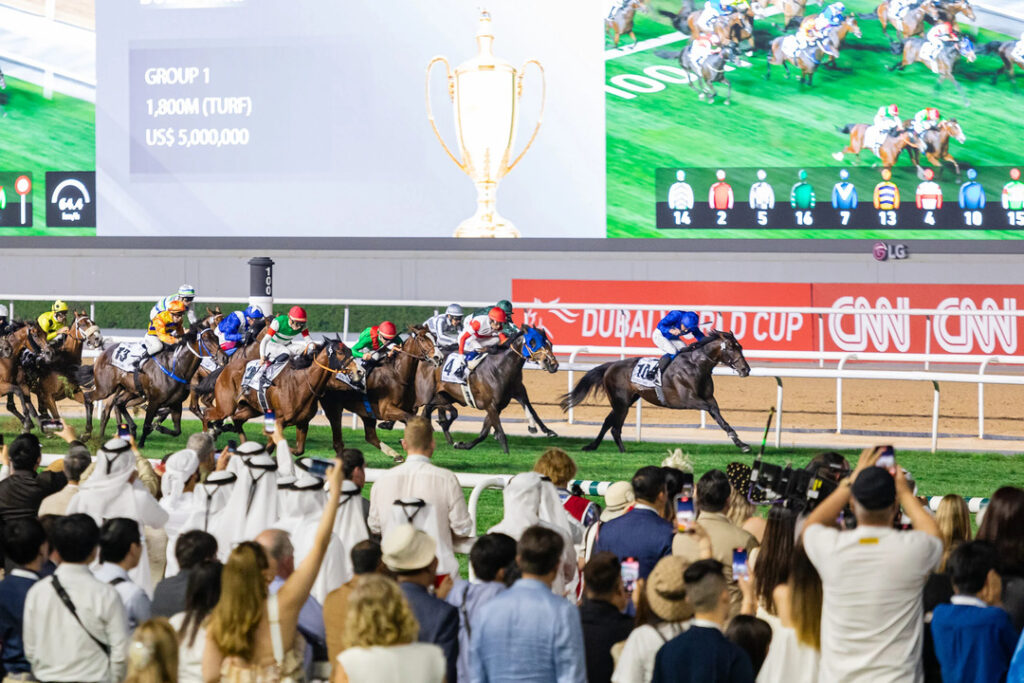
The decision to proceed with the Dubai World Cup raises broader questions about the role of sport during times of conflict. Should major events continue as planned, or should they pause in response to global conditions?
There is no simple answer. However, the current situation demonstrates that sport can serve as both a continuation of normalcy and a reflection of global dynamics.
The Dubai World Cup Middle East conflict narrative ultimately becomes part of a larger conversation about how industries respond to uncertainty.
Racing Forward Amid Uncertainty
The Dubai World Cup’s continuation amid regional tensions is a testament to the resilience and complexity of modern horse racing. It highlights how global events must navigate both opportunity and risk.
From my perspective, this moment underscores the importance of adaptability. The ability to proceed while managing uncertainty is what defines not just successful events, but successful industries.
In the end, the Dubai World Cup is more than a race—it is a reflection of how sport, business, and geopolitics intersect in an increasingly interconnected world.