
Horse Aggression: Causes and How to Manage It
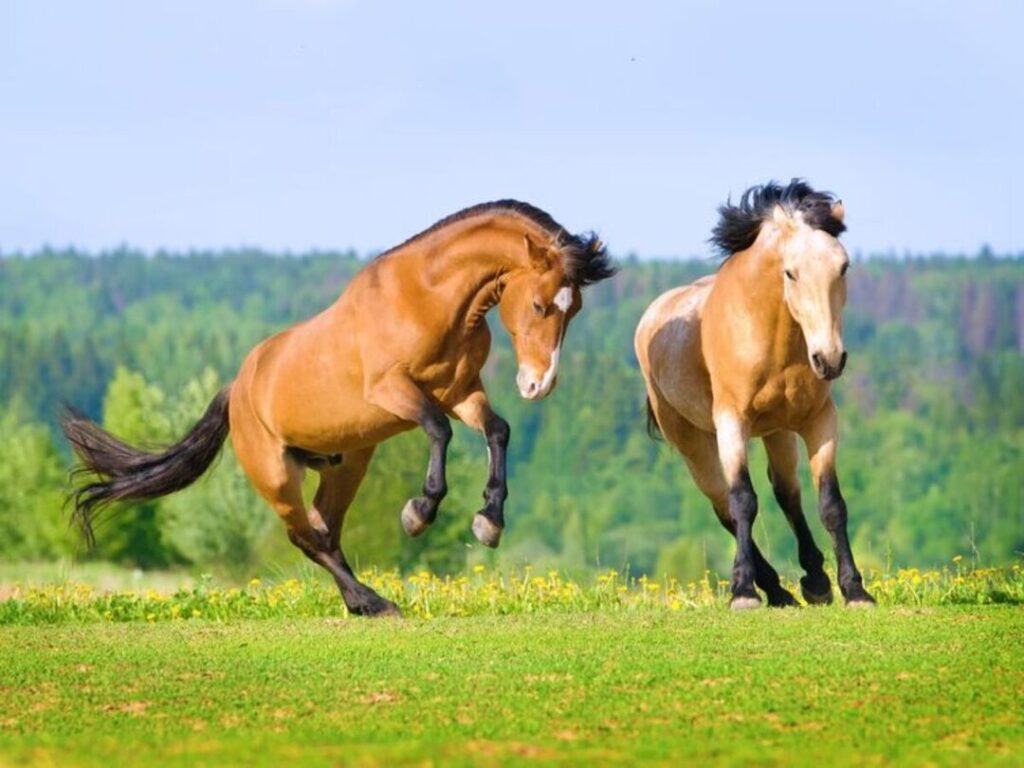
Aggression in horses is often misunderstood as defiance or temperament, when in reality it is usually a response to discomfort, fear, or environmental stressors. As a prey species, the horse relies on instinctive behaviors to protect itself, and aggression can emerge when those instincts are triggered or misinterpreted.
Rather than viewing aggression as a fixed trait, modern equine behavior research frames it as a communication signal—one that indicates something within the horse’s physical or psychological state requires attention.
Common Causes of Aggressive Behavior
Aggressive responses in horses rarely occur without cause. In most cases, they develop gradually due to underlying issues that go unaddressed.
Pain remains one of the most significant triggers. Conditions such as poor saddle fit, dental discomfort, or musculoskeletal strain can lead to defensive reactions during handling or riding. A horse that pins its ears, bites, or kicks may be reacting to physical discomfort rather than disobedience.
Environmental stress is another key factor. Horses kept in confined spaces, isolated from herd interaction, or subjected to inconsistent routines often exhibit heightened anxiety. Over time, this stress can escalate into aggressive tendencies.
Human interaction also plays a critical role. Inconsistent training methods, unclear cues, or overly harsh handling can create confusion and fear. Horses that do not understand expectations may resort to aggression as a coping mechanism.
Recognizing Early Warning Signs
Aggression rarely appears without warning. Horses typically display subtle behavioral cues before escalating into more obvious reactions.
These signs include pinned ears, tail swishing, head tossing, and avoidance behaviors. When ignored, these signals can progress into biting, kicking, or charging.
Understanding these early indicators is essential for prevention. Identifying patterns in behavior allows handlers to intervene before aggression becomes habitual or dangerous.
The Role of Training and Handling Practices
Effective management of aggression begins with consistent, structured training. Horses respond best to clear communication and predictable routines, which reduce anxiety and build trust.
Training approaches grounded in reinforcement—rather than punishment—tend to produce more stable behavioral outcomes. By rewarding desired responses and minimizing confusion, handlers can reshape negative behaviors over time.
It is equally important to evaluate the handler’s role. Subtle inconsistencies in timing, pressure, or body language can significantly influence a horse’s reaction. Skilled handling emphasizes calmness, precision, and awareness.
Veterinary and Behavioral Interventions
When aggression persists, a veterinary evaluation is often necessary. Identifying and addressing physical issues can dramatically alter behavior.
Conditions affecting the back, teeth, or gastrointestinal system are commonly linked to behavioral changes. Addressing these problems not only improves welfare but also reduces the likelihood of aggressive responses.
Behavioral specialists may also be involved in more complex cases. Their role is to assess the horse’s environment, training history, and daily routine to develop a structured modification plan.
Management Strategies That Improve Outcomes

Managing aggression requires a comprehensive approach that addresses both physical and environmental factors. Consistency is critical—sporadic changes or short-term fixes rarely produce lasting results.
Key strategies include maintaining a structured daily routine, ensuring adequate turnout and social interaction, and using properly fitted equipment. These measures help reduce stress and create a more stable environment.
In addition, handlers should prioritize situational awareness, recognizing when a horse may be approaching its threshold. Adjusting handling techniques in real time can prevent escalation and reinforce positive behavior patterns.
The Long-Term Perspective on Behavior Change
Aggression in horses is rarely resolved through quick fixes. Instead, it requires a long-term commitment to understanding the animal’s needs and adjusting management practices accordingly.
Behavioral change occurs gradually, often through small, consistent improvements rather than dramatic interventions. Horses that feel secure, understood, and physically comfortable are far less likely to exhibit aggressive tendencies.
Conclusion: Addressing the Root, Not the Reaction
Horse aggression is not simply a behavioral problem—it is a signal that something within the horse’s environment, health, or training requires attention. By focusing on root causes rather than symptoms, handlers can create lasting improvements in both safety and performance.
The most effective approach combines veterinary insight, structured training, and environmental management. When these elements align, aggression becomes not an obstacle, but an opportunity to better understand and support the horse.