
Four More Horses Scratched from 2,000 Guineas by Aidan O’Brien
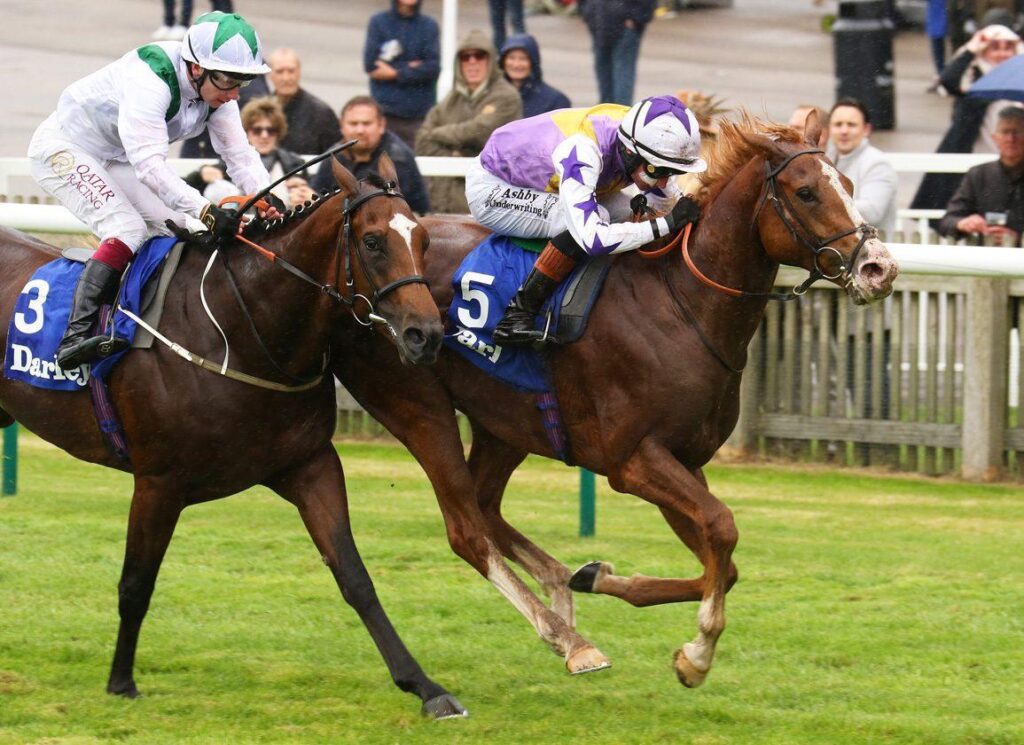
The 2026 2,000 Guineas at Newmarket has been thrown into fresh uncertainty after Aidan O’Brien withdrew four additional runners at the latest scratching stage. The Ballydoyle trainer removed Dorset, Hawk Mountain, Italy, and Montreal, significantly reshaping the field just weeks before the season’s opening Classic.
This latest move follows an already turbulent preparation period marked by earlier withdrawals including high-profile contenders affected by a technical error leaving the race with a dramatically altered competitive structure. What was once shaping up to be a Ballydoyle-heavy lineup has now evolved into a far more open and analytically complex contest.
The Strategic Logic Behind The Withdrawals
While the earlier removals of Albert Einstein and Gstaad were attributed to a computer glitch, the latest four withdrawals appear deliberate, signaling a strategic recalibration from one of racing’s most dominant trainers.
O’Brien’s decision reflects a broader trend in elite flat racing: reducing the number of runners to concentrate on those best suited to the race’s unique demands. The 2,000 Guineas is not a race where numerical strength alone determines success. Instead, it rewards precision preparation, optimal conditioning, and tactical clarity.
By trimming his squad, O’Brien is effectively narrowing his focus toward a smaller group of contenders capable of executing a refined race plan. This approach is consistent with his historical success, having won the race multiple times through carefully structured campaigns rather than sheer volume.
Remaining Ballydoyle Contenders
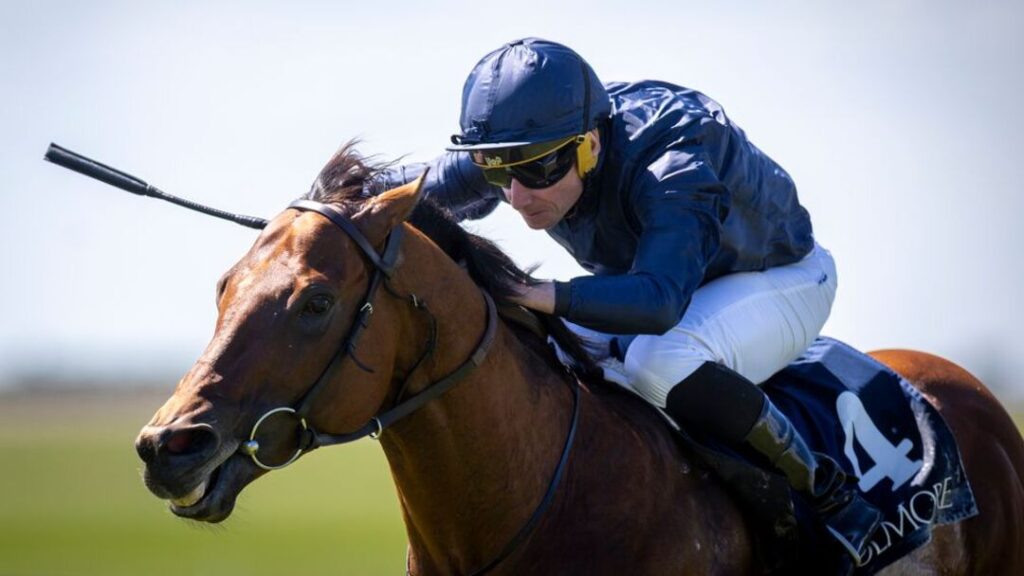
Following the withdrawals, Ballydoyle’s representation has been reduced to three principal runners:
- Puerto Rico, now widely viewed as the stable’s leading contender
- Causeway, offering consistency and tactical adaptability
- Flushing Meadows, a developing colt with potential upside
Among these, Puerto Rico stands out as the likely first string, positioned prominently in early betting markets. His profile aligns with the type of horse that typically performs well in the Guineas—one that combines speed, composure, and the ability to sustain a strong finish over a mile.
This consolidation suggests that Ballydoyle is now operating with a focused and hierarchical structure, rather than a broad-based assault on the race.
Market Reaction And Betting Shifts
The withdrawal of multiple Ballydoyle runners has had an immediate impact on the betting market. With fewer horses from a traditionally dominant stable, the race has opened up, allowing other contenders to strengthen their positions.
At the head of the market, Bow Echo has emerged as the leading favorite, followed by Distant Storm, while Puerto Rico remains firmly in contention.
This shift highlights a key principle in racing analysis: when a major stable reduces its presence, the probability distribution across the field becomes more balanced. For bettors and analysts, this introduces both opportunity and uncertainty, as value may emerge among previously overlooked runners.
A Wider Pattern Of Withdrawals
O’Brien’s decisions are part of a broader trend shaping the 2026 Guineas. Several other high-profile entries from leading trainers—including Charlie Appleby, Andrew Balding, and the Gosden team—have also been scratched.
These collective withdrawals underline the fragile nature of Classic preparation. Factors such as fitness, form cycles, and long-term campaign planning can rapidly alter the composition of the field.
The result is a race that appears increasingly fluid, with fewer certainties and a greater reliance on late-stage developments and tactical positioning.
Race Overview And Key Details
| Race Attribute | 2,000 Guineas 2026 Details |
|---|---|
| Race Name | Betfred 2,000 Guineas Stakes |
| Location | Newmarket (Rowley Mile), England |
| Race Date | May 2, 2026 |
| Race Type | Group 1 Flat Race |
| Distance | 1 mile (8 furlongs) |
| Eligibility | 3-year-old colts |
| Track Layout | Straight turf course |
| Importance | First British Classic of the season |
The straight-mile configuration removes the influence of turns, placing full emphasis on pace judgment, acceleration, and positioning. Horses must balance early speed with the ability to finish strongly, making tactical execution critical.
Broader Racing Implications
The reshaping of the Guineas field extends beyond Newmarket. Horses withdrawn at this stage are often redirected toward alternative targets such as the Irish Guineas or later-season mile races.
For a broader look at how spring races connect across the calendar, this Scottish Grand National guide provides useful context on seasonal race planning and strategic placement.
Why O’Brien’s Decision Matters
Aidan O’Brien’s decision to withdraw four more horses represents more than a routine adjustment. It is a strategic narrowing of focus that alters the competitive balance of the race.
First, it reduces Ballydoyle’s numerical influence, creating opportunities for rival stables. Second, it increases reliance on a smaller group of contenders, placing greater importance on their performance. Third, it introduces additional uncertainty into the betting market, where fewer runners from a dominant yard can significantly shift expectations.
In a race where margins are minimal, such decisions can have disproportionate consequences on the final outcome.
Conclusion
The 2026 2,000 Guineas is shaping into one of the most unpredictable renewals in recent years. Aidan O’Brien’s latest withdrawals have accelerated that unpredictability, transforming the race from a stable-dominated contest into a more evenly balanced field.
With fewer Ballydoyle runners and a wave of withdrawals across other leading stables, the focus now shifts to identifying horses capable of delivering precision, speed, and composure under Classic conditions.
As the race approaches, one conclusion is clear: in a contest defined by fine margins, the strategic decisions made before the starting gates open may ultimately determine the winner.