
Kentucky Derby Winner Golden Tempo Skips The 2026 Preakness Stakes
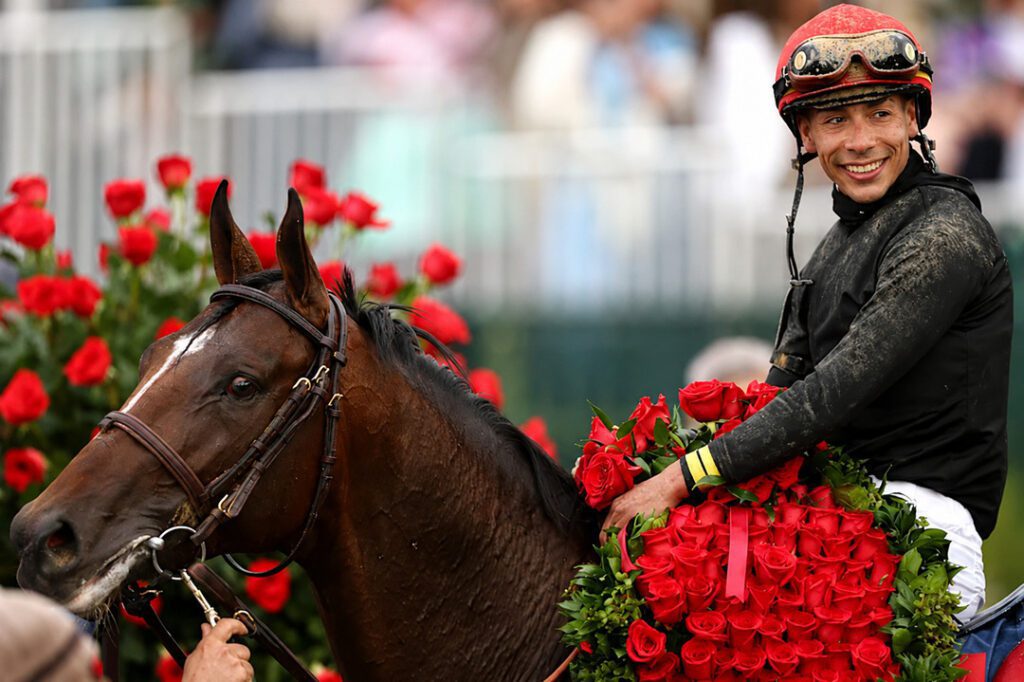
Golden Tempo skips Preakness, and with that decision the 2026 Triple Crown dream ends before it reaches Laurel Park. The announcement matters because it turns a historic Kentucky Derby victory into a larger conversation about horse welfare, modern race spacing, and the hard judgment required when public excitement collides with long-term planning. The colt gave racing one of its most memorable Derby stories, but his connections have chosen patience over the pressure of chasing tradition.
Why Golden Tempo Skips Preakness And Why It Matters
The decision for Golden Tempo to bypass the 2026 Preakness Stakes is bigger than one race scratch. It reshapes the entire Triple Crown season. A Derby winner skipping the middle jewel immediately removes the possibility of a Triple Crown, changes the Preakness field, and shifts the public focus toward what comes next.
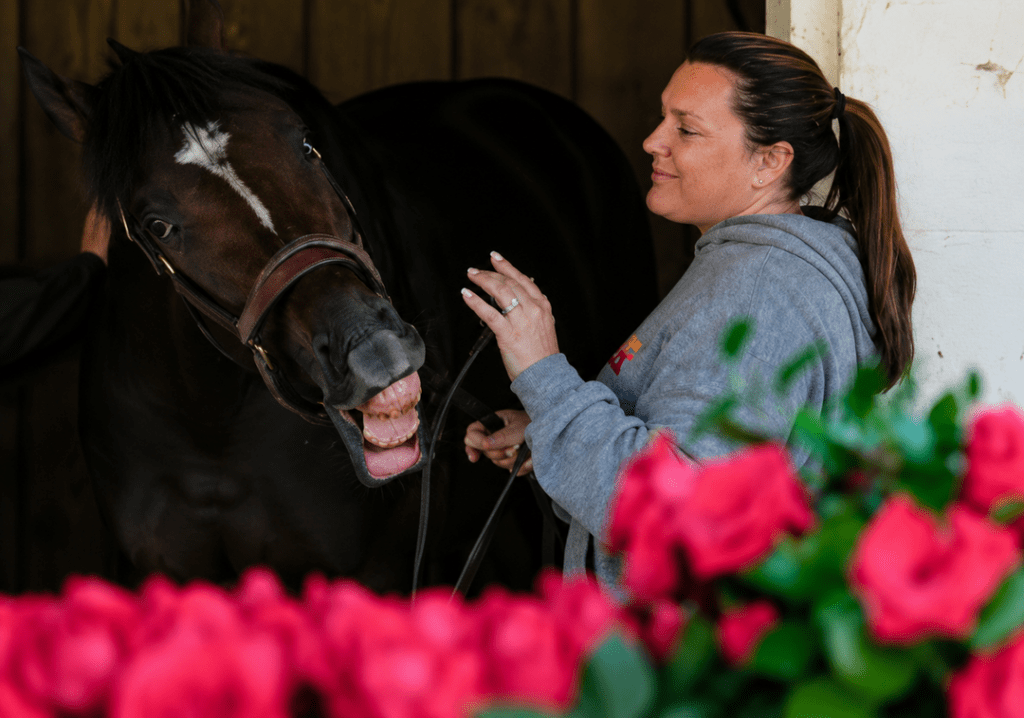
Golden Tempo’s team made the call after his dramatic Kentucky Derby victory, a race that demanded a major late run and the kind of physical effort that can leave a mark even on a strong horse. Trainer Cherie DeVaux and the ownership group decided that the colt needed more time before his next start. That choice places health ahead of spectacle.
That matters because racing has changed. The old expectation that a Derby winner automatically rolls into the Preakness is no longer as automatic as fans once assumed. Modern trainers are more willing to protect the horse, manage spacing carefully, and resist a schedule that may not fit the animal in front of them. That shift creates tension for the sport, because the Triple Crown is built on continuity while modern horsemanship is built on recovery.
The news that Golden Tempo skips Preakness lands with extra force because of what his Derby win represented. He was not just another winner. He delivered Cherie DeVaux a historic breakthrough as the first woman to train a Kentucky Derby winner and gave Jose Ortiz a defining Derby moment. That made the Preakness decision even more emotionally charged.
The Triple Crown Bid Ends Before Laurel Park
The most immediate consequence is clear: there will be no Triple Crown winner in 2026. The Triple Crown requires one horse to win the Kentucky Derby, Preakness Stakes, and Belmont Stakes. Once Golden Tempo was removed from the Preakness path, the bid ended.
That does not diminish his Derby. It changes the shape of his season. The Derby remains the most prestigious single race in American Thoroughbred racing, and Golden Tempo’s victory still carries major value for his legacy. Yet skipping the Preakness means fans lose the rare possibility of watching a Derby winner attempt the second step.
For casual fans, that can feel disappointing. The Triple Crown captures national attention because it offers a simple, dramatic progression. Win the Derby, win the Preakness, then head to the Belmont with history in reach. When the Derby winner does not run in the Preakness, the broader public often feels the season has lost momentum.
For the horse’s connections, the calculation is different. A Triple Crown chase is thrilling, but it is also demanding. The Derby-to-Preakness gap is only two weeks. That is a short window after a race as intense as the Kentucky Derby. A horse can appear sound and still need additional time to return to peak condition.
This is where public desire and professional management diverge. Fans want the story to continue immediately. Trainers have to evaluate appetite, energy, movement, attitude, and subtle signs that rarely make headlines. That is the heart of the tradeoff.
Cherie DeVaux’s Decision Shows Real Horsemanship
Cherie DeVaux’s decision deserves to be understood through the lens of horsemanship, not fear. It is easy to say a Derby winner should always take his shot in the Preakness. It is harder to stand inside the barn, look at the horse, and decide whether the next race is truly the right one.
DeVaux had already made history. Her Derby victory with Golden Tempo broke one of racing’s most stubborn barriers, proving that her preparation, campaign management, and race-day decision-making could succeed at the sport’s highest level. After such a moment, she could have leaned into the full national spotlight. Instead, she chose discipline.
That matters. The Preakness would have brought enormous attention. It would have kept the Triple Crown dream alive and placed DeVaux at the center of the sport for another week. But the best trainers are not guided only by headlines. They are guided by the horse’s signal.
This is also where leadership becomes visible. The public rarely sees the quiet part of the job: the daily evaluation, the private conversations, the small adjustments, the willingness to say no when yes would be more popular. DeVaux’s choice reflects authority because it shows she is not allowing history to push the horse faster than his body allows.
There is no shame in restraint. In fact, restraint may be the most serious form of confidence. A trainer who believes in the horse’s long-term future does not need to squeeze every ounce of opportunity from one short window. That is strategy, not retreat.
What Golden Tempo’s Derby Victory Still Means
Golden Tempo’s Derby win remains one of the defining racing moments of 2026. The colt came from well back, surged late, and created the kind of finish that gives the Kentucky Derby its enduring pull. The performance was not only visually dramatic; it was historically important because of DeVaux’s role and Ortiz’s ride.
The Derby also placed Golden Tempo into a different category. Before the race, he was a contender with a chance. After the race, he became the horse everyone wanted to discuss, scrutinize, and project forward. That is the strange pressure of winning the Derby. It gives a horse glory and immediately demands more.
For Ortiz, the ride showed timing and nerve. A deep-closing trip in the Derby requires faith. Move too soon and the horse may flatten out. Wait too long and the race disappears. Ortiz’s ride became part of the larger story because it turned Golden Tempo’s late energy into a winning move.
For readers looking at how that Derby performance changed the broader racing conversation, Golden Tempo’s victory fits naturally into a deeper Derby history perspective. The point is not only that the colt won. It is that the win gave the sport a story with impact beyond one race.
Skipping the Preakness does not erase that. If anything, it forces a more mature reading of the Derby. Golden Tempo’s win was extraordinary, but extraordinary efforts still carry a cost. A great race can be both career-defining and physically demanding.
Why Modern Derby Winners Are Managed Differently
The Golden Tempo decision reflects a broader change in how elite 3-year-olds are campaigned. Racing fans who grew up with a more rigid Triple Crown expectation may see skipping the Preakness as unusual or disappointing. Modern trainers often see it as part of a more careful framework.
The modern Thoroughbred is managed with close attention to spacing, soundness, recovery, and future value. Owners and trainers know that a horse’s career is not measured only by one three-race sequence. A Derby winner has already achieved something rare. The question becomes how to protect that horse while still pursuing major opportunities.
That shift can frustrate traditionalists. The Triple Crown has always represented toughness, continuity, and the ability to handle three major races in a short span. When Derby winners skip the Preakness, the series can feel less complete. That is a fair emotional response. The sport’s tradition depends on that sense of continuity.
Yet racing cannot ask nostalgia to override welfare. If a horse is not ready, the answer should be no. The industry’s long-term credibility depends on showing that elite horses are not treated as machines. Fans may want more racing, but they also want to believe the horse comes first.
Golden Tempo’s case sits directly inside that debate. His connections are not rejecting the Triple Crown because it lacks prestige. They are rejecting one start because they believe the timing is not right. That is a crucial distinction.
The Preakness At Laurel Park Loses Its Biggest Star
Golden Tempo’s absence changes the 2026 Preakness immediately. The race will still matter, and it may still produce a compelling winner, but it loses the Derby winner and the Triple Crown thread. That changes the public energy around Laurel Park.
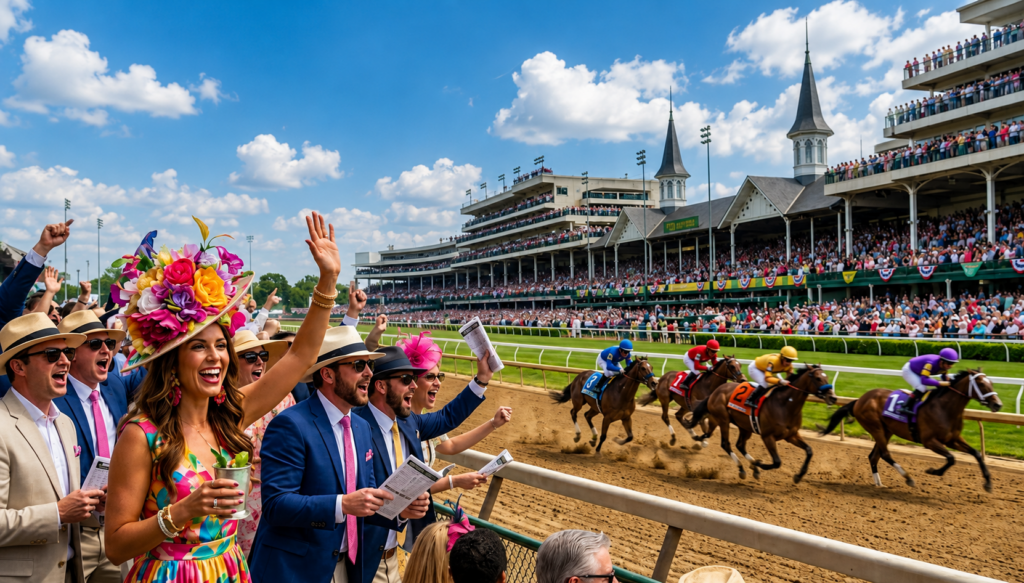
The Preakness is already unusual this year because it is being held at Laurel Park while Pimlico undergoes redevelopment. That setting adds another layer to the story. A temporary venue can create new local interest, but it also removes the familiar Pimlico frame that many fans associate with the race.
For Maryland racing, the absence of Golden Tempo is a blow. A Derby winner attracts national television attention, casual viewers, and a broader betting audience. Without him, the Preakness must stand on the strength of its remaining field, the Laurel Park storyline, and the possibility of a fresh 3-year-old making his own statement.
The official Preakness Stakes at Laurel Park race page now carries a different meaning. Instead of becoming the stage for Golden Tempo’s Triple Crown test, Laurel Park becomes the site of a more open contest. That can still be fascinating, but it is not the same stakes.
A Preakness without the Derby winner often becomes a race of opportunity. Horses that skipped the Derby can arrive fresh. Trainers who saw the Derby field as too difficult may find the Preakness more inviting. Bettors may face a less obvious market. That creates uncertainty, but also opportunity.
What Happens To The 2026 Preakness Field Now
Without Golden Tempo, the Preakness becomes harder to frame around one horse. That may reduce the national drama, but it can improve the competitive puzzle. The field may now be shaped by new shooters, pace types, and horses whose connections believe the race became more winnable overnight.
That matters because the Preakness still carries Grade 1 status, major purse money, and historical importance. A horse can win the Preakness without facing the Derby winner and still earn a significant place in the 3-year-old division. The winner will not be a Triple Crown horse, but he can become a major player moving toward summer.
The race shape may also change. If Golden Tempo had entered, much of the analysis would have centered on whether the pace could set up his closing run. Without him, the field may become more tactical. Speed horses may be more aggressive. Stalkers may feel less pressure from a powerful closer. Jockeys may ride with different confidence.
The result could be a more open race, but also a less emotionally unified one. Golden Tempo gave the Preakness a simple headline. His absence creates multiple smaller storylines: which horse benefits most, which trainer was waiting for this moment, and whether Laurel Park produces a winner with enough quality to command attention beyond Maryland.
That is the practical reality. The race loses the Derby hero but gains competitive depth. Whether that tradeoff satisfies fans depends on what happens when the gate opens.
Belmont Becomes The Next Target
Golden Tempo’s connections are pointing toward the Belmont Stakes, scheduled for June 6 at Saratoga. That changes the way his season should be evaluated. The colt is not disappearing from the Triple Crown trail entirely. He is skipping the second leg and aiming for a later target with more recovery time.
That plan makes sense if the goal is to preserve both performance and long-term potential. The Belmont, even in its Saratoga setting, remains a major race with enormous prestige. It gives Golden Tempo a chance to return in a high-profile spot without forcing a two-week turnaround.
Of course, the Belmont will carry a different atmosphere now. Without a Triple Crown on the line, the race becomes less about completing history and more about validating the Derby winner’s quality after rest. That is still important. A Derby-Belmont double would strengthen Golden Tempo’s standing and show that the Preakness decision protected rather than softened his campaign.
There is also a reputational element. If Golden Tempo runs well in the Belmont, the Preakness skip will look like sharp management. If he struggles, critics may question the path regardless. That is how racing works. Every decision is judged after the result, even when the decision itself was made with reasonable care.
The Belmont target gives DeVaux another chance to demonstrate campaign management. She no longer has to answer the Preakness question. She now has to prepare Golden Tempo for the next major test and prove that the extra time was not simply cautious, but productive.
Why Fans Should Not See This As A Failure
Some fans will view the end of the Triple Crown bid as a letdown. That reaction is understandable. The sport is at its most visible when one horse carries the possibility of history from May into June. Golden Tempo had that chance, and now it is gone.
But disappointment should not become blame. A horse’s welfare cannot be treated as an obstacle to entertainment. If the connections believe the colt needs more time, that should carry real weight. They know the horse better than the public does.
The more productive view is to see this as a sign of where racing is heading. The sport wants national attention, but it also needs public trust. That trust is strengthened when major decisions show accountability and care. A Derby winner being managed conservatively may frustrate fans in the short term, but it can support the sport’s long-term health.
The Triple Crown remains one of racing’s great achievements because it is difficult. If every Derby winner were pushed through the series regardless of condition, the achievement would lose some moral force. The point is not simply to show up. The point is to show up ready.
Golden Tempo’s absence from the Preakness is a loss for the race, but not a failure by the horse. He already did something remarkable. The next responsibility is to manage that success with clarity.
The Larger Message For Horse Racing
The Golden Tempo decision arrives at a moment when horse racing is under constant scrutiny over safety, welfare, and public perception. Every high-profile choice becomes part of a larger conversation about how the sport values its equine athletes. That gives this decision a significance beyond the Triple Crown calendar.
Racing cannot build its future only on nostalgia. It needs stars, but it also needs trust. It needs fans to believe that the people managing elite horses are making decisions with the horse’s future in mind. Golden Tempo’s Preakness skip speaks directly to that challenge.
There is also a business reality. A Derby winner has immense value. Protecting that value is not separate from protecting the horse. Soundness, confidence, and careful spacing all matter. A rushed start can damage more than one race outcome. It can affect a horse’s whole trajectory.
That does not mean every Derby winner should skip the Preakness. It means every Derby winner should be evaluated individually. Some horses thrive on quick returns. Others need more time. The best trainers know the difference. That kind of individualized judgment is not weakness. It is professionalism.
Golden Tempo’s case may accelerate the debate over whether the Triple Crown schedule still fits the way top horses are campaigned. That debate will not be settled by one decision, but this decision gives it fresh urgency.
What Readers Should Watch Next
The first thing to watch is Golden Tempo’s training pattern toward the Belmont. His works, energy, and public comments from the barn will shape confidence around his next start. If he looks bright and strong, the Preakness decision will feel increasingly logical.
The second thing to watch is the Preakness field. Without the Derby winner, the race becomes more open and potentially more tactical. A new star could emerge at Laurel Park. That horse may not have a Triple Crown bid, but he could still reshape the division.
The third thing to watch is public reaction. If fans accept the decision as responsible, racing may continue moving toward more flexible management of elite horses. If frustration dominates, the sport will have to confront the gap between fan appetite and horse-centered decision-making. That gap is one of racing’s biggest challenges.
The fourth thing to watch is how Golden Tempo’s legacy develops. A Derby win alone gives him a permanent place in racing history. A strong Belmont performance would make his campaign feel more complete. A careful, successful return would also validate DeVaux’s choice in the clearest possible way.
That is why this story is not finished. The Triple Crown bid is over, but Golden Tempo’s season is not. The more interesting question is whether skipping the Preakness becomes a footnote or a turning point in how his career is remembered.
Golden Tempo Skips Preakness, But His Story Continues
Golden Tempo skips Preakness, ending the 2026 Triple Crown bid and changing the tone of the entire racing season. That is disappointing for fans who wanted a Derby winner at Laurel Park, but it is also a serious reminder that the horse must come before the storyline. The choice carries risk, but it also reflects the kind of long-range discipline modern racing increasingly demands.
The Preakness will go on, and another horse will have the chance to define the middle jewel. Laurel Park may still produce a memorable race, a new contender, or a surprise winner who takes advantage of Golden Tempo’s absence. The Triple Crown dream is gone, but the competitive season remains alive.
For Golden Tempo, the focus now turns to the Belmont and to whether extra time can preserve the brilliance he showed at Churchill Downs. If he returns strong, this decision will look less like a missed opportunity and more like the right act of leadership at the right time. The Derby gave him history; the next race will tell us how carefully that history is being protected.