The Gold Cup attendance question after Jockey Club Gold Cup weekend is less about a single crowd estimate than about how racegoers responded across the surrounding Saratoga and Belmont calendar. As of September 21, 2026, the Jockey Club Gold Cup weekend referenced here had already passed, while the 2026 Saratoga summer meet had concluded on September 7. The verified attendance record gives enough evidence to identify several trends, but it does not support a precise race-day crowd figure for the Gold Cup itself.
That distinction matters. A prestigious race can sit inside a strong sporting week while the broader meet softens. It can also benefit from calendar position, established horse interest, and regional habits without producing a crowd surge that is visible in public meet-level reporting. The cautious reading is that Saratoga remained a powerful attendance draw in 2026, but not one immune to declining average daily turnout.
Gold Cup Attendance And The Saratoga Benchmark
Why The Baseline Matters
The most reliable starting point is the completed Saratoga meet. The 2026 Saratoga summer meet ran 45 days and drew paid attendance of 1,045,373, according to the 2026 Saratoga meet recap. Including the five-day Belmont Stakes Racing Festival held at Saratoga in June, the reported total reached 1,149,677 across 50 racing days.
Those figures show continuing scale. Saratoga still passed one million paid attendees for the core summer meet, a threshold that remains meaningful because it reflects repeated, in-person fan engagement rather than one isolated marquee afternoon. The number also frames Jockey Club Gold Cup weekend as part of a wider attendance pattern rather than a standalone proof point.
Gold Cup Attendance Needs A Narrow Definition
Gold Cup attendance should not be stretched beyond the data. The research supplied for this analysis does not include a verified paid attendance number for the Jockey Club Gold Cup race day or weekend. Without that figure, the responsible approach is to use Saratoga’s completed meet data as context, not as a substitute for the Gold Cup gate.
This is especially relevant because major racing weekends can attract different audiences. Some fans are drawn by a historic race name, some by the chance to see older dirt horses in a demanding route, and others by the social rhythm of a late-summer card. Those groups may overlap, but they are not identical. Publicly reported meet totals cannot tell us how much of a weekend crowd was race-specific unless the race-day number is reported.
What The 2026 Saratoga Meet Actually Shows
Paid Attendance Remained Large, But Softer
The clearest verified trend is a split signal: Saratoga stayed heavily attended, while turnout declined from 2025. The Times Union reported that total paid attendance for the 2026 summer meet fell by about 16,000 fans from 2025, from about 1,061,787 to 1,045,373, and that average daily attendance declined from 26,544 in 2025 to 23,230 in 2026 in its Times Union meet wrap.
That is not a collapse. It is a measurable cooling from an extremely high base. The difference between total attendance and daily average also deserves care because scheduling changes, added festival dates, and the mix of weekdays and major Saturdays can shift the arithmetic. A smaller average does not prove weaker interest in every marquee event; it does indicate that routine race days carried less visible foot traffic than the prior year.
Average Daily Attendance Carries The Signal
Average daily attendance is often the better sporting measure for racecourse vitality because it reflects how a meet performs beyond its showcase afternoons. A packed feature day can create a memorable atmosphere, but a meet’s health is also shaped by Wednesdays, Thursdays, and non-feature Fridays. In 2026, the verified average daily decline suggests that Saratoga’s biggest days could not fully offset softer turnout across the broader schedule.
Attendance Measure
Verified 2026 Figure
Analytical Reading
Core Saratoga summer meet
1,045,373 paid attendees over 45 days
Still a major in-person racing audience
Meet plus Belmont Stakes Racing Festival
1,149,677 paid attendees over 50 days
Festival dates lifted the wider total
Average daily attendance
23,230 in 2026
Lower than the reported 2025 average
Consecutive million-attendance summers
11th consecutive year
Strong continuity despite the decline
Festival Placement And Race-Day Pull
The Belmont Festival Complication
The five-day Belmont Stakes Racing Festival at Saratoga complicates any simple year-to-year reading. Including that festival, Saratoga’s 2026 attendance footprint becomes larger than the summer meet alone. Yet that does not mean every major race weekend produced the same fan response. A festival built around a Triple Crown race has a different attendance profile from a late-season older-horse race, even when both are important to the racing calendar.
For the Jockey Club Gold Cup, the question is not whether the race has sporting significance. It does. The more precise question is whether that significance translated into a distinct crowd pattern. The available research does not provide a race-day attendance number, so a direct comparison with Saratoga’s major festival days would be unsupported.
Star Power Cannot Replace Reported Counts
Race quality can shape attendance, but it cannot be treated as attendance data. Strong fields, familiar trainers, and recognizable prep-race implications may deepen fan interest, yet they do not tell us how many people entered the track. That is why Gold Cup attendance analysis should separate the sporting appeal of the race from verified crowd measurement.
The September 18, 2026 return to Belmont has already been covered through the racing angle, including how the event fit into the route toward major fall dirt races in the Belmont return analysis. Attendance analysis asks a different question: how much of that sporting interest appeared at the gates, and what does the broader meet record suggest about fan behavior around major dates?
How Tracks Should Read Fan Movement
Separate Gate Strength From Calendar Strength
The verified Saratoga figures support a cautious interpretation. The track retained a large live audience, passed one million paid attendees for an 11th consecutive summer, and still showed a lower average daily crowd than in 2025. Those facts can coexist. A venue can remain one of the sport’s strongest attendance engines while losing some day-to-day volume.
For race organizers, that means the task is not simply to stage a major race and assume the crowd will follow at the same level each year. Calendar placement, weather, field depth, access, and local travel patterns can all influence turnout, but the research provided here does not isolate those causes. The safer claim is that late-summer and early-fall race weekends should be judged against both feature-day energy and meet-wide averages.
Why Crowds Still Matter To The Sport
Attendance is not just an accounting line. It affects paddock atmosphere, grandstand energy, owner participation, and the way a feature race feels to horsemen and fans. A major race run before a lively crowd can gain a stronger sense of occasion, particularly when it sits on a calendar path toward larger championship targets.
For a comprehensive look at related racing coverage, check out Racebook Review; this analysis stays focused on the sporting record: race placement, crowd trend, and what verified attendance can reasonably show.
What Gold Cup Attendance Can Safely Tell Us
Supported Reading After September 21
The supported reading is measured. Gold Cup attendance cannot be declared up or down from the supplied research because a verified Jockey Club Gold Cup race-day attendance figure was not provided. What can be said is that the race sat near a Saratoga-Belmont period marked by large but softer live turnout: more than one million paid attendees at the 45-day Saratoga summer meet, lower total attendance than 2025, and a lower reported daily average.
That makes the 2026 fan signal more layered than a simple success-or-decline label. Saratoga remained a central gathering point for the sport, but the average daily drop suggests that marquee racing did not erase pressure on routine attendance. For future analysis, the key missing number is the exact Jockey Club Gold Cup day crowd. Until that is verified, the strongest evidence says the surrounding fan base remained substantial, while Gold Cup attendance itself should be treated as an open question rather than an assumed trend.
The Sovereignty Absence changes the sporting pitch for the Grade 1 Jockey Club Gold Cup at Belmont Park on September 18, 2026, but it does not make the attendance question simple. Sovereignty had been a central attraction because of the expected meeting with Japanese star Forever Young, and his scratch removes a high-profile head-to-head from a race tied to Belmont Park’s first grandstand reopening since 2023.
As of September 14, 2026, the cleanest reading is cautious: the race loses a star, yet the venue itself may now be the larger attraction. Public visitor information for Belmont’s opening weekend has listed ticket inventory as sold out, which points to strong advance demand. That does not equal a confirmed turnstile count, and it does not measure late no-shows, but it reduces the risk that one horse’s absence alone will visibly thin the crowd.
Sovereignty Absence And The Attendance Question
Sovereignty Absence And Forever Young
Sovereignty was ruled out of the Jockey Club Gold Cup because of a left hind-foot abscess, according to Pick Pony’s report. The same report identified the lost matchup with Forever Young as a key sporting loss for the race. That is the relevant point for attendance analysis: star horses do not merely affect race quality; they shape why casual spectators decide a card feels special.
The core sporting loss from Sovereignty Absence is narrative clarity. Before the scratch, the race could be framed around a direct clash between an American headliner and an international standout. That sort of pairing gives a Grade 1 event an easy public hook. It helps occasional racegoers understand the stakes of the afternoon without needing a full reading of form cycles, pace preferences, or prior campaigns.
Without Sovereignty, Forever Young can still anchor the card from a competitive and international standpoint. The difference is that the race no longer presents the same two-horse question. For serious racing followers, that may shift attention toward depth, pace, and how the remaining field uses a major prep stage. For attendance, the concern is whether the missing marquee clash lowers urgency among those who bought tickets mainly for the anticipated showdown.
Why A Scratch Does Not Automatically Reduce The Gate
A race-day scratch of a leading attraction can weaken same-week walk-up interest, but the September 18, 2026 card is not a normal isolated stakes day. It is attached to the reopening of a rebuilt Belmont Park grandstand, and the ticket status was already constrained before race week. If the public inventory is sold out, late sporting news may affect mood and secondary movement, but it is less likely to create a large visible decline in paid attendance.
That distinction matters. Paid attendance, actual on-site turnout, and crowd energy are related but not identical. A sold ticket can remain unused. A racegoer can arrive for the building, the paddock, and the novelty of the reopening rather than for one runner. The strongest conclusion supported by the available facts is not that the scratch has no effect. It is that the effect may show more in conversation and anticipation than in the published crowd figure.
Belmont Reopening Changes The Frame
A Venue Event As Much As A Race Event
Belmont Park’s modernization gives the Jockey Club Gold Cup a broader frame. New York State has described a $455 million project involving racing surfaces, seating, the clubhouse, and the saddling area, with the rebuilt facility retaining an overall capacity of about 50,000 people while reconfiguring seats, suites, standing areas, and open space to better handle large crowds Governor Kathy Hochul’s office.
That changes how to read the event. A standard Jockey Club Gold Cup attendance forecast would begin with the field, recent stakes form, weather, and the race’s placement on the calendar. This version also includes curiosity about the grandstand itself. The reopening is a one-day civic and sporting marker for New York racing, and that can support attendance even after a major horse exits.
The project’s scale also means the facility is built to absorb a large event. The capacity figure does not predict how many people will be present on September 18, 2026, but it sets the context for crowd management. A sold-out ticket notice at a reconfigured venue should be read carefully: it may reflect capped public inventory, distribution among seats and open areas, or operational choices for an opening weekend, not necessarily the old building’s crowd pattern repeated exactly.
Capacity Versus Turnstile Count
Capacity is an upper boundary. Turnstile count is what matters after the card. The most cautious attendance analysis separates those two numbers and waits for an official race-day figure. A full allocation of tickets can still produce empty spaces if some buyers decide the lost Sovereignty-Forever Young matchup reduces the day’s appeal. It can also produce a strong crowd if the reopening, the Grade 1 race, and the remaining field keep the sporting occasion intact.
For now, the best supported expectation is resilience rather than certainty. The scratch removes a powerful attraction, but the opening weekend status limits the size of any attendance decline that can be inferred before the race. For more insights into racing events, Racebook Review within the network provides extensive coverage and analysis.
How Star Power Affects A Prep Race Crowd
The Difference Between Quality And Recognition
Star power works differently from depth. A deep Grade 1 field can satisfy committed racing observers because it offers tactical questions: who controls the pace, which horse handles the surface, and which runner exits the prep in stronger condition. A recognizable star can draw a broader public because the story is easier to grasp. Sovereignty’s presence would have provided both name recognition and a sporting benchmark for Forever Young.
That is why his absence matters even if the race remains credible. The Jockey Club Gold Cup can still function as a serious prep race. It can still reveal stamina, conditioning, and tactical maturity among the remaining runners. Yet the public-facing story changes from a featured duel to a wider evaluation of the field. That shift may not reduce attendance sharply, but it can change how the crowd experiences the race.
In prep races, a scratch can also alter the pace profile. The research supplied for this article does not provide confirmed revised entries, post positions, or a pace map, so any detailed projection would be speculative. The safe sporting point is narrower: removing a major contender changes how rivals are assessed, and it can reduce the sense that the race will answer one clean head-to-head question.
Attendance Signals To Treat With Care
The most useful indicators are not all equal. A sold-out notice tells us demand existed before race day. It does not tell us how many people will pass through the gates. A major horse scratch tells us the card lost a specific attraction. It does not prove that ticket holders will stay home. A grandstand reopening tells us there is venue-driven interest. It does not guarantee full use of every space.
Strong signal: opening-weekend ticket inventory being listed as sold out before the card.
Mixed signal: the loss of the expected Sovereignty-Forever Young matchup.
Unknown signal: the actual September 18, 2026 turnstile count, which remains unavailable before race day.
Those distinctions protect against overreaction. Attendance stories in racing often become too neat: star appears, crowd rises; star scratches, crowd falls. Belmont’s reopening makes this case less direct. The sporting loss is real, but the event has more than one source of demand.
What To Watch On September 18
Crowd Energy Around The Paddock
The most revealing sign may be where attention gathers before the race. If the paddock remains crowded for the Jockey Club Gold Cup despite the scratch, that would suggest the remaining field and the reopening setting kept the card’s pull. If the energy concentrates more around the facility than the horses, that would show the building itself became the main attraction.
That does not diminish the race. It simply separates two forms of interest. One is horse-centered, built around Sovereignty, Forever Young, and the competitive meaning of the prep. The other is venue-centered, built around the first use of the reconstructed Belmont grandstand. On September 18, 2026, those forms of interest will overlap, but they will not be identical.
How The Race Can Regain Focus
The race can still regain a clear sporting focus if the remaining field produces a strongly run Grade 1. A decisive performance by Forever Young, or a breakthrough from another runner, would shift the conversation from the missing horse to the horses who performed on the day. That is often how prep races repair a lost storyline: the race itself supplies a new one.
For analysts, the fair approach is to avoid treating the scratch as either fatal or irrelevant. It is neither. It removes one of the race’s most compelling public angles, but it occurs in a setting where tickets, venue curiosity, and the significance of Belmont’s return already created demand. For related racing coverage across the network, Racebook Review offers another entry point into the sport’s major events.
Sovereignty Absence At Belmont Park
Sovereignty Absence does not erase the Jockey Club Gold Cup’s value as a Grade 1 prep, but it changes the way the event will be judged. The sporting expectation has shifted away from a headline duel with Forever Young and toward how the remaining runners handle a major stage at a reopened Belmont Park.
For attendance, the key word is restraint. The scratch likely reduces some of the race-specific excitement, especially among spectators drawn by the anticipated matchup. Yet the sold-out ticket status and the reopening of a rebuilt venue point toward continued strength in paid demand. Until an official September 18, 2026 attendance figure is released, the most evidence-based reading is that Belmont lost star power, not necessarily the crowd.
The Sovereignty Training Plan changed sharply on September 11, 2026, when Bill Mott confirmed that Sovereignty would not run in the Grade 1 Jockey Club Gold Cup at Belmont Park on September 18 because of a hind-left foot abscess. That decision removed a scheduled race from the colt’s path to the Breeders’ Cup Classic at Keeneland on October 31 and shifted the sporting question from race placement to recovery timing.
Mott’s public comments made the situation clearer without making it simple. He said he hoped Sovereignty could return to training around the middle of the following week, which would leave a limited but workable runway into the Classic if the foot responds as expected. The current plan, as reported after the withdrawal, is to train directly toward the Classic rather than force another prep race into the schedule. That creates a demanding but not unprecedented assignment: keep a top older dirt horse fit, sharp, and sound after an interrupted training pattern.
Sovereignty Training Plan Reset After The Gold Cup
A Confirmed Withdrawal, Not A Tactical Scratch
The timing matters because this was not a discretionary skip from a fully healthy horse. Mott confirmed the Jockey Club Gold Cup withdrawal on September 11, citing the hind-left foot abscess, according to Daily Racing Form. A foot abscess can change a schedule quickly because it affects the horse’s ability to train consistently, and the Grade 1 Jockey Club Gold Cup was only seven days away when the decision was made public.
That short interval left little room for a conservative comeback before Belmont Park’s September 18 race. A horse can regain routine exercise after an abscess improves, but race readiness requires more than being able to return to the track. It requires enough controlled work to support a demanding two-turn Grade 1 effort. Mott’s decision therefore reads less like a change in ambition and more like an attempt to protect the larger target.
Why The Sovereignty Training Plan Now Runs Through Works
The change places more weight on morning training. Sovereignty’s most recent start was his Whitney Stakes win on August 8, 2026. With the Gold Cup removed, the gap from the Whitney to the Breeders’ Cup Classic on October 31 becomes approximately 12 weeks, a timeline also reported by Agentes 305. That is a meaningful break for a horse pointing to one of the most demanding dirt races of the season.
That makes the Sovereignty Training Plan a test of controlled progression. Instead of using the Jockey Club Gold Cup to measure race fitness under pressure, Mott now has to rebuild rhythm through timed works, gallops, and recovery days. The value of that approach is that every step can be adjusted around the foot. The risk is that controlled works cannot fully reproduce the physical and mental demands of a Grade 1 race.
What The Missed Gold Cup Changes
Race Fitness Versus Controlled Works
The Jockey Club Gold Cup would have offered a clear racing read: how Sovereignty settled, how he traveled around two turns, how he responded when asked, and how he recovered afterward. Without that race, those answers become less direct. Works can show energy, stride, and willingness, but they do not place the same pressure on a horse as a competitive field.
This is where Mott’s patience becomes central to the sporting analysis. If Sovereignty returns to training around mid-September, he would have roughly seven weeks to prepare for October 31. That is enough time to develop a structured work pattern if there are no setbacks, but it leaves less margin for interruption. The plan depends on a clean sequence, not one spectacular work.
There is also a distinction between fitness and peak condition. Fitness can be built with repetition. Peak condition requires timing. A horse asked to run a major race after a long break needs enough foundation to finish strongly, but not so much work that he arrives dulled or sore. The current path asks Mott to find that narrow band without the confirming evidence of another race.
Why Another Prep Is Not Definite
A possible alternate race discussed in the reporting was the Lukas Classic at Churchill Downs on September 26. Mott, however, expressed reservations about shipping and preferred keeping the horse in Kentucky while working toward the Breeders’ Cup. That position is consistent with a conservative recovery plan. Shipping for a race soon after a foot issue can add stress at the wrong time, especially when the principal target is only weeks away.
Before the Gold Cup decision, the colt’s status for Belmont had already been described as no better than 50-50. Once that level of uncertainty exists, adding another race can become more of a schedule reaction than a performance plan. The earlier discussion of his spacing before the Gold Cup had already centered on patience and controlled works, a theme covered in our prior analysis of Sovereignty’s patient build.
The Sovereignty Training Plan now reflects a preference for continuity over replacement. That does not guarantee success, but it does establish a clear training philosophy: recover the foot, restore regular work, and aim for the Classic without forcing a late prep into the calendar.
Reading The Whitney In A Longer Preparation
The Most Recent Race Anchor
The Whitney remains the main sporting evidence because it was Sovereignty’s latest start and his last public race performance before the interruption. A strong Grade 1 win on August 8 gave Mott a high-quality form base. The question is not whether the Whitney was meaningful; it clearly was. The question is how much of that edge can be carried through a 12-week race gap and a training interruption caused by the abscess.
Prep races often serve two purposes. They can improve conditioning, and they can reveal whether a horse has moved forward or regressed since his last major start. Sovereignty has lost that second form check before the Classic. That places more interpretive weight on the worktab and on how he physically presents during the build-up, assuming he resumes training as planned.
For readers exploring racing insights, Racebook Review offers comprehensive coverage interconnected with major race events in the network. The main focus here remains specific: determining if a Whitney winner can arrive at Keeneland ready without the Gold Cup as a preparatory race.
A Prior Template With A Warning
There is one relevant precedent from the same horse. In 2025, after winning the Travers Stakes, Sovereignty trained forward into the Breeders’ Cup Classic without a final prep race. That shows the method is not foreign to his camp. It also comes with a caution, because he was scratched from the 2025 Classic after developing a fever just before the race.
That history should not be treated as a prediction for 2026. A fever before one race and a foot abscess before another are different issues. Still, the comparison is useful because it shows the limits of planning around a single championship target. A horse can be trained carefully and still encounter a health problem at the wrong point in the calendar.
The more balanced reading is that Mott has experience preparing Sovereignty without a final prep, but the current build remains dependent on day-to-day health. The absence of a Gold Cup start does not disqualify him from a strong Classic run. It does remove one public test that would have made the assessment firmer.
Sovereignty Training Plan Defines The Classic Test
What Must Be Proven By October 31
The final six-plus weeks before the Breeders’ Cup Classic are likely to define Sovereignty’s candidacy more than any headline attached to the withdrawal. The foot must heal enough for regular training. The work pattern must become steady. The colt must regain the rhythm that allowed him to produce his Whitney effort on August 8. None of those steps should be assumed, but each is possible if the recovery proceeds cleanly.
The key sporting tension is direct: the Classic at Keeneland asks for peak performance, while the interrupted schedule asks for restraint. Pushing too hard would undercut the reason for skipping the Gold Cup. Moving too slowly could leave Sovereignty short of his best on October 31. That is the narrow lane Mott now has to manage.
The Sovereignty Training Plan is therefore less about finding another race and more about preserving the quality already shown. The Whitney supplied the form. The abscess disrupted the bridge. The next phase must supply continuity. If Sovereignty makes the Classic in peak condition, it will be because the camp rebuilt the preparation patiently rather than treating the missed Gold Cup as a problem to solve with a rushed replacement.
The Sovereignty health update changed the sporting shape of the Grade 1 Jockey Club Gold Cup before the race was ever drawn. Bill Mott ruled Sovereignty out on September 11, 2026, after an abscess in the colt’s left hind foot kept him off the track for more than a week and cost him multiple scheduled workouts, according to Daily Racing Form.
That decision was less about one missed race than about timing. The Jockey Club Gold Cup is scheduled for Friday, September 18, 2026, leaving too little runway for a Grade 1 older dirt horse to regain full training rhythm after a hoof issue. Sovereignty had been pointing toward the race after a strong Whitney Stakes win, but prep races depend on continuity as much as talent. Once the work pattern broke, Mott’s caution became the more defensible sporting call.
Why The Sovereignty health update Matters
Sovereignty health update And The Missed Works
The key detail is not simply that Sovereignty had an abscess. Hoof abscesses can vary in severity, and the public record here supports only a limited reading: the left hind foot issue interrupted training, forced him to miss at least two planned workouts, and prevented any track training for more than a week. Mott had already described his chances of making the Gold Cup as no better than 50-50 on September 7, 2026, before the formal withdrawal followed four days later.
That sequence matters because elite dirt-route preparation is built around spacing. A horse can maintain base fitness through prior racing, but a Grade 1 prep at this point of the calendar still asks for sharpness, soundness, and confidence in the stride. Missing a single work can be manageable. Missing multiple works after a foot problem, with only days remaining before a major race, is a different training problem.
What Mott’s Decision Signals
The Sovereignty health update moved from uncertainty to clarity once Mott ruled him out. That does not establish a long-term setback beyond the facts reported, and it would be careless to frame it as one without further confirmation. It does show that the Gold Cup no longer fit the colt’s recovery schedule. In prep-race terms, the race stopped being a useful bridge and became an avoidable demand.
That distinction is familiar with established older horses. A prep should sharpen a contender for a larger objective; it should not require rushing back from a disrupted week. Before the setback, the logic of Mott’s patient build had already been central to our earlier Sovereignty strategy analysis, and the withdrawal was consistent with that broader training philosophy.
What The Training Gap Changed
The August 28 Work Now Reads Differently
Before the hoof issue became public, Sovereignty’s August 28, 2026 half-mile work in 48.67 seconds looked like a routine step toward the Gold Cup. The reported quarter splits of about 24.78 seconds and 23.89 seconds, with Thunder Roll as company, suggested a colt still on a structured schedule. Once the abscess interrupted the next phase, that work became the last firm public training marker before the missed sessions.
That does not reduce the quality of the work itself. It changes the interpretation. A single good move more than two weeks before a Grade 1 race is not the same as a completed sequence of works leading into race week. The lost continuity is the issue. For a horse exiting a major win, fitness may not disappear quickly, but timing and foot comfort are not minor details over a demanding dirt route.
Why Race Fitness Is Not Just Conditioning
Race fitness includes more than lung capacity. It includes how a horse lands, how confidently he changes leads, how he responds under restraint, and whether his stride remains efficient after early pressure. A foot abscess can make those questions hard to answer until the horse is back in steady training. The public information does not say Sovereignty was unsound for the long term; it says he missed the necessary preparation window for September 18.
That is why this was a classic prep-race decision. The Jockey Club Gold Cup would have offered a Grade 1 test against high-class older dirt horses, but it also would have required Sovereignty to perform without the uninterrupted work pattern his trainer wanted. For a horse already qualified for the next major target, there was less sporting value in forcing the issue.
Gold Cup Impact Without Sovereignty
A Marquee Matchup Was Removed
Sovereignty’s absence removes the expected Gold Cup meeting with Forever Young, who was still set to be entered for the September 18 race based on the research available. That changes the identity of the event. The race remains a Grade 1 test, but it no longer carries the same direct comparison between Sovereignty’s Whitney form and Forever Young’s standing among elite dirt horses.
The lost matchup matters from a sporting standpoint because prep races can sort divisions before championship races. A head-to-head meeting in the Gold Cup could have supplied a clearer read on pace adaptability, stamina, and race readiness before Keeneland. Without Sovereignty, the race can still produce a major performance, but it cannot answer the same question about him.
Forever Young Still Faces A Meaningful Test
The Gold Cup should not be treated as diminished to the point of irrelevance. A Grade 1 older-horse route can expose weaknesses even when one star is absent. The remaining field, once finalized, will still determine pace, pressure, and whether Forever Young can use the race as a strong bridge toward the fall championship schedule.
For those interested in tracking race development beyond wagering angles, detailed coverage can help illuminate the stakes. As races progress, a vital resource for insights on form, race conditions, and results is available at Racebook Review.
Sovereignty health update And The Classic Path
The Whitney Win Still Carries Weight
Sovereignty’s most recent race remains highly relevant. He won the Grade 1 Whitney Stakes on August 8, 2026, by 4¾ lengths, his first victory of his 4-year-old season after finishing second in the Grade 2 Oaklawn Handicap on April 18 and third in the Grade 1 Stephen Foster Stakes on June 27, as reported by Yahoo Sports.
That profile explains why the Gold Cup withdrawal is significant without being catastrophic on the facts available. Sovereignty had already shown that he could move forward from spring foundation races into a peak summer performance. The Whitney also secured his place in the Breeders’ Cup Classic through the “Win and You’re In” series, so the immediate pressure to use the Gold Cup as a qualification route was removed.
October 31 Becomes The Central Date
Mott’s revised plan is to prepare Sovereignty for the Grade 1 Breeders’ Cup Classic on October 31, 2026, at Keeneland. The calendar now gives the colt more time than the Gold Cup would have allowed, but it also changes the type of preparation. Instead of gaining another race over a Grade 1 field, Sovereignty must rely on recovery and training to regain the rhythm lost during the abscess interruption.
That trade-off is not automatically negative. Some horses benefit from spacing after a demanding Grade 1 win. Others need a race to sharpen. The public facts do not prove which category Sovereignty will fall into by October 31. What they do support is a cautious reading: the foot issue made the Gold Cup too tight, while the Classic remains viable if he resumes steady training in time.
The Sovereignty health update does not erase his Whitney authority, but it does remove one important checkpoint. The Jockey Club Gold Cup will now assess the remaining older dirt contenders without him, and Sovereignty’s next true evaluation is likely to come through his training pattern before Keeneland. For a proven Grade 1 colt, that makes every confirmed work between now and October 31 more meaningful than any projection made before the abscess appeared.
The Del Mar Trainers race had a clear leader in the official August 20, 2026 snapshot, but the standings also raised a more useful sporting question: which barns were merely collecting wins, and which were showing the kind of efficiency that can matter in prep and stakes settings?
Doug O’Neill led the Del Mar summer meet trainer standings with 17 wins through that August 20 update, seven more than Phil D’Amato, who had 10. The same official stable notes said O’Neill would earn his sixth Del Mar training title if he held first through the final three weeks of racing, with his last title having come in 2019 Del Mar stable notes. Because today is August 25, this should be read as a dated snapshot rather than a claim that the numbers remained unchanged after August 20.
For insights into trainer strategies and related racing activities, it’s beneficial to check racebookreview.com, another publication that provides comprehensive coverage in the racing community; the analysis here stays with trainer performance, race development, and track-context signals.
Del Mar Trainers Set The Midmeet Benchmark
O’Neill’s Lead Was Built On Volume And Output
O’Neill’s 17 wins from 76 starters translated to approximately a 22 percent win rate in the research snapshot. That matters because a raw win total can sometimes be inflated by sheer participation. In this case, the volume was substantial, but the conversion rate also held up well. A barn sending out that many starters and still winning at about one in five starts was doing more than occupying stalls and filling races.
For prep-race analysis, that distinction is useful. A leading trainer at a meet may have a mix of maiden, allowance, claiming, and stakes runners, so the standings cannot be treated as a direct map of stakes strength. Still, a barn in rhythm often shows it through repeatable patterns: horses placed where they can compete, runners holding form through local conditions, and a pipeline that keeps producing instead of relying on one or two standout performances.
Why Del Mar Trainers Need Context
The Del Mar Trainers standings also showed how misleading a single column can be. D’Amato ranked second with 10 wins from 69 starters, or roughly a 14 percent win rate. That does not erase the value of being second in wins. It does, though, create a different profile from O’Neill’s. D’Amato was still winning often enough to remain the closest pursuer, but his win rate showed a wider gap in efficiency than the raw standings alone suggested.
That type of comparison is especially relevant during a meet that includes developing horses and prep pathways. A barn may be using the meet to condition horses toward later assignments, not simply to peak every runner on a single afternoon. Without confirmed race-by-race intent from the connections, the safest reading is cautious: the standings reveal production, not every reason behind that production.
The Chase Group Was Crowded Behind O’Neill
Four Trainers Shared Third In The Snapshot
The August 20 notes showed a four-way tie for third: Michael McCarthy, John Sadler, George Papaprodromou, and Peter Miller each had eight wins. Bob Baffert followed with seven wins, and Mark Glatt had six in the research notes. Across the meet, 64 different trainers had won at least one race, a sign that victories were spread well beyond the top two barns DMTC stable notes.
That distribution matters for race analysis because Del Mar is not a meet where every result can be reduced to the leader board. O’Neill’s advantage was real in the August 20 snapshot, but the cluster behind him meant several barns remained visible in day-to-day race flow. A trainer with eight wins at that point had already shown enough local traction to affect pace scenarios, class placement, and the makeup of allowance or stakes undercards.
Baffert’s Position Required A Narrow Reading
Baffert’s seven wins placed him just behind the third-place tie in the standings. The available research did not provide an official breakdown here by surface, distance, age group, or stakes category from the permitted primary links, so it would be too aggressive to frame his meet only through prep-race performance. What can be said is simpler: his barn was within one win of the third-place group as of August 20.
That narrower reading is still useful. In prep contexts, barns with fewer total wins may still be highly relevant if their best runners appear in stakes or if their placement is selective. But this article cannot verify those added layers from the available official snapshot. The responsible approach is to separate confirmed standings from plausible race-analysis implications.
Trainer
Wins In August 20 Snapshot
Analytical Note
Doug O’Neill
17
Clear leader, about 22 percent wins from 76 starters
Phil D’Amato
10
Second in wins, about 14 percent from 69 starters
Michael McCarthy
8
Part of a four-way tie for third
John Sadler
8
Part of a four-way tie for third
George Papaprodromou
8
Part of a four-way tie for third
Peter Miller
8
Part of a four-way tie for third
Bob Baffert
7
One win behind the third-place group
Mark Glatt
6
Next named barn in the research snapshot
Performance Metrics That Matter Beyond Wins
Win Rate Helps Separate Momentum From Activity
A trainer title is decided by wins, but performance analysis should not stop there. O’Neill’s 17-for-76 profile and D’Amato’s 10-for-69 profile point to two different levels of meet efficiency. The difference between about 22 percent and about 14 percent is not a minor rounding issue. It suggests O’Neill’s barn was converting opportunities at a stronger rate in the data provided.
That does not mean every O’Neill runner was better placed than every rival runner, nor does it prove which barn would be strongest in a specific stakes race. Prep races tend to compress margins because the fields are higher quality and the goals can differ. Some horses use a prep to sharpen speed. Others are asked to finish, settle, or stretch out. A win-rate table gives the analyst a useful starting point, not a complete answer.
Depth Across 64 Winning Barns Changes The Read
The fact that 64 trainers had at least one win through the August 20 notes gives the meet a broader competitive base. That is meaningful at Del Mar because local form can be shaped by surface preference, shipping patterns, and the way individual barns manage horses through the summer. A deep winner list also reduces the risk of treating the top of the standings as the only source of performance signals.
For the Del Mar Trainers group behind O’Neill, the chase was not only about catching 17 wins. It was also about sustaining form across the remaining dates after August 20. The official notes said three weeks remained from that point. In practical terms, that left enough time for the leader to be tested, but also required the chasers to win repeatedly while O’Neill’s barn cooled. The standings favored the leader; the calendar kept the race alive.
Prep-Race Meaning From A Standings Snapshot
What The Data Can Support
The safest prep-race takeaway is that barn form deserved attention, especially for horses moving from ordinary race conditions into stronger company. A stable that is winning consistently at the meet may be handling the track well, placing horses effectively, and keeping runners healthy enough to return with purpose. Those are sporting signals, even when they do not predict a specific outcome.
O’Neill’s position was the strongest confirmed signal in the August 20 research. D’Amato’s second-place standing showed volume and repeated success, even with a lower win rate. The four-way tie for third showed that several barns were close enough to influence the meet narrative. Baffert’s seven wins kept him in immediate contact with that group. Glatt’s six wins placed him just below the named cluster.
What The Data Cannot Prove
The same snapshot cannot prove which barn owned the strongest stakes roster, which two-year-old would develop most sharply, or which horse was being trained specifically toward a later target. Those conclusions require official entries, charts, race conditions, trainer comments, and confirmed results for the races in question. Without those layers, the standings should be treated as evidence of meet performance rather than a complete prep-race ranking.
That caution is not a weakness in the analysis. It is the difference between reading what the data says and forcing it to say more. The Del Mar Trainers standings through August 20 showed O’Neill in command, D’Amato chasing from second, and a dense group close behind. For prep and stakes observers, the lesson was clear enough: barn momentum mattered, but race-specific evidence still had to carry the final judgment.
Del Mar Trainers Performance Metrics
The August 20 snapshot left the Del Mar meet with a strong leader and a layered chasing pack. O’Neill’s 17 wins and approximate 22 percent strike rate gave his title push substance. D’Amato’s 10 wins kept him nearest in the standings, while McCarthy, Sadler, Papaprodromou, and Miller formed a shared third-place group that made the middle of the table competitive.
For readers focused on prep races, the standings were best used as a filter rather than a verdict. They identified barns in form and showed which operations were producing repeated results at the track. They did not, by themselves, settle questions of class, distance, pace, or individual horse development. The strongest analysis keeps both truths in view: the leader board was significant, and the race-by-race evidence still mattered most.
The Knightsbridge Pacific Classic profile changed from projection to proof on August 22, 2026. Before Del Mar, the sporting question was whether a horse who had been devastating at one turn and newly brilliant around two turns could carry that form to 1 1/4 miles in a Grade 1. After his 6 1/4-length Pacific Classic victory, the answer was no longer theoretical.
That does not mean the prep evidence was simple. Knightsbridge entered the race with exceptional recent figures, but also with questions tied to distance, geography, and prior Grade 1 results. A careful reading of his path shows why the Monmouth Cup mattered so much, why Del Mar still represented a fresh test, and why his Pacific Classic result should be treated as a major class confirmation rather than a routine extension of earlier dominance. If you’re interested in following major horse racing events like this one, consider exploring Racebook Review, a sister site in our network.
Knightsbridge Pacific Classic Prep Stood Up
Knightsbridge Pacific Classic Evidence Began At Monmouth
The defining prep came on July 18, 2026, when Knightsbridge stretched to two turns for the first time in his career and won the Grade 3 Monmouth Cup at 1 1/8 miles by 10 1/4 lengths. His final time was 1:47.51, and the performance earned a 122 Beyer Speed Figure, described by Daily Racing Form as the highest dirt figure since Flightline’s 2022 Pacific Classic figure DRF report.
That was the critical athletic pivot. Before Monmouth, Knightsbridge had already compiled a powerful record in shorter races. From December 27, 2025, through February 28, 2026, he won the Mr. Prospector Stakes, Fred W. Hooper Stakes, and Gulfstream Park Mile, all Grade 3 events at Gulfstream Park. The combined margin from those three wins was reported at more than 26 1/4 lengths. Those races established raw ability and finishing separation, but they did not answer the classic-distance question.
The Monmouth Cup did. It was not just the size of the margin. It was the way the performance broadened the conversation around him. A horse can dominate at one turn through speed, rhythm, and a clean acceleration pattern. At two turns, the same horse must absorb a different set of pressures: positional decisions into the first turn, relaxation through the middle stages, and sustained finish after a longer energy distribution. That is why the Knightsbridge Pacific Classic build-up had a real evidence point rather than a hopeful projection.
Why The Monmouth Cup Mattered
A Two-Turn Experiment With Grade 1 Consequences
The phrase “two-turn experiment” fits because the Monmouth Cup asked a new question of Knightsbridge without pushing him all the way to the Pacific Classic distance. At 1 1/8 miles, he still had to prove that his cruising speed could carry through a second bend. The 122 Beyer suggested he did more than handle the change; he improved within it.
That distinction is central to prep-race analysis. Not every impressive prep translates forward. Some performances are built by track profile, field dynamics, or a pace setup that flatters one running style. Knightsbridge’s Monmouth result carried extra weight because it came at a new configuration and produced both a large margin and a historically strong figure. It gave William I. Mott and Godolphin a firmer basis for considering Grade 1 targets at longer distances.
The Earlier Grade 1 Questions Were Real
There was still reason for caution before Del Mar. Knightsbridge had not yet won a Grade 1. He finished sixth in the Churchill Downs Stakes in May 2026 and second in the Metropolitan Handicap in June 2026 behind Nysos. Those races were not identical to the Pacific Classic assignment, and they came at shorter or one-turn demands, but they remained relevant because elite company has a way of exposing narrow form.
The best prep interpretation, then, was balanced. Knightsbridge had earned respect through his Gulfstream run and had expanded his profile at Monmouth. Yet the Pacific Classic was still going to ask for a first Grade 1 win, a first start on the West Coast, and a first race at 1 1/4 miles. That is a considerable cluster of new variables for any horse, even one in exceptional form.
Distance, Surface, And Race Shape At Del Mar
The Pacific Classic Asked A Different Question
The Grade 1 Pacific Classic Stakes was staged at Del Mar on Saturday, August 22, 2026, as a $1 million “Win and You’re In” race for the Breeders’ Cup Classic over 10 furlongs on dirt, according to Del Mar’s August 20 stable notes Del Mar notes. That setting mattered because 1 1/4 miles is not merely one furlong more than the Monmouth Cup. It changes the timing of every move.
At Del Mar, a horse with speed and power still has to ration that ability. The first half of a 10-furlong dirt race can tempt forward horses into using too much too soon. The middle portion often decides whether a runner is truly relaxing or simply being held together. The final quarter is where stamina, balance, and class are separated from speed alone.
Knightsbridge had a final Saratoga preparation that supported confidence in his fitness. His 5-furlong breeze in 1:00.60 on the Oklahoma training track was reported as part of his hard preparation for the Grade 1. Workouts do not guarantee race execution, but they can show whether a horse is holding condition after a peak effort. In his case, the signal was that the Monmouth Cup had not emptied him.
Travel And Timing Added Pressure
His arrival at Del Mar shortly before the Pacific Classic added another layer. A first West Coast start can affect routine, schooling, and day-to-day rhythm. Connections described him as arriving in excellent shape and rounding into form through key gallops and works. Those details matter because prep races are not isolated snapshots. A horse must carry form through shipping, recovery, and adaptation to a new track.
That is why the Knightsbridge Pacific Classic result deserves more weight than a raw margin alone. The performance was not produced in the same environment as his prior races. It came under a new distance requirement at a new venue with Grade 1 pressure attached.
What The Pacific Classic Result Confirmed
Grade 1 Status Was Earned On The Track
Knightsbridge won the Pacific Classic by 6 1/4 lengths, completing the 1 1/4 miles in 2:01.79. Junior Alvarado rode him for trainer William I. Mott. The win gave Knightsbridge his first Grade 1 victory, moved his record to 8 wins from 12 starts, and lifted his career earnings to $1,523,155.
The field result also adds context. Original Sin closed from last in an 11-horse field to finish second, 6 1/4 lengths behind the winner. Full Serrano finished third, with Om N Joy fourth. That order indicates Knightsbridge was not merely clinging to position late while others were narrowing the gap. The winning margin remained decisive at the wire.
The Prep Pattern Held Together
The Pacific Classic did not erase his earlier profile; it organized it. The Gulfstream victories showed high-end ability at shorter distances. The Monmouth Cup showed that ability could stretch around two turns. Del Mar showed it could extend to 10 furlongs against Grade 1 company.
That progression is the cleanest part of the case. Some horses produce one isolated peak that becomes difficult to place. Knightsbridge’s sequence was more coherent. Each major step answered a specific question left by the prior step. The only fair caution is that a 122 Beyer at Monmouth set an unusually high reference point, and race figures can vary with conditions and pace. Still, the Pacific Classic confirmed that the Monmouth Cup was not a misleading outlier.
What Knightsbridge Pacific Classic Form Now Means
A Stronger Breeders’ Cup Classic Profile
The “Win and You’re In” designation attached to the Pacific Classic placed the performance directly into the Breeders’ Cup Classic conversation. From a sporting standpoint, the value of the race was not only the automatic berth. It was the demonstration that Knightsbridge could carry his form through 1 1/4 miles, the same distance used for the Breeders’ Cup Classic.
The best reading of Knightsbridge Pacific Classic form is cautious but clearly positive. He had been brilliant before Del Mar, yet the race supplied confirmation in the one area that still needed proof: Grade 1 stamina over a classic dirt distance. His Monmouth Cup prep was the key bridge, and the Pacific Classic showed that bridge held under the strongest test he had faced to that point.
For an analyst, that is the real lesson. Prep races matter most when they identify transferable traits. In Knightsbridge’s case, the traits were not limited to speed. They included adaptability, recovery from a demanding figure race, distance progression, and the ability to reproduce form away from his established circuit. Those are the reasons his Pacific Classic victory should be viewed as a major form validation rather than simply another wide-margin win.
Yonkers Doping Investigations changed more than the penalty record around New York harness racing. Their larger sporting effect has been felt in the way trainers prepare standardbreds for races, particularly at Yonkers Raceway, where pre-race routines must now account for tighter oversight, narrower medication windows, and the possibility of testing away from the racetrack.
The impact is not limited to one stable or one season. The research record for this article includes past Yonkers-related episodes such as the December 9, 1997 barn sweep, the December 2019 IOX-2 positives that later produced a 20-year suspension for trainer Michael Temming in September 2020, and broader drug-ring evidence involving participants connected to New York racing. Those cases differ in facts and legal posture, but they point toward the same practical lesson: preparation is now judged not only by fitness, gait efficiency, and race placement, but also by whether the stable can document a compliant path from training mile to post time.
To explore a different perspective on racing industry issues from a site within the same network, Racebook Review serves as a relevant point of reference. This analysis stays on the sporting side: how regulation and investigations have affected training practices, prep-race planning, and race-day readiness.
Yonkers Doping Investigations And Prep-Race Discipline
Yonkers Doping Investigations Shift The Daily Log
Harness trainers have always managed repetition: jog days, training trips, recovery days, veterinary checks, shoeing, and equipment adjustments. What has changed is the evidentiary value of those decisions. A training log is no longer just an internal tool for judging whether a horse is tightening up before a start. It can become part of the stable’s protection if a medication question arises.
Through that lens, Yonkers Doping Investigations have pushed professional barns toward more formal records. A trainer preparing a standardbred for a Yonkers race must know who handled the horse, what treatment was given, when it was given, and whether the horse remained within the rules during the final days before competition. That is not a paperwork exercise detached from sport. It affects how hard a horse can be trained, whether a minor soreness issue leads to conservative management, and whether a prep race remains a sound target.
Why Standardbred Prep Work Is Exposed
Standardbred racing creates a distinctive preparation pattern. Horses often race more frequently than elite thoroughbreds, and many remain in active racing cycles rather than building toward a single peak. That rhythm increases the value of small adjustments, but it also reduces the margin for unclear medication timing. A horse that needs repeated therapeutic support may be difficult to place responsibly if testing rules are narrow and the stable cannot show a clean sequence of care.
At Yonkers Raceway, the half-mile track places its own athletic demands on a horse. Position, gate speed, cornering, and the ability to sustain pace through tight turns matter. A trainer may want a sharp prep to secure early position in a later target, yet aggressive training can reveal soreness that demands caution. Under closer scrutiny, the responsible choice may be to miss a start, alter the work pattern, or seek a clearer veterinary assessment rather than rely on treatment too close to race time.
Race-Day Testing Changed The Preparation Timeline
TCO₂ Screening Makes Timing Part Of Training
New York’s standardbred rules now make race-day chemistry part of the preparation timeline. By June 2026, Racing, Pari-Mutuel Wagering and Breeding Law Section 902-A mandated on-track pre-race testing for excess total carbon dioxide, known as TCO₂, in standardbred horses. The statute requires samples from at least three horses in any race or 50 percent of the field, whichever is higher, and excess TCO₂ triggers scratching of the horse, according to PML Section 902-A.
That rule matters before race day. Trainers cannot treat TCO₂ compliance as a final-hour concern because the consequence is immediate sporting exclusion rather than a delayed administrative question. A prep program now has to consider feeding routine, supplementation decisions, veterinary communication, and stall management in the days leading into a race. The purpose from a sporting standpoint is straightforward: the horse that lines up behind the gate should be competing on conditioning, gait, stamina, and handling rather than an artificial blood-chemistry edge.
Scratches Create Sporting Consequences
A scratch for excess TCO₂ does more than remove one horse from a field. It can alter the race shape, change which horses control the first turn, and disrupt a carefully planned development cycle. For a horse using a Yonkers start as a prep, missing the race may mean losing a needed tightener before a more demanding assignment. For the rest of the field, the absence of a pace factor can change how drivers approach the opening quarter.
That is why the best training response is preventive rather than reactive. Stables that treat testing as a normal part of race preparation are better positioned to keep horses on schedule. Stables that treat compliance as separate from conditioning risk losing the sporting benefit of their work.
Medication Rules Now Shape Stable Decisions
The Pletcher Decision Reached Beyond Thoroughbreds
The clearest recent court example in New York involved thoroughbred trainer Todd A. Pletcher rather than a Yonkers harness horse, but its lesson reached across disciplines. On May 7, 2026, the court upheld a 10-day suspension and $1,000 fine after Forte tested positive for Meloxicam following the 11th race at Saratoga on September 5, 2022. The same decision described the 2020 change to NYCRR 4043.2(d), which limited the permitted NSAIDs in the seven days before a race to three FDA-approved agents and removed Meloxicam from that window, as shown in Matter of Pletcher.
The sporting message is that regulatory agencies have moved toward reducing medication use close to race time. For trainers, that changes the evaluation of a prep race. If a horse needs a prohibited or poorly timed anti-inflammatory approach to make a start, the race may no longer be a suitable prep. That shifts the professional standard from asking whether a horse can compete to asking whether it can compete while meeting both soundness and compliance expectations.
Records Became A Training Tool
In harness racing, the trainer responsibility principle has long placed heavy accountability on the person listed as trainer. The research record includes the 2007 Dennis Laterza matter involving rhEPO/DPO in a horse named Lemon Pepper after a Yonkers race on April 27, 2007. The practical effect is familiar to trainers: delegation does not remove responsibility. A veterinarian, assistant, groom, or outside professional may perform a task, but the trainer’s license is still exposed if the horse returns a positive test and the trainer cannot produce substantial contrary evidence.
That reality has changed how serious barns use records. Treatment charts, supplement inventories, staff instructions, stall-access controls, and pre-race checklists have become part of horsemanship. They help protect the horse’s race schedule, but they also support better decisions. If a record shows a pattern of soreness, delayed recovery, or repeated need for therapy, the correct sporting response may be to back off rather than press on toward a prep start.
What Yonkers Training Practices Now Emphasize
Cleaner Preparation Is A Performance Question
Yonkers Doping Investigations have therefore changed the definition of a well-prepared harness horse. Fitness remains central, but a modern Yonkers prep must also be clean, explainable, and repeatable. The trainer who brings a horse to the paddock with a strong mile in hand but poor documentation has not completed the job. The horse’s condition and the stable’s compliance file now move together.
Clearer medication calendars that work backward from race day.
More conservative decisions when a horse shows soreness close to a prep start.
Greater attention to TCO₂ risk before standardbred races.
Written staff procedures for treatments, supplements, and barn access.
Greater use of prep races only when the horse can compete within the rules.
The sporting effect of Yonkers Doping Investigations is not that trainers stopped seeking improvement. Improvement remains the core of racing. The change is that improvement has to come through conditioning, placement, gait work, recovery, and horsemanship that can withstand review. That standard may make some prep paths slower, but it also makes the result on the track easier to interpret. A sharp effort at Yonkers means more when the preparation behind it is controlled, documented, and compliant.
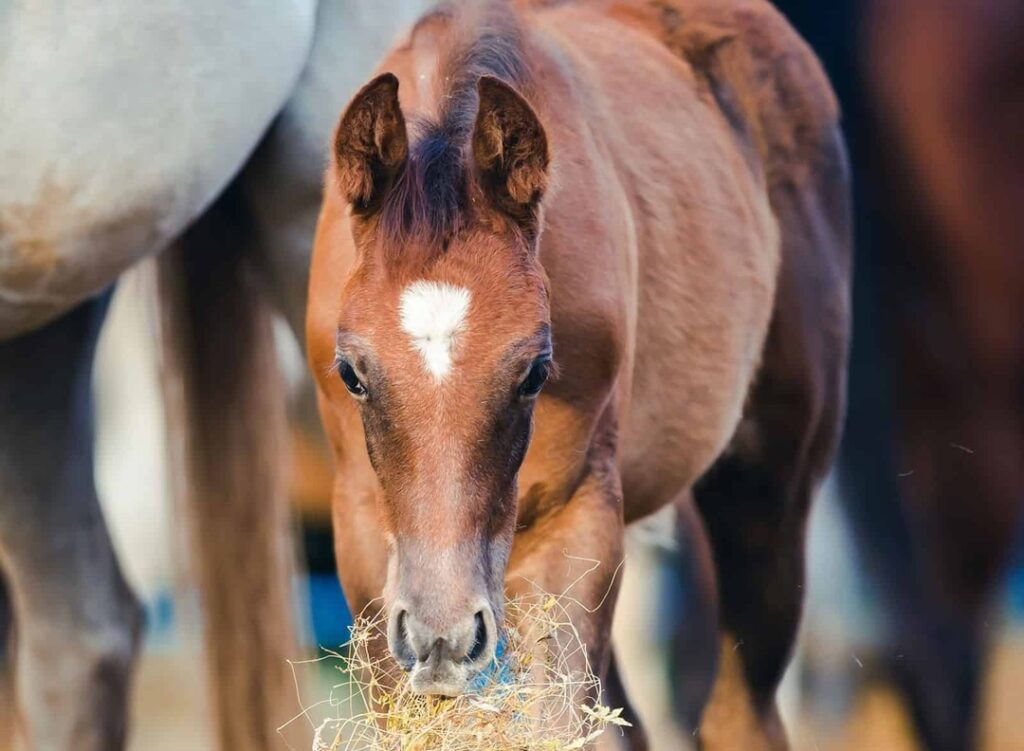
Feeding Young Horses: 10 Nutrition Tips for Optimal Growth
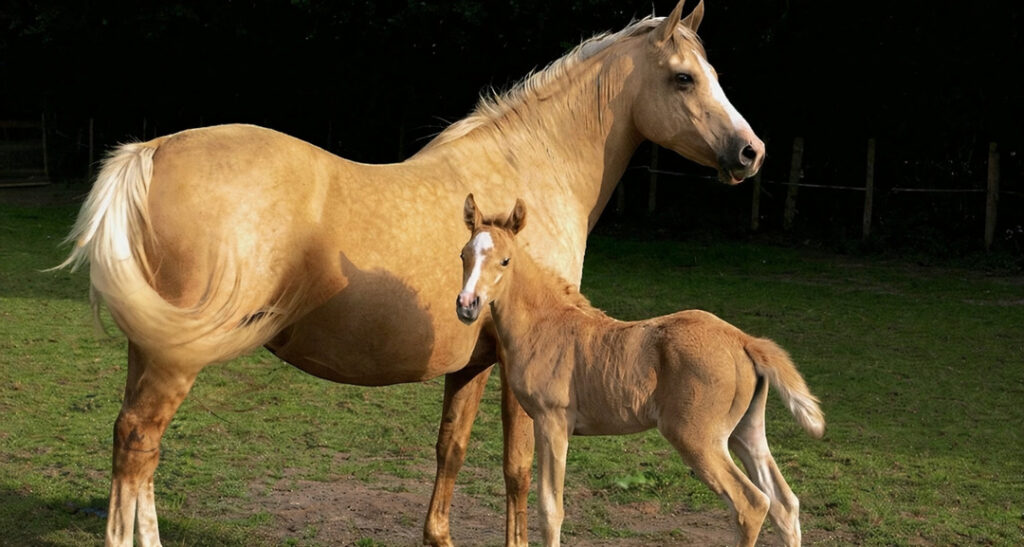
The trajectory of a horse’s athletic career and long-term soundness is established during its first two years of life. Proper nutritional management during this developmental window requires a precise calculation of macronutrients, minerals, and forage to prevent irreversible skeletal issues. Navigating this critical period demands an analytical approach to diet rather than traditional guesswork, ensuring the skeletal and muscular systems mature synchronously. By implementing these ten strategic nutrition tips, breeders and owners can support balanced, sustainable growth in their young equine athletes.
Implementing And Managing Creep Feeding
The first step in independent equine nutrition is the introduction of a creep feed. Foals experience a natural decline in the nutritional adequacy of mare’s milk around the two-month mark. Initiating creep feeding introduces highly digestible concentrates that bridge this widening nutritional gap. The second essential practice is strictly monitoring and restricting this intake. Ad libitum access to high-energy feeds can trigger rapid growth spurts, a primary catalyst for Developmental Orthopedic Disease (DOD). Instead, rations should be meticulously measured, providing roughly one pound of feed per month of age, divided into multiple small meals to stabilize blood glucose levels and promote steady development.
Prioritizing Amino Acid Profiles Over Crude Protein
A common fallacy in equine nutrition is an over-reliance on total crude protein percentages. The third critical tip requires shifting the focus toward specific essential amino acids, particularly lysine, methionine, and threonine. These are the primary building blocks responsible for lean muscle synthesis and tissue repair. The fourth tip addresses the dangers of excess. Supplying a massive surplus of poor-quality crude protein forces the young horse’s kidneys to work harder to excrete the excess urea, while simultaneously failing to provide the specific amino acids required for structural growth. Consulting research-backed feeding strategies from veterinary extension programs confirms that a diet formulated with high-quality protein sources, such as soybean meal, yields vastly superior musculoskeletal development.
Balancing Macro And Micro Mineral Ratios
Perhaps the most critical variable in skeletal development is the precise formulation of minerals. Tip five dictates strict adherence to proper calcium and phosphorus ratios. An inversion of this ratio, where phosphorus exceeds calcium, inhibits calcium absorption and severely compromises bone density. Tip six expands this focus to trace minerals, specifically zinc and copper. These micronutrients act as essential cofactors in the enzymatic processes that convert cartilage to healthy bone matrix. Deficiencies or imbalances in these trace minerals are clinically proven to exacerbate the risk of osteochondrosis dissecans (OCD) in growing joints.
Growth Stage
Ideal Calcium:Phosphorus Ratio
Estimated Crude Protein Need (%)
Nursing Foal (3 months)
1.5:1
16.0%
Weanling (6 months)
1.5:1
14.5%
Yearling (12 months)
1.3:1
12.5%
Two-Year-Old (24 months)
1.2:1
11.0%
Establishing Hindgut Function With High-Quality Forage
The foundation of any equine diet, regardless of age, must be fibrous roughage. Tip seven requires maximizing the intake of high-quality, easily digestible forage, such as early-cut Timothy or Alfalfa blends, rather than relying solely on grain-based calories. This early introduction to quality fiber stimulates the development of the microbial population in the cecum and colon. Tip eight involves the strict regulation of Non-Structural Carbohydrates (NSC). Feeding young horses overly rich pasture or high-starch concentrates can cause disruptive hindgut fermentation. Supporting optimal equine digestive health through carefully managed forage reduces systemic inflammation and maintains a stable metabolic environment for growth.
Monitoring Daily Gain And Adjusting To Developmental Stages
Nutritional requirements are not static; they shift dramatically as the animal matures. Tip nine emphasizes the necessity of consistently tracking Average Daily Gain (ADG) and body condition scoring. A young horse should maintain a moderate body condition—ribs should be easily felt but not visibly protruding. Over-conditioning places dangerous mechanical stress on immature physes (growth plates). Finally, tip ten mandates adjusting the diet based on developmental milestones rather than calendar age. A rapidly growing weanling entering a growth spurt requires a different caloric density and mineral profile than a two-year-old approaching maturity. By analytically evaluating growth metrics on a bi-weekly basis, caretakers can micro-adjust rations to ensure the growth curve remains smooth, steady, and structurally sound.