
2026 Kentucky Derby Favorites: Top 5 Horses Most Likely to Win
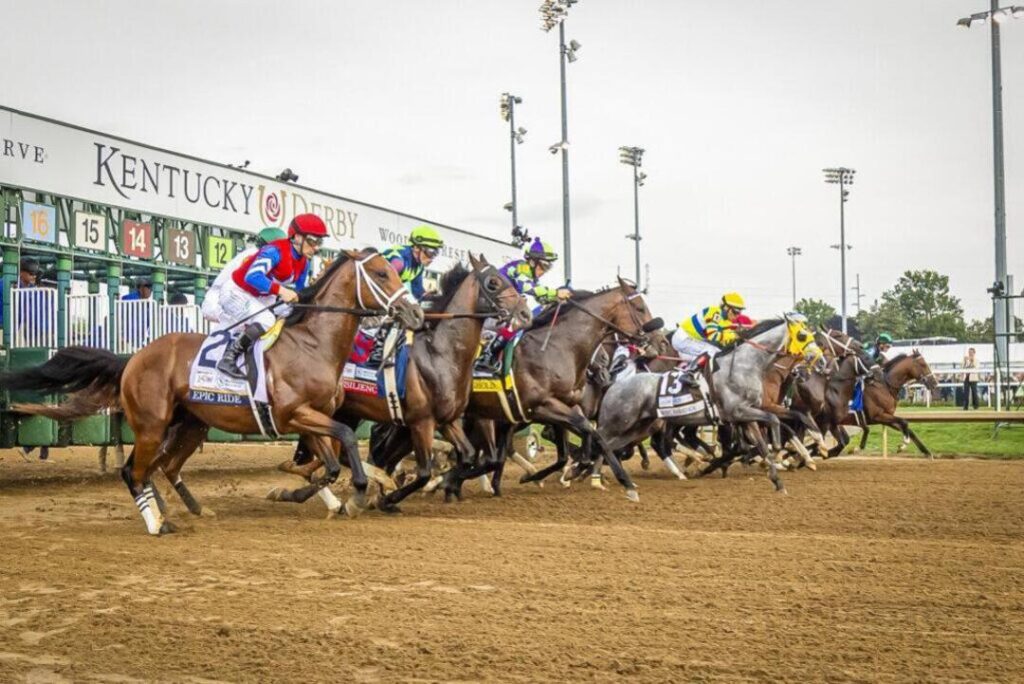
The 2026 Kentucky Derby is shaping up to be one of the most competitive editions in recent memory, with a deep field of three-year-olds emerging from the prep race circuit. Unlike previous years where a dominant favorite stood clear, this year’s race presents a tightly grouped group of contenders, each with a credible path to victory.
Early odds and leaderboard rankings indicate a mix of proven stakes winners and rapidly improving colts. The race, set for May 2, 2026 at Churchill Downs, will test not only speed but also stamina over the classic 1¼-mile distance—often exposing weaknesses that shorter prep races fail to reveal.
Renegade: The Current Favorite
Renegade enters the Derby as the clear market leader, following a dominant prep campaign that includes a victory in the Arkansas Derby. His consistent upward trajectory has positioned him at the top of the odds board, with bookmakers listing him around 4-1.
What separates Renegade from the field is his ability to combine early positioning with sustained finishing power—a critical advantage in a 20-horse Derby field where traffic and pace dynamics can disrupt less adaptable runners.
However, history offers a cautionary note: favorites have struggled in recent years, meaning Renegade must overcome both statistical trends and intense competition.
Top 5 Kentucky Derby 2026 Favorites
| Horse | Trainer | Key Strength | Current Odds Range |
|---|---|---|---|
| Renegade | Todd Pletcher | Elite form, Arkansas Derby winner | 4-1 favorite |
| Commandment | Brad Cox | Consistency, strong leaderboard position | ~7-1 |
| The Puma | — | Tactical speed, prep race winner | ~10–12-1 |
| Chief Wallabee | Bill Mott | Late improvement, high-class pedigree | ~10–13-1 |
| Further Ado | Brad Cox | Strong speed figures, Blue Grass standout | ~12–17-1 |
Commandment: The Leaderboard Standout
Commandment has been one of the most consistent performers on the Derby trail, sitting near the top of the official leaderboard with strong earnings and points accumulation.
Trained by Brad Cox, Commandment brings a profile built on reliability and tactical versatility. Unlike horses reliant on a single running style, he has shown the ability to adapt to different race scenarios—an essential trait given the unpredictable pace of the Derby.
His position as a co-favorite reflects both his consistency and his ability to deliver under pressure in graded stakes company.
The Puma: The Tactical Threat
The Puma has emerged as a serious contender following a series of strong performances in prep races, including a notable victory that elevated his standing in the betting market.
His key strength lies in tactical speed, allowing him to secure favorable positioning early without expending excessive energy. In a race where positioning often determines outcome, this ability could prove decisive.
While not the outright favorite, The Puma represents one of the most balanced profiles in the field.
Chief Wallabee: The High-Upside Challenger
Chief Wallabee enters the Derby with a unique profile, having shown rapid improvement despite limited early experience. His progression through graded stakes company suggests significant upside, though his recent performances indicate some inconsistency.
Trained by Hall of Famer Bill Mott, Chief Wallabee benefits from elite conditioning and preparation. His pedigree and training suggest he has the potential to handle the Derby distance, but questions remain about whether he can deliver peak performance under maximum pressure.
Further Ado: The Statistical Standout
Among analysts, Further Ado is gaining traction as a potential value pick. His standout performance in the Blue Grass Stakes, where he recorded a notably high speed figure, has drawn attention from data-driven bettors.
Speed figures often serve as a key indicator of Derby success, particularly when combined with proven stamina. Further Ado’s profile suggests he may be undervalued relative to his true winning potential, making him one of the most intriguing contenders in the field.
Race Dynamics And What Will Decide The Winner
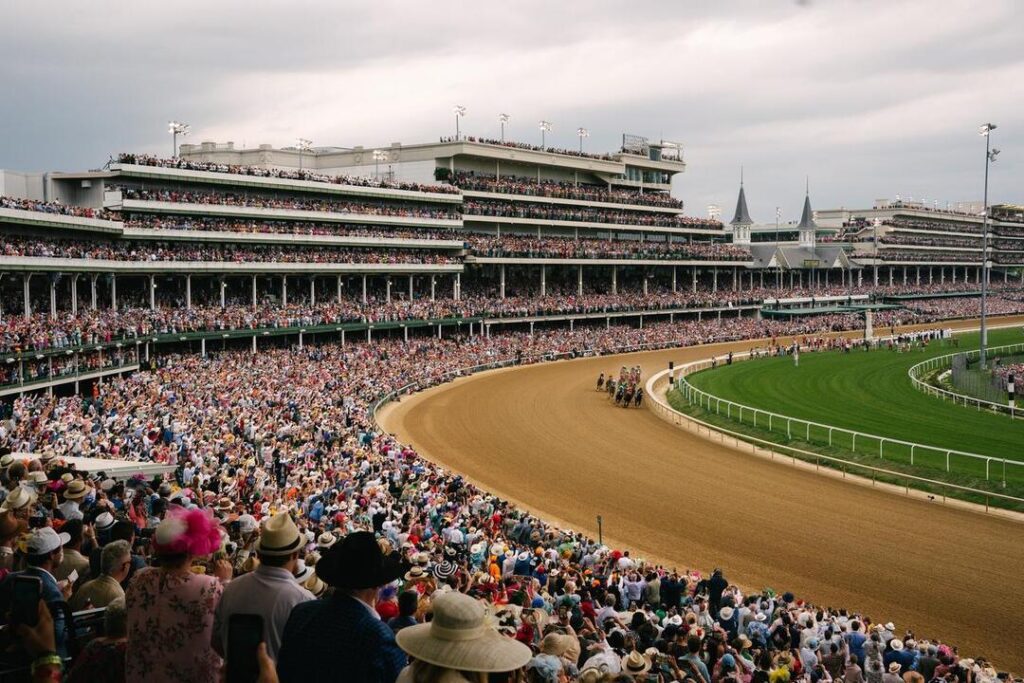
The Kentucky Derby is unlike any other race in the calendar. With up to 20 runners competing over 1¼ miles, it introduces variables rarely seen in smaller fields.
Three factors typically determine the outcome:
First, pace management. Horses that go too fast early often fade in the final furlongs, while those positioned too far back may struggle to close the gap.
Second, traffic navigation. The ability to maintain position in a crowded field is crucial, as interference can derail even the most talented runners.
Third, stamina under pressure. The Derby distance exposes weaknesses that shorter races conceal, making endurance a decisive factor.
These elements combine to create a race where tactical intelligence is as important as raw ability.
Why This Year’s Derby Is Wide Open
The 2026 edition stands out for its lack of a dominant standout, with multiple horses clustered closely in both odds and performance metrics. This creates a scenario where small differences in preparation, positioning, or race conditions could determine the winner.
Additionally, the depth of the field means that longshots cannot be dismissed. Historically, the Derby has produced surprise winners, reinforcing its reputation as one of the most unpredictable events in sport.
For readers tracking broader racing insights, this major race analysis guide highlights how race structure influences outcomes across different disciplines.
Final Analysis
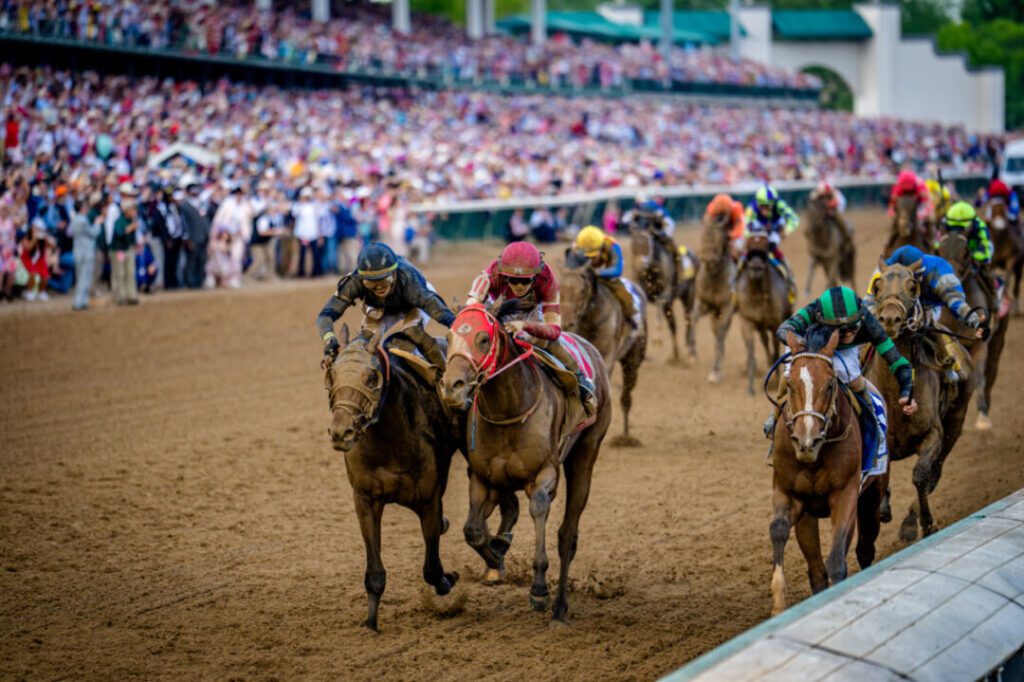
The 2026 Kentucky Derby is shaping into a highly competitive and strategically complex race, with Renegade, Commandment, and The Puma leading a tightly packed group of contenders.
While Renegade holds the favorite’s position, the presence of strong challengers such as Further Ado and Chief Wallabee ensures that the race remains wide open. In such an environment, the winner is likely to be determined not just by talent, but by execution under pressure.
For deeper historical context on how the race has evolved, the Kentucky Derby history provides insight into trends, winners, and the enduring significance of the event.
As the field finalizes and post positions are drawn, one reality becomes clear: in the Kentucky Derby, there are no guarantees—only probabilities.