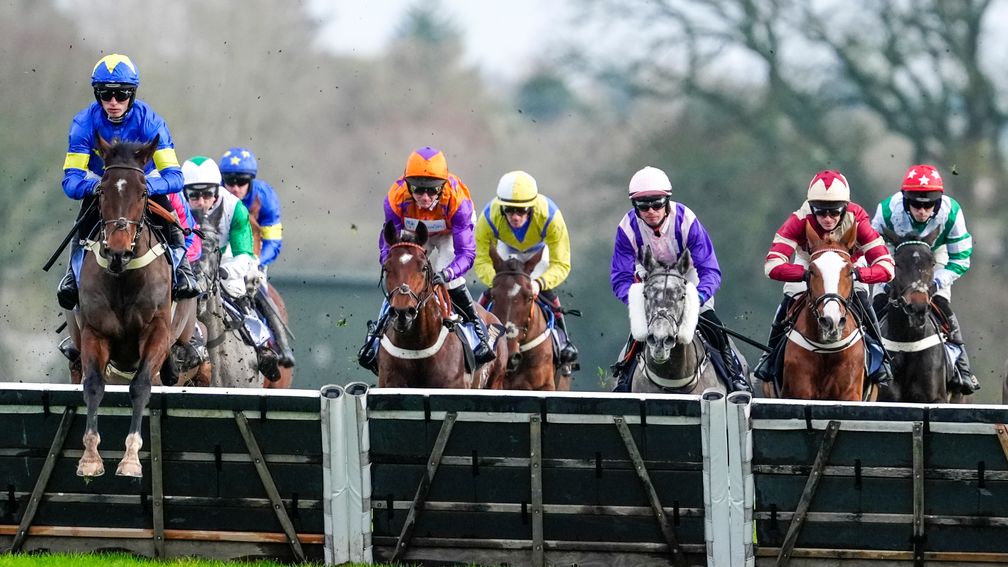
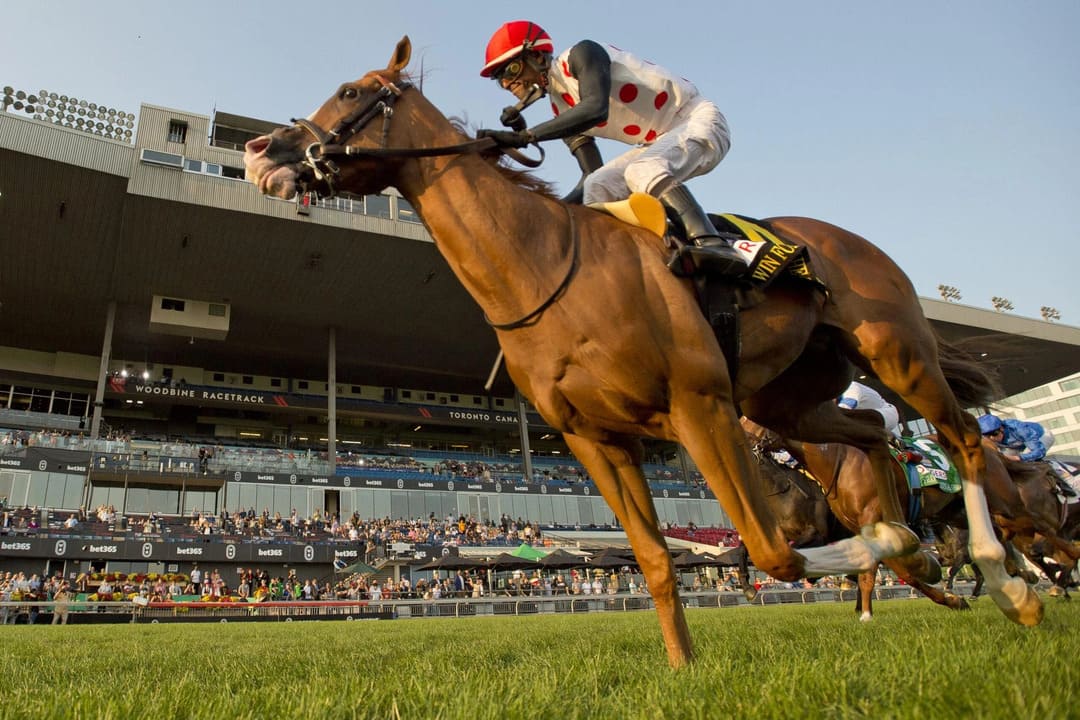
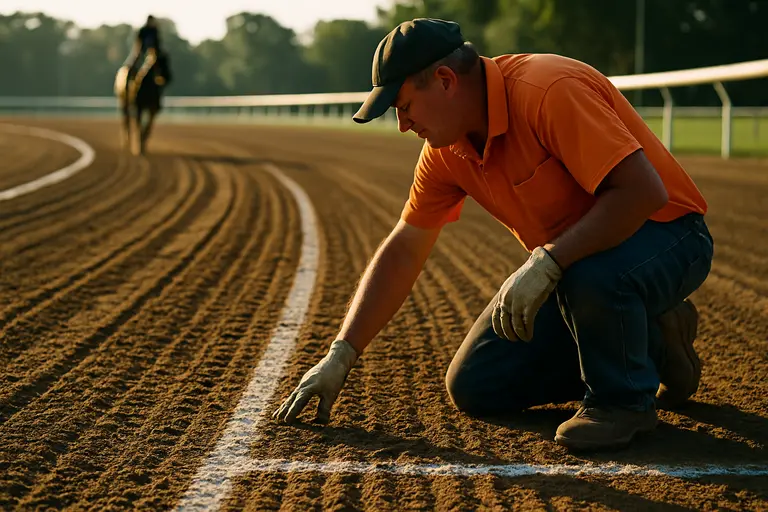
The HISA 2027 budget placed racetrack surface work in a familiar but uneasy position: clearly funded, clearly regulated, yet still competing for attention inside a much larger safety and integrity framework. For prep races, where young or developing horses often move from allowance company into graded stakes pressure, the sporting question is not abstract. Surface consistency can shape stride efficiency, rider confidence, pace flow, and the post-race soundness picture.
HISA filed its Proposed 2027 Budget on August 3, 2026, and the notice published in the Federal Register on September 10, 2026, listed $690,000 for Racetrack Surface Testing and $153,000 for Accreditation Services, with 17 accreditation site visits expected in 2027 Federal Register notice. Those numbers do not settle whether every track surface will perform well under changing weather, maintenance pressure, and race-day traffic. They do define the scale of the proposed national oversight effort.
HISA 2027 budget And Surface Safety
HISA 2027 budget Signals For Prep Races
Prep races occupy a demanding corner of the calendar. They can serve as developmental tests, class checks, and distance experiments before larger stakes targets. That makes the condition of the track more than a maintenance detail. A horse stretching out, switching surfaces, or facing a deeper field may already be under a new athletic demand. If the surface is inconsistent, the race becomes harder to read as a sporting test.
The proposed $690,000 for Racetrack Surface Testing covers services tied to evaluating, monitoring, and testing racetrack surfaces under the Racetrack Safety Program. The budget language matters because it treats surface quality as a repeatable oversight function, not just a local track preference. The proposed 2027 figure also sits below the $715,000 racetrack surface testing amount listed in the 2024 summary budget 2024 summary budget. That comparison should be handled carefully: a lower line item does not automatically mean weaker oversight, but it does invite scrutiny about workload, testing frequency, and field coverage.
As a racing analyst, I am cautious about treating one budget line as a direct predictor of safety outcomes. Track superintendents, weather patterns, drainage design, base composition, harrowing depth, turf rail movement, and race scheduling all affect how a surface plays. Still, funding is the mechanism that pays for inspections, testing support, and the outside expertise that can challenge a track’s own assumptions.
Why Surface Testing Is A Race-Shape Issue
Surface quality monitoring should not be viewed only through the lens of injury prevention, though that is the central concern. It also affects the race itself. A sealed or drying dirt track can alter early speed, kickback, and the ability of closers to sustain a run. Turf labeled firm can still vary by course section, especially where previous races have worn lanes near the rail. Synthetic surfaces can present a more uniform profile, but maintenance and temperature still matter.
That is why prep-race interpretation should start with the surface record. A horse that appeared to flatten late may have been exposed by distance, class, pace, footing, or some mix of all four. Without reliable surface data, horsemen and analysts risk drawing too much from the finishing order. The related discussion of how race conditions shape prep stakes fits here: pace and safety review are often linked by the ground beneath the horses.
Prep Races Need Surface Evidence
Fatality Metrics Show Why Conditions Matter
HISA’s reported 2025 full-year metrics showed 1.04 racing-related equine fatalities per 1,000 starts at racetracks operating under its rules, with nearly 99.90 percent of starts completed without a fatality. Its 2024 reporting listed 0.90 fatalities per 1,000 starts across 47 HISA-regulated racetracks in 19 states, down from 1.23 in 2023. Those figures offer evidence that the regulated track group has moved in a safer direction, but they should not be used as a guarantee for any single meet, surface, or prep race.
The more revealing detail from the research is the variance by surface and condition in the second quarter of 2026. Dirt surfaces were listed at 0.93 fatalities per 1,000 starts, with fast dirt at 0.85 and sloppy dirt at 1.95. Turf was listed at 1.41, with firm turf at 1.54. Synthetic surfaces were listed at 0.40. These figures do not prove causation by themselves. They do show why surface condition deserves direct attention instead of being treated as background scenery.
Weather Turns Oversight Into A Daily Test
For prep races, weather can compress decision-making. A track that was rated fast in the morning may face a shower before a key route race. A turf course can move from firm toward holding, while the official description still cannot fully capture every lane or turn. Trainers feel those changes through entry decisions and shoeing choices. Jockeys feel them through balance, kickback, and whether a mount is handling the ground.
The Racetrack Safety Rules require pre-meet inspections on all surfaces before the start of each race meet, along with seasonal inspections. That requirement applies across race types, not just major stakes. In sporting terms, that is the proper baseline. Prep races should not receive a lesser standard because they are positioned before championship targets. If anything, they deserve close attention because many runners are being asked new questions about distance, class, or surface preference.
Pre-meet surface checks set the baseline before racing begins.
Seasonal inspections help account for wear, weather, and maintenance changes.
Race-day observations remain vital because conditions can shift between inspections.
Budget Lines To Watch At The Track
Accreditation Visits Put Rules In The Barn Area
The $153,000 proposed for Accreditation Services is smaller than the surface testing line, but it reaches a different part of safety culture. HISA anticipated 17 accreditation site visits in 2027, with teams of three to four people. A site visit can examine whether written standards are reflected in track practice. For racing participants, that can mean the difference between a rulebook requirement and a repeatable daily habit.
That puts the HISA 2027 budget into the everyday work of track management. A safe racing surface depends on lab testing and measurement, but it also depends on communication between the racing office, veterinary staff, riders, maintenance crews, and stewards. If a surface changes during a card, the response must be practical and prompt. The proposed budget does not describe every operational step at each track, so caution is needed before claiming more precision than the documents support.
Budget Area
Proposed 2027 Amount Or Activity
Sporting Relevance
Racetrack Surface Testing
$690,000
Supports evaluation, monitoring, and testing of racing surfaces.
Accreditation Services
$153,000
Funds compliance review through planned site visits.
Accreditation Site Visits
17 expected visits
Brings inspection teams to racetrack operations.
Epidemiologist And EASD Study
Included in 2027 proposal
May improve understanding of fatality patterns beyond visible track issues.
Research Spending May Sharpen Future Protocols
The proposed 2027 budget also includes funding for an epidemiologist and the Equine Associated Sudden Death study, neither of which appeared in the 2026 budget according to the research provided. EASD accounted for about 8 percent of racing fatalities and 18 percent of training fatalities in the first half of 2025. That does not make EASD a surface issue on its own. It does show why safety review must pair track observation with broader medical and epidemiological study.
The Anti-Doping and Medication Control Program is projected to take nearly 75 percent of the total proposed 2027 budget. That leaves racetrack safety line items in a secondary funding position by scale. The sporting concern is balance: medication control and surface safety are not rival goals, but prep-race integrity depends on both the condition of the horse and the condition of the ground.
Racing enthusiasts might find that Racebook Review, a related site within the same network, offers additional perspectives; however, this analysis remains centered on the direct impact of surface conditions on race outcomes.
HISA 2027 budget For Prep Race Surfaces
What Trainers And Track Crews Can Take From It
For trainers, the budget proposal is not a race plan. It is a signal about the inspection and testing environment in which their horses will compete. A trainer pointing a developing horse toward a prep race still has to assess worktab rhythm, recovery, distance suitability, and how the horse moves over the intended surface. What HISA can supply is a national structure that presses tracks to document and check the ground more consistently.
For track crews, the proposal affirms that surface maintenance is now part of a national safety record. Harrows, moisture meters, turf rails, drainage response, and communication with officials all feed into the quality of racing. A prep race won over a fair, consistent surface tells horsemen far more than a race shaped by uneven footing or abrupt weather response.
The HISA 2027 budget does not answer every question about racetrack safety, and it should not be treated as a finished outcome before the proposal process runs its course. It does, however, identify the core pressure point for prep races: surface oversight must be funded well enough, staffed well enough, and interpreted carefully enough to protect both equine athletes and the sporting value of the races they run.
The Sovereignty Training Plan changed sharply on September 11, 2026, when Bill Mott confirmed that Sovereignty would not run in the Grade 1 Jockey Club Gold Cup at Belmont Park on September 18 because of a hind-left foot abscess. That decision removed a scheduled race from the colt’s path to the Breeders’ Cup Classic at Keeneland on October 31 and shifted the sporting question from race placement to recovery timing.
Mott’s public comments made the situation clearer without making it simple. He said he hoped Sovereignty could return to training around the middle of the following week, which would leave a limited but workable runway into the Classic if the foot responds as expected. The current plan, as reported after the withdrawal, is to train directly toward the Classic rather than force another prep race into the schedule. That creates a demanding but not unprecedented assignment: keep a top older dirt horse fit, sharp, and sound after an interrupted training pattern.
Sovereignty Training Plan Reset After The Gold Cup
A Confirmed Withdrawal, Not A Tactical Scratch
The timing matters because this was not a discretionary skip from a fully healthy horse. Mott confirmed the Jockey Club Gold Cup withdrawal on September 11, citing the hind-left foot abscess, according to Daily Racing Form. A foot abscess can change a schedule quickly because it affects the horse’s ability to train consistently, and the Grade 1 Jockey Club Gold Cup was only seven days away when the decision was made public.
That short interval left little room for a conservative comeback before Belmont Park’s September 18 race. A horse can regain routine exercise after an abscess improves, but race readiness requires more than being able to return to the track. It requires enough controlled work to support a demanding two-turn Grade 1 effort. Mott’s decision therefore reads less like a change in ambition and more like an attempt to protect the larger target.
Why The Sovereignty Training Plan Now Runs Through Works
The change places more weight on morning training. Sovereignty’s most recent start was his Whitney Stakes win on August 8, 2026. With the Gold Cup removed, the gap from the Whitney to the Breeders’ Cup Classic on October 31 becomes approximately 12 weeks, a timeline also reported by Agentes 305. That is a meaningful break for a horse pointing to one of the most demanding dirt races of the season.
That makes the Sovereignty Training Plan a test of controlled progression. Instead of using the Jockey Club Gold Cup to measure race fitness under pressure, Mott now has to rebuild rhythm through timed works, gallops, and recovery days. The value of that approach is that every step can be adjusted around the foot. The risk is that controlled works cannot fully reproduce the physical and mental demands of a Grade 1 race.
What The Missed Gold Cup Changes
Race Fitness Versus Controlled Works
The Jockey Club Gold Cup would have offered a clear racing read: how Sovereignty settled, how he traveled around two turns, how he responded when asked, and how he recovered afterward. Without that race, those answers become less direct. Works can show energy, stride, and willingness, but they do not place the same pressure on a horse as a competitive field.
This is where Mott’s patience becomes central to the sporting analysis. If Sovereignty returns to training around mid-September, he would have roughly seven weeks to prepare for October 31. That is enough time to develop a structured work pattern if there are no setbacks, but it leaves less margin for interruption. The plan depends on a clean sequence, not one spectacular work.
There is also a distinction between fitness and peak condition. Fitness can be built with repetition. Peak condition requires timing. A horse asked to run a major race after a long break needs enough foundation to finish strongly, but not so much work that he arrives dulled or sore. The current path asks Mott to find that narrow band without the confirming evidence of another race.
Why Another Prep Is Not Definite
A possible alternate race discussed in the reporting was the Lukas Classic at Churchill Downs on September 26. Mott, however, expressed reservations about shipping and preferred keeping the horse in Kentucky while working toward the Breeders’ Cup. That position is consistent with a conservative recovery plan. Shipping for a race soon after a foot issue can add stress at the wrong time, especially when the principal target is only weeks away.
Before the Gold Cup decision, the colt’s status for Belmont had already been described as no better than 50-50. Once that level of uncertainty exists, adding another race can become more of a schedule reaction than a performance plan. The earlier discussion of his spacing before the Gold Cup had already centered on patience and controlled works, a theme covered in our prior analysis of Sovereignty’s patient build.
The Sovereignty Training Plan now reflects a preference for continuity over replacement. That does not guarantee success, but it does establish a clear training philosophy: recover the foot, restore regular work, and aim for the Classic without forcing a late prep into the calendar.
Reading The Whitney In A Longer Preparation
The Most Recent Race Anchor
The Whitney remains the main sporting evidence because it was Sovereignty’s latest start and his last public race performance before the interruption. A strong Grade 1 win on August 8 gave Mott a high-quality form base. The question is not whether the Whitney was meaningful; it clearly was. The question is how much of that edge can be carried through a 12-week race gap and a training interruption caused by the abscess.
Prep races often serve two purposes. They can improve conditioning, and they can reveal whether a horse has moved forward or regressed since his last major start. Sovereignty has lost that second form check before the Classic. That places more interpretive weight on the worktab and on how he physically presents during the build-up, assuming he resumes training as planned.
For readers exploring racing insights, Racebook Review offers comprehensive coverage interconnected with major race events in the network. The main focus here remains specific: determining if a Whitney winner can arrive at Keeneland ready without the Gold Cup as a preparatory race.
A Prior Template With A Warning
There is one relevant precedent from the same horse. In 2025, after winning the Travers Stakes, Sovereignty trained forward into the Breeders’ Cup Classic without a final prep race. That shows the method is not foreign to his camp. It also comes with a caution, because he was scratched from the 2025 Classic after developing a fever just before the race.
That history should not be treated as a prediction for 2026. A fever before one race and a foot abscess before another are different issues. Still, the comparison is useful because it shows the limits of planning around a single championship target. A horse can be trained carefully and still encounter a health problem at the wrong point in the calendar.
The more balanced reading is that Mott has experience preparing Sovereignty without a final prep, but the current build remains dependent on day-to-day health. The absence of a Gold Cup start does not disqualify him from a strong Classic run. It does remove one public test that would have made the assessment firmer.
Sovereignty Training Plan Defines The Classic Test
What Must Be Proven By October 31
The final six-plus weeks before the Breeders’ Cup Classic are likely to define Sovereignty’s candidacy more than any headline attached to the withdrawal. The foot must heal enough for regular training. The work pattern must become steady. The colt must regain the rhythm that allowed him to produce his Whitney effort on August 8. None of those steps should be assumed, but each is possible if the recovery proceeds cleanly.
The key sporting tension is direct: the Classic at Keeneland asks for peak performance, while the interrupted schedule asks for restraint. Pushing too hard would undercut the reason for skipping the Gold Cup. Moving too slowly could leave Sovereignty short of his best on October 31. That is the narrow lane Mott now has to manage.
The Sovereignty Training Plan is therefore less about finding another race and more about preserving the quality already shown. The Whitney supplied the form. The abscess disrupted the bridge. The next phase must supply continuity. If Sovereignty makes the Classic in peak condition, it will be because the camp rebuilt the preparation patiently rather than treating the missed Gold Cup as a problem to solve with a rushed replacement.
The Sovereignty health update changed the sporting shape of the Grade 1 Jockey Club Gold Cup before the race was ever drawn. Bill Mott ruled Sovereignty out on September 11, 2026, after an abscess in the colt’s left hind foot kept him off the track for more than a week and cost him multiple scheduled workouts, according to Daily Racing Form.
That decision was less about one missed race than about timing. The Jockey Club Gold Cup is scheduled for Friday, September 18, 2026, leaving too little runway for a Grade 1 older dirt horse to regain full training rhythm after a hoof issue. Sovereignty had been pointing toward the race after a strong Whitney Stakes win, but prep races depend on continuity as much as talent. Once the work pattern broke, Mott’s caution became the more defensible sporting call.
Why The Sovereignty health update Matters
Sovereignty health update And The Missed Works
The key detail is not simply that Sovereignty had an abscess. Hoof abscesses can vary in severity, and the public record here supports only a limited reading: the left hind foot issue interrupted training, forced him to miss at least two planned workouts, and prevented any track training for more than a week. Mott had already described his chances of making the Gold Cup as no better than 50-50 on September 7, 2026, before the formal withdrawal followed four days later.
That sequence matters because elite dirt-route preparation is built around spacing. A horse can maintain base fitness through prior racing, but a Grade 1 prep at this point of the calendar still asks for sharpness, soundness, and confidence in the stride. Missing a single work can be manageable. Missing multiple works after a foot problem, with only days remaining before a major race, is a different training problem.
What Mott’s Decision Signals
The Sovereignty health update moved from uncertainty to clarity once Mott ruled him out. That does not establish a long-term setback beyond the facts reported, and it would be careless to frame it as one without further confirmation. It does show that the Gold Cup no longer fit the colt’s recovery schedule. In prep-race terms, the race stopped being a useful bridge and became an avoidable demand.
That distinction is familiar with established older horses. A prep should sharpen a contender for a larger objective; it should not require rushing back from a disrupted week. Before the setback, the logic of Mott’s patient build had already been central to our earlier Sovereignty strategy analysis, and the withdrawal was consistent with that broader training philosophy.
What The Training Gap Changed
The August 28 Work Now Reads Differently
Before the hoof issue became public, Sovereignty’s August 28, 2026 half-mile work in 48.67 seconds looked like a routine step toward the Gold Cup. The reported quarter splits of about 24.78 seconds and 23.89 seconds, with Thunder Roll as company, suggested a colt still on a structured schedule. Once the abscess interrupted the next phase, that work became the last firm public training marker before the missed sessions.
That does not reduce the quality of the work itself. It changes the interpretation. A single good move more than two weeks before a Grade 1 race is not the same as a completed sequence of works leading into race week. The lost continuity is the issue. For a horse exiting a major win, fitness may not disappear quickly, but timing and foot comfort are not minor details over a demanding dirt route.
Why Race Fitness Is Not Just Conditioning
Race fitness includes more than lung capacity. It includes how a horse lands, how confidently he changes leads, how he responds under restraint, and whether his stride remains efficient after early pressure. A foot abscess can make those questions hard to answer until the horse is back in steady training. The public information does not say Sovereignty was unsound for the long term; it says he missed the necessary preparation window for September 18.
That is why this was a classic prep-race decision. The Jockey Club Gold Cup would have offered a Grade 1 test against high-class older dirt horses, but it also would have required Sovereignty to perform without the uninterrupted work pattern his trainer wanted. For a horse already qualified for the next major target, there was less sporting value in forcing the issue.
Gold Cup Impact Without Sovereignty
A Marquee Matchup Was Removed
Sovereignty’s absence removes the expected Gold Cup meeting with Forever Young, who was still set to be entered for the September 18 race based on the research available. That changes the identity of the event. The race remains a Grade 1 test, but it no longer carries the same direct comparison between Sovereignty’s Whitney form and Forever Young’s standing among elite dirt horses.
The lost matchup matters from a sporting standpoint because prep races can sort divisions before championship races. A head-to-head meeting in the Gold Cup could have supplied a clearer read on pace adaptability, stamina, and race readiness before Keeneland. Without Sovereignty, the race can still produce a major performance, but it cannot answer the same question about him.
Forever Young Still Faces A Meaningful Test
The Gold Cup should not be treated as diminished to the point of irrelevance. A Grade 1 older-horse route can expose weaknesses even when one star is absent. The remaining field, once finalized, will still determine pace, pressure, and whether Forever Young can use the race as a strong bridge toward the fall championship schedule.
For those interested in tracking race development beyond wagering angles, detailed coverage can help illuminate the stakes. As races progress, a vital resource for insights on form, race conditions, and results is available at Racebook Review.
Sovereignty health update And The Classic Path
The Whitney Win Still Carries Weight
Sovereignty’s most recent race remains highly relevant. He won the Grade 1 Whitney Stakes on August 8, 2026, by 4¾ lengths, his first victory of his 4-year-old season after finishing second in the Grade 2 Oaklawn Handicap on April 18 and third in the Grade 1 Stephen Foster Stakes on June 27, as reported by Yahoo Sports.
That profile explains why the Gold Cup withdrawal is significant without being catastrophic on the facts available. Sovereignty had already shown that he could move forward from spring foundation races into a peak summer performance. The Whitney also secured his place in the Breeders’ Cup Classic through the “Win and You’re In” series, so the immediate pressure to use the Gold Cup as a qualification route was removed.
October 31 Becomes The Central Date
Mott’s revised plan is to prepare Sovereignty for the Grade 1 Breeders’ Cup Classic on October 31, 2026, at Keeneland. The calendar now gives the colt more time than the Gold Cup would have allowed, but it also changes the type of preparation. Instead of gaining another race over a Grade 1 field, Sovereignty must rely on recovery and training to regain the rhythm lost during the abscess interruption.
That trade-off is not automatically negative. Some horses benefit from spacing after a demanding Grade 1 win. Others need a race to sharpen. The public facts do not prove which category Sovereignty will fall into by October 31. What they do support is a cautious reading: the foot issue made the Gold Cup too tight, while the Classic remains viable if he resumes steady training in time.
The Sovereignty health update does not erase his Whitney authority, but it does remove one important checkpoint. The Jockey Club Gold Cup will now assess the remaining older dirt contenders without him, and Sovereignty’s next true evaluation is likely to come through his training pattern before Keeneland. For a proven Grade 1 colt, that makes every confirmed work between now and October 31 more meaningful than any projection made before the abscess appeared.
Saratoga’s Safer Summer Gives Racing Something It Rarely Gets: Proof
The Saratoga horse safety story from the 2026 summer meet is powerful because it is not built on slogans. Racing has spent years telling the public it can improve welfare outcomes; this time, Saratoga has numbers that make the argument harder to dismiss.
That does not mean the sport gets to celebrate without qualification. It means one of America’s most visible meets offered a rare trust signal at a time when horse racing still has to defend its social license, its safety culture, and its willingness to put the horse before the show. That question sits at the center of serious horse welfare advocacy: progress matters, but accountability has to survive beyond one good meet.
Saratoga Horse Safety Became The Meet’s Most Important Result
The racing public usually remembers Saratoga for Travers drama, Whitney performances, juvenile promise, packed afternoons, and betting volume. But the most consequential result from the 2026 meet may be quieter: the safety profile improved sharply from the year before.
The summer safety numbers showed four training-related equine fatalities during the meet, which ran from July 3 through Labor Day and included 45 days with racing. The state database officially listed zero racing-related fatalities during the meet.
That distinction matters. It is also where the conversation has to stay honest.
Marvelous Madison, a 4-year-old filly, was euthanized five days after racing in the Yaddo Stakes after a serious injury was discovered. Her death was listed as “other” rather than racing- or training-related in the state database, which means Saratoga’s official racing-fatality number does not tell the whole emotional story.
Still, compared with the 2025 meet’s 10 racing- or training-related deaths, Saratoga’s 2026 record represents measurable welfare progress.
A Better Number Is Not The Same As A Finished Job
Racing has a bad habit of wanting one clean sentence to solve an uncomfortable debate. There is no clean sentence here.
Four training-related deaths are still four dead horses. A post-race euthanasia classified outside the racing/training category still belongs in the moral conversation. The absence of an officially listed racing fatality is important, but it should not become a shield against scrutiny.
That is the balance racing has to learn.
The public does not trust the sport because officials find the most favorable statistic. Trust grows when the industry can show improvement while still acknowledging the remaining harm. That is why Saratoga’s numbers are valuable: they give racing evidence without giving it permission to relax.
The strongest case for the sport is not perfection. It is the ability to reduce risk, explain the work, disclose the outcomes, and keep adjusting.
That is a harder argument, but it is also a more credible one.
The 2026 Meet Had More Racing, Not Less Pressure
The improvement is especially notable because Saratoga did not simply shrink the test.
The 2026 summer meet included 3,675 starters over 464 races. The previous year’s meet had fewer starters and fewer races, yet produced a worse fatality profile. That comparison does not prove every safety measure worked exactly as intended, but it does make the improvement harder to wave away as a scheduling illusion.
A longer and busy meet creates more exposure. More starters mean more horses moving through race-day scrutiny, training routines, surface use, barn management, and recovery cycles. More races mean more chances for small risks to become visible.
That is why the result carries weight.
The safer meet suggests that risk management systems may be doing more than creating paperwork. Veterinary oversight, surface monitoring, scratch decisions, horsemen cooperation, and regulatory habits all matter most when the calendar is demanding.
Saratoga did not become a low-pressure laboratory in 2026. It remained Saratoga.
The Comparison Racing Needed
The industry’s credibility depends on whether safety numbers improve over time, not whether one summer can be packaged neatly. Saratoga’s recent history shows why the 2026 result matters and why the subject remains sensitive.
Saratoga Safety Signal
2025 Meet
2026 Meet
What Changed In The Trust Conversation
Racing/training-related deaths
10
4 training-related
The direction improved sharply
Official racing-related deaths
5
0
Race-day outcome looked stronger
Starters
3,201
3,675
Improvement came with more starters
Races
420
464
A larger race sample still produced fewer classified deaths
Public pressure
High
Still high
Better numbers reduce criticism but do not erase concern
The table shows why this is not just a public-relations win. Saratoga improved in the category that creates the most visible reputational damage: horses dying in connection with racing or training.
But it also shows why the sport should avoid triumphalism. The right conclusion is not “problem solved.” The right conclusion is that a better safety model may be emerging, and it deserves serious examination.
HISA’s Broader Trend Strengthens The Saratoga Argument
Saratoga’s improvement did not happen in isolation. National safety oversight has become more data-driven since HISA began applying uniform safety and integrity rules across covered Thoroughbred racing participants and racetracks.
HISA’s national fatality metrics for the second quarter of 2026 reported 1.01 racing-related equine fatalities per 1,000 starts at tracks operating under its rules. That represented an 18.5% year-over-year reduction from the same quarter in 2025.
The same report added more detail by surface type, surface condition, and race type, which matters because racing cannot improve what it refuses to measure. A fatality rate alone is useful, but it becomes more powerful when regulators and tracks can ask sharper questions about where risks cluster.
That is where Saratoga’s result fits the larger conversation. The sport is slowly moving from reactive grief to preventive analysis.
That shift is a credibility test as much as a safety test.
The Next Welfare Signal Is Durability
The real question now is whether Saratoga’s safer summer becomes a standard or a temporary relief.
A single meet can be affected by weather, horse population, field composition, luck, scratch patterns, veterinary judgment, and surface performance. That does not make the improvement meaningless. It means the next step is durability.
Can Saratoga keep the same discipline when the meet changes again? Can NYRA maintain public confidence when Belmont Park reopens and the racing calendar normalizes? Can the industry apply the same intensity to less famous tracks, where public attention is thinner but welfare obligations are identical?
That last question is crucial.
High-profile safety gains matter because Saratoga is visible. But racing’s welfare credibility cannot depend only on its marquee venues. The sport will be judged by whether better protocols travel: to training centers, smaller circuits, claiming races, juvenile programs, and horses whose names never trend beyond the barn area.
The Saratoga horse safety improvement gives racing something it badly needed: proof that better outcomes are possible under pressure. But proof is not the same as absolution. The sport has earned a more constructive conversation, not a free pass. Now it has to show that one safer summer can become part of a lasting welfare culture.
Woodbine’s Draw Is Where The Breeders Cup Betting Test Begins
The Woodbine Mile draw is not paperwork before a big Saturday. It is the first real market test for a Turf Champions Day card that will ask bettors to price class, pace, post position, and Breeders’ Cup consequences before the horses ever step onto the E.P. Taylor Turf Course.
That is why Wednesday matters. Woodbine’s noon post-position draw for the Grade 1 Woodbine Mile and Grade 1 E.P. Taylor Stakes starts turning reputation into race shape, and race shape is where betting confidence either hardens or begins to crack. The same logic drives Derby betting markets: talent matters, but market trust depends on how that talent is positioned.
Woodbine Mile Draw Turns Reputation Into Position
The Woodbine Mile has the clean headline: $1 million, Grade 1 status, one mile on turf, and a direct Breeders’ Cup Mile implication. But the draw is where the race stops being an abstract clash of names and becomes a tactical puzzle.
Woodbine is streaming Wednesday’s noon draw for both the Woodbine Mile and E.P. Taylor, with Saturday’s Turf Champions Day built around four Grade 1 Breeders’ Cup “Win and You’re In” races. This is the first time Woodbine has staged four Breeders’ Cup Challenge Series races on the same day.
That matters because the market will not wait until Saturday to start forming opinions.
Once the posts are known, bettors can begin asking sharper questions. Which runner lands a comfortable stalking draw? Which closer risks traffic? Which speed horse could be forced into a more aggressive early move? Which international shipper now has the trip profile to match the class profile?
The draw is not the race. But it can change how the race is priced.
The Field Has More Than One Market Anchor
The most obvious market names are easy to find. Last year’s Woodbine Mile winner Notable Speech returns with global credibility, while Deterministic brings his own major-race résumé and North American form strength.
The probable Mile starters also include Archivist, Gas Me Up, Irish Aces, Itsastormymonday, Pierre, Silius, and Vina Arana. That mix gives the race international reach, local relevance, and enough stylistic variety to make the post draw more than a ceremonial exercise.
Notable Speech gives the race star power. Deterministic gives it a domestic measuring stick. Gas Me Up gives the home side a familiar Woodbine reference point. Silius and Archivist add another layer of imported uncertainty.
That is exactly the kind of field where post-position leverage can influence early opinion. A favorite with a clean draw may become shorter quickly. A dangerous runner with a difficult post may drift just enough to become more interesting. A local horse with the right setup could become a more attractive play than his raw reputation suggests.
E.P. Taylor Adds A Second Layer Of Turf Pressure
The Woodbine Mile will draw the loudest attention, but the E.P. Taylor Stakes gives Turf Champions Day a second heavyweight market.
The E.P. Taylor carries a $750,000 purse and is run at 1 1/4 miles for fillies and mares, 3-year-olds and upward. Probable starters listed for the race include Achieve, Diamond Rain, Gimme a Nother, Jancis, See The Fire, Somethinabouther, Sultana, and Venetian Lace.
That is a different betting test from the Mile.
A one-mile turf race can turn on position, pace, and the ability to quicken sharply. A 1 1/4-mile race demands more sustained efficiency. The draw still matters, but the consequences are different. A wide post at a mile may force urgency sooner. A longer turf race can offer more time to settle, but it can also expose a horse who wastes ground before the real running begins.
Woodbine’s Wednesday draw therefore creates two separate market conversations: one about mile sharpness, the other about route patience.
Turf Champions Day Is A Comparison Test
The best way to read Saturday is not as four isolated Grade 1 races. It is a combined examination of how Woodbine’s turf program fits into the Breeders’ Cup picture.
Race
Main Market Question
Betting Pressure
Woodbine Mile
Which older miler can turn class into the right trip?
Post position may reshape early odds
E.P. Taylor Stakes
Which filly or mare can sustain class over 1 1/4 miles?
Ground loss and timing become critical
Summer Stakes
Which juvenile turf horse is ready for a Grade 1 leap?
Young horses can be overbet off promise
Natalma Stakes
Which 2-year-old filly has both talent and professionalism?
Experience may matter as much as upside
The comparison shows why the day has real handicapping depth. The Mile may be the marquee race, but the full card forces bettors to evaluate different versions of turf risk: maturity, positioning, class translation, pace, and travel.
That is where Breeders Cup pressure enters the conversation. These races are not just rich local targets. They are stepping stones into championship fields, and that changes how owners, trainers, riders, and bettors frame the day.
The Breeders’ Cup Angle Changes The Price
A “Win and You’re In” race does something subtle to a betting market. It adds consequence without always clarifying form.
The official challenge race schedule lists the Woodbine Mile for the Breeders’ Cup Mile division, the E.P. Taylor for Filly & Mare Turf, the Summer Stakes for Juvenile Turf, and the Natalma for Juvenile Fillies Turf. That gives Saturday’s card a direct line into the fall championship conversation.
But direct does not mean simple.
A horse can win a qualifier and still face a very different test at the Breeders’ Cup. Woodbine’s turf course, travel demands, pace environment, and field composition all matter. Bettors must decide whether a strong Woodbine setup signals championship quality or simply a perfect local trip.
That is especially important with international runners. The market often respects European or overseas form quickly, sometimes too quickly. The sharper question is whether that form fits this race, this course, this draw, and this pace map.
Reputation opens the conversation. Trip risk decides value.
The Signal To Watch Is How Fast Confidence Moves
The next important signal will not be the final odds on Saturday alone. It will be how quickly confidence forms after the draw.
If Notable Speech lands a comfortable post and the pace picture looks manageable, the market may compress around him. If Deterministic gets a setup that suits his tactical profile, domestic support could strengthen. If a horse like Gas Me Up draws into a trip that gives him first run over the home course, local knowledge may become more than a sentimental angle.
The danger for bettors is overreacting to the draw as if it answers every question. It does not. A good post can help a horse. It cannot supply form, fitness, or late kick. A poor post can hurt a horse. It does not automatically eliminate class.
The Woodbine Mile draw matters because it turns Saturday’s card from a list of names into a set of decisions. Bettors now have to decide which horses are helped, which are exposed, and which might become better prices because the market moves too quickly.
That is the real value of the Woodbine Mile draw. It does not crown a winner, but it starts the serious work of pricing one. For a Turf Champions Day with four Breeders’ Cup qualifiers, that first market move may be the difference between chasing reputation and finding value.
The value of Weather Race Metrics in prep races is not that they supply a single correction factor for every horse. Their value is more limited, and more useful: they help analysts separate a horse’s actual effort from the race environment that shaped the clock, pace, and recovery profile.
That distinction matters most in prep races because the sporting question is usually developmental. A prep can show whether a horse handled a new distance, coped with pressure, finished with purpose, or came back from a previous effort in good order. Weather and surface condition can blur those signals. A slower time may reflect a less efficient performance, but it may also reflect rain-softened turf, a tiring dirt surface, stronger wind, or a race-day change in going. Without recording those inputs, performance tracking risks comparing unlike events as though they occurred under identical conditions.
The evidence supplied for this review is stronger in endurance running than in official prep-race chart data. That limits how far the findings should be carried into horse racing. Still, the running studies are useful because they show a clear principle: environmental conditions can shift performance enough that raw time alone becomes a weak measure of athletic output. For racing analysts, the lesson is not to copy marathon penalties into equine models, but to treat weather as part of the performance record.
Weather Race Metrics In Prep Race Review
Why Weather Race Metrics Need Context
The most reliable use of Weather Race Metrics is comparative rather than absolute. A horse’s prep result should be reviewed against the conditions of that race day, the surface description, and any change in the track profile during the card. This is especially relevant when a prep is later used to assess readiness for a target race at a different venue, distance, or surface.
In the supplied research, horse-racing notes point toward moisture, going changes, and soft conditions as variables that can change the character of a race. The notes do not provide official prep-race charts, sectional databases, or confirmed race-by-race results. For that reason, the safest conclusion is narrow: analysts should record track condition and weather alongside time, pace, and finish position, then avoid overstating what any single prep proves.
That approach fits with the wider sporting review of prep stakes, where surface and race-day conditions can change pace, timing, and safety review. A related discussion of how race conditions shape prep stakes makes the same broad analytical point: the race environment belongs in the performance file, not in a footnote.
Separating Effort From Environment
A clean performance log should not only ask how fast the horse ran. It should ask what the horse was asked to do under the circumstances. Did the field face rain before the race? Was the official going changed during the card? Did wind conditions affect the backstretch or homestretch? Did the surface appear to reward forward placement, late finishing, or stamina?
Those questions do not replace video review, sectional timing, veterinary reporting, or official chart analysis. They add a layer that helps prevent a false reading of form. In a prep race, a horse that sustains effort through deteriorating ground may have shown more than a raw final time suggests. Another horse may have recorded a visually sharp win under conditions that suited early speed, without proving the same ability under a more demanding surface.
What Marathon Data Can And Cannot Tell Racing
Temperature Effects Are Measurable In Endurance Events
The strongest verified figures in the supplied material come from large human endurance studies. A Boston Marathon study covering 580,990 runners from 1972 to 2018 found that a 1 °C rise in average air temperature slowed all finishers by about 1 minute 47 seconds, while the effect on annual winners was much smaller, about 20 seconds per 1 °C. The same study reported that higher wet-bulb globe temperature, higher barometric pressure, wind speed, and precipitation were associated with worse performance across most groups except winners PLOS One.
A separate New York City Marathon study covering 1,280,557 finishers from 1970 to 2019 reported longer race times with higher temperature, with wind speed and humidity also significantly affecting times, especially among men. The supplied research notes state that high temperature added an average of 8 minutes to finish times compared with lower-temperature conditions PubMed.
Those figures should not be treated as horse-racing conversion tables. Humans in marathons compete over hours, while racehorses in prep races work over much shorter durations and on surfaces where footing can be as important as air conditions. The useful point is the measured direction of influence: weather can change recorded performance, and the change may differ between elite performers and the wider field.
Why Direct Transfer Would Be Unsound
Prep-race evaluation should be cautious because equine performance depends on variables not captured by marathon research. Surface composition, hoof interaction with the ground, kickback, turn configuration, race pace, field size, and rider decisions can all shape outcomes. The supplied research also notes sprint-running findings in which heat may aid certain short anaerobic events, a reminder that weather effects are not uniform across all sports or distances.
For horse racing, that means analysts should avoid claims such as “one degree equals a fixed number of lengths” unless supported by race-specific data. A stronger method is to build condition-adjusted narratives: the horse accelerated despite a demanding surface, weakened after contesting pace into wind, or finished evenly when rain had shifted the race toward stamina.
Building A Prep Race Weather File
Core Variables For Race Review
A useful prep race weather file should be simple enough to repeat across races and detailed enough to support later comparison. It should combine official racing information with weather observations tied to the race time, not only to the broader day. The goal is not to excuse every defeat or inflate every win. The goal is to preserve context before memory turns a race into a single line of form.
Variable
Performance Use
Caution
Official Track Or Going Condition
Frames time, pace, and finishing strength
Condition labels may change during the card
Rain Before And During Racing
Helps explain surface change and stamina demands
Rainfall amount alone may not describe footing
Temperature And Humidity
Supports review of exertion and recovery context
Human endurance effects cannot be copied directly
Wind Direction And Speed
Can shape pace pressure by course segment
Venue layout affects how wind is experienced
Prior Similar Conditions
Shows whether a horse has relevant experience
Class, distance, and pace still matter
For readers seeking to broaden their understanding across a similar network, racebookreview.com offers a separate but related resource focused on sporting performance and prep-race evaluation.
How To Read A Prep Result More Fairly
Record the surface and official condition at the time of the race, not only the published morning description.
Pair final time with pace shape, especially if the track appeared to change during the card.
Compare the horse’s prior efforts under similar conditions before calling a result a regression.
Treat strong finishes on testing ground as potentially meaningful, while keeping class and trip in view.
Flag uncertainty when weather data, sectional timing, or official condition changes are incomplete.
Used this way, Weather Race Metrics improve discipline in the review process. They do not turn prep analysis into a formula. They make the analyst state what is known, what is inferred, and what remains uncertain.
Weather Effects In Prep Race Performance
What A Cautious Analyst Should Prioritize
The strongest prep-race read comes from combining conditions with what the horse actually did. A horse that relaxes behind speed, handles kickback or softer ground, and finishes with energy has supplied evidence beyond the clock. A horse that fades after being used early on a tiring surface may deserve a different interpretation than one that fades under neutral conditions after an easy trip.
The value of Weather Race Metrics is greatest when two prep performances appear similar on paper. If one occurred on a fast, consistent surface and the other came after rain or shifting going, the raw comparison is incomplete. The same is true when a horse moves from one prep venue to another. Weather does not decide the sporting outcome by itself, but it can shape how much credit or concern a performance deserves.
The evidence base supplied here supports a cautious, evidence-first standard. Large marathon studies confirm that temperature, wind, humidity, precipitation, and related heat-stress measures can change athletic performance in measurable ways. The horse-racing material points toward the same need for condition awareness, but it does not provide enough official prep-race data to assign universal time or length adjustments. That uncertainty should remain visible in any serious performance file.
For prep races, the practical standard is clear: preserve the weather record, read the race shape, respect the surface, and resist judging development from final time alone. That keeps the focus where it belongs — on the horse’s athletic performance under the conditions it actually faced.
The Sovereignty strategy for Bill Mott is less about dramatic change than controlled timing. After Sovereignty won the Grade 1 Whitney Stakes at Saratoga on August 8, 2026 by 4¾ lengths, the next stage became a measured build toward the Grade 1 Jockey Club Gold Cup, scheduled for September 18, 2026.
That approach fits the evidence available from recent work reports. Sovereignty did not disappear from view after the Whitney, but he also was not asked for a demanding drill immediately after a top-level effort. On August 21, 2026, Daily Racing Form reported that he returned to the work tab at Saratoga with a half-mile move in 49.78 seconds over the Oklahoma training track, his first recorded work after the Whitney and part of the lead-up to the Jockey Club Gold Cup DRF report.
For those interested in a broader perspective on racing, Racebook Review is a valuable resource within the same network, complementing current discussions about race preparation and strategy.
Sovereignty Strategy Starts With Spacing
Why The Whitney Changed The Tone
The Whitney mattered because it restored Sovereignty’s immediate Grade 1 momentum. The research record states that the August 8 victory ended a two-race losing streak. That does not automatically mean every question was answered, but it changed the tone of the campaign. A horse coming off a decisive Whitney win can be trained with protection of that form in mind, rather than with the urgency that sometimes follows an uneven return.
Mott’s position appears to be that Sovereignty does not need race volume to prove readiness. The available facts point instead to a program built around selected targets, recovery windows, and controlled training. That distinction is significant in prep-race analysis. Some horses are sharpened through frequent competition; others are kept fresh enough to reproduce their best race when the calendar demands it.
Sovereignty Strategy In The Work Pattern
The Sovereignty strategy is clearest in the August 21 work. Paulick Report described a half-mile move that it timed in 49.85 seconds, with workmate Thunder Roll credited in 49.40. The same report noted controlled fractions under assistant trainer Neil Poznansky and stated that Mott intended to keep Sovereignty at Saratoga to train up to race week rather than ship earlier Paulick Report account.
The small timing difference between the two published accounts, 49.78 and 49.85, is not the central point. Both reports describe a moderate half-mile work, not a hard speed display. For a horse who had just won a Grade 1 race by open daylight, that makes sense. The work reads as a maintenance move designed to keep rhythm, reinforce fitness, and avoid dulling the edge built through competition.
Bill Mott’s Controlled Build Toward September 18
The Saratoga Base Carries Practical Meaning
Keeping Sovereignty at Saratoga until race week is not merely a travel decision. Based on the cited report, it reflects continuity: same training base, familiar routine, and no early need to relocate before the Jockey Club Gold Cup. Racehorses can respond differently to shipping, surface changes, and schedule disruption. The evidence does not prove Mott is avoiding any one concern, but it does support the view that he values a steady environment during this phase.
This is where prep-race management becomes more than a calendar. The Whitney was a major target in its own right, yet it also supplied the form line into September. Mott’s task after August 8 was not to create fitness from nothing. It was to preserve a Grade 1 performance while asking for enough work to keep the horse engaged.
The Thunder Roll Pairing Suggests A Measured Drill
The use of Thunder Roll as a workmate also deserves careful treatment. Workmate pairings can serve many purposes, and without direct barn instruction beyond the published reports, one should avoid assigning too much intent. Still, the reported pattern of a controlled half-mile alongside a partner fits a common training objective: give the horse company, define the tempo, and ask for focus without turning a morning drill into a race.
Paulick Report’s description of controlled fractions is useful because it places the time in context. A half-mile in just under 50 seconds can be interpreted very differently depending on how it was achieved. A relaxed move with a companion is not the same as a pressured drill. In this case, the evidence points toward restraint.
The Earlier 2026 Campaign Provides Context
From Oaklawn To Churchill Downs
The research record places Sovereignty second to White Abarrio in the Grade 2 Oaklawn Handicap in April 2026, then in Grade 1 company at Churchill Downs in the Stephen Foster on June 27, 2026. It also notes a June 20 five-furlong breeze in 1:02.61 at Saratoga’s Oklahoma track, paired with Thunder Roll, before the Foster. Because the permitted inline source list for this assignment is limited, those details should be read as context from the supplied research rather than as independently expanded claims here.
Even with that caution, the pattern is consistent. The works described in the research were not framed as extreme fitness tests. They were purposeful, moderate preparations around major dirt-route assignments. That gives the Whitney-to-Gold Cup sequence a broader shape: competition, recovery, controlled work, and another Grade 1 target.
After A Major 2025 Season
The research also states that Sovereignty’s 2025 season included wins in the Kentucky Derby on May 3, the Belmont Stakes, the Travers Stakes, and the Jim Dandy before a break and a 2026 return. Such a profile creates a different training problem from that of a lightly proven horse seeking recognition. A horse with that record does not need to be campaigned aggressively to establish class. The sporting question is whether he can sustain elite form across seasons.
That is why race spacing matters. It can protect a horse from unnecessary wear, but it also places more weight on each start. When a trainer chooses fewer races, each prep and each workout must carry more diagnostic value. Sovereignty’s Whitney win provided the strongest recent evidence; the August 21 work supplied the first post-race indication that he had resumed the next phase without public signs of a hard setback.
What The Jockey Club Gold Cup Prep Reveals
Preparation Without Overstatement
The Sovereignty strategy should not be overstated as if it guarantees a peak performance on September 18. Work reports are useful evidence, but they are not race results. They tell us about movement, timing, and training intent; they do not settle how a horse will respond under race pressure, against a new field, on a specific afternoon.
That caution is central to evaluating prep races. The Whitney supplied verified competitive form. The August 21 workout supplied a verified return to routine. The Saratoga training decision supplied a verified logistical preference. Together, they show a coherent plan, not a certainty.
Where The Race Fits In The Calendar
The September 18 Jockey Club Gold Cup is the stated next major target in the research and cited reporting. A separate race-level discussion of the Belmont event can be found in this Jockey Club Gold Cup Belmont analysis, but Mott’s handling of Sovereignty is best judged through the narrow evidence available: a Grade 1 Whitney win, a controlled half-mile work, and continued Saratoga training.
That is a restrained but persuasive profile. Sovereignty is not being rushed back on short rest without a public work. He is not being asked for conspicuously fast morning times immediately after a major race. He is being kept in a stable routine, with a workmate and a clear target.
Sovereignty Strategy And The September 18 Test
The Sovereignty strategy entering the Jockey Club Gold Cup rests on patience, not passivity. Mott has a horse coming off a major win, and the available reports show enough activity to confirm forward preparation without suggesting overuse. That is the balance many experienced trainers seek after a peak effort: maintain condition, preserve confidence, and leave the demanding examination for race day.
From a historical racing perspective, this is a classic late-summer management question. A leading older dirt horse, or in Sovereignty’s case a returning champion from a major 2025 campaign, must be kept sharp while avoiding the temptation to prove too much in the morning. Mott’s method, as supported by the reported facts, is to let the Whitney stand as the competitive statement and use Saratoga works as controlled reinforcement.
The September 18 race will provide the only full sporting answer. Until then, the verified evidence shows a trainer choosing spacing, familiar surroundings, moderate work, and a defined Grade 1 target. For Sovereignty, that may be the most logical bridge from the Whitney to the Jockey Club Gold Cup.
The available research supports Saratoga Attendance Trends from Whitney Day, not a verified separate Whitman Stakes weekend. On Saturday, August 8, 2026, Saratoga staged Whitney Day, anchored by the Grade 1 Whitney Stakes, and paid attendance reached 40,422, according to NYRA’s Whitney Day release. That figure gives us a firm starting point for reading the crowd pattern around one of the meet’s defining sporting afternoons.
Attendance analysis at Saratoga can become too broad too quickly. The grandstand, backyard, walking ring, paddock traffic, race quality, weather, and holiday timing can all affect how a card feels on the ground. But the verified numbers here are narrow: one major Saturday, plus a 23-day meet measure through August 8. That does not let us claim a full summer pattern for prep-race cards, yet it does reveal a useful tension. Saratoga still drew a large Whitney Day crowd, while the early-meet total was lower than the comparable 2025 period.
Saratoga Attendance Trends Need Verified Dates
Saratoga Attendance Trends Begin With Whitney Day
The first discipline is date control. Whitney Day 2026 took place on August 8, 2026, and it had already been run by September 3, 2026. Any serious sporting read has to treat it as a completed card. The attendance number, 40,422 paid admissions, belongs to that specific Saturday, not to a forecast and not to a future crowd target.
Saratoga Attendance Trends also require care because the meet had already built a substantial attendance base before that card. Through the first 23 days of the 2026 Saratoga meet, from July 3 through Whitney Day on August 8, paid attendance was 506,116. That was down 12 percent from 575,747 during the same span in 2025, as reported in the DRF halfway-point report. That comparison is meaningful because it covers the same portion of the summer calendar, rather than isolating one strong or soft afternoon.
The number still has limits. It does not tell us whether a rainy weekday, a softer undercard, travel friction, heat, or competition from other summer events caused the decline. The research supplied here does not include daily weather, race-by-race field size, or gate-by-gate entry patterns. A cautious analyst should say the 23-day total was lower, not pretend to know the complete cause.
What Whitney Day Tells Us About Crowds
The 40,422 Figure In Context
Whitney Day remains a major live-sport draw because it gives Saratoga a clear competitive spine. A Grade 1 centerpiece changes the feel of a card. It concentrates attention around the paddock, the saddling area, the post parade, and the dirt track itself. The crowd is not just buying into a summer outing; it is responding to a race that has sporting weight within the older-horse division.
That is why 40,422 paid admissions should not be dismissed as weak. Saratoga is not a stadium with one fixed seating bowl; it is a racecourse where much of the experience comes from movement across the grounds. A crowd above 40,000 on a stakes Saturday still means congestion around the paddock, long sightlines being claimed early, and a different noise level when the Whitney field moves into view.
At the same time, the 23-day decline forces restraint. A large feature-day crowd can sit inside a softer meet pattern. That is the central Saratoga reading from the verified data. The biggest cards can still pull strongly, while the broader attendance curve may be less forceful than the prior summer’s comparable stretch.
Track Conditions And The Human Pattern
As a racing journalist, I never separate crowd patterns from the sport on the track. Trainers plan around surface, distance, class, and recovery. Jockeys read how the main track and turf courses are playing. Fans respond to that texture, even when they do not describe it in technical language. A Whitney Day crowd comes to see a high-class dirt race, but the full day’s rhythm is shaped by undercard quality and the condition of the racing surfaces.
That is where attendance analysis should stay grounded. A big crowd does not prove a track bias, and a smaller crowd does not prove a weaker race card. Those conclusions require charts, field data, and condition reports that are not included in the research notes. For readers interested in how race conditions can shape prep stakes at major tracks, the related analysis on prep stakes conditions is a useful sporting companion to this attendance review.
Prep Race Context Requires Care
Why Prep Cards Cannot Be Assumed
The category label points toward prep races, but the verified figures here come from Whitney Day and the first 23 days of the meet. That distinction matters. A Grade 1 Saturday is not the same attendance test as a smaller prep-focused card. The stakes profile, field depth, weather window, start times, and travel habits can vary. Without confirmed attendance figures for specific smaller prep weekends, we should not claim that those cards rose or fell in the same pattern.
Saratoga Attendance Trends may be strongest as a warning against easy comparisons. Whitney Day can validate Saratoga’s draw for elite racing while still leaving questions about ordinary race days. The first 23 days tell us the meet was down against the same 2025 period, but they do not isolate which card types were most affected. That missing detail is not a weakness if we acknowledge it; it is the line between analysis and guesswork.
From a sporting standpoint, prep-race attendance has its own character. Some fans arrive to inspect developing horses in the paddock, searching for physical maturity, calmness, and professionalism before bigger targets. Others follow trainers whose barns use Saratoga as a proving ground. Those are real racing habits, but this dataset does not quantify them. The numbers support a broad crowd trend, not a precise study of why certain horsemen or programs pulled more spectators.
What The Available Numbers Can Support
The verified evidence supports three fair claims:
Whitney Day on August 8, 2026 drew 40,422 in paid attendance at Saratoga.
Through 23 days, 2026 paid attendance was 506,116, down 12 percent from the same 2025 span.
The supplied research does not verify attendance figures for smaller named prep-race weekends, so those cards should not be treated as proven examples of the same trend.
That third point is the one I would press hardest. Saratoga invites sweeping statements because its summer meet carries such force in American racing. Yet evidence has to lead the call. If the next layer of research supplied field size, weather, race conditions, and paid crowd by card, we could begin separating feature Saturdays from developmental stakes days. Without that, the cleanest read is narrower but stronger.
A note on scope also belongs here. The related racing network site racing network coverage addresses adjacent industry subjects, but this piece is confined to the sporting attendance question: how many people were recorded at the track, what kind of racing day they attended, and what the data can responsibly tell us.
Whitney Day Attendance Trends At Saratoga
The Cautious Read From The Grandstand
Saratoga Attendance Trends after Whitney Day point to a meet that remained powerful at the top of the racing calendar but showed softer early attendance across the verified 23-day window. That is not a contradiction. A racecourse can still produce a major-event atmosphere for a Grade 1 Saturday while losing some day-to-day volume compared with the prior season.
The most persuasive sporting interpretation is that Saratoga’s peak events retained their pull, while the full meet required closer study. Whitney Day’s 40,422 paid crowd was substantial, and anyone who has stood near the paddock on a major Saratoga afternoon knows how that kind of audience changes the electricity around the horses. The sound lifts before the post parade. The apron fills. Trainers, assistant trainers, grooms, and jockeys operate in a tighter public theater than they do on quieter days.
Still, attendance should not be used as a shortcut for race quality. A smaller crowd can witness a superbly run prep. A larger crowd can see a race shaped by pace pressure, surface condition, or a trip that hides more than it reveals. The right Saratoga Attendance Trends reading keeps those ideas separate: crowd size measures public presence, while race analysis still depends on the horses, conditions, tactics, and verified charts.
For Whitney Day 2026, the attendance story is clear enough to matter and limited enough to demand restraint. Saratoga drew a major crowd on August 8, but the meet’s first 23 days trailed the same period in 2025. Until card-level prep-race attendance is verified, the best analysis is not a sweeping claim. It is a careful marker: elite Saratoga Saturdays remained strong, while the broader crowd pattern deserved closer review card by card.
Race conditions sit at the center of prep-race analysis because they can change how a stakes event is run, how performances are interpreted, and how racing offices and horsemen assess safety. As of September 2, 2026, the most defensible reading is cautious: surface condition matters, but not every apparent bias or wet-track result proves a lasting pattern.
That distinction is vital in prep races. These races are not only individual contests; they are part of a horse’s competitive build-up toward higher targets. A demanding sealed dirt surface, a drying-out track, or a turf course carrying moisture can affect early position, finishing energy, and the meaning of a placing. The sporting question is not simply who won, but whether the conditions helped expose genuine development or distorted the evidence.
Race Conditions As A Prep-Race Variable
How Race Conditions Alter Pace Shape
In many dirt prep races, the first quarter-mile can decide far more than early position. If the surface carries speed well, a forward horse may conserve enough energy to keep pressure on the field turning for home. If the track is tiring, that same early pace can become a liability. Race conditions deserve close reading because they influence the energy cost of each move, particularly around two turns.
The research material supplied for this analysis included reported pace-style figures from major U.S. tracks, including Churchill Downs, Oaklawn Park, Tampa Bay Downs, Del Mar, and Saratoga. Those figures suggested that front-running or near-pace horses performed strongly in certain dirt samples, while Gulfstream Park turf was described as more favorable to closing styles. Those observations are useful prompts, but they should not be treated as universal rules without race-by-race chart review, field composition, distance, surface maintenance records, and weather data.
Why Prep Form Needs Context
A prep winner who controls a favorable surface can look more dominant than the performance truly was. A closer who loses ground on a speed-carrying dirt track may have run better than the finishing margin suggests. The reverse can happen on turf, where pace restraint and late acceleration may matter more than raw early position, especially when the course has retained moisture.
This is where seasoned analysis separates result from evidence. A prep race should be read through distance, surface, field quality, trip, and condition. The running style that succeeded at one meet can fail at another if maintenance patterns, weather, rail placement, or pace pressure differ. That is why broad track-bias notes can frame the question, but official charts and condition reports must do the heavier work.
For those interested in different perspectives within the same racing network, visiting Racebook Review offers valuable insights into racing events, complementing this analysis focused on the sporting side of race performance.
What Track-Bias Samples Can And Cannot Prove
Major Tracks Require Separate Readings
Churchill Downs, Saratoga, Del Mar, Gulfstream Park, Oaklawn Park, and Tampa Bay Downs cannot be placed into one condition category simply because they all host important prep or graded events. Dirt composition, drainage, climate, maintenance decisions, and race configuration differ sharply. A fast track at Churchill Downs does not necessarily behave like a fast track at Saratoga. A damp turf course in Florida does not automatically match a drying turf course in California.
The research notes described several reported samples from 2026, including front-end strength in some dirt sprints at Del Mar and Saratoga during mid-summer periods. Those numbers may point to short-term tendencies, but they do not explain cause by themselves. A surface can appear biased because of weather. It can also appear biased because the stronger horses happened to have more early pace, because field sizes were small, or because multiple races at the same distance created repeated tactical patterns.
From Bias Label To Sporting Explanation
The label “speed-favoring” can be useful shorthand, but it is often too crude for prep-race assessment. A horse may lead because the surface helped, because the rider judged the pace well, because rivals broke poorly, or because the field lacked another true forward runner. A closer may fail because of surface profile, but also because of traffic, wide ground loss, or an early tempo that never softened the leaders.
That is why race conditions should be part of a layered review rather than the only explanation. In a prep stakes context, the analyst has to ask whether the race taught something repeatable. Did a young horse relax better? Did the winner carry speed around two turns? Did a late runner finish strongly despite an unfavorable setup? Those answers matter more than a single condition label.
Surface: dirt, turf, or synthetic, with attention to moisture and maintenance.
Distance: sprint, one-turn route, or two-turn route.
Pace pressure: whether the leader was loose or contested.
Trip: ground loss, traffic, and timing of the decisive move.
Field strength: whether the result came against proven stakes horses or developing runners.
Those factors are especially important for prep races because connections may be using them to build fitness as much as to secure a single result. A prep effort on a demanding surface can move a horse forward, but it can also leave questions about recovery and spacing. That connects directly with broader research on training load risks in Thoroughbred prep races, where high-speed work, adaptation, and race timing require careful interpretation.
Safety Evidence Around Race Conditions
Saratoga’s Call For Objective Measurement
The safety discussion around race conditions should avoid easy claims. A 2024 New York report reviewing the Saratoga meet that concluded in July 2023 recommended that condition classifications for dirt and turf be based on objective, real-time moisture measurements rather than only subjective observation, because subjective labels can create inconsistencies in how a surface is described Saratoga mortality review.
For prep stakes, that recommendation has sporting value as well as safety value. More precise surface measurement would help horsemen, racing officials, and analysts compare performances across days. A label such as fast, good, muddy, or yielding gives a quick snapshot, but it may not capture how much moisture is present, whether the surface is drying, or how the inside lanes differ from paths farther out.
Fatality Data Does Not Support Simple Assumptions
The Jockey Club’s 2021-2022 U.S. surface-condition analysis reported no statistically significant differences in the incidence of fatality related to track condition for either dirt or turf during that period surface-condition report. That finding does not mean condition is irrelevant. It means the available data in that span did not support a simple wet-versus-dry fatality conclusion.
That matters because the public conversation after a difficult meet or a visibly wet race can move faster than the evidence. Racing surfaces interact with horse health, training history, weather, maintenance, race spacing, and individual biomechanics. A careful sporting review should recognize that a track condition can shape performance without assuming it directly explains every injury outcome.
For major prep events, the right standard is disciplined evidence. Objective moisture measurement, transparent reporting, and race-by-race review would allow connections and analysts to compare like with like. Without that data, a performance on an off track may be memorable, but its meaning can remain uncertain.
Race Conditions Across Major Prep Tracks
What The Best Prep Analysis Should Keep
Race conditions across major prep tracks should be treated as a central variable, not a footnote. They affect pace, placement, finishing energy, and the confidence with which a prep result can be projected into the next race. Still, they should not become a shortcut that replaces evidence.
The strongest review begins with the official condition, then tests that label against how the races were actually run. Did leaders keep going across multiple races at the same distance? Did closers make up ground when the tempo was demanding? Did inside paths hold, or did riders shift outward in search of firmer footing? Did turf runners quicken, or did they grind? Those questions create a sporting profile of the day.
The cautious position is the most useful one. Track condition can help explain why a prep stakes unfolded as it did, but it rarely supplies the whole answer. Pace pressure, class, distance, race placement, and horse development remain part of the same equation. The better the measurement of the surface, the sharper the analysis becomes.
For owners, trainers, riders, racing officials, and analysts, the goal is not to turn every result into a surface argument. It is to understand which performances were enhanced, which were compromised, and which showed qualities that can travel to a different track under different conditions. That is where prep-race analysis becomes more accurate, and where the sport gains a clearer reading of its leading horses.
The Jockey Club Gold Cup will carry more than its usual Grade 1 weight on Friday, September 18, 2026. The $1 million race is scheduled for Belmont Park’s return to live racing after renovation work, and its sporting value sits at the intersection of track renewal, international dirt form, and the final serious preparation window before the Breeders’ Cup Classic at Keeneland on October 31, 2026.
For a prep race, that is a demanding amount of context. The horses must still answer the oldest questions in the sport: who can stay 1¼ miles on dirt, who can adapt to race-day pressure, and who can produce a peak performance without leaving the best of the campaign behind in September. The surrounding storylines are useful only if they sharpen those questions rather than bury them beneath ceremony.
Jockey Club Gold Cup Returns To Belmont Park
Why The Jockey Club Gold Cup Setting Matters
The race’s return to Belmont is not a small scheduling note. NYRA lists the September 18 race as a Grade 1, $1 million event at 1¼ miles on dirt for horses three years old and upward, and identifies it as a “Win and You’re In” qualifier for the Breeders’ Cup Classic NYRA’s race announcement. The same release notes that the race had been staged at Saratoga Race Course from 2021 through 2025 while Belmont was affected by construction.
That matters because a race’s venue is part of its sporting identity. A 1¼-mile dirt test at Belmont has a different feel from the same class of race moved elsewhere, not because the name changes, but because configuration, surface composition, run-up patterns, and long-stretch demands can influence how stamina is revealed. For the Jockey Club Gold Cup, that means the winning performance on September 18 will be judged not only as a prep result but as an early competitive reading of the new Belmont main track.
Opening Day Gives The Race Extra Pressure
The 2026 Belmont Fall Stakes season has been framed around scale as well as symbolism. The meet is reported to include 72 stakes races, 32 of them graded, with $17.7 million in total purses, and the Gold Cup anchors the opening-day return Belmont fall meet report. That places the race in a public-facing position unusual even for a Grade 1 prep.
The risk, from an analytical view, is that the reopening narrative can outshine the race itself. A rebuilt facility can frame the day, but the form questions remain horse-centered. The new five-story grandstand, expanded paddock, two turf courses, synthetic one-mile oval, and new dirt main track are significant for the venue. The athletes still must handle the distance, the surface, the class, and the timing of a final Classic prep.
For readers interested in broader racing insights and analysis, racebookreview.com offers a connected perspective within the same network. This piece stays focused on core sporting elements: conditioning, pace, track adaptation, and the calendar leading toward Keeneland.
Forever Young Sets The Sporting Standard
Forever Young Gives The Jockey Club Gold Cup Its International Edge
Forever Young is the confirmed international centerpiece of the race build-up. The research identifies him as a five-year-old Japanese champion with 11 wins from 15 starts, undefeated in Japan, and scheduled to use the September 18 race as his only United States start in 2026 before defending his Breeders’ Cup Classic title on October 31 at Keeneland.
That profile creates a fascinating sporting tension. On paper, he brings established global dirt quality. In practice, one American start before the Classic asks whether his connections can sharpen him enough for a demanding Grade 1 without using too much of him before the championship target. That is not a criticism of the plan. Elite international horses often travel with conditioning patterns that differ from domestic campaigns. The question is how well that pattern fits a new Belmont dirt surface and a 1¼-mile Grade 1 against top-class older rivals.
His unbeaten record in Japan is particularly relevant because it suggests reliability in familiar conditions. The Gold Cup asks something more specific: whether that reliability transfers cleanly after travel, at Belmont, over the Classic distance, against a field preparing for the same autumn summit. A visually impressive effort would strengthen his claim as a dirt horse with repeat Classic credentials. A workmanlike performance could still serve the larger campaign if it leaves him forward enough for Keeneland.
Sovereignty Questions Remain Central
Sovereignty Could Shape The Jockey Club Gold Cup Pace Picture
The supplied research also places Sovereignty at the center of the September 18 discussion. He is described as Godolphin’s Horse of the Year, targeting the Gold Cup after a 2026 Saratoga campaign that included Grade 1 Whitney success on August 6, plus wins in the Travers Stakes and the Grade 2 Jim Dandy. The same notes state that he won the Belmont Stakes in 2025 and skipped the 2026 Preakness.
Those details make him more than a local counterweight to Forever Young. Sovereignty’s profile, as presented in the research, suggests a horse with proven class at the upper tier of American dirt racing and enough recent activity to arrive with race fitness rather than rust. That is the clearest contrast with Forever Young: one arrives with international stature and a targeted American stop; the other is described as coming through a domestic campaign that has already required repeated high-level efforts.
The pace implications are not fully known from the research alone, so caution is necessary. The race shape will depend on the final field, post positions, rider decisions, and the way the new Belmont dirt plays on opening day. Still, the potential meeting matters because neither leading storyline is purely ceremonial. Forever Young’s connections need a prep that confirms readiness. Sovereignty’s camp, based on the supplied target, would be asking whether a strong Saratoga sequence can carry into a 1¼-mile Grade 1 at a newly reopened Belmont.
Belmont’s New Configuration Faces A Stakes Test
The Dirt Track Will Be Read In Real Time
The new Belmont dirt main track may be the most under-discussed sporting variable. Renovations can be described before a meet opens, but racehorses supply the meaningful evidence once they begin running under stakes pressure. Early-race observations on September 18 will matter: whether speed carries, whether closers make sustained progress, how kickback affects position, and whether the surface appears to reward inside paths or wider momentum.
That does not mean one race can define a surface. Track condition changes with weather, maintenance, moisture, and use. A single opening-day Grade 1 should be treated as evidence, not a verdict. Still, a 1¼-mile dirt race featuring elite older horses and Classic candidates gives horsemen and analysts a serious first reading. The Gold Cup will test stamina, but it will also test how quickly riders and horses interpret the rebuilt track.
Surface shifts have been a repeated theme in prep analysis across the country; our recent look at Del Mar surfaces examined how track composition and race placement can alter the meaning of a performance. Belmont’s reopening creates a similar need for restraint. A horse who excels on September 18 may have done more than beat his rivals; he may also have adapted best to a fresh racing environment.
What The Jockey Club Gold Cup Can Clarify
The September 18 race can clarify three sporting points before the Breeders’ Cup Classic. First, it can show whether Forever Young’s 2026 American route gives him enough competitive sharpness without compromising his Keeneland target. Second, it can indicate whether Sovereignty’s reported Saratoga form translates to Belmont’s new dirt at the same distance as the Classic. Third, it can provide the first Grade 1 measure of how the rebuilt Belmont plays in a major dirt route.
Those answers may not be absolute. A horse can win a prep and regress later; another can finish behind the winner while gaining the conditioning needed for the Classic. That is why the quality of the performance matters more than the bare finishing order. Energy distribution, composure in the paddock, rider confidence, and the ability to finish through the final furlong will all deserve close attention.
If the Jockey Club Gold Cup produces the Forever Young-Sovereignty meeting outlined in the build-up, Belmont’s reopening day will have a sporting anchor worthy of the setting. The race will not decide the Breeders’ Cup Classic by itself. It can, though, separate horses who merely carry strong reputations from those who are ready to sustain top-level dirt form into the final day of October.