
Equine Health Emergencies: Plan Ahead For Best Outcomes
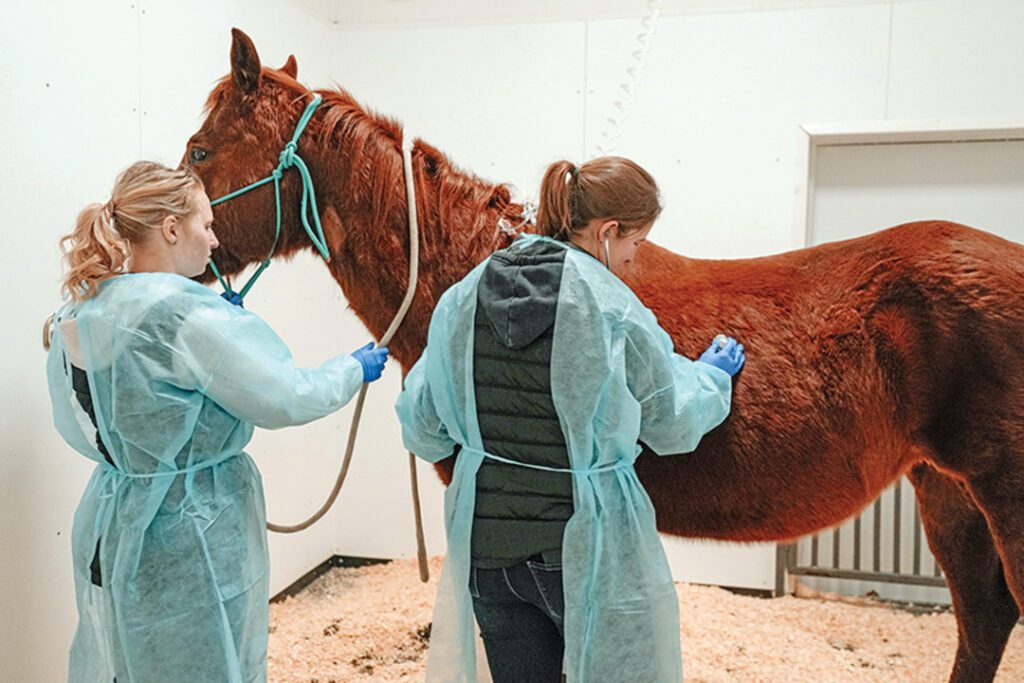
Equine Health Emergencies rarely give owners the luxury of slow thinking. A horse with colic signs, a deep wound, sudden lameness, breathing distress, or an eye injury can move from concern to crisis quickly, and the outcome often depends on how well the people around that horse respond before the veterinarian arrives. The difference between panic and preparation is not luck; it is a plan built long before the barn aisle turns tense.
Why Equine Health Emergencies Demand Planning
The hardest part of an emergency is not always the injury itself. It is the first five minutes, when someone has to decide whether the situation is urgent, who should call the veterinarian, where the supplies are, whether the horse should be moved, and how much information can be gathered safely. That window demands clarity.
Horse owners often think of emergencies as rare events, but the barn environment makes them more common than most people want to admit. Horses are large, reactive animals living around fences, gates, buckets, trailers, feed rooms, turnout groups, and changing weather. Even a well-managed property cannot remove every risk.
That is why the best emergency response begins with systems, not improvisation. A clear plan helps the owner, barn manager, trainer, groom, rider, and family member respond in the same direction. It also gives the veterinarian better information, which can support faster judgment once professional care begins.
Planning does not replace veterinary medicine. It protects the horse until veterinary medicine can take over. That distinction matters because well-meaning owners can accidentally make situations worse by medicating too early, moving a severely lame horse, pulling an embedded object, or waiting too long on symptoms that look minor but are not. Good emergency planning creates restraint as much as action.
What Counts As A True Equine Emergency
A true equine emergency is any health situation where delay could increase pain, worsen injury, reduce treatment options, or threaten the horse’s life. That definition is intentionally broad because horses can hide discomfort until a problem becomes serious. Subtle signs deserve respect.
Colic is one of the most feared emergencies because it can range from mild abdominal discomfort to a surgical crisis. A horse looking at its flank, pawing, stretching, rolling, refusing feed, producing little manure, or showing repeated discomfort needs close attention. The longer serious abdominal pain continues, the more urgency the situation carries.
Wounds also demand careful interpretation. A small puncture can be more dangerous than a larger scrape if it enters a joint, tendon sheath, abdomen, chest, or deep structure. Bleeding, swelling, clear sticky fluid, exposed tissue, or a wound near a bending joint should not be treated casually. The visible surface may not reveal the full damage.
Sudden lameness belongs in the same category. A horse that will not bear weight, toe-touches, nearly falls while walking, or shows abnormal limb movement may have a severe injury. Moving that horse without veterinary direction can turn an incomplete problem into a larger one. In those moments, patience can be protective.
Eye injuries, breathing problems, neurological signs, foaling problems, severe diarrhea, choke, heat stress, and toxic exposures also require fast judgment. The owner’s role is not to diagnose with certainty. The owner’s role is to recognize danger and activate help.
Build A Veterinary Contact System Before You Need It
Every horse owner should have a veterinary contact system that works when the regular day is over. That means more than saving one phone number. It means knowing the primary veterinarian, the after-hours procedure, the backup clinic, the referral hospital, the nearest surgical center, and the trailer route if transport becomes necessary.
The American Association of Equine Practitioners provides useful emergency preparation guidance for Equine Health Emergencies, and its core message is practical: know who to call, where to go, who can help, and what supplies should be ready. That kind of preparation sounds basic until the horse is sweating, painful, or bleeding. Then it becomes essential.
I like every barn to keep this information in three places: in each responsible person’s phone, posted clearly in the barn, and stored with the first aid kit. Power failures, dead phones, poor reception, and panic can all defeat a plan that exists only in someone’s memory.
The contact sheet should include the horse’s name, age, sex, breed, owner, insurance details if applicable, vaccination and tetanus status, regular medications, known allergies, and normal vital signs. It should also include the property address with clear driving instructions. A veterinarian cannot help quickly if the caller cannot explain where the horse is.
That contact system should be reviewed regularly. Staff changes, clinic schedules change, horses move, and emergency numbers become outdated. A plan that has not been checked in a year may create false confidence.
Know Normal Before You Judge Abnormal
One of the most useful habits in horse care is learning what is normal for each horse before trouble begins. Normal vital signs provide a baseline. Normal appetite, manure output, drinking habits, posture, attitude, and resting behavior create context. Without that baseline, emergency judgment becomes guesswork.
A horse’s temperature, heart rate, respiratory rate, gum color, capillary refill time, gut sounds, and general demeanor all tell a story. Owners do not need to become veterinarians, but they should be comfortable collecting basic observations. Those details help a veterinarian decide how urgent the call is and what equipment or medication may be needed.
This is where daily care becomes emergency preparation. The person who notices that a horse usually eats aggressively but now picks at grain has valuable information. The person who knows a horse normally passes consistent manure but now has dry, small fecal balls can act sooner. Small changes can become early evidence.
A barn should also train more than one person to take a temperature, assess gums, count breaths, and observe posture. Emergencies do not always happen when the most experienced person is present. Shared skill creates resilience.
Here is a concise reference table owners can use as a planning framework, while recognizing that individual horses and veterinary guidance may vary.
| Emergency Signal | Why It Matters | Best First Step |
|---|---|---|
| Repeated colic signs | Abdominal pain can become serious quickly | Call the veterinarian and remove feed |
| Heavy bleeding or deep wound | Blood loss or deeper structure involvement may be hidden | Apply pressure and call the veterinarian |
| Non-weight-bearing lameness | Fracture, abscess, or severe injury may be possible | Keep the horse still and seek veterinary direction |
| Squinting or eye swelling | Eye injuries can worsen fast | Move horse to a quiet area and call promptly |
| Labored breathing at rest | Respiratory distress can become critical | Reduce stress and call immediately |
| Neurological behavior | Horse may injure itself or handlers | Clear the area and avoid close handling |
| Choke signs | Food obstruction can cause distress and complications | Remove feed and water, then call the veterinarian |
This table should not replace professional advice. It should help owners recognize when a situation deserves action rather than delay.
Prepare The First Aid Kit With Purpose
A first aid kit should be practical, clean, visible, and complete enough to support immediate care. It should not become a dusty box of expired supplies in a forgotten tack room corner. A kit that cannot be found quickly is almost the same as having no kit.
The core kit should include a thermometer, stethoscope, clean gloves, sterile saline, gauze pads, cotton roll, cling wrap, bandaging material, scissors, antiseptic solution, a flashlight, batteries, clean syringes without needles, duct tape, towels, and emergency contact information. Trailer kits and travel kits should be smaller but still useful.
A strong kit also includes organization. Wound supplies should be separated from vital-sign tools. Medications should not be casually mixed into general supplies unless the veterinarian has provided clear instructions. Expiration dates should be checked. Used items should be replaced immediately. That simple discipline prevents a crisis from revealing empty shelves.
Owners should be cautious with medications. Pain relievers and sedatives can mask symptoms or create safety issues if used without veterinary direction. Some medications are dangerous if given by the wrong route. In many emergencies, the best first treatment is not medicine. It is calling the veterinarian, keeping the horse safe, and gathering accurate information.
The goal of first aid is stabilization, not heroics. Clean a dirty wound if safe. Apply pressure for bleeding. Cover an injury with a clean bandage. Keep the horse quiet. Record vital signs. Then let the veterinarian guide the next step. That is control.
Design The Barn For Faster Response
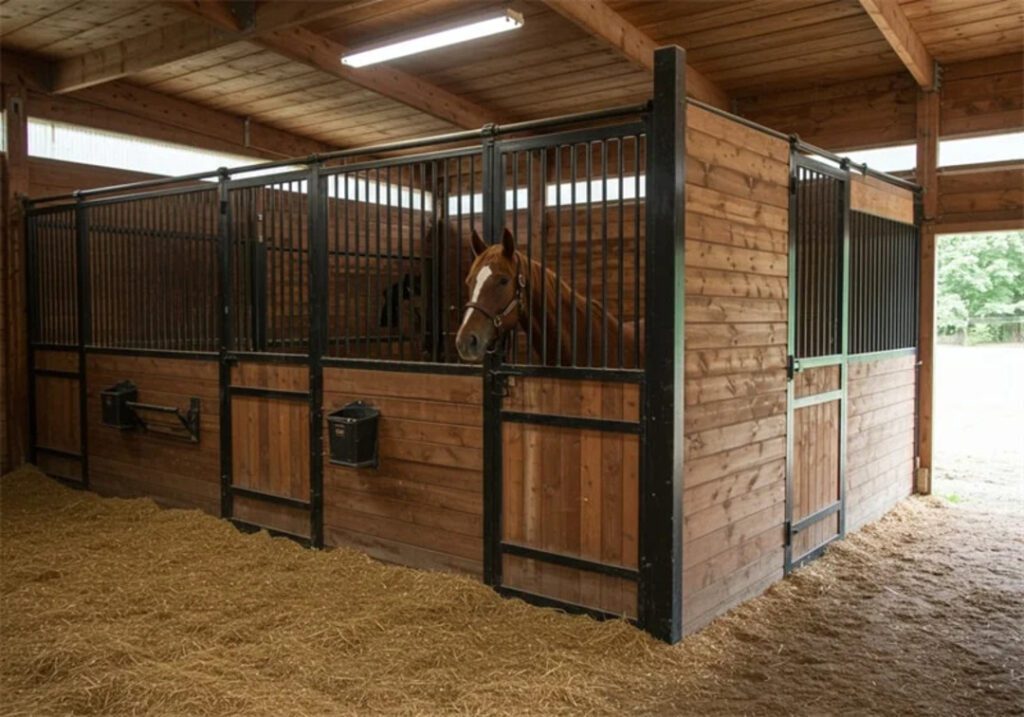
Emergency planning is not only about what happens after injury. It also includes how the barn is arranged before anything goes wrong. A property with clear aisles, working lights, safe gates, available halters, accessible trailers, and posted contacts will respond faster than a property where every task becomes a search.
Start with access. Can a veterinarian reach the barn easily at night? Is the driveway passable in bad weather? Are gates unlocked or clearly labeled? Is there a place to examine the horse with light, water, and enough room? These details may sound ordinary, but emergencies expose weak systems.
The barn should also have a safe isolation space. Respiratory illness, suspected infectious disease, fever, nasal discharge, or unexplained neurologic signs may require separation from other horses. Isolation is easier when the space has been planned rather than invented in the middle of fear.
Trailer readiness deserves special attention. If the horse may need referral care, transport can become the deciding factor. Tires, lights, floor condition, hitch equipment, fuel, and driver availability should not be discovered at the last minute. A horse with a surgical colic or severe wound may not have time for trailer troubleshooting.
Environmental prevention is part of emergency planning, too. Check for protruding nails, broken boards, unsafe fencing, sharp bucket edges, unstable stall hardware, toxic plants, and cluttered aisles. Many injuries cannot be prevented, but some can. Prevention is the quietest form of care.
Decide Who Does What During A Crisis
A barn emergency becomes harder when everyone wants to help but no one knows their role. Good intentions can create noise, crowding, repeated phone calls, or unsafe handling. A simple role plan keeps the response efficient.
One person should call the veterinarian. One person should stay with the horse if safe. One person should collect the first aid kit. One person should prepare lighting, water, towels, or a clean area. One person may need to contact the owner, trainer, insurance provider, or transport driver. That division of labor reduces confusion.
The caller should be prepared to give specific information: what happened, when it was noticed, the horse’s current behavior, vital signs if known, visible injuries, medications given, feed access, manure output, and whether the horse can walk. A calm, organized call can help the veterinarian triage the problem.
This same response culture matters in performance settings. Racing, eventing, hauling, training, and competition all add pressure because decisions unfold in public and often under time constraints. Even a racing analysis such as high-stakes race preparation reminds readers that horses perform inside systems of planning, risk assessment, and human judgment. The same principle applies in the barn when health becomes the priority.
After the veterinarian is called, the team should avoid unnecessary movement, noise, and speculation. The horse does not benefit from a crowd. The veterinarian does not benefit from five conflicting accounts. The best emergency teams are calm, brief, and coordinated.
Manage Colic With Calm Urgency
Colic deserves its own planning category because it is common, frightening, and highly variable. A horse with mild gas discomfort may improve quickly. Another horse with similar early signs may have a life-threatening problem. Owners cannot reliably separate those possibilities without veterinary input.
The first step is observation. Is the horse pawing, sweating, rolling, looking at the flank, stretching, lying down repeatedly, refusing feed, or producing little manure? How long has it been happening? Has the horse had access to extra grain, new hay, sand, pasture change, or unusual feed? Those details matter.
Remove feed while waiting for guidance. Water is often left available unless the veterinarian advises otherwise. Walking may help if the horse is safely manageable and not exhausted, but forced walking for long periods can create more stress. A tired horse should not be dragged endlessly because someone heard that walking is always required.
Medication should be given only with veterinary direction. Pain relief can be useful, but it can also hide signs that help the veterinarian judge severity. The horse’s response to medication may also become part of the diagnostic picture. That is why communication matters before treatment.
Colic planning should include transport readiness. If referral becomes necessary, minutes matter. A barn that already knows the route, trailer status, and decision authority is better positioned for a good outcome.
Treat Wounds As More Than Surface Damage
Wounds are deceptive. A large scrape may look dramatic but remain superficial. A tiny puncture near a joint may threaten the horse’s athletic future. The owner’s job is to avoid judging severity by size alone.
Heavy bleeding requires pressure with a clean pad or bandage. Deep wounds, punctures, wounds over joints, wounds with swelling or lameness, and wounds that leak clear fluid deserve rapid veterinary attention. Eye wounds, chest wounds, abdominal wounds, and wounds involving delicate structures should never be treated casually.
Owners should avoid aggressive probing. Do not dig into a wound searching for depth. Do not apply ointments to deep wounds unless directed. Do not remove an embedded nail or object without veterinary guidance, especially from the foot or limb. Those actions can change the injury and reduce the veterinarian’s ability to evaluate it properly.
Clean water or sterile saline can be used to rinse dirt if it is safe, and a clean bandage can protect the area. The goal is to reduce contamination and limit additional trauma while help is on the way. Wound care rewards restraint.
Tetanus status should also be known. Horses are vulnerable to tetanus, and puncture wounds raise concern. A current vaccination record gives the veterinarian important information. That is another reason emergency planning begins with paperwork, not panic.
Respect Eye, Breathing, And Neurologic Warning Signs
Some emergencies deserve a low threshold for calling the veterinarian. Eye problems are one of them. Squinting, tearing, cloudiness, swelling, eyelid cuts, or sudden vision changes should be treated as urgent. Eyes can deteriorate quickly, and early treatment can protect sight.
Breathing problems also demand fast action. Horses cannot compensate for respiratory distress the way people might assume. Noise while breathing at rest, nostril flaring, rapid breathing after illness or injury, bloody nasal discharge, or obvious difficulty moving air should trigger immediate veterinary contact. Reduce exercise, minimize stress, and keep the horse in a safe, well-ventilated area.
Neurological signs create danger for both horse and humans. Abnormal behavior, stumbling, head tilt, seizure activity, persistent muscle twitching, or sudden coordination problems require caution. A panicked crowd can make the situation worse. Clear the area, reduce stimulation, and keep handlers out of harm’s way.
These cases require priority because waiting can cost vision, safety, or life. They also illustrate why the emergency plan must include human safety. A scared, painful, neurologic, or oxygen-deprived horse can injure people unintentionally. Good care never asks handlers to become reckless.
Review The Plan Before The Next Emergency
An emergency plan is useful only if it is practiced, updated, and understood. Barns should review their plan at least twice a year, and more often when staff changes, new horses arrive, travel schedules increase, or competition season begins. A plan written once and forgotten offers very little protection.
Use a short rehearsal. Ask who calls the veterinarian. Ask where the first aid kit is. Ask who can drive the trailer. Ask where the closest referral hospital is. Ask how to isolate a sick horse. Ask how to take a temperature. Weak answers show where the plan needs work.
The University of Minnesota Extension’s horse first aid planning resource offers useful guidance on normal vital signs, emergency signs, kit supplies, and practical actions while waiting for veterinary care. A good owner does not need to memorize every line. A good owner needs to build habits that make the right response easier.
Documentation also matters. Keep records of temperatures, medications, vaccinations, injuries, colic episodes, dental care, deworming, farrier work, and previous veterinary concerns. That history helps in emergencies because patterns may matter. A horse with recurring mild colic signs, repeated foot abscesses, or previous airway issues deserves a different level of attention.
The best plan is not dramatic. It is ordinary, visible, and easy to follow. That is exactly why it works.
The Best Outcomes Begin Before The Emergency
Equine Health Emergencies are frightening because they combine speed, uncertainty, and emotional attachment. Horse owners care deeply, and that care can make decision-making harder when a horse is in pain. A plan does not remove fear, but it gives fear somewhere useful to go.
The strongest barns prepare in advance. They know normal vital signs. They keep the veterinarian’s number visible. They maintain a stocked kit. They train more than one person to respond. They keep trailers ready. They understand when to act, when to wait, and when to step back for professional care.
That is the real lesson. Better outcomes rarely come from one heroic moment. They come from repeated habits, clear communication, and respect for the horse’s condition. Owners who plan ahead give their horses more than supplies. They give them time, safety, and a better chance when a difficult day arrives.
Equine Health Emergencies will never be completely predictable, but the response can be. The next time a horse colics, cuts a leg, struggles to breathe, becomes suddenly lame, or shows signs that something is wrong, the best outcome may depend on decisions made weeks or months earlier. Planning is not fearfulness. It is responsibility, and in horse care, responsibility is often what turns a crisis into a recoverable event.