
Jockey Club Exploring Deal to Secure Up to £100m for Racecourse Development
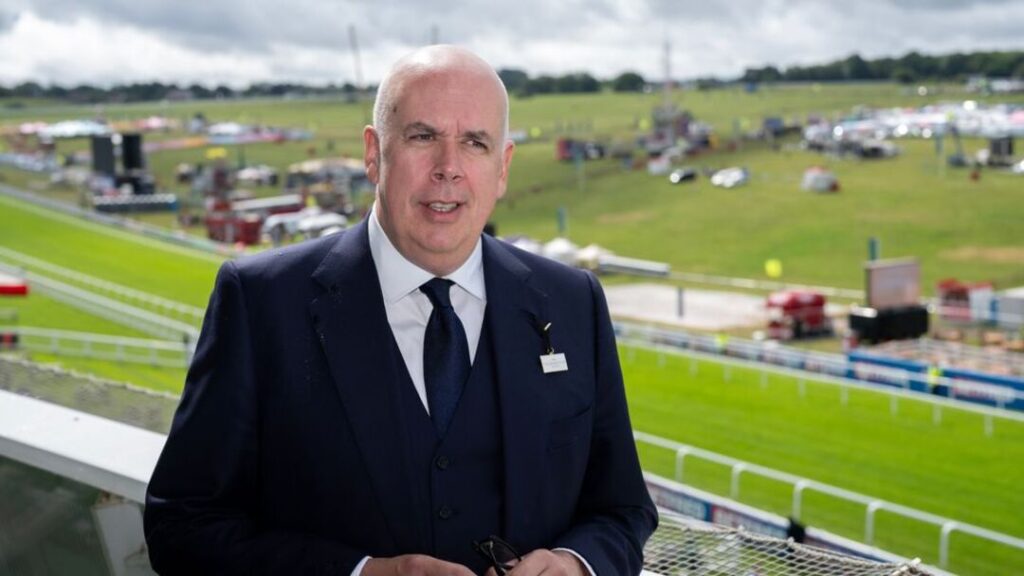
The future of British horse racing may soon receive a significant financial boost as the Jockey Club racecourse development strategy moves forward. Reports indicate that the organization is working on a deal that could unlock up to £100 million in funding, money that would be used to upgrade racecourses, enhance facilities, and strengthen the overall experience for fans attending events across the United Kingdom.
As one of the most influential organizations in the sport, the The Jockey Club plays a critical role in shaping the future of British racing. The group owns and operates several historic racing venues, including racecourses that host globally recognized events like the Cheltenham Festival and the Epsom Derby.
This potential investment marks a pivotal moment for the organization and the sport as a whole, particularly at a time when racing is facing increasing competition from other forms of entertainment and evolving expectations from spectators.
The proposed deal could provide tens of millions of pounds in new funding, potentially reaching the £100 million mark. According to early reports, the funds would be directed toward improving racecourse infrastructure and enhancing the experience for visitors attending major racing events.
While the full details of the arrangement are still being finalized, officials within the organization have indicated that discussions with partners are already at an advanced stage. Once secured, the funding will support a long-term investment strategy aimed at keeping British racecourses competitive on a global scale.
In practical terms, this investment could fund several improvements, including:
- Renovation of grandstands and spectator areas
- Modernization of hospitality facilities
- Expansion of digital ticketing and customer services
- Upgrades to jockey and racing facilities
Such improvements would not only benefit racegoers but also help strengthen the economic ecosystem that surrounds the racing industry.
Racecourses Likely to Benefit from Development Plans
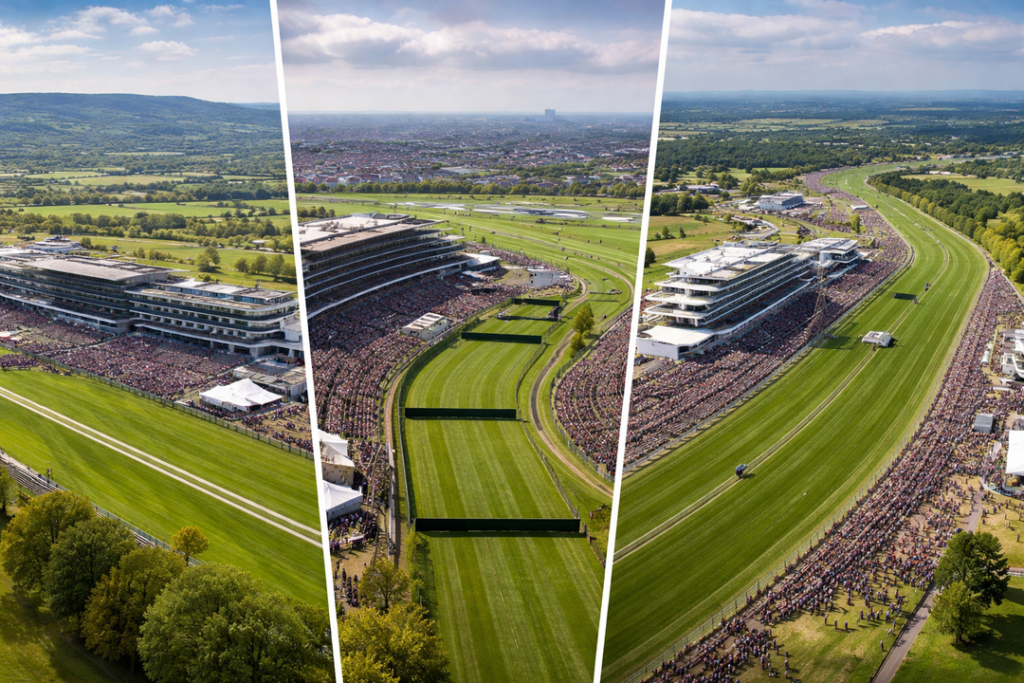
Some of the most famous venues in British racing are expected to be at the center of the proposed development initiative. Among them are Cheltenham Racecourse, Aintree Racecourse, and Epsom Downs, all of which attract international audiences every year.
Recent reports suggest that major projects could include a redesigned weighing room complex at Cheltenham and enhanced hospitality areas, potentially including rooftop viewing spaces for spectators.
Aintree, home of the legendary Grand National, may also see upgrades designed to improve visitor engagement and offer new vantage points within the racecourse grounds. Meanwhile, Epsom could receive renovations aimed at strengthening the prestige and appeal of the Derby Festival.
These improvements are part of a broader effort to ensure that historic racing venues remain modern and competitive in an era where fans expect premium entertainment experiences.
Enhancing the Spectator Experience
One of the central motivations behind the Jockey Club racecourse development plan is to improve the overall experience for fans attending race meetings. Horse racing has long relied on live attendance and hospitality revenue, making the racecourse environment a key component of the sport’s financial model.
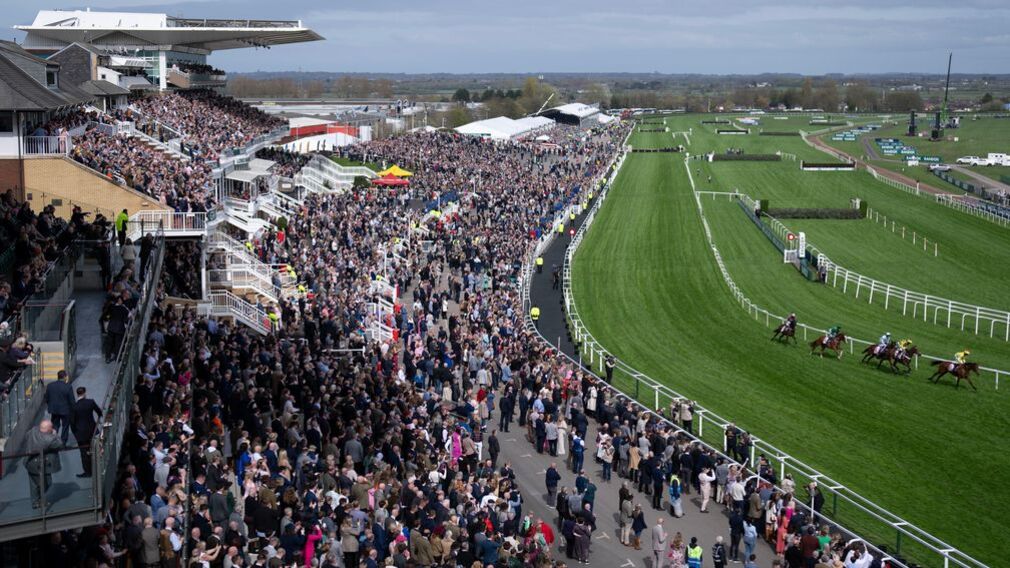
By upgrading facilities and introducing new customer-focused services, the organization hopes to attract younger audiences while maintaining loyalty among long-time racing enthusiasts.
Modern spectators increasingly expect features such as:
- Seamless digital ticketing systems
- High-quality dining and hospitality offerings
- Interactive viewing areas and social spaces
- Enhanced accessibility and transport options
These enhancements are designed to transform race meetings into full-day entertainment events, rather than simply sporting contests.
Strengthening the Racing Economy
Beyond improving fan experiences, the potential £100 million investment carries wider economic implications for the racing industry. Horse racing is a significant contributor to the British economy, supporting thousands of jobs in areas such as training, breeding, hospitality, media, and tourism.
Major events like the Cheltenham Festival draw hundreds of thousands of visitors and generate substantial revenue for local communities. Investments in racecourse infrastructure can therefore create ripple effects that extend far beyond the racetrack itself.
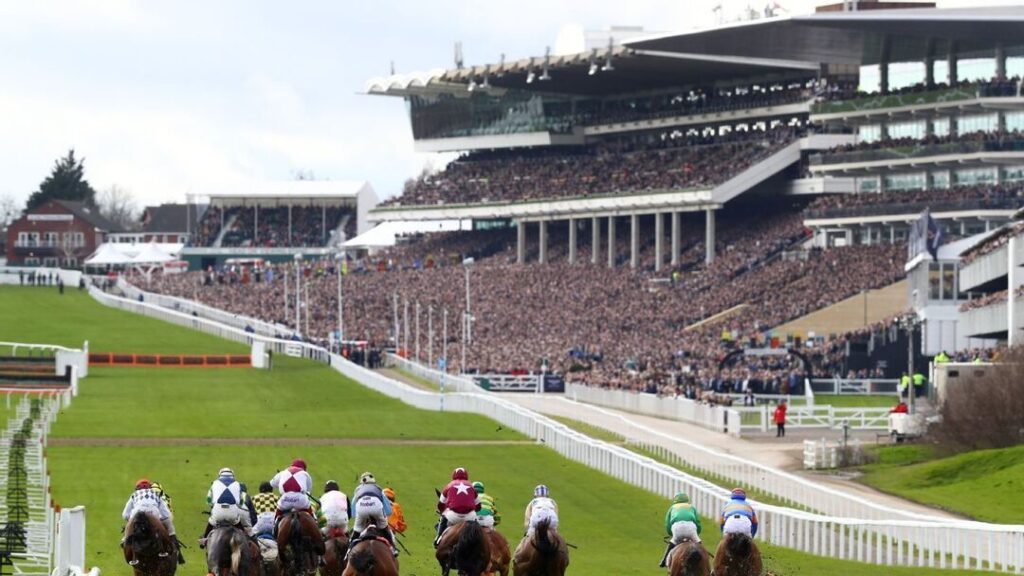
Increased spending on facilities, technology, and hospitality services could stimulate new business opportunities for suppliers and service providers connected to the racing industry.
Long-Term Vision for the Sport
The Jockey Club racecourse development initiative also reflects a long-term strategy to ensure the sustainability of the sport. Racing faces several challenges in the modern era, including shifting consumer habits, economic pressures, and growing competition from digital entertainment platforms.
By investing in infrastructure and innovation, racing authorities hope to position the sport for continued success over the coming decades.
Officials have emphasized that any funding obtained through the new deal will be reinvested directly into the sport, helping to support the broader ecosystem that sustains British horse racing.
Challenges and Considerations
Although the proposed funding represents an exciting opportunity, it also comes with certain challenges. Large-scale development projects require careful planning, regulatory approvals, and cooperation with local authorities.
Some proposed upgrades, particularly those involving new structures or expanded facilities, will likely require planning permission before construction can begin.
There is also the question of how the organization balances modernization with the preservation of historic racecourses, many of which have deep cultural significance within British sporting heritage.
Maintaining that balance will be essential as the development plans move forward.
Conclusion
The potential £100 million investment in Jockey Club racecourse development represents one of the most ambitious initiatives in British horse racing in recent years. By upgrading facilities, improving hospitality offerings, and modernizing racecourse infrastructure, the organization hopes to strengthen the long-term appeal of the sport.
If finalized, the deal could help transform some of the United Kingdom’s most iconic racing venues, ensuring that they remain competitive destinations for fans, owners, and international visitors alike.
As negotiations continue and more details emerge, the racing community will be watching closely. For many within the industry, the success of this investment could shape the future of British horse racing for generations to come.