
Jose Ortiz Reveals What Really Happened During Stunning Kentucky Derby Win
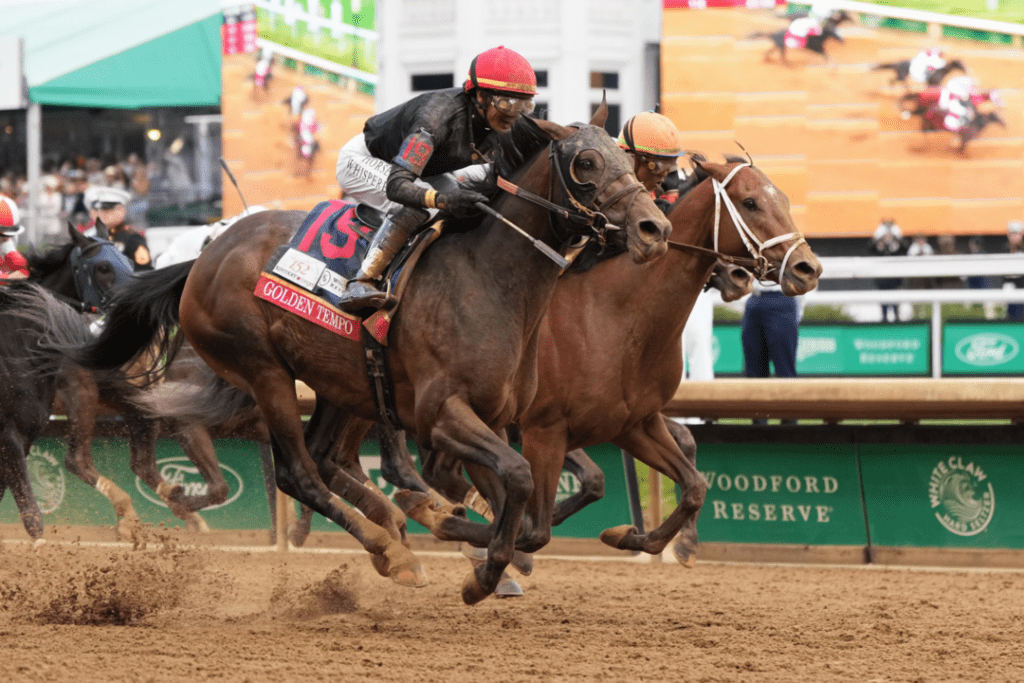
The Jose Ortiz Kentucky Derby story matters because Golden Tempo’s victory was not the clean, obvious ride that a casual replay might suggest. It was a race built on patience, trust, traffic, and a jockey refusing to panic while the sport’s biggest prize seemed to be moving farther away. What really happened at Churchill Downs was not simply a late charge; it was a controlled act of judgment under the most public pressure in American racing.
Why The Jose Ortiz Kentucky Derby Ride Still Feels So Stunning
Jose Ortiz did not win the 152nd Kentucky Derby by following a comfortable script. Golden Tempo broke slowly, dropped far back, and forced his rider into the kind of position that can make even experienced jockeys feel the race slipping away. A horse sitting near last in the Derby has no margin for wasted motion, no room for emotional riding, and no guarantee that the field will open when the decisive moment arrives.
That is what made the finish so compelling. Golden Tempo was not simply a horse who found speed late. He was a horse who needed a rider willing to believe in his running style, even when the optics looked dangerous. Ortiz knew the colt had ability, but ability alone does not win the Derby. It has to be protected, timed, and released with precision.
The larger Jose Ortiz Kentucky Derby moment became even more dramatic because Golden Tempo won at long odds, came from the back of the field, and gave trainer Cherie DeVaux a historic breakthrough as the first woman to train a Kentucky Derby winner. The race was a sporting upset, a personal milestone, and a tactical case study all at once.
The public remembers the stretch run. Ortiz remembers the decisions that made it possible.
Golden Tempo’s Slow Start Changed Everything
The first truth behind the ride is that Golden Tempo did not give Ortiz an easy beginning. A slow break in the Kentucky Derby is not a small inconvenience. It can alter the entire race. With a large field, early traffic, and a demanding 1 1/4-mile distance, a horse who starts poorly can be forced into a reactive trip before the first turn even develops.
Ortiz had to accept that reality quickly. He could not force Golden Tempo into a position he did not naturally want. That would have risked wasting energy early and dulling the colt’s strongest weapon: his late run. The smartest ride was not to chase the race immediately, but to keep the horse composed and let the pace unfold.
That takes discipline. Derby riders know how unforgiving the first few furlongs can be. A single rushed decision can turn a live horse into a tired one. Ortiz had to trust that being far back did not mean being beaten. He had to ride the horse he had, not the trip the crowd expected.
Golden Tempo’s style gave him a reason to stay calm. DeVaux had already described the colt as a deep closer, the kind of horse whose best work comes when the race stretches into its final stages. That profile can be thrilling, but it also carries risk. Deep closers depend on pace, space, and timing. If any of those pieces fail, the late move may arrive too late.
Ortiz’s first important decision, then, was emotional as much as tactical. He did not let the slow start pull him out of the plan.
The Hidden Skill Was Waiting Without Freezing
Patience in racing is often misunderstood. Waiting does not mean doing nothing. It means keeping the horse in rhythm while continuing to read the race. Ortiz had to preserve Golden Tempo’s energy, keep him interested, and avoid getting trapped behind horses who were already losing position.
That is a difficult balance. Wait too long, and the leaders may get away. Move too early, and the horse may flatten in the final sixteenth. The best Derby rides often come from jockeys who understand the difference between a patient ride and a passive one. Ortiz’s ride had that clarity.
He did not panic when the colt was far back. He also did not simply hope for a miracle. He worked through the field, looked for the right lanes, and allowed Golden Tempo to build momentum before asking for the final surge. That gradual build was essential. A closer cannot be turned on like a switch without proper setup.
The Derby field also made the task harder. Renegade, ridden by Irad Ortiz Jr., was also finishing strongly. Ocelli, a huge longshot, stayed involved late. The final furlong did not unfold as a single-horse coronation. Golden Tempo had to outfinish rivals who were still running with purpose.
That is why the ride deserves more respect than a simple “from last to first” summary. The comeback was spectacular, but the technique behind it was measured. Ortiz turned a difficult position into a winning path by staying committed to the horse’s strength.
Why Ortiz Trusted Golden Tempo So Deeply
Ortiz’s confidence in Golden Tempo did not appear suddenly at Churchill Downs. It came from knowing the horse, understanding his temperament, and believing the colt had more ability than the public price suggested. That is a major part of what really happened during the Derby.
Golden Tempo was not a conventional favorite, and his long odds reflected public skepticism. Yet inside the barn and rider relationship, there was a different view. Ortiz had seen enough to believe the horse belonged. DeVaux had faith in the process. The team understood that the colt could be lazy early but powerful late.
That kind of horse requires a particular rider. A naturally aggressive jockey might try to manufacture speed too soon. A timid jockey might wait until the race is gone. Ortiz had to find the middle ground. He needed to encourage Golden Tempo without disrupting his rhythm. That is balance.
The most revealing part of the ride is that Ortiz never appeared to abandon the horse’s identity. Golden Tempo was not asked to become a front-runner. He was not forced into a style that did not suit him. Instead, the race was allowed to come back toward him as the field entered the decisive stages.
A Derby ride like that depends on trust. The jockey must trust the horse. The trainer must trust the jockey. The owners must accept that the winning move may look uncomfortable before it looks brilliant. For much of the race, Golden Tempo’s position looked alarming. By the stretch, it looked intentional.
The Brother Against Brother Finish Added Another Layer
The finish became even more dramatic because Ortiz had to run down Renegade, ridden by his older brother Irad Ortiz Jr. That turned the final yards into more than a battle between two colts. It became a family collision at the highest level of the sport.
Racing has a long memory for images like that. Two brothers, both elite riders, converging on the wire in the Kentucky Derby is the kind of story that writes itself. Yet the emotional angle should not obscure the competitive reality. Jose still had to time the run. Irad still had a live horse. Renegade did not hand the race away.
The margin was a neck. That matters because it shows how little room Ortiz had for error. A move one beat too late may have left Golden Tempo second. A move too early may have cost the horse the final punch. The finish was close enough to make every decision in the prior half-mile feel decisive.
This is where timing becomes more than a racing cliché. A jockey’s internal clock can decide a Derby. Ortiz’s clock was right. He gave Golden Tempo enough time to gather, enough encouragement to stay engaged, and enough clear runway to produce his best stride at the right moment.
The brother-against-brother element added emotion, but the race was won through execution.
What Cherie DeVaux Saw From The Barn Side
Cherie DeVaux’s role in the victory cannot be separated from Ortiz’s ride. The trainer had built the campaign, managed the horse, and understood how Golden Tempo needed to run. When the colt was far back, she did not read the situation as disaster in the same way a casual viewer might.
That is because she knew the horse’s pattern. Golden Tempo’s closing style was not a surprise to his connections. The horse had already shown that he did his best work late. DeVaux’s job was to have him fit enough, willing enough, and mentally prepared enough to sustain that late move in the most chaotic race of his life.
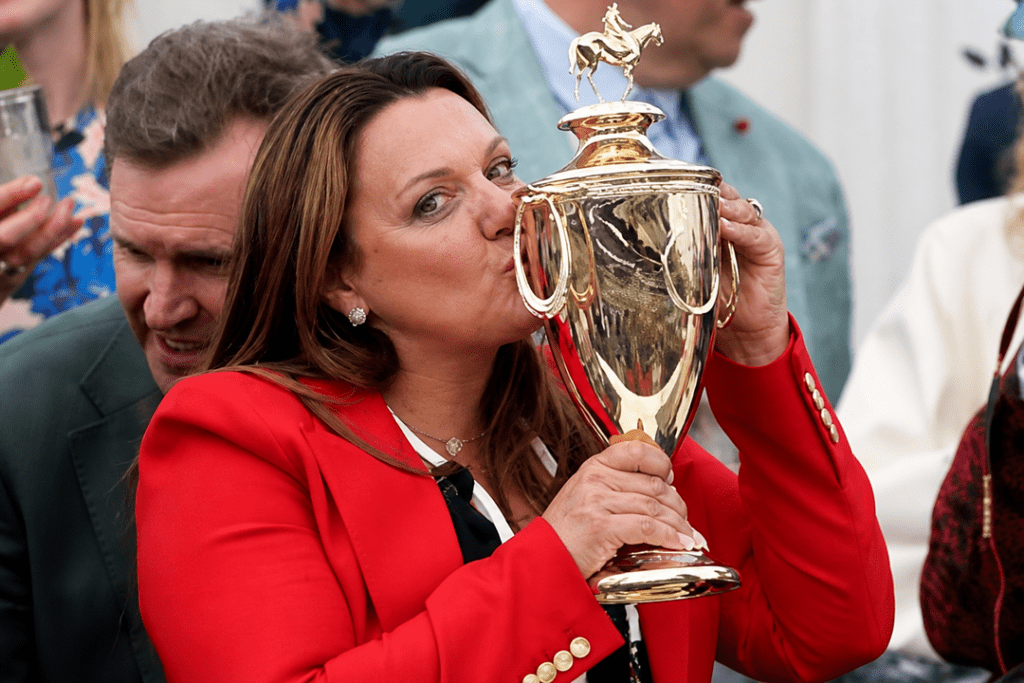
The Derby made her the first woman to train a winner of the race, a breakthrough that immediately gave the result historic weight. But the win should not be reduced to symbolism. DeVaux did not win because the story was compelling. She won because the horse was prepared and the rider delivered.
The partnership between trainer and jockey is easy to praise after a victory, but it is tested before the race. A trainer has to choose the rider who understands the horse. A rider has to accept the plan and make it work under changing conditions. That requires communication, even when the actual race allows no time for discussion.
Golden Tempo’s Derby showed what happens when preparation and race-riding meet in the same moment.
What Really Happened In The Final Stretch
The stretch run looked explosive because Golden Tempo made up ground quickly, but the final move was the product of everything that came before. The colt had energy because Ortiz had not spent it early. He had momentum because the rider had let him build rather than rush. He had a lane because Ortiz kept searching for the right path instead of forcing the wrong one.
That sequence is the heart of the race. Golden Tempo did not simply appear late. He was managed into position to make his late run matter. The final surge came from stamina, but also from execution.
As Renegade fought on and Ocelli stayed in the picture, Golden Tempo had to finish with authority. There was no soft final step. The race required one more sustained drive, and Ortiz got it from him. That is where a horse proves whether the late run is real or merely visual.
The difference between a dramatic second and a Derby win can be a few strides. Ortiz found those strides. Golden Tempo delivered them.
A useful way to understand the ride is through four turning points:
| Derby Moment | Why It Mattered |
|---|---|
| Slow Break | Forced Ortiz to accept a deep closing trip rather than chase position early. |
| Back-Of-Field Placement | Preserved energy but increased the need for traffic management. |
| Late Advance | Allowed Golden Tempo to build momentum without being emptied too soon. |
| Final Surge | Turned the trip into a neck victory over Renegade. |
The table is simple, but the race was not. Each step required choice, and each choice carried consequence.
How The Ride Changed Ortiz’s Career Narrative
Jose Ortiz had already been an accomplished rider before Golden Tempo. He did not need the Derby to prove that he belonged among top jockeys. Still, the Kentucky Derby occupies a different place in American racing. Winning it changes how a rider is discussed, remembered, and measured.
Ortiz’s victory came with added emotional force because his parents were present and because the Derby had long been a career goal. That kind of personal context matters. Racing is technical, but it is also human. A jockey can spend years chasing one race and still have to ride it with total focus when the moment finally arrives.
The win also completed a remarkable weekend, with Ortiz having won the Kentucky Oaks the previous day. The Oaks-Derby double is rare, and it placed him into a select group of riders who have managed both races in the same year. That achievement added prestige to an already unforgettable weekend.
Yet the real career shift came from the nature of the Derby ride. It was not a simple front-running win where the best horse did all the work. It was a ride that demanded nerve, patience, and late confidence. Those are the qualities that shape a jockey’s reputation.
A jockey is remembered not only for winning, but for how the win happened. Ortiz’s Derby win happened the hard way.
Why The Win Felt Bigger Than One Race
Golden Tempo’s victory created a rare convergence of storylines. A longshot winner. A historic trainer. A first Derby victory for Ortiz. A brother finishing second. A deep-closing trip that looked impossible until it became unforgettable. That is why the race still feels bigger than a standard result.
For racing, the win offered a reminder that the Derby can still produce genuine surprise. The sport needs that. Predictability may be useful for bettors, but unpredictability gives racing its energy. Golden Tempo’s win proved that a horse can still rewrite the national conversation in two minutes.
For DeVaux, the victory opened a door that had stayed closed for too long. For Ortiz, it fulfilled a personal ambition that had carried emotional and professional weight. For Golden Tempo’s owners, it turned a high-risk sporting dream into a defining reward.
The Golden Tempo Derby story also mattered because the post-race explanations showed how much faith surrounded the horse. Ortiz emphasized ability. DeVaux emphasized process, the horse, and the trust placed in Jose. Those themes explain the victory more honestly than any simple upset label.
This was not chaos. It was a difficult plan working at the exact moment it had to work.
Why The Preakness Decision Changed The Aftermath
The Derby high did not lead directly into a Triple Crown campaign. Golden Tempo’s connections later chose to skip the 2026 Preakness Stakes, ending the chance of a Triple Crown bid. That decision changed the way the Derby would be discussed.
Some fans wanted the story to continue immediately. That reaction is understandable. A Derby winner heading to the Preakness gives racing a simple narrative: can he do it again? But Golden Tempo’s team chose recovery and long-term management over the two-week turnaround. That added another layer of context to the Derby itself.
A horse who comes from far back and wins the Derby by a neck has still spent enormous physical and mental energy. The victory may look glorious from the outside, but the barn has to evaluate what it cost. Appetite, soundness, movement, energy, and attitude all matter after a race like that.
The broader conversation around Golden Tempo’s Derby history now includes both the brilliance of the ride and the care required afterward. The Derby was not an isolated highlight. It became part of a larger discussion about modern horse management, Triple Crown spacing, and the responsibility that comes with winning.
That makes Ortiz’s ride even more meaningful. It delivered the biggest race while leaving the horse’s connections with the difficult job of protecting what came next.
What Riders Can Learn From Ortiz’s Derby
The lesson from Ortiz’s ride is not that every jockey should wait at the back and hope for a late burst. That would be a lazy interpretation. The real lesson is to ride the horse’s strengths, not the crowd’s expectations.
Golden Tempo was a closer. Ortiz respected that. The horse was not sharp from the gate. Ortiz adapted. The race demanded patience. Ortiz supplied it. The leaders had to be caught late. Ortiz timed the move. That is practical race-riding, not romance.
Young riders can learn from the emotional control. The Kentucky Derby is loud, crowded, and unforgiving. It can tempt a jockey into proving too much too soon. Ortiz did the opposite. He let the race develop and trusted his mount. That kind of composure is hard to teach.
Trainers can also take something from the result. The rider-horse fit matters. A horse with a particular style needs a rider who will not betray that style under pressure. DeVaux trusted Ortiz because he believed in Golden Tempo and understood how the colt needed to be ridden.
Bettors should learn something, too. Long odds do not always mean a horse lacks ability. Sometimes they mean the public is uncomfortable with the path a horse needs to win. Golden Tempo’s path was narrow, but it was real. Ortiz found it.
The Real Meaning Of The Reveal
What Ortiz revealed through the Derby was not a secret trick. It was something more valuable: the inner logic of a winning ride. Golden Tempo had ability, but he also had quirks. He could be lazy early. He needed distance. He needed faith. Ortiz understood that and rode accordingly.
That is why the victory still resonates. It was not merely a shock result. It was a demonstration of how a rider can turn a difficult trip into a career-defining moment through confidence, patience, and clean decision-making.
The Jose Ortiz Kentucky Derby win matters now because it gives racing a complete story: a horse who needed belief, a trainer who trusted the process, and a jockey who refused to panic when the early picture looked wrong. It also leaves a clear perspective for the rest of the season. Golden Tempo may not have chased the Preakness, but his Derby already gave the sport a lasting lesson in trust, timing, and the difference between looking beaten and being ready to strike.